
The Living Shadow of the Huelva Dehesa
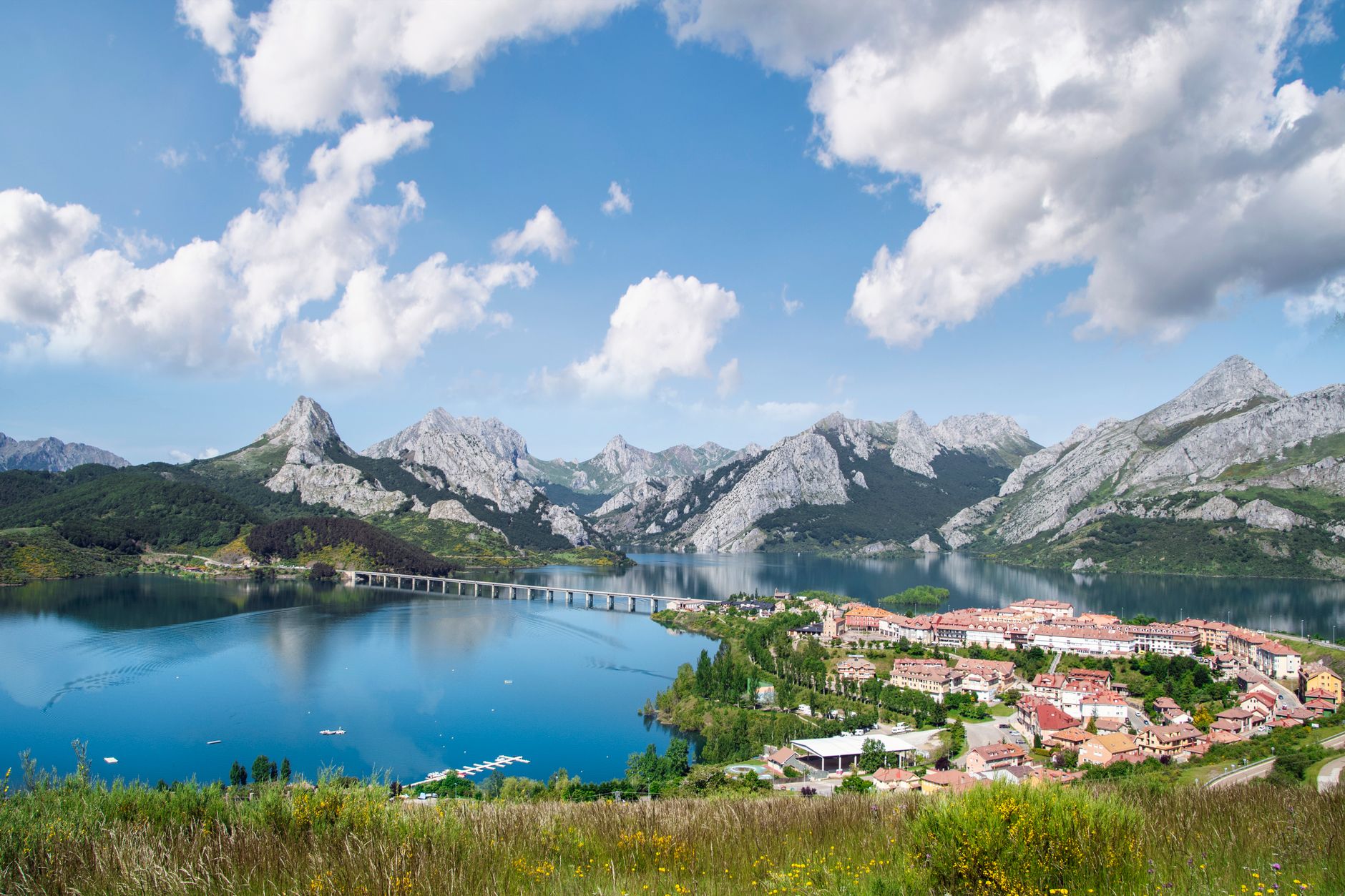
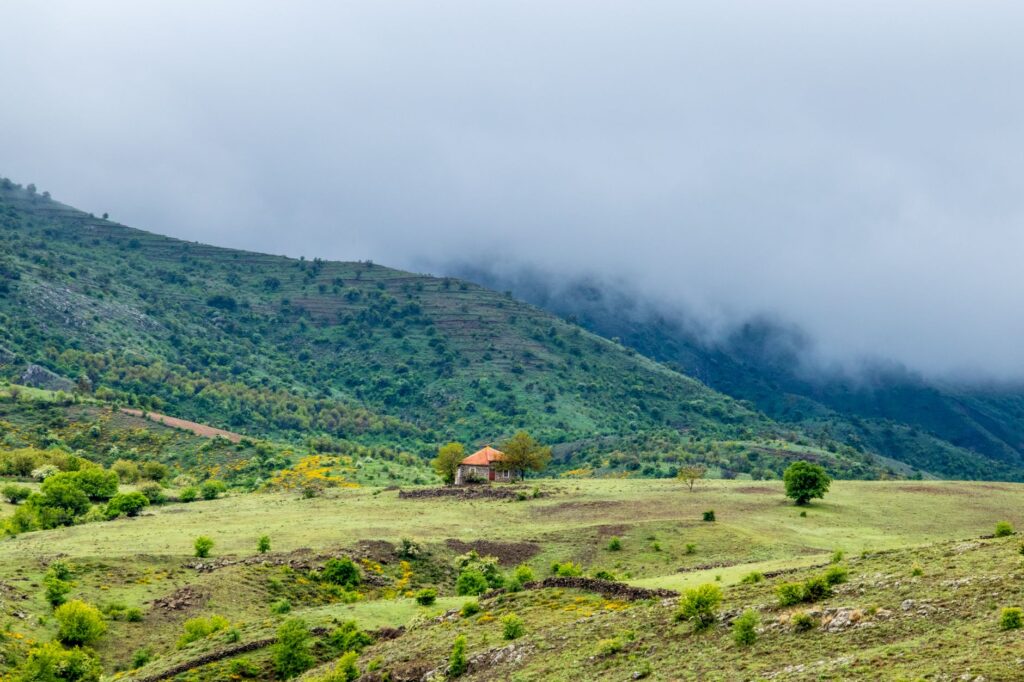
In the westernmost reaches of Sierra Morena, where Atlantic winds lose their bite upon encountering the sheltered summits of holm and cork oaks, time seems governed by a different law. It is not the abstract measure of modern clocks, but the biological tempo of the acorn, the unalterable cycle of the Iberian pig, and the silent heartbeat of natural curing cellars. In this territory of Huelva province, geography is not merely a topographical accident, but a living architecture that dictates every human gesture, from morning grazing to the precise glide of the carving knife.
Venturing into the municipality of Jabugo and its surrounding villages requires understanding that the final product does not rely on industrial formulas or contemporary accelerations. Here, slowness is an inescapable requirement. The dehesa—that singular ecosystem where human stewardship has collaborated for centuries with nature to balance the Mediterranean forest and livestock farming—unfolds as a tapestry of deep greens, granitic soils, and absolute silence. It is beneath these centennial canopies that the first chapter of a gastronomic tale unfolds, transcending mere sustenance to become a cultural milestone.
Animal and Landscape: Montanera as the Climax
The life cycle of the purebred acorn-fed Iberian pig finds its raison d’être in the montanera, the period from October to March when the animals roam in absolute freedom across the estates. During this time, each specimen covers several kilometers daily in search of its exclusive diet: acorns from holm, cork, and gall oaks, supplemented by fresh meadow grass. This constant exercise and diet rich in natural oleic acids transform the animal’s musculature, imperceptibly infiltrating fat between the meaty fibers and imparting the characteristic marbling that defines its superior quality.
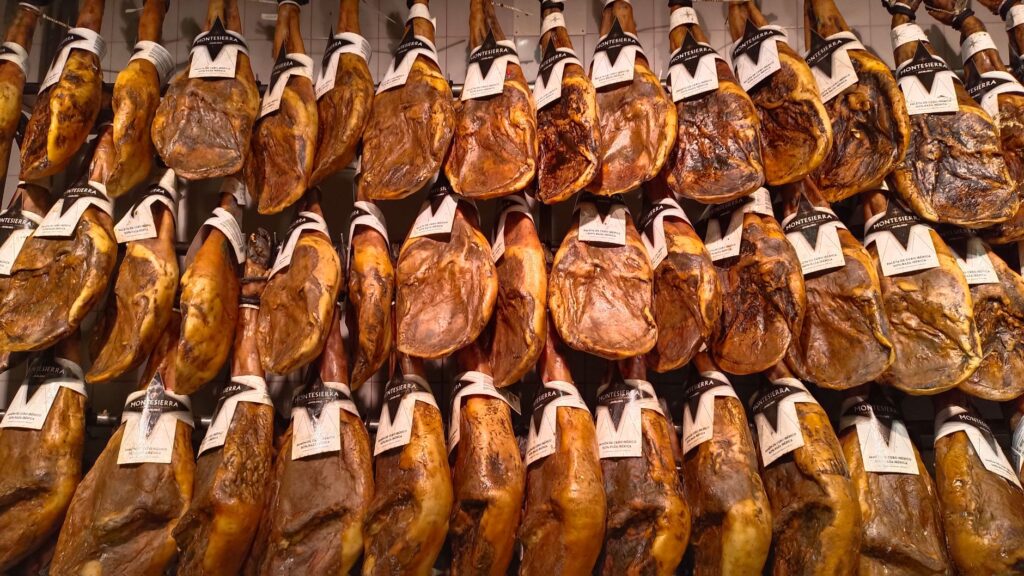
Local herdsmen, guardians of knowledge passed down through generations, scan the soil with the precision of botanists. They know how to distinguish which tree yields the sweetest fruit based on slope orientation and subsoil moisture retention. This symbiotic relationship among farmer, land, and animal ensures not only environmental sustainability but also the authenticity of a raw material that accepts no substitutes. The dehesa is not a resource warehouse, but a fragile organism requiring a delicate balance between livestock density and plant regeneration to avoid collapse under global market pressures.
The Liturgy of Sea Salt and Silence
Once the field phase concludes, the hams and shoulders begin their journey toward traditional curing workshops, strategically located in villages where altitude and orientation provide highly specific hygrometric conditions. The first step in this complex curing process is salting, a critical phase where the master curer calculates with millimeter precision the exact time each cut must remain buried in coarse sea salt, accounting for weight, external fat, and ambient temperature.
Following salting and a warm water wash to remove surface residue, the hams ascend to post-salting chambers, where the chill of mountain winters begins to anchor their internal structure. This is a slow, progressive dehydration process seeking the delicate balance between internal curing and external protection. In these spaces, human intervention is largely limited to opening and closing north-facing wooden shutters to welcome cool air currents descending from the peaks—a unique meteorological phenomenon acting as a natural preservative.
Architecture of Natural Curing Cellars
The beating heart of Jabugo resides in its traditional cellars: buildings with thick walls, high ceilings, and numerous vertical windows protected by wooden shutters. Crossing the threshold of these centennial halls envelops the visitor in a dense, almost reverent atmosphere, where the musky aroma of slow curing permeates every corner. Here, there are no air conditioners or digital climate-control systems; everything is entrusted to the accumulated wisdom of artisans.
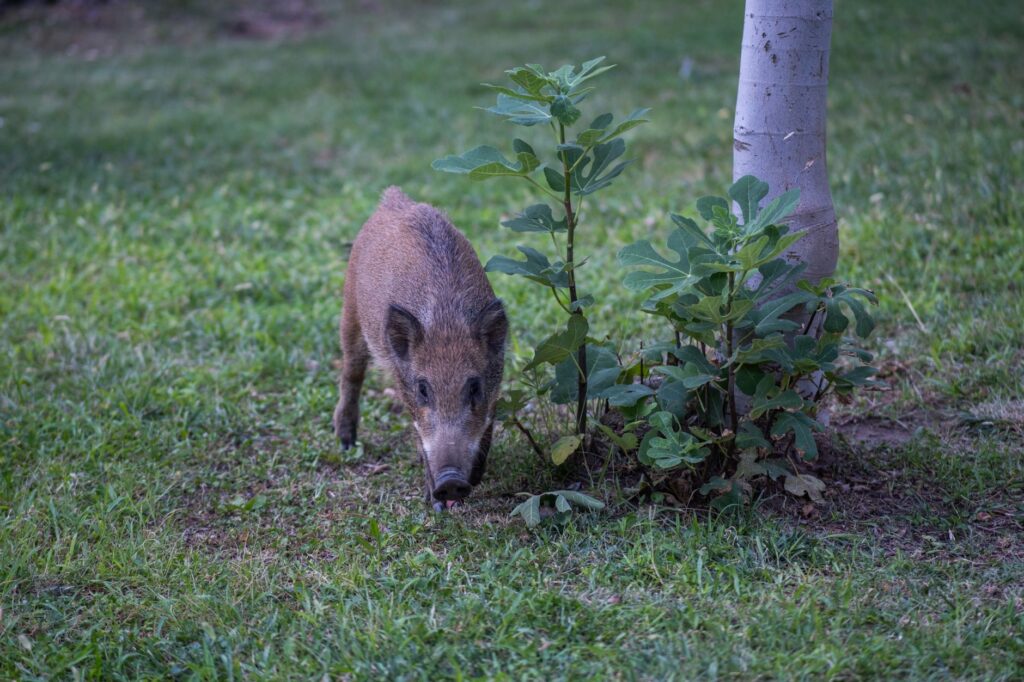
Suspended from the ceiling by hemp ropes, thousands of hams align in semi-darkness, forming a hanging forest. During spring and summer, when heat begins to rise across southern Spain, fat gently melts within the piece, infusing the lean meat with unmistakable aromatic undertones. This natural sweating process sharply differentiates artisanal products from those subjected to accelerated processing in industrial estate warehouses. Traditional architecture is an active accomplice to flavor, a reminder that territory is an indivisible part of the final result.
The Pricking Test and the Mastery of Time
Before any piece leaves the cellar bound for market, it must pass the pricking test, a sensory examination as rigorous as it is infallible. The master curer uses a thin cow bone splinter, known as a cala, inserting it into strategic points of the ham—such as the joint and stifle—before immediately extracting and attentively sniffing it. Through this ancient gesture, the expert detects any deviation in the curing process, evaluates the exact maturation point, and certifies aromatic excellence.
This individualized inspection proves that artisanal production shuns standardization. Each ham is a unique individual shaped by the climatic year of the animal’s upbringing, the specific batch of acorns consumed, and the precise air currents that rocked its cellar. The waiting period—which in top-tier cuts can exceed five or six years—thus becomes an invisible yet decisive ingredient, a luxury standing in sharp contrast to the urgency of modern times.
The Art of Carving: Geometry, Temperature, and Touch
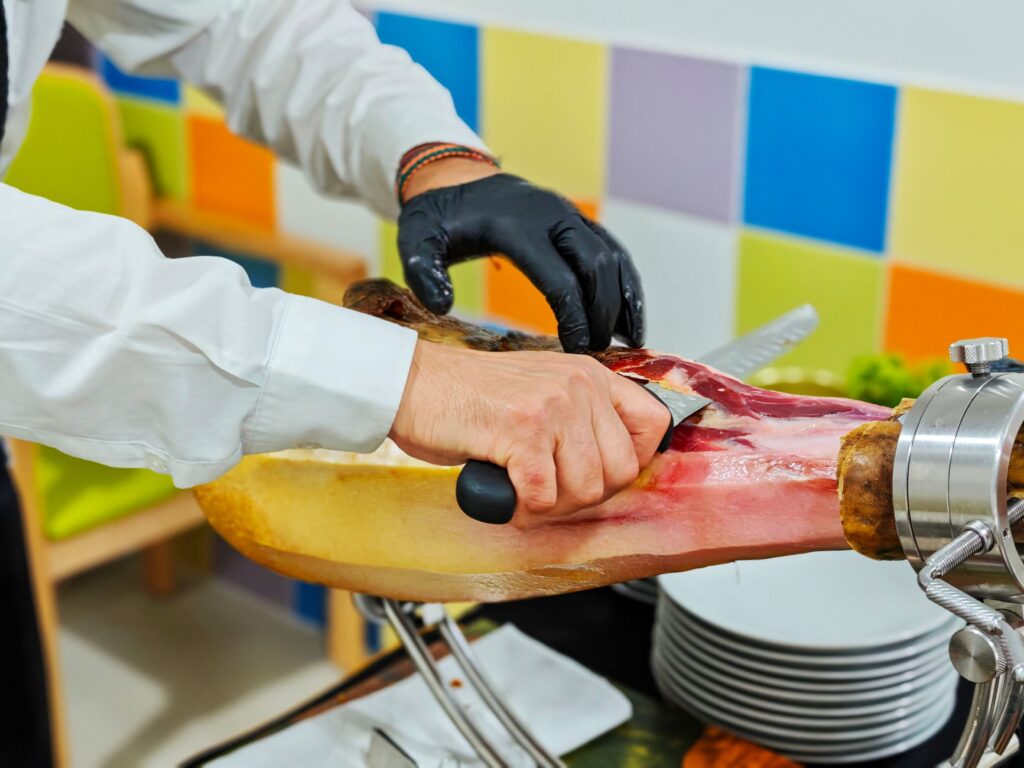
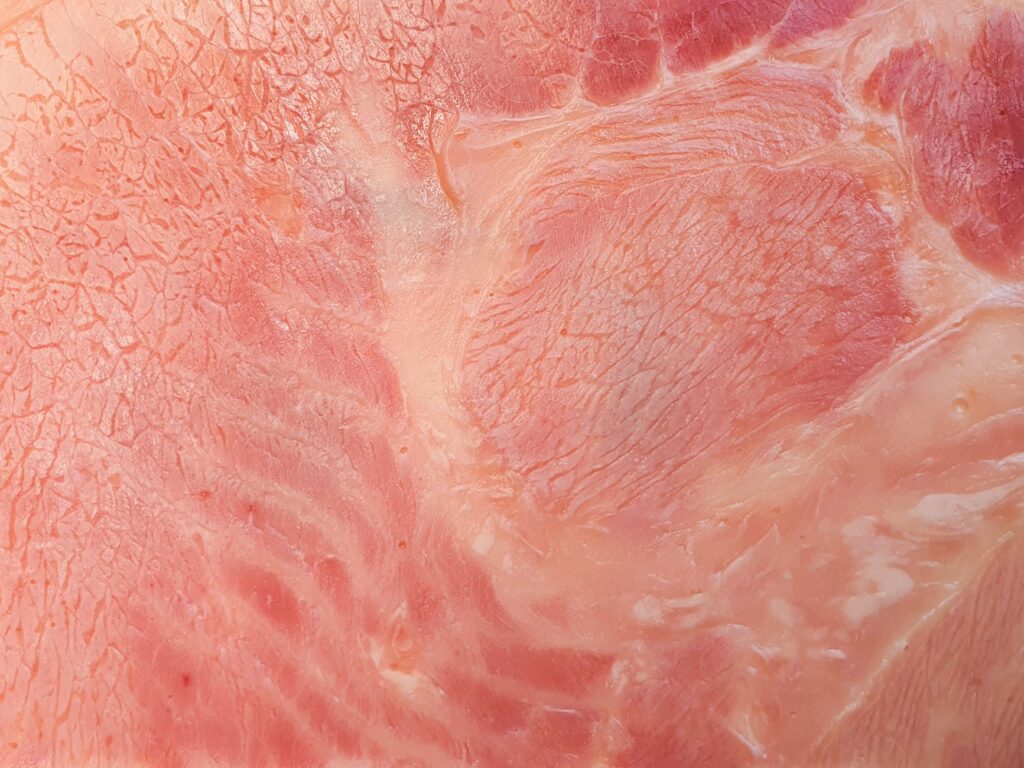
Serving a Jabugo ham at the table requires as much technical skill as aesthetic sensitivity. The professional carver is not a mere operator, but an interpreter who must understand the anatomy of the piece to extract slices balancing infiltrated fat and cured muscle. The carving knife, long, flexible, and razor-sharp, glides across the surface of the ham with fluid motions, pursuing a nearly translucent thickness that allows it to melt instantly on the palate.
Serving temperature is another critical factor frequently overlooked in conventional commercial circuits. A slice of acorn-fed Iberian ham should always be consumed at room temperature—around twenty-one to twenty-two degrees Celsius—when unsaturated fatty acids reach their optimal melting point. Served too cold, the product loses its subtlest aromatic nuances; exposed to excessive heat, it forfeits its firm texture and resistance to the first bite. The perfect cut is a dance between physics and gustatory memory.
Practical Information for Travelers and Food Lovers
Visiting the Jabugo region requires planning to maximize both cultural and gastronomic experiences. The route primarily runs through municipalities within the Sierra de Aracena and Picos de Aroche Natural Park, accessible by car from Seville or Huelva via the N-435 highway. Booking guided tours of historic cellars months in advance is strongly advised, as capacity in traditional bodegas is strictly limited to protect optimal environmental curing conditions.
Beyond cellar tours and dehesa walks, the area features a network of marked trails winding through chestnut forests and centennial oaks. Local dining options range from traditional taverns serving hand-carved products to contemporary restaurants interpreting mountain recipes with avant-garde techniques. Purchasing products directly from establishments operating under the Jabugo Protected Designation of Origin ensures compliance with strict traceability and racial purity standards.
Epilogue: The Persistent Memory of the Palate
Leaving the summits of the Sierra de Aracena and turning away from the centennial walls of the cellars leaves one certain that true contemporary luxury does not lie in material ostentation, but in preserving natural rhythms and respecting ancestral trades. Jabugo ham, understood in its deepest dimension, is not merely an animal food product, but the edible synthesis of a landscape, a climate, and a human community refusing to lose its identity amid mass production. Each slice consumed with deliberation is a tribute to patience and a victory against oblivion.