The Persistence of Parchment in the Data Age
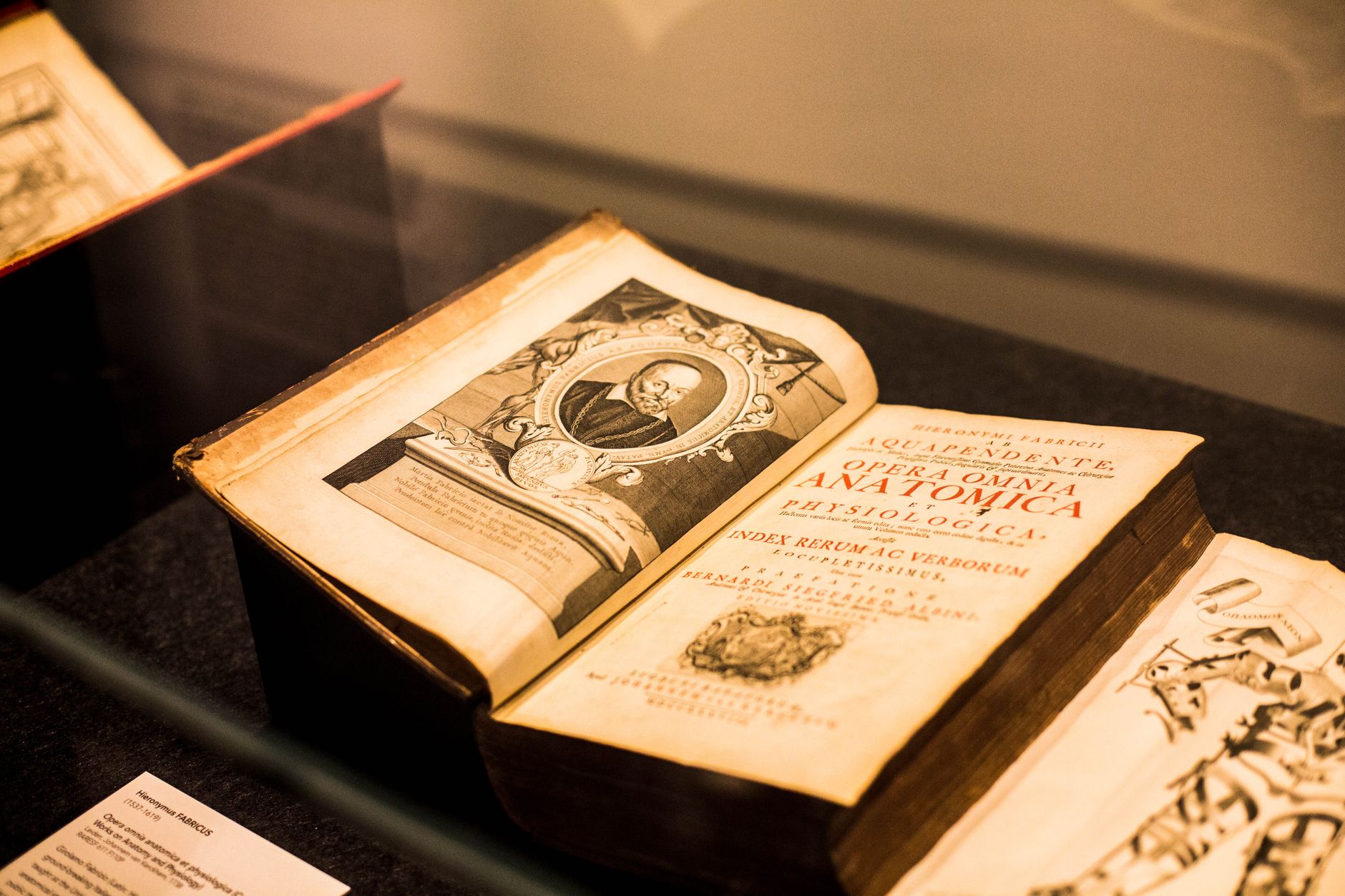
In the quiet heart of Oxford, where the stone walls of Headington and cobblestone alleys exude centuries of scholarship, a craft survives that defies digital obsolescence. Far from the screens and server farms storing contemporary knowledge, the bookbinding workshops of the University of Oxford continue to work with a material as old as Western civilization: parchment. This animal skin, processed through mechanical cleaning, lime baths, and intense tensioning on wooden frames, represents the pinnacle of bibliographical durability. While wood-pulp paper acidifies and disintegrates within decades, medieval manuscripts bound in vellum remain legible and flexible after eight hundred years of history.
The renaissance of this craft is not driven by romantic nostalgia, but by an imperative technical necessity. The Bodleian Libraries and college archives house invaluable collections requiring conservation interventions so precise that no industrial process can replicate them. The city’s master binders are not mere restorers; they act as material archaeologists capable of decoding structural decisions made by anonymous artisans in the thirteenth century. Every fold, stitch, and leather-lined wooden board demands a deep understanding of organic chemistry and the physics of natural materials.
The Alchemy of the Workshop: Preparing and Tensioning Vellum
Crossing the threshold of a traditional bookbinding workshop in Oxford is stepping into an environment where time operates under different rules. The scent of vegetable-tanned leather, beeswax, and fish glue permeates the air. In the center of the room, large wooden frames hold calf or goat skins undergoing the drying process. Obtaining vellum is a brutal yet delicate operation. After slaughter, the skin is immersed in a saturated solution of slaked lime to loosen the hair, which is subsequently scraped away using a blunt, curved steel blade known as a lunellum.
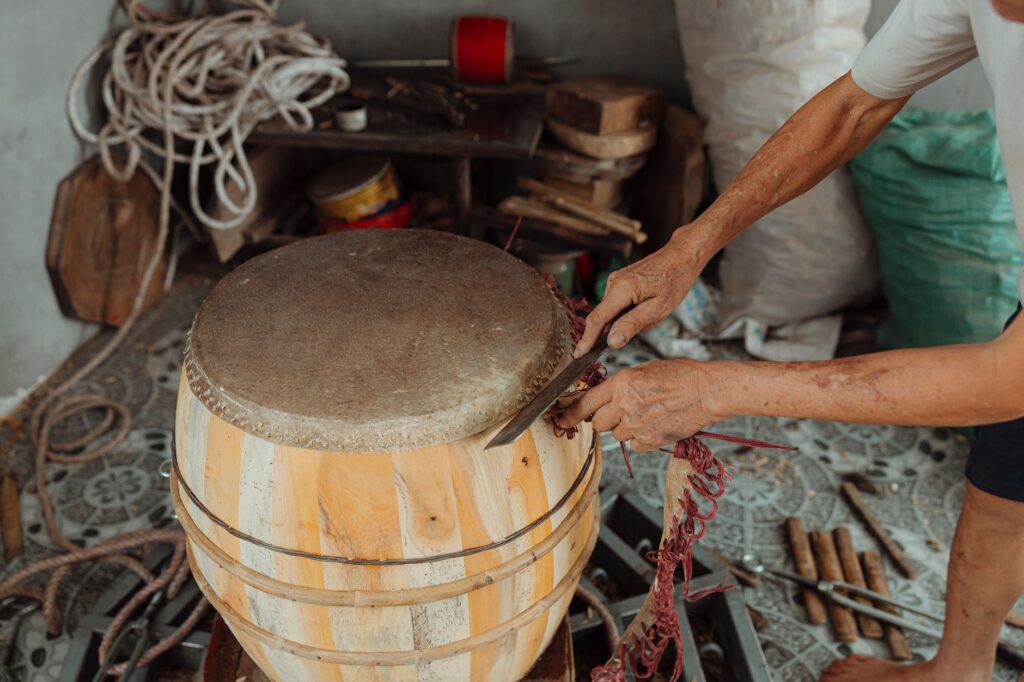
Once free of grease and biological residue, the skin is mounted onto the tension frame. The artisan stretches it patiently day after day, beating and scraping it with pumice stone to reduce its thickness and homogenize its surface. This step is crucial: if the vellum is left too thick, it will prove inflexible for sewing; if thinned excessively, it loses structural integrity. These studios employ no synthetic products; adhesives are cooked from wheat starch or pure animal gelatin, ensuring that any future intervention remains completely reversible without harming the original substrate.
Anatomy of an Ancient Book: Sewing on Parchment Ribs
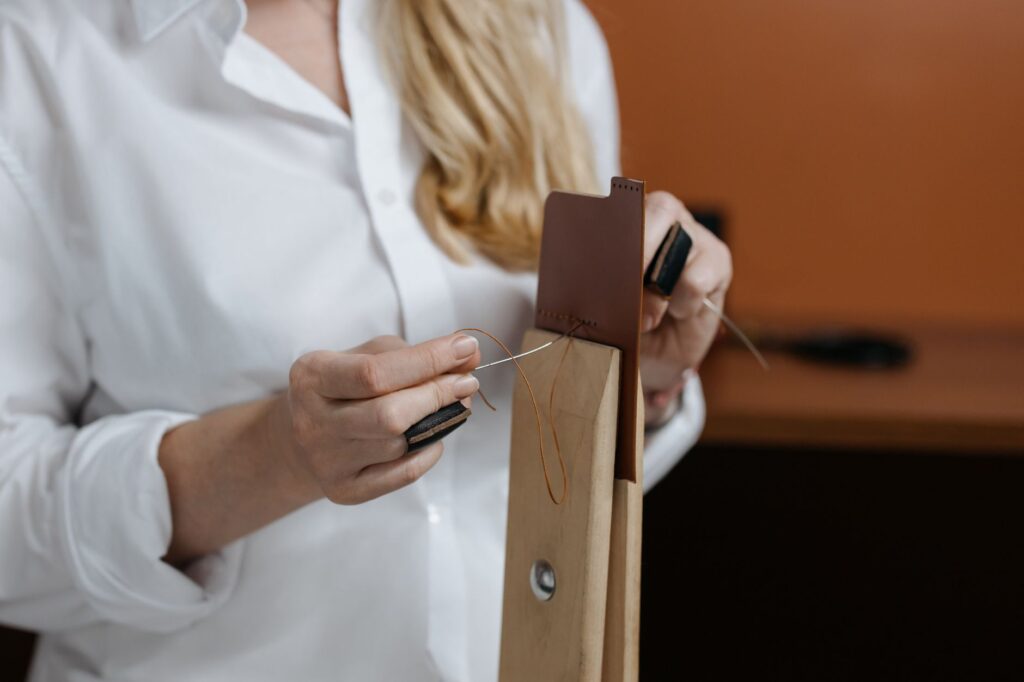
The core of historical bookbinding lies in its support structure. Unlike modern industrial books whose signatures are milled and glued with hot-melt polyurethane adhesives, traditional volumes are sewn by hand, sheet by sheet or signature by signature. Oxford’s masters use hemp cords or parchment strips cut from the leftover margins of previous skins. Each stitch demands exact tension; thread that is too tight will cut through the surrounding paper or vellum over centuries, while loose thread causes the text block to warp.
Sewing is performed on a vertical sewing frame, a tool that has scarcely changed since the fifteenth century. The artisan passes waxed linen thread through the spines of the signatures, binding them firmly to transverse support cords. This system allows the book, when opened, to lie completely flat on the reading table without straining the spine or breaking the threads. It is invisible engineering that prioritizes ergonomics and longevity over production speed.
Parchment binding does not seek to embellish text through artifice, but to provide an organic armor capable of conversing with the centuries.
The use of corner reinforcements and hand-sewn headbands with contrasting colored threads complete a structure designed to withstand constant handling. In university libraries, where volumes are consulted by researchers from around the globe, these structural solutions ensure that the written heritage continues to fulfill its primary function: to be read without destruction.

Wood and Metal: Boards That Defy Time
When discussing medieval and Renaissance bindings, the protective element par excellence is the wooden board. Prior to the widespread adoption of pressed paperboard in the nineteenth century, books were dressed with oak, beech, or pine panels carefully hand-planed to thicknesses under one centimeter. These boards are fitted to the text block using beveled channels that allow clean opening. In Oxford’s modern workshops, selecting wood requires stable timber seasoned for years in controlled environments to prevent future warping caused by ambient humidity.
Once carved and fitted, the vellum or leather is lightly dampened to become malleable and is adhered to the boards using cast-iron spindle presses. Edges are folded over with millimetric precision at the corners, a critical point where the binder’s skill is ruthlessly tested. To protect the covers from wear on reading tables, brass or bronze cornerpieces and clasps are cast and chased following iconographic patterns documented in historical catalogues.
Restoration as an Ethical Dialogue
Daily work in these studios rarely involves creating new books; most time is dedicated to conserving volumes damaged by fire, humidity, wood-boring insects, or heavy use. The deontological code of the modern restorer is strict: every intervention must be recognizable and minimally invasive. Every millimeter of the original condition is photographically documented before applying chemical cleaning or fiber consolidation treatments.
When a manuscript exhibits loss of support in its parchment leaves, workshops use historically compatible vellum grafts. Skins sharing similar thickness, color, and fiber direction are selected, with the edges of the graft beveled so they fit seamlessly into the void of the original document. Adhesives are applied with tiny marten-hair brushes, ensuring the joint withstands mechanical stresses without creating localized rigidity. This delicate balance between historical respect and functional utility turns restoration into a discipline bridging forensic science and fine arts.
Tools and Heritage: The Legacy of Iron Tooling
The toolsets in an Oxford bookbinding workshop tell stories parallel to the books they repair. Entire shelving units hold drawers filled with small bronze and brass tooling stamps mounted on turned wooden handles. These are the finishing tools used to impress blind-tooled or gold-leaf titles, coats of arms, and ornamental frets onto spines and covers. Many of these stamps were hand-engraved in the nineteenth century; others are faithful reproductions of medieval tools recovered from old monastic inventories.
Hot tooling requires absolute mastery of temperature and pressure. The artisan heats the stamp on an electric or gas stove, calculates the precise evaporation point of moisture on the leather or vellum surface, and strikes the impression with a single, firm blow. A second of hesitation will burn the skin irreversibly; a second of anticipation leaves a blurred, imprecise mark. This muscle memory, passed down from master to apprentice over decades, constitutes the true intangible heritage keeping university workshops alive.

Practical Information for the Cultural Traveler in Oxford
Exploring the world of historical bookbinding and bibliographical conservation in Oxford requires planning, as most professional workshops operate within academic institutions or private studios with restricted access. However, the city offers excellent opportunities for travelers interested in antiquarian books and traditional graphic arts.
How to get there: Oxford is just a one-hour train ride from London’s Paddington or Marylebone stations, with frequent departures operated by Chiltern Railways and Great Western Railway. From Oxford central station, the historic center and main libraries are easily reachable on foot within a fifteen-minute walk.
Essential institutions: The Bodleian Libraries regularly organize temporary exhibitions on the history of the book and illuminated manuscripts at the Weston Library (Broad Street), frequently displaying magnificent examples of historical bindings. Although internal conservation workshops are not open to the general public due to document security protocols, the library offers specialized guided tours addressing the materiality of the book.
Workshops and antiquarian bookstores: Streets like Broad Street and Turl Street host internationally renowned antiquarian bookshops such as Sanders of Oxford and Blackwell’s Rare Books, where visitors can closely examine original bindings from the sixteenth to the eighteenth centuries. For those wishing to deepen their practice, independent artisans in the outskirts occasionally offer intensive weekend courses on historical sewing and vellum preparation by advance reservation months ahead.
Accommodation and visiting season: For a complete immersion, staying in historic central hotels like the Old Bank Hotel or college rooms available during university vacation periods (Easter and Summer Vacations) is highly recommended. Autumn and winter months are ideal for enjoying the tranquil atmosphere of the libraries and avoiding summer tourist crowds.
Visual Closure and Future Memory
As dusk falls over Oxford, golden light strikes obliquely across the university’s gothic windows, casting elongated rows of shadows over centuries-old leather-bound volumes. Inside the workshops, articulated arm lamps illuminate the patient hands of binders smoothing linen threads and measuring the exact tension of vellum. In a world obsessed with immediacy and planned obsolescence, these spaces act as sanctuaries of slowness and material rigor.
The survival of traditional parchment bookbinding proves that certain human technologies, once reaching their optimal point of functional and aesthetic maturity, need not be replaced, but rather understood and protected. Every book restored in these workshops is not merely an object of the past rescued from oblivion, but a physical promise launched into the future, a tangible reminder that written culture has always depended—and will continue to depend—upon human care and the resilience of noble materials.