
Introduction to the Atlantic Colossus
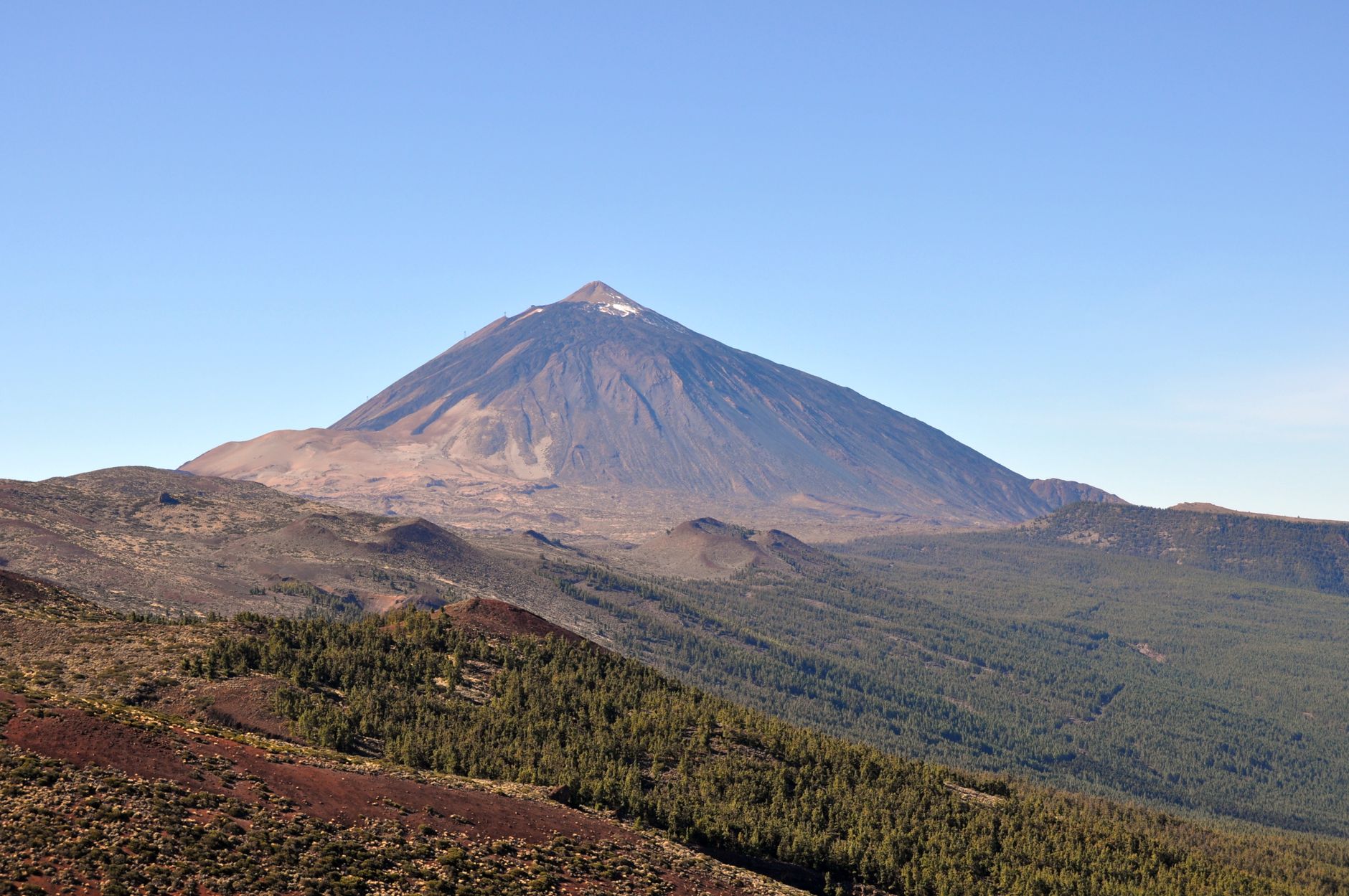
Teide National Park, situated in the heart of Tenerife, represents one of the most fascinating and singular geological landscapes on the planet. Designated a UNESCO World Heritage Site in 2007, this protected area is not merely a mountain summit, but the cumulative result of complex volcanic processes extending from the depths of the Atlantic Ocean to an altitude of 3,718 meters. The silhouette of Mount Teide dominates an archipelago characterized by its abrupt geography, yet it is within this amphitheater of lava flows, calderas, and rock formations where science and landscape converge to narrate the geological history of Macaronesia.
Understanding Teide requires abandoning conventional notions of alpine high mountains. Here, winter snow and surface ice coexist with trachytic chimneys, whitish pumice, and extensive seas of recent lava. The central question guiding geologists, biologists, and park managers is how such an extreme ecosystem—marked by relentless solar radiation, severe diurnal temperature ranges, and marked water scarcity—has managed to harbor one of the highest rates of botanical and zoological endemism in Europe. The answer lies in millions of years of insular isolation and exceptional evolutionary resilience.
The Geological Genesis of an Ancient Caldera
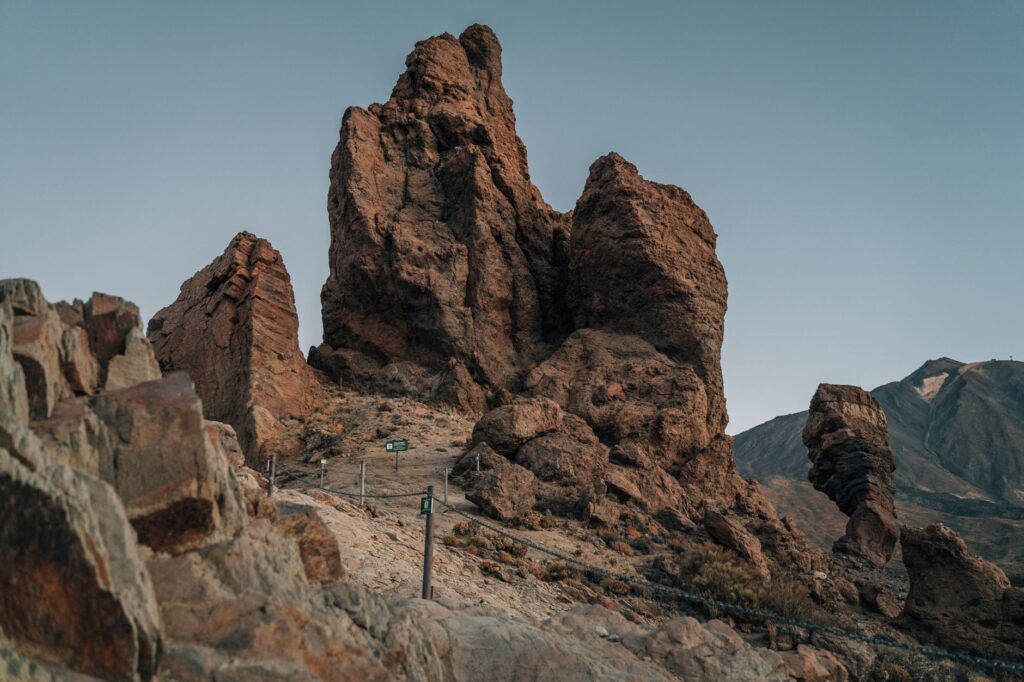
The formation of the Teide-Pico Viejo volcanic complex is the result of active and dynamic volcanism that began approximately between 170,000 and 200,000 years ago, following the gravitational collapse of a previous volcanic edifice of colossal dimensions. This cataclysmic event gave rise to the Cañadas del Teide caldera, measuring roughly sixteen kilometers in diameter, which today serves as the floor upon which the current volcanic cones rise. Successive eruptions have alternated effusive episodes of fluid basaltic lavas with explosive eruptions of more acidic, silica-rich magmas, producing formations as characteristic as the Roques de García.
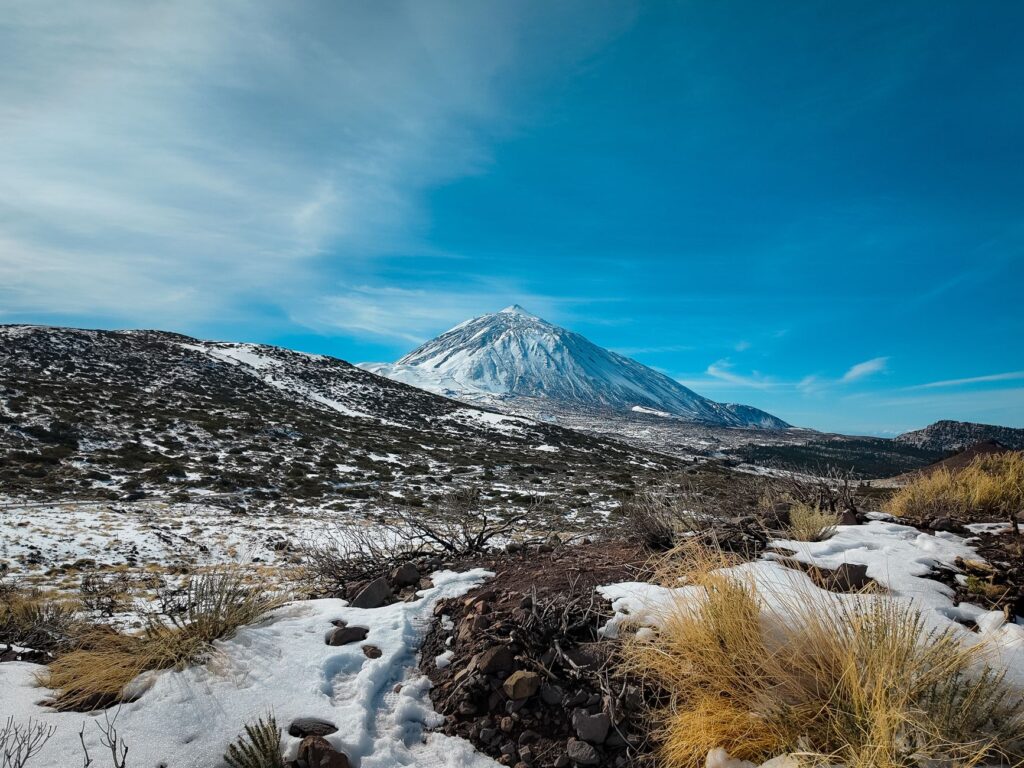
Geologists use this natural laboratory to study the dynamics of insular alkaline magmas. Unlike continental systems associated with classical plate tectonics, Canarian volcanism responds to the hypothesis of a deep thermal plume or hotspot interacting with the expanding oceanic crust. This phenomenon grants Teide a very particular mineralogical chemistry, where phenocrysts of olivine, pyroxenes, and feldspars recount the history of magma chambers in constant evolution. Recent lava flows, such as Las Lajas or Narices del Teide, exhibit pahoehoe and aa surface textures, allowing researchers to track magma temperature and degassing velocity in real-time.
Teide is not a static monument of stone, but a dynamic system in permanent dialogue with the depths of the Earth, where each mineral stratum documents a pulse of the Atlantic mantle.
Botany of the Extremes: Resistance in the High Atmosphere
Above 2,000 meters of altitude, Teide National Park constitutes the oro-Atlantic bioclimatic belt, an environment where plant survival depends on extraordinary morphological and physiological adaptations. Intense ultraviolet radiation, hurricane-force winds, and frequent winter night frosts generate environmental stress comparable to that of major continental mountain ranges, compounded by the factor of insularity. In this challenging scenario, exclusive botanical taxa thrive that exist nowhere else on Earth, making the park a sanctuary of plant biodiversity.
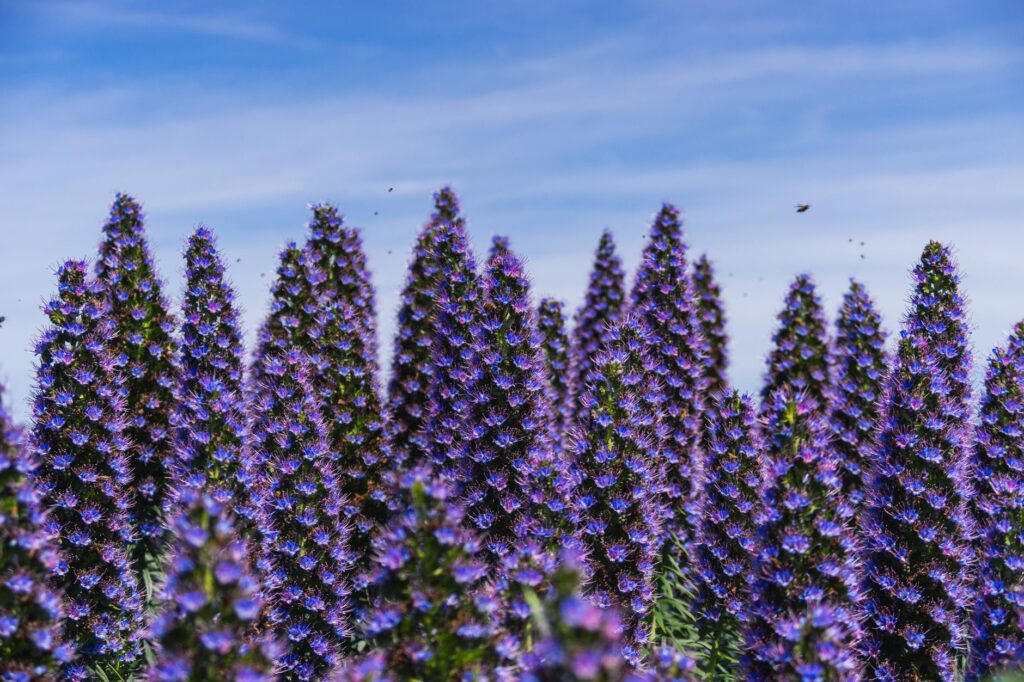
Among the most notable examples is Erysimum scoparium, popularly known as the Teide wallflower, and the emblematic Echium wildpretii, or red bugloss. The latter species is a marvel of insular botany: during its life cycle, which can last several years as a basal rosette, it accumulates nutrient reserves before emerging into a conical inflorescence exceeding two meters in height, dyeing the volcanic slopes intense red during spring. These plants have developed deep root systems to anchor in loose pumice and coriaceous or pubescent leaves that minimize transpiration and protect tissues from severe solar damage.
Invertebrate Fauna and Unique Vertebrates
If flora surprises with its adaptive capacity, the park’s fauna displays an equally remarkable degree of specialization, particularly among arthropods. Geographic isolation has favored speciation in highly constrained ecological niches. Beneath the pumice stones and within crevices of basaltic flows inhabit numerous endemic species of beetles, spiders, and hymenopterans, many of them apterous due to the selective pressure of strong high-altitude winds, which would otherwise sweep flying insects away from the island.
Regarding vertebrates, the park hosts bird species as singular as the Teide blue chaffinch (**Fringilla teydea**), a forest bird closely linked to Canary pine forests that seasonally ascends to the high-altitude shrublands in search of seeds. Likewise, reptiles find an ideal habitat in the volcanic substrate: the Tenerife lizard (**Gallotia galloti**) and the blue tit complement an austere trophic chain perfectly synchronized with the climatic cycles of the Atlantic high mountains.
Climate and Thermal Inversion: The Sea of Clouds
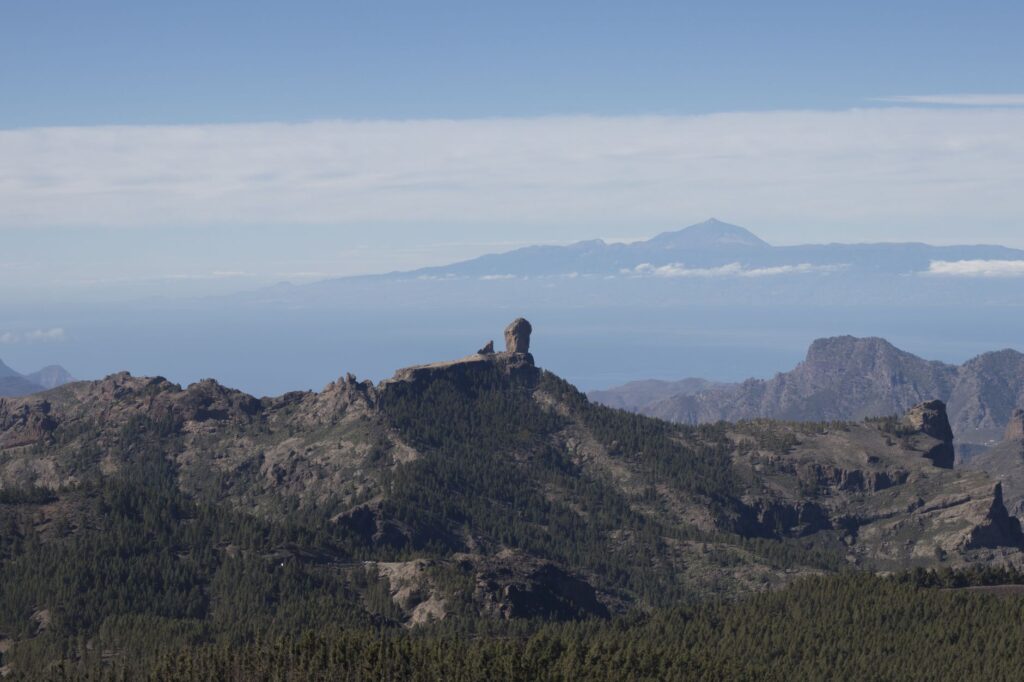
One of the most striking meteorological phenomena determining the ecology of Teide National Park is the frequent presence of the sea of clouds. This phenomenon originates from the action of trade winds blowing from the northeast courtesy of the Azores high-pressure system. These winds push humid, cool air masses across the Atlantic Ocean, which upon colliding with Tenerife’s mountain slopes condense at mid-altitudes, forming a dense cloud layer typically located between 600 and 1,500 meters of altitude.
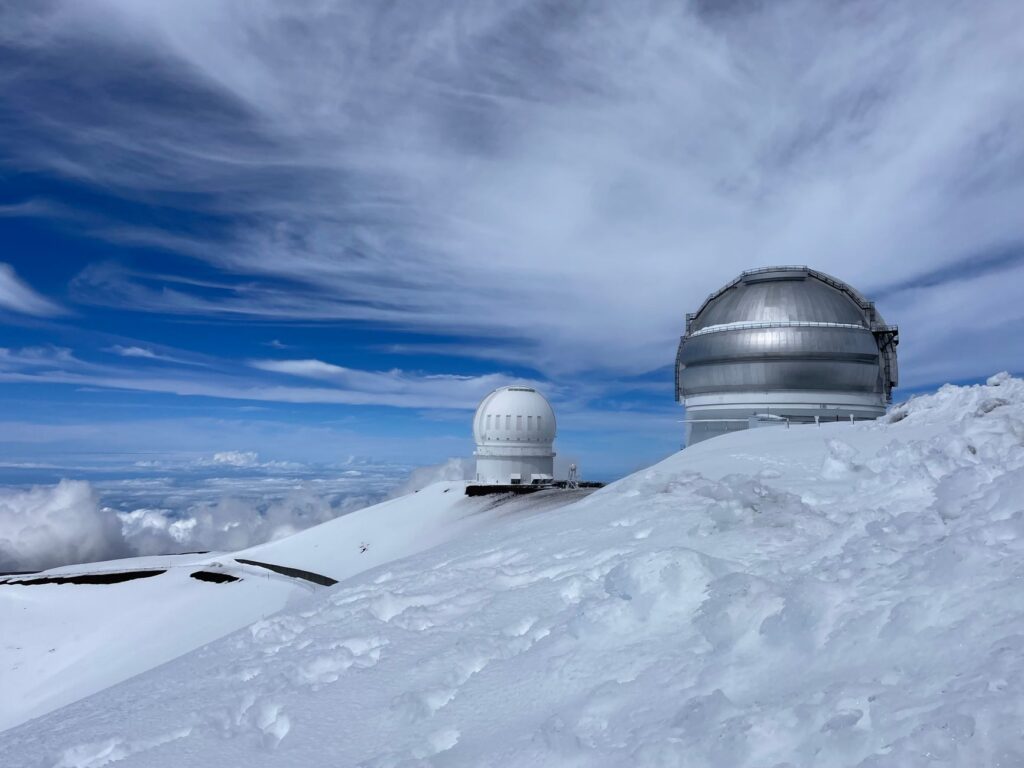
For visitors and scientists ascending to the park, crossing this cloud stratum means emerging suddenly into a world of radiant sunlight, clear skies, and extreme atmospheric dryness. This thermal inversion acts as a natural ecological barrier, protecting the summits from constant marine moisture and generating an insolation regime unique in Europe. This exceptional atmospheric clarity has turned Teide into one of the most important astronomical enclaves in the Northern Hemisphere, hosting the Teide Astrophysical Observatory on its slopes, where solar physics and stellar cosmology are studied without significant light pollution.
Sustaining the Fragile Balance: Tourism and Environmental Management
The scenic and scientific appeal of Teide generates considerable anthropogenic pressure. With over four million annual visitors, the national park faces the monumental challenge of reconciling the right to public enjoyment with the strict preservation of its ecological and geological values. Transport infrastructure, massive vehicle transit along the cross-park road, and erosion along main trails pose a latent threat to fragile plant cover and volcanic soils.
To mitigate these impacts, the park’s administration has implemented rigorous use and management plans. Key measures include strict regulation of access to the peak via the Telesforo Bravo trail, requiring prior authorization, and the promotion of public transport to reduce the carbon footprint associated with mass tourism. Environmental education programs aim to raise visitor awareness regarding the fragility of the volcanic substrate, reminding travelers that stepping off designated trails can destroy mineral and plant structures in seconds that took decades to consolidate.
The contemporary challenge facing Teide National Park lies in transforming tourist curiosity into an active commitment to the scientific conservation of its volcanic landscapes.
Practical Information for the Rigorous Traveler
Planning a visit to Teide National Park requires rigor and preparation due to high-mountain conditions. Main access is via road from the north or south of Tenerife (TF-21 or TF-38). There are no inhabited settlements within the park, making self-sufficiency in water, technical clothing, and sun protection essential, regardless of the season.
Summit temperatures can drop below freezing during winter nights and register extreme solar insolation during midday hours in summer. Proper mountain footwear, certified UV-filter sunglasses, and high-spectrum sunscreen are mandatory. To access the final section leading to Teide’s crater via the cable car or walking trail, obtaining a free permit weeks in advance through the official central reservation system of the national parks autonomous body is indispensable.
Epilogue: The Watchtower of Geological Time
Teide National Park transcends the category of a conventional tourist destination; it functions as a privileged observatory of Earth’s history and insular vulnerability. Its lava ridges, tenacious flora adapted to wind and stone, and nocturnal skies devoid of light pollution remind the traveler of the magnitude of geological time and the urgency of protecting the fragile balances sustaining life at the planet’s extremes.