
Origins and Isolation of a Sacred Valley
The Nuria Valley, situated at nearly two thousand meters of altitude in the eastern Pyrenees of Girona, has represented for centuries a territory of difficult access, defined by the verticality of surrounding peaks and harsh winter weather. Until the inauguration of its railway line in 1931, the only way to reach this natural sanctuary was by walking winding bridle paths, exposed to avalanches and rockfalls. This geographical isolation forged a unique identity, where silence and disconnection from worldly noise were not a contemporary wellness trend, but a rigorous imposition of the physical environment.
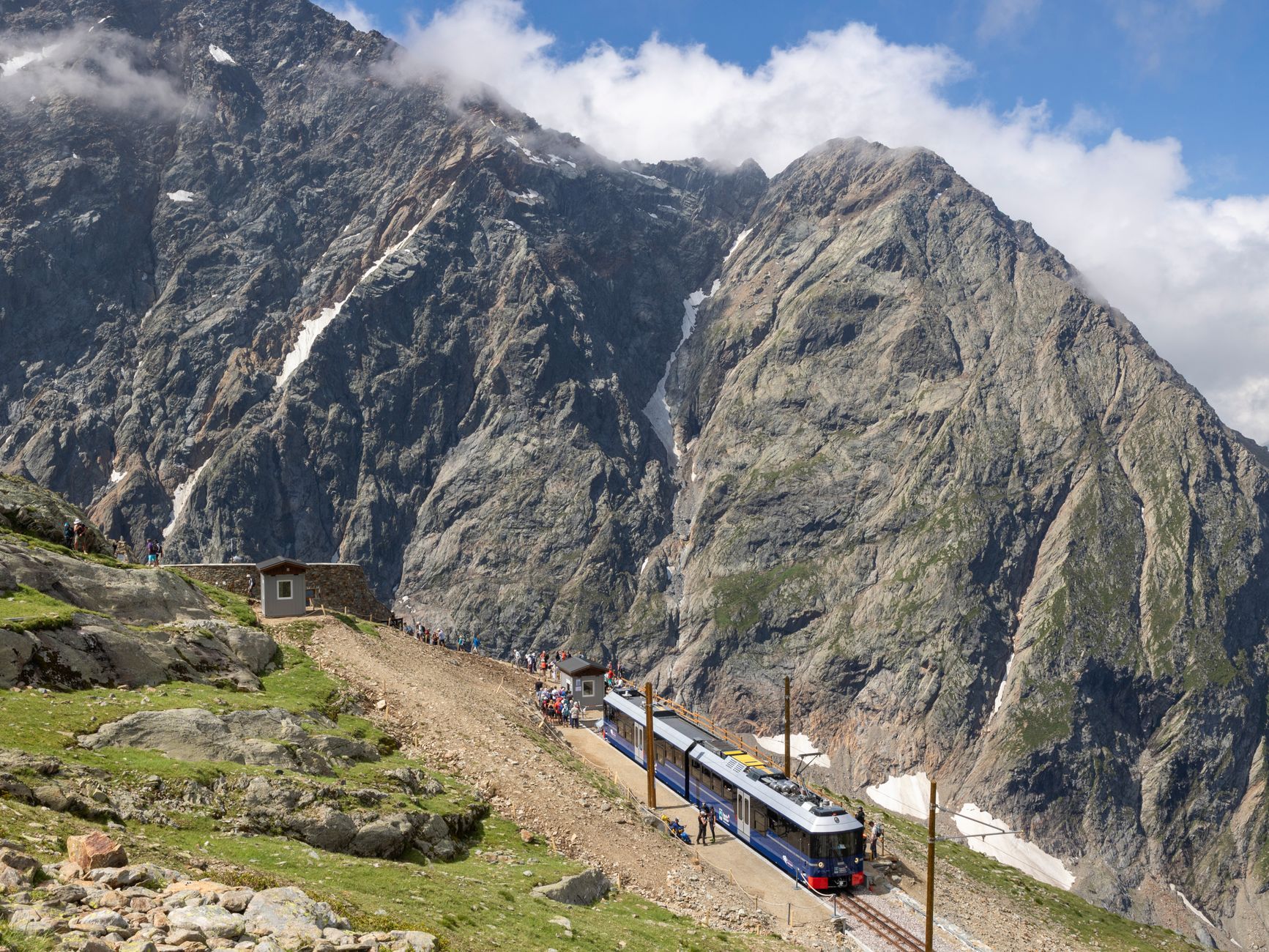
The construction of the rack railway was not merely a milestone in early 20th-century civil engineering, but an act of territorial transformation aimed at balancing human accessibility with the ecological fragility of the alpine ecosystem. By eliminating the reliance on high-mountain roads and discouraging private vehicle use, this rail route established a pioneering precedent for sustainable mobility in Spain. Today, stepping into its carriages is equivalent to initiating a process of progressive deceleration, where the metallic rattle over the rack bars sets the pace for a meditative transition into the heart of the valley.
The Invisible Architecture of the High-Mountain Track
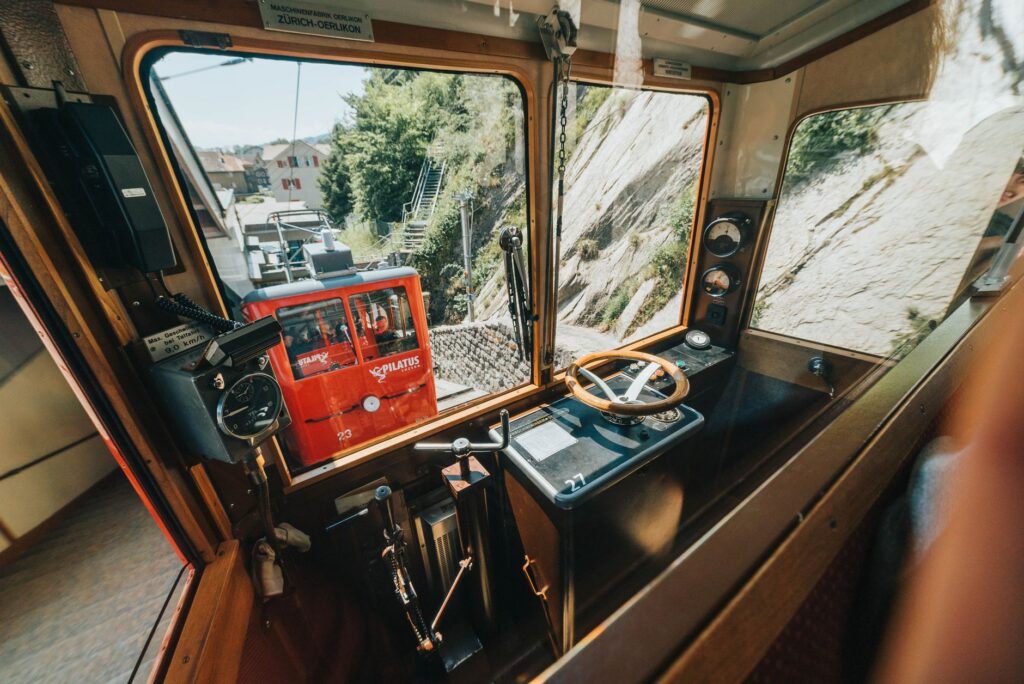
Overcoming an elevation gain of over one thousand meters across just twelve kilometers requires exceptional technical infrastructure. The rack system used, based on the Abt model, couples a cogwheel on the locomotive to a central toothed bar placed between the two running rails, guaranteeing traction on slopes reaching fifteen percent. This mechanical arrangement prevents convoys from slipping during heavy snowfall or ice accumulation, making the line a reliable and perennial transport artery three hundred and sixty-five days a year.

Along the route, which departs from the station of Ribes de Freser and crosses the village of Queralbs, the railway infrastructure blends seamlessly with the terrain’s geology. Engineers of the era had to carve hand-hewn stone viaducts, bore tunnels through living rock, and design drainage systems to channel spring snowmelt without altering the beds of the streams feeding the Freser River. Each architectural element reflects a philosophy of absolute respect for the landscape, where artificial construction yields visual prominence to black pine forests and alpine grasslands.
The railway line is not a scar upon the mountain, but a guiding thread uniting civilization with the geological silence of the Pyrenees.
Chromatic Transition and Landscape as Therapy
As the convoy ascends, the plant landscape undergoes a radical transformation acting as a multisensory stimulus for passengers. The valley-floor meadows, characterized by cattle grazing and Atlantic brushwood, are left behind to gradually enter the subalpine and alpine domains. Oak and hazel groves give way first to firs and Scots pines, which in turn thin out to yield to alpine meadows devoid of tall trees, dominated by hardy grasses and endemic flowers like the iconic edelweiss.

This mutation of the natural environment generates a direct impact on the mental state of those undertaking the journey. Contemporary environmental psychology studies support the premise that continuous contemplation of natural chromatic gradients—from the intense greens of lower meadows to the stony grays and snowy whites of the peaks—drastically reduces cortisol levels and blood pressure. The rack railway thus acts as an emotional compression and decompression chamber, compelling travelers to abandon the breakneck pace of cities and synchronize their breathing with the rhythmic cadence of wheels on the track.
Queralbs: The Final Threshold of Stone and Slate
Before tackling the steepest stretch of the ascent, the train makes a strategic stop at Queralbs station, a village preserving its medieval structure of traditional Pyrenean architecture intact. Homes built with schist stone masonry, dark slate roofs, and south-facing noble wood balconies create a setting where time seems to have stood still. This enclave acts as the definitive threshold between the inhabited world of the valleys and the mystical isolation of the upper sanctuary.
Wandering through the cobblestone alleys of Queralbs in the hours before the first morning convoy reveals the deep historical symbiosis between its residents and the railway. In the past, shepherds and muleteers shared paths with early 19th-century romantic excursionists; today, local residents use the train both to provision essential goods and to maintain vibrant community traditions without suffering winter isolation. This functional integration ensures tourism retains a human face, far removed from massification and rooted in mutual respect.

The Sanctuary and the Mirror of Stagnant Water
The journey’s end opens abruptly with arrival at the Nuria esplanade, a glacial cirque surrounded by towering peaks such as Puigmal, Noufonts, and Torrenelles. At the center of this natural amphitheater stands the Marian sanctuary and hotel complex, a granite building that has sheltered pilgrims, skiers, and seekers of spiritual peace for generations. In front of the temple, an artificial lake of crystal-clear water mirrors the silhouette of the surrounding mountains, creating visual symmetry that deepens the sense of absolute stillness.
This body of water, fed by the cirque’s underground springs, fulfills a fundamental thermoregulatory and landscape function. Sitting on the wooden benches lining the shore, listening solely to the distant murmur of water and the wind whistling across rocky ridges, constitutes a practice of spontaneous mindfulness. Here, the artificial stimuli of technological modernity do not exist; limited mobile phone reception becomes an unexpected blessing facilitating digital detachment and reconnection with natural cycles of light and rest.
Engineering at the Service of Low-Emission Tourism
Facing current climate challenges and the need to decarbonize tourist travel, the Nuria rack railway stands as an international reference model in alpine mobility. The operating company has implemented rigorous energy efficiency protocols, utilizing 100% renewable electricity to power electric locomotives and optimizing operating schedules based on real demand to prevent unnecessary trips with empty cars. This environmental commitment extends to waste management and the protection of habitats for protected species like the Pyrenean chamois and the capercaillie.

Ensuring the survival of a fragile ecosystem does not require banning human access, but redesigning transport modes under strict criteria of sustainability and respect.
Furthermore, integrating the train ticket with access to ski facilities, hiking trails, and hospitality services fosters a circular economy model directly benefiting the municipalities of the Ribes Valley. Visitors realize that every euro invested in their ticket contributes to slope maintenance, wildfire prevention, and the conservation of traditional paths, closing a virtuous circle between environmental conservation and local socioeconomic development.
Practical guide
How to get there: The starting point of the rack railway is located at Ribes de Freser station (Girona), accessible by car via the N-152 road or via Renfe’s Rodalies line R3 from Barcelona. Railway transport from Barcelona is strongly recommended to maintain a zero carbon footprint throughout the journey.
Frequency and tickets: Convoys operate every day of the year with frequencies ranging between thirty and sixty minutes depending on the tourist season. Purchasing tickets in advance via the official website is mandatory to secure a seat, especially during summer weekends and ski season opening periods.
Equipment and weather: The weather in the Nuria Valley can change drastically within minutes due to its altitude (1,964 meters). Appropriate mountain footwear, windproof warm clothing even in summer months, and high-SPF sun protection are essential.
Accommodation and gastronomy: The Vall de Nuria Hotel offers rooms facing the lake and glacial cirque, ideal for overnight stays and enjoying nocturnal silence after daytime hikers depart. The culinary offer includes traditional Pyrenean dishes crafted from local products such as mountain pork cold cuts and artisanal cheeses from Ripollès.
Silence, Altitude, and Return to Inner Balance
When the afternoon’s last train embarks on its descent toward Queralbs, the Nuria esplanade regains its primal pulse. The shadows of the peaks lengthen across the lake’s surface, and absolute silence reclaims the glacial cirque, reminding the traveler that true luxury in the 21st century lies not in accumulating superfluous comforts, but in the capacity to stop time. The experience aboard this historic rack railway proves that human engineering, when aligned with respect for nature, can become the master key unlocking doors toward inner peace and reconciliation with the planet.