
The concept of family travel has undergone a profound metamorphosis over the last decade. What was once defined simply by the availability of kids’ clubs and oversized swimming pools is now measured through the lens of ecological responsibility, environmental respect, and long-term impact. Contemporary travelers no longer seek absolute comfort alone; they demand that their holiday destinations reflect an ethical commitment to the planet. In this landscape, luxury resorts in the United States and the Caribbean are leading a quiet revolution, proving that exclusivity and sustainability are not only compatible but mutually dependent for long-term survival.
This transition toward a regenerative hospitality model redefines the very meaning of exclusivity. It is no longer just about offering impeccable service, but about ensuring that every aspect of the stay, from internal transport to the sourcing of food, actively contributes to preserving the local ecosystem. For families, this translates into an unprecedented educational opportunity, where vacations become an open classroom on biodiversity, marine conservation, and the energy transition.
The new paradigm of family luxury: Sustainability without compromise
For a long time, there was a prejudice that sustainability required a sacrifice in comfort. However, high-end resorts in North America have demonstrated that technological innovation and intelligent design can actually elevate the guest experience. The implementation of state-of-the-art solar energy systems, smart water management, and the absolute elimination of single-use plastics are seamlessly integrated into daily operations. Families enjoy bioclimatically designed villas that maintain optimal temperatures naturally, drastically reducing dependence on energy-intensive air conditioning.
This holistic approach extends to how resorts interact with their host communities. Conservation projects are no longer isolated public relations initiatives; they are part of the core operational DNA of the hotels. By involving guests in these dynamics, a sense of co-responsibility is fostered, transforming leisure travel into a purposeful journey.
«True luxury today does not lie in what we consume, but in what we protect so that our children can experience it tomorrow.»
Electric mobility and conservation in the Caribbean islands
In the fragile island ecosystems of the Caribbean, transport and resource management present unique challenges. Pioneering resorts in the British Virgin Islands and along the coasts of St. Lucia have tackled this challenge by radically transforming their mobility infrastructure. Replacing internal combustion vehicles with fully electric transport fleets has reduced not only carbon emissions but also noise pollution, allowing the natural sounds of the environment to reclaim center stage.
In addition to electrifying golf carts and passenger shuttles, these resorts have implemented large-scale solar power generation. Photovoltaic microgrids not only power the tourist facilities but often feed surplus clean energy back into local community grids, mitigating the ecological footprint of the entire island and ensuring shared development benefits.
Hawaii and the active stewardship of the land: The spirit of ‘Mālama’
In the Hawaiian archipelago, sustainability is deeply rooted in the philosophy of Mālama—to care for, protect, and preserve. Luxury resorts in Maui and Kauai have integrated this principle into their family programs in a deeply organic way. Guests are not mere observers; they are invited to participate in the reforestation of native forests, the restoration of ancient fishponds, and the cleanup of protected beaches.
This commitment to the land is complemented by strict policies to protect marine life. Educational programs for children teach the importance of respecting coral reefs by using only reef-safe, biodegradable sunscreens, ensuring that future generations understand the delicate balance of marine life while enjoying their vacations in the Pacific.
Mountain sanctuaries: Decarbonization on American peaks
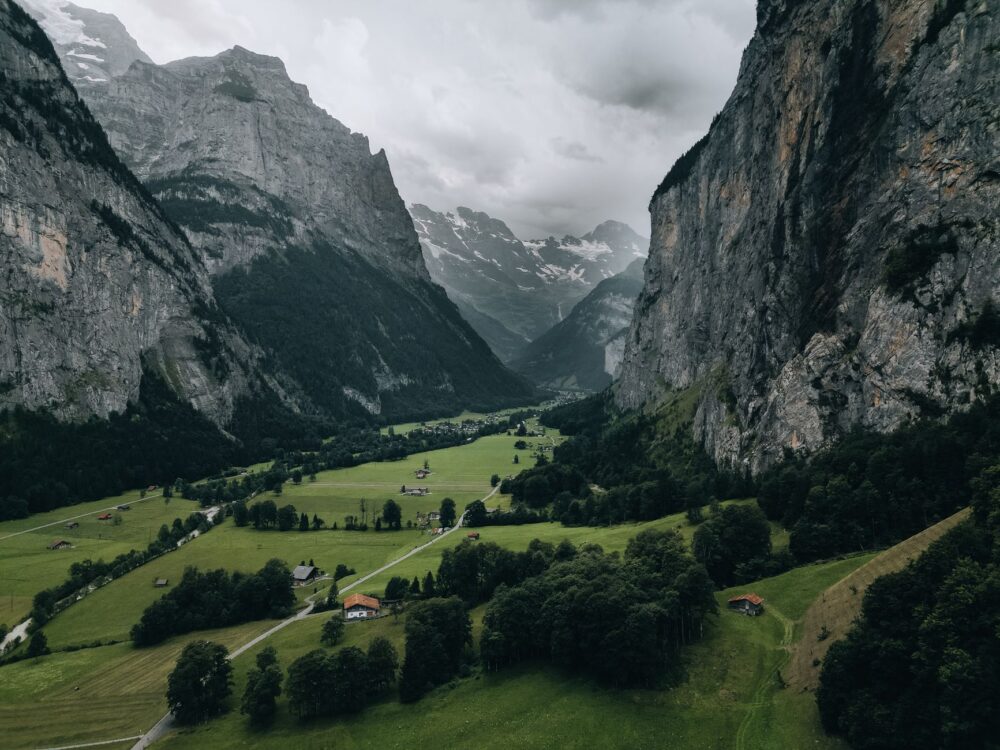
In mountain destinations across the United States, such as Aspen, Vail, and Jackson Hole, the climate crisis is a visible reality that directly threatens the viability of winter sports and the health of alpine forests. Luxury resorts in these regions have responded with ambitious carbon-neutrality plans. The architecture of these lodges utilizes certified sustainably sourced timber and high-efficiency geothermal heating systems that minimize energy consumption during the harshest winters.
Mobility in these areas has also been transformed. Resorts offer shared transit systems using electric and hybrid buses that connect residences with ski slopes and mountain trailheads, discouraging the use of private vehicles and reducing congestion and emissions in delicate alpine valleys.
From kids’ clubs to living biodiversity laboratories
Traditional kids’ clubs, once limited to playrooms and crafts, have been transformed into authentic nature interpretation centers. Leading sustainable resorts feature resident marine biologists, naturalists, and environmental engineers who guide young guests on tailored scientific expeditions. From monitoring sea turtle nests on Caribbean beaches to identifying native bird species in the forests of Colorado, activities are designed to spark a lifelong passion for science and conservation in children.
These hands-on experiences do more than just entertain; they generate a lasting impact. By learning firsthand about the effects of climate change and the importance of biodiversity, young travelers return home with a renewed ecological conscience and practical tools to apply in their own communities.
Regenerative architecture and the end of single-use plastics
The design of new family resorts is based on the principles of regenerative architecture, which seeks not only to minimize environmental damage but to actively restore the built environment. This translates into restoring local wetlands, planting endemic vegetation that requires minimal water, and creating biological corridors for local wildlife. The elimination of single-use plastics is now an unshakeable standard, replaced by high-tech water filtration systems in every suite and reusable aluminum bottles provided to all guests.
Even construction and decor materials are selected under circular economy criteria. Reclaimed wood, organic textiles free of harmful chemicals, and local crafts not only reduce the carbon footprint associated with transporting materials but also support the economy of local communities, bringing authenticity and character to the spaces.
«The transition to zero-emission mobility within resorts is not an aesthetic choice, but an operational imperative.»
Circular gastronomy: Feeding the future of new generations
The culinary experience at luxury family resorts has adopted the farm-to-table model with unprecedented rigor. Menus are designed around local harvest cycles and the availability of certified sustainable seafood. Many of these establishments feature their own organic gardens and apiaries, where children can harvest ingredients for their meals and learn about pollination and regenerative agriculture.
Food waste, one of the hospitality industry’s biggest challenges, is combated using closed-loop composting technologies that transform organic waste into nutrient-rich soil for the resort’s own gardens. In this way, the nutrient cycle is closed, and families are taught the value of a truly circular economy.
Practical guide to planning a sustainable family getaway
For families wishing to ensure that their next vacation meets the highest environmental standards, it is essential to consider the following aspects before booking:
- Recognized environmental certifications: Look for resorts with independent credentials of international prestige, such as EarthCheck, LEED, or Green Globe, which guarantee rigorous audits of their environmental practices.
- Green mobility policies: Check if the resort offers electric vehicle charging stations, complimentary bicycles for guests, and emission-free internal transport.
- Community conservation programs: Choose destinations that allocate a percentage of their revenue to local conservation foundations or allow guests to actively participate in environmental restoration tasks.
- Supply chain transparency: Resorts truly committed to sustainability regularly publish reports on their carbon footprint, water consumption, and local sourcing policies.
A legacy for future generations
The future of luxury family tourism is inextricably linked to the health of our planet. The resorts leading the way in sustainability and green mobility today are not just protecting the landscapes that make them attractive; they are redefining humanity’s relationship with the environment. By choosing destinations that prioritize ecological regeneration and environmental education, families not only enjoy an unforgettable vacation but also actively participate in building a cleaner, more equitable, and livable future for the generations to come.
Source: [Condé Nast Traveler](https://www.cntraveler.com/galleries/2016-06-21/the-20-best-luxury-kid-friendly-hotels-in-the-us-and-caribbean)