
Imperial origins and the vision of a trans-alpine corridor
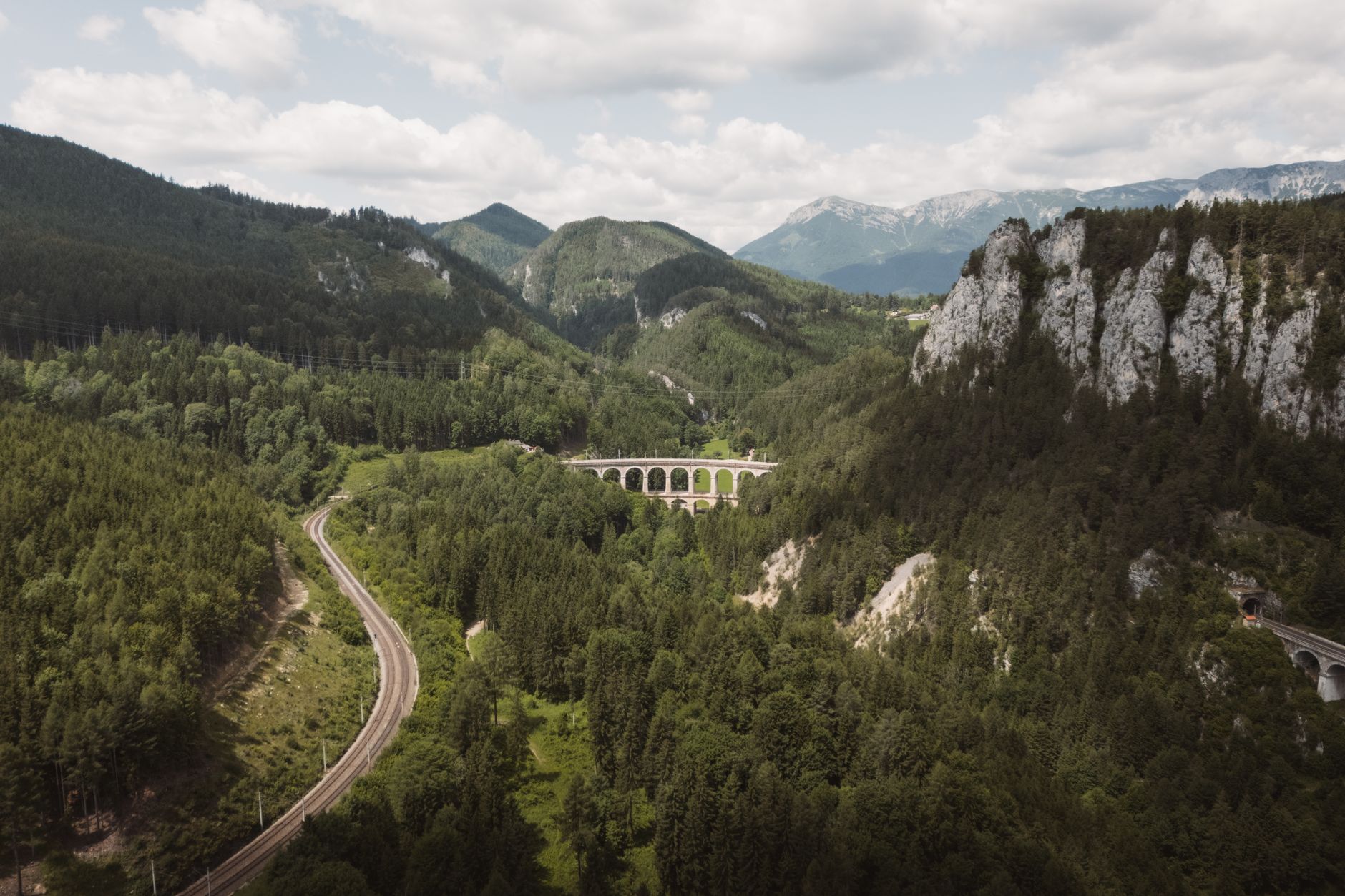
At the dawn of the twentieth century, the Austro-Hungarian Empire faced an inescapable geopolitical and economic urgency: connecting its primary maritime port of Trieste with the industrial heart of Vienna and the central provinces without relying on tortuous foreign routes. In this climate of engineering ambition and military strategy, the Bohinj line was born—a monumental layout conceived to defy the unrelenting geography of the Julian Alps. Engineers of the era set out to trace a route capable of overcoming overwhelming gradients, canyon-bound rivers, and snowy peaks through technical solutions unprecedented at the time. The result was a network of steel and stone that continues to operate today as a living testament to large-scale territorial planning.
The construction of this railway was not merely an exercise in freight transport, but a work of human and territorial integration. Slovenian valleys, historically isolated by impenetrable natural barriers, began to breathe to the rhythm of locomotive whistles. Alpine villages that depended exclusively on bridle paths and ox-drawn carts found themselves suddenly connected to a continental network for the circulation of ideas, people, and goods. This milestone transformed the region’s subsistence economy into an exchange economy, setting the social pace for entire communities that found in the train their primary umbilical cord to the rest of the European continent.
The monumental architecture of stone and steel
The technical core of the Bohinj line lies in its astonishing density of civil engineering artworks. Chief among them is the Bohinj Tunnel, an underground conduit stretching over six kilometers through the mountain’s core beneath the Vrh Bače pass. Piercing this geological mass required years of superhuman effort, battling constant streams of freezing water, gas pockets, and unforeseen collapses that claimed the lives of numerous workers from across the empire. The precision with which this tunnel was excavated, devoid of modern digital tools, continues to amaze contemporary engineers.

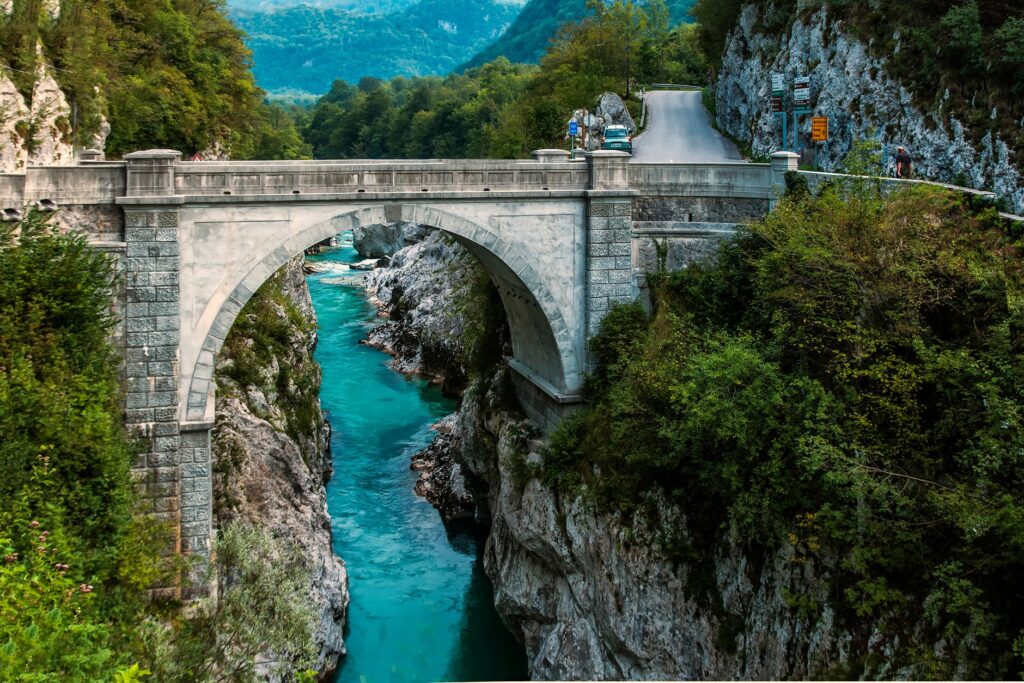
Exiting the tunnels, the train rushes over dizzying abysses, crossing legendary viaducts such as Solkan, whose finely dressed stone arch holds the world record for such a structure on a railway bridge. Each pillar and ashlar was placed with meticulous precision to withstand the assaults of catabatic winds descending from alpine summits. This infrastructure not only demonstrates the audacity of Austro-Hungarian design, but establishes an aesthetic and functional dialogue with the natural environment, integrating seamlessly into the river valleys without disrupting the grandeur of the limestone rock.
The ecological challenge and current multimodal integration
In the twenty-first century, the Bohinj line faces a completely different paradigm: the transition toward sustainable mobility capable of decongesting alpine highways from the heavy traffic of private vehicles and trucks. The integration of this rail corridor with local bus networks, alpine cycling routes, and car-shuttle services through the tunnels constitutes an advanced model of intermodality. Travelers can load their vehicles onto specialized stations to cross the cordillera in a matter of minutes, drastically reducing the carbon footprint associated with traversing mountain passes.
However, this green revival is not without operational and financial friction. Budgetary constraints for maintaining historic lines of high topographic complexity test the capacity of public administrations to upgrade signaling, electrify pending sections, and guarantee competitive frequencies against road transport. User associations and railway engineers constantly debate the necessary balance between preserving protected architectural heritage and the technological modernization indispensable for meeting the safety and speed standards of contemporary European rail transport.
The daily pulse: local communities and alpine mobility
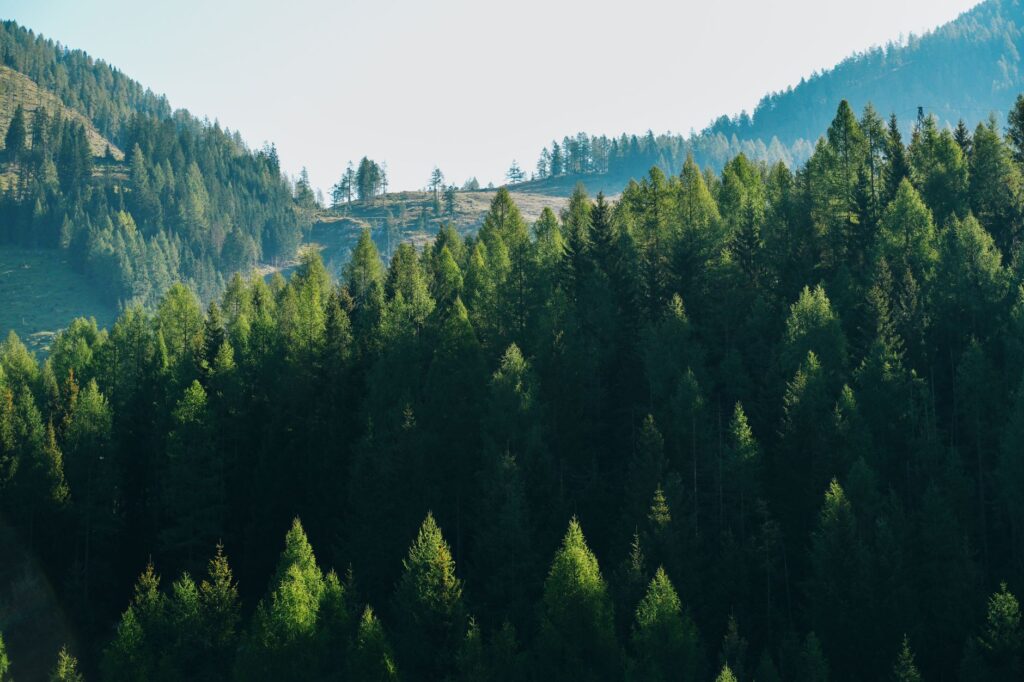
Beyond its logistical and historical value, the Bohinj Railway remains the daily pulse of the communities inhabiting the Sava and Soča valleys. Students, commuting workers, and small agricultural producers depend on these train formations to travel toward urban centers like Jesenice or Nova Gorica. The punctuality of the convoys, despite winter weather adversities—characterized by heavy snowfalls and avalanche risks—demonstrates the operational resilience of a system designed to withstand the most extreme conditions of the alpine ecosystem.
blockquote>The train in the Alps is not merely a means of transport; it is the social thermometer measuring valley vitality and ensuring the mountains do not become a depopulated theme park.
This steady flow of local passengers coexists increasingly with low-intensity tourism valuing the slow travel experience. Hikers and skiers use the train to access trailheads without burdening the fragile surrounding national park ecosystems. The coexistence between global travelers and local residents in the Bohinj line carriages generates a unique microcosm where oral traditions, local product exchange, and a territory-based understanding of mutual respect and human scale are preserved.
The Soča Valley: a historical scar turned peace corridor
The railway layout not only carves through nature, but travels over the memory of one of World War I’s bloodiest stages: the Isonzo Front. Passengers who today gaze at the turquoise waters of the Soča River from train windows travel through a landscape that witnessed devastating battles. Railway stations, originally fortified for military purposes, retain scars on their walls from an era when trains transported ammunition and troops to trenches carved into the living rock of the high mountains.

Today, this exact infrastructure fulfills a diametrically opposed function: fostering cross-border cooperation between Slovenia and Italy, uniting communities separated for decades by iron curtains and geopolitical tensions. The constant passage of regional trains crossing the border without stopping is the most eloquent symbol of European reconciliation. Joint cultural initiatives, everyday commercial exchange, and historical memory tourism demonstrate that past scars can be healed through open, efficient, and deeply human communication networks.
Meteorological geography: winds and high-mountain snow
Operating a railway line through the Julian Alps involves a permanent challenge to extreme weather. During winter months, winds known as the burja whip through gorges with hurricane-force gusts capable of destabilizing convoys and piling meters of snow onto tracks within hours. Railway maintenance crews must deploy exceptional operations, utilizing heavy snow-blowers and satellite monitoring systems to detect rockfalls caused by freeze-thaw cycles on vertical slopes.
blockquote>Alpine railway engineering is a constant exercise in humility before nature’s relentless force, where every kilometer of track demands constant, invisible vigilance.
These adverse weather conditions have driven the development of pioneering technical solutions in the region, ranging from reinforced concrete avalanche protection galleries to automated early-warning systems on unstable slopes. The reliability of rail service under these circumstances depends equally on rolling stock robustness and the accumulated experience of generations of railway workers who know every curve, tunnel, and critical kilometer of the route like the back of their hand.
Practical guide
How to get there
The main starting point for exploring the Bohinj line is Jesenice station, directly connected to Ljubljana and the international railway network coming from Austria. From the west, access is also possible from Gorizia or Nova Gorica, linking with the Italian rail system.
Ticket options and intermodality
It is recommended to purchase the integrated regional ticket through Slovenske železnice ticket counters or via their official app. Reduced weekend fares and specific options for passengers traveling with bicycles or wishing to use the car-shuttle service through the Bohinj Tunnel are available.
Best time to visit
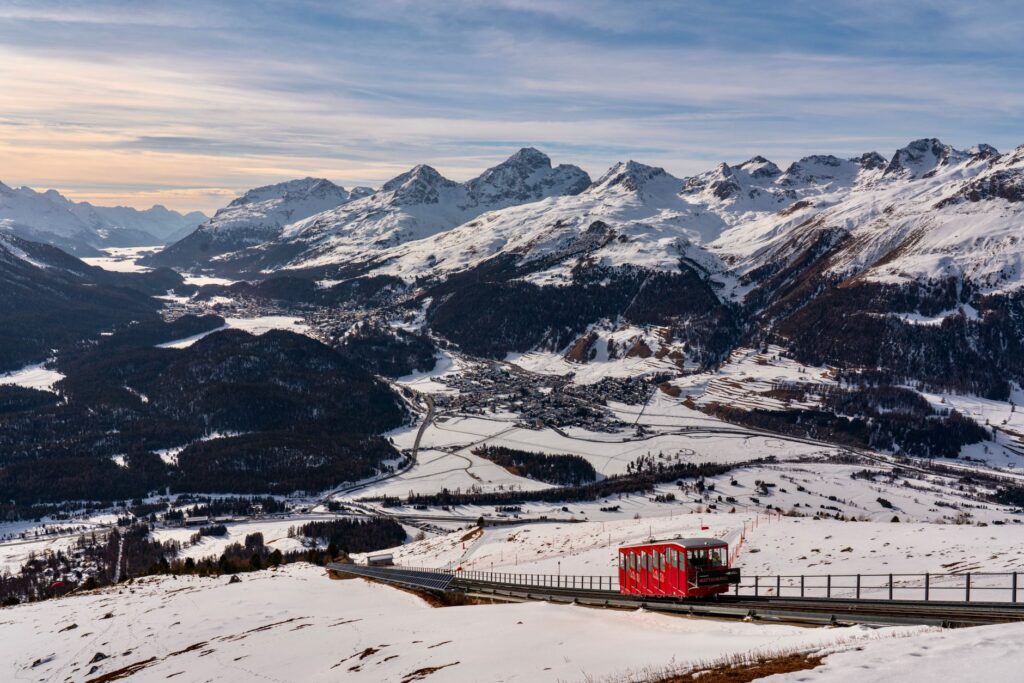
Late spring and autumn offer optimal conditions to enjoy the landscape with lower traveler density and moderate temperatures. Winter, though challenging weather-wise, offers exceptional snowy vistas and highly photogenic railway operations.
Recommended itinerary
The complete journey between Jesenice and Sežana takes approximately two and a half hours, winding through deep valleys and historic viaducts. Strategic stops are advised at Bohinjska Bistrica and Most na Soči stations to explore local trails and gastronomy on foot.
Silence on the rails: the emotional dusk of the alpine journey
As the sun begins to dip behind the sharp peaks of the Julian Alps, the day’s final convoy winds quietly along the river valley, casting golden glints across its windows. Inside the carriage, passenger murmurs soften as twilight reveals the towering mountain silhouettes outlined against a sky of violet and indigo hues. This moment of stillness encapsulates the true essence of rail travel through high mountain territories: a meditative pause where the traveler understands human smallness before geological immensity, cradled by the subtle warmth of moving steel. The dim lights of small villages emerging at the valley floor mark the end of a journey where time seems suspended, reminding us that the most beautiful paths are those taken slowly, respecting the secret heartbeat of the earth.