
The Traces of History Under the Roof of Africa
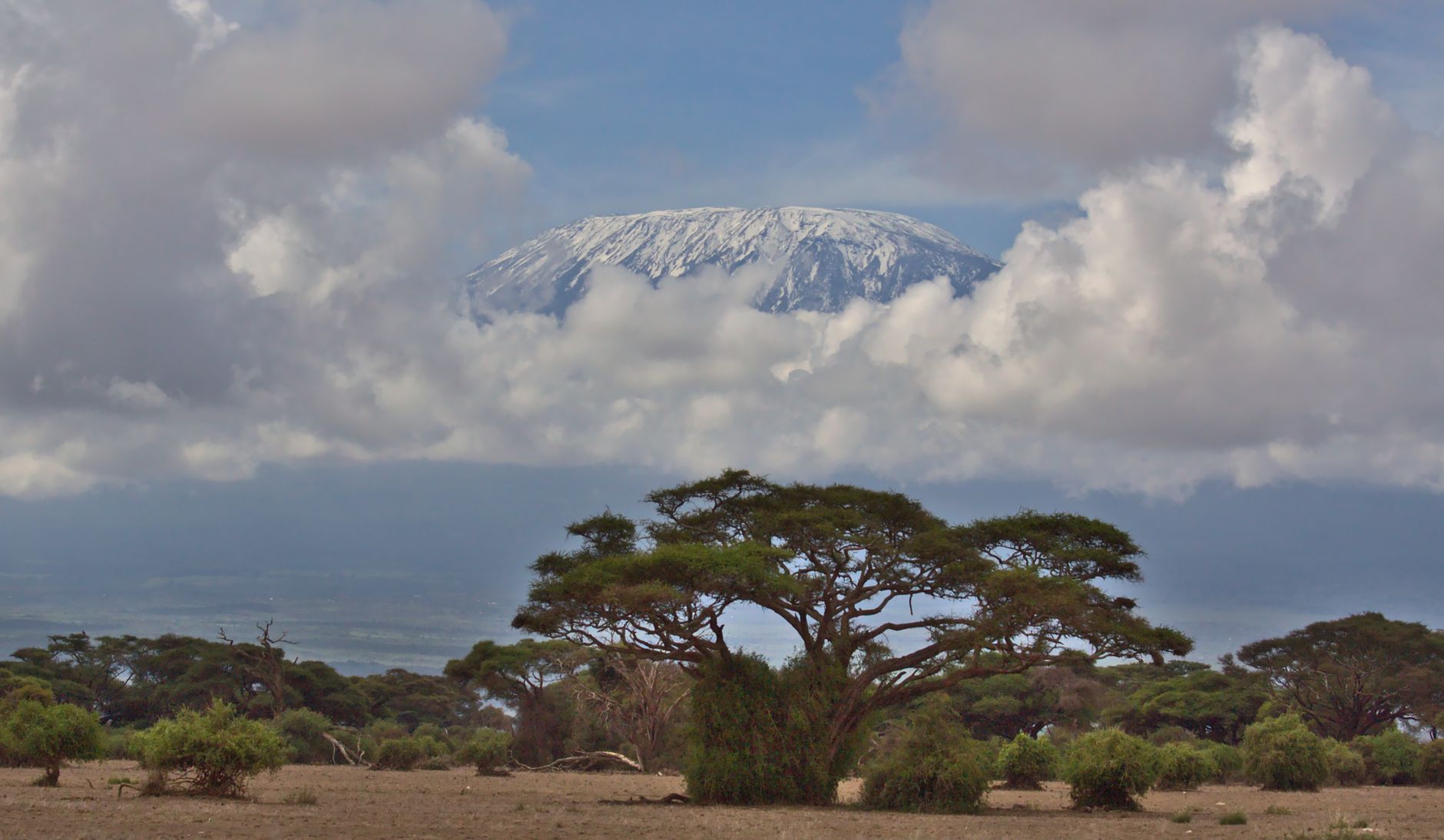
The horizon of southern and northern Tanzania has been dominated for over a century by the imposing profile of Mount Kilimanjaro, but for decades, the iron artery connecting the Indian Ocean coast to the northern highlands languished in neglect. The old colonial railway line, built at the dawn of the twentieth century, suffered the ravages of time, a lack of investment, and logistical wear that relegated rail transport to an almost nostalgic memory. Today, however, the metallic sound of wheels rolling over wooden ties resonates once more with strength in intermediate stations, marking the beginning of a profound transformation in East African mobility.
This revival is neither an aesthetic whim nor a mere cosmetic facade operation. The Tanzania Railways Corporation (TRC) has led a titanic rehabilitation effort over critical sections that had been inoperative for more than twenty years. The restoration of the meter-gauge line linking bustling Dar es Salaam with Moshi and Arusha represents much more than a civil engineering triumph; it is the restitution of a vital territorial cohesion route that relieves heavy cargo truck routes and offers a safe, economical, and predictable alternative for both local communities and international travelers seeking to understand the country’s true rhythm.
The Geography of Steel and Overcoming Terrain
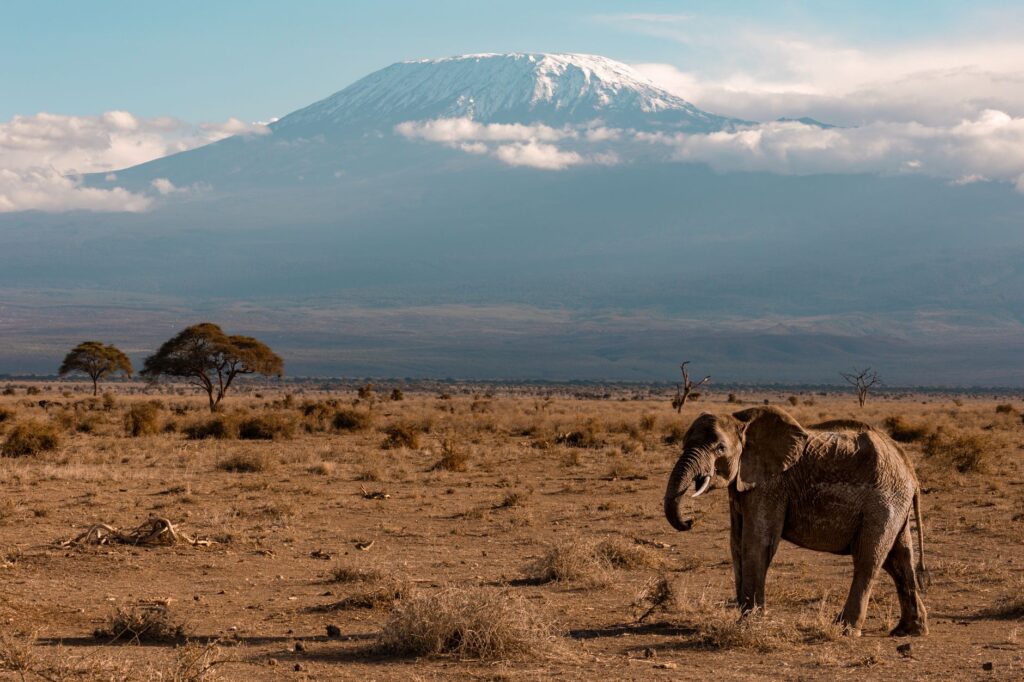
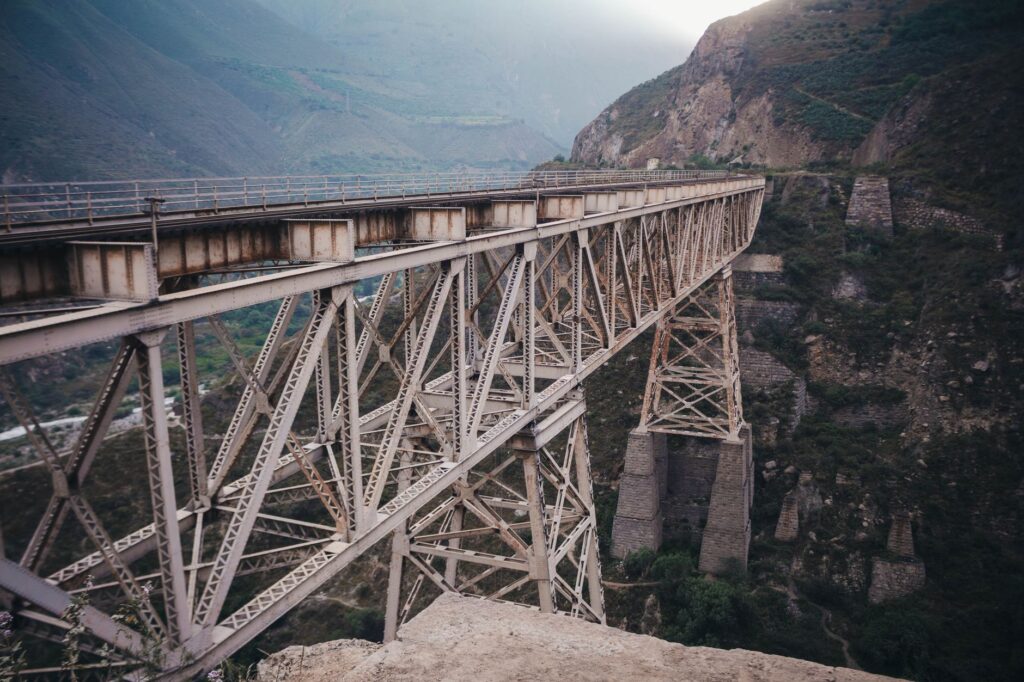
Crossing the Tanzanian landscape by train demands an understanding of an unrelenting topography. From the tropical humidity of the coast, where railway terminals smell of saltpeter and damp coal, convoys embark on a slow yet inexorable ascent toward the arid steppe savanna and, finally, toward the volcanic foothills where mist embraces the peaks. Modern engineers face the exact same challenges as their German and British predecessors: rampant corrosion caused by seasonal rains, unstable clay soils, and the constant maintenance of century-old bridges spanning deep river gorges.
Along this route, every station functions as a social microcosm. In places like Same or Korogwe, the arrival of the passenger train is not merely a logistical event, but the central pivot of local economy. Small merchants, vendors of steaming chai, and local artisans gather on the platforms during brief technical stops, creating a fabric of human exchange that no domestic flight or highway bus can replicate. This steady flow of people and goods proves that the railway remains the continent’s most authentic circulatory system.
Logistics and Sustainability Facing Road Congestion
During the years the trains remained idle, the T2 national highway bore the entire weight of commercial and tourist traffic toward northern Tanzania. The result was accelerated asphalt degradation, an exponential rise in traffic accidents, and chronic congestion threatening the economic competitiveness of entire regions. The reactivation of rail services directly relieves this pressure, diverting thousands of tons of cargo and a growing number of travelers toward infrastructure with a lower carbon footprint.
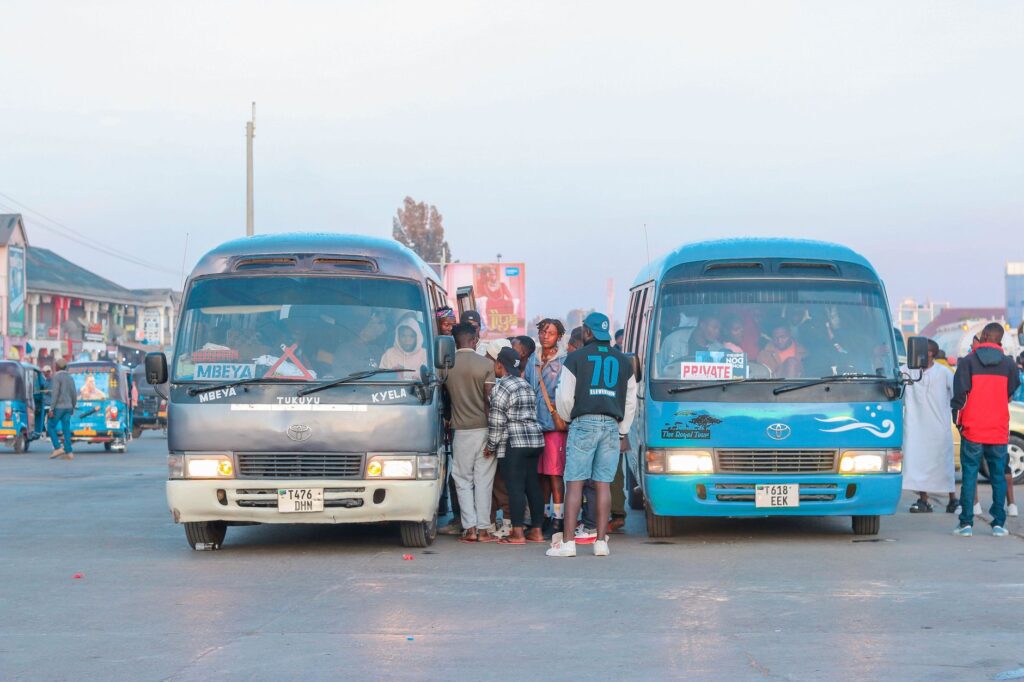
Regional transport experts agree that intermodality is key to Tanzania’s economic future. The synchronization between new commuter trains, medium-distance services toward Moshi, and local bus connections to the national parks of Manyara and the Serengeti enables much more coherent travel planning. The recovery of the railway system drastically reduces per capita emissions compared to the saturated road network. This paradigm shift positions Tanzania at the forefront of sustainable transport policies in sub-Saharan Africa.
The Travel Pulse and the Authenticity of Slow Journeys
For the contemporary traveler fatigued by the homogeneity of international airports and the sterile speed of domestic flights, the Kilimanjaro train offers a radically different experience: travel as revelation. Unconditioned windows act as living screens projecting the gradual transition between acacia scrublands, local grocery markets, and the endless sisal plantations characterizing the Pangani Valley.
On board, intercultural coexistence is immediate. There are no airtight classes isolating the visitor from local reality; sharing a wooden bench or a second-class compartment sparks spontaneous conversations about the climate, harvests, and future expectations of a new generation of Tanzanians. Railway tourism in this region does not seek artificial luxury, but genuine immersion in the territory and its daily dynamics. This approach resonates strongly with travelers prioritizing cultural sustainability and respect for destination economies.
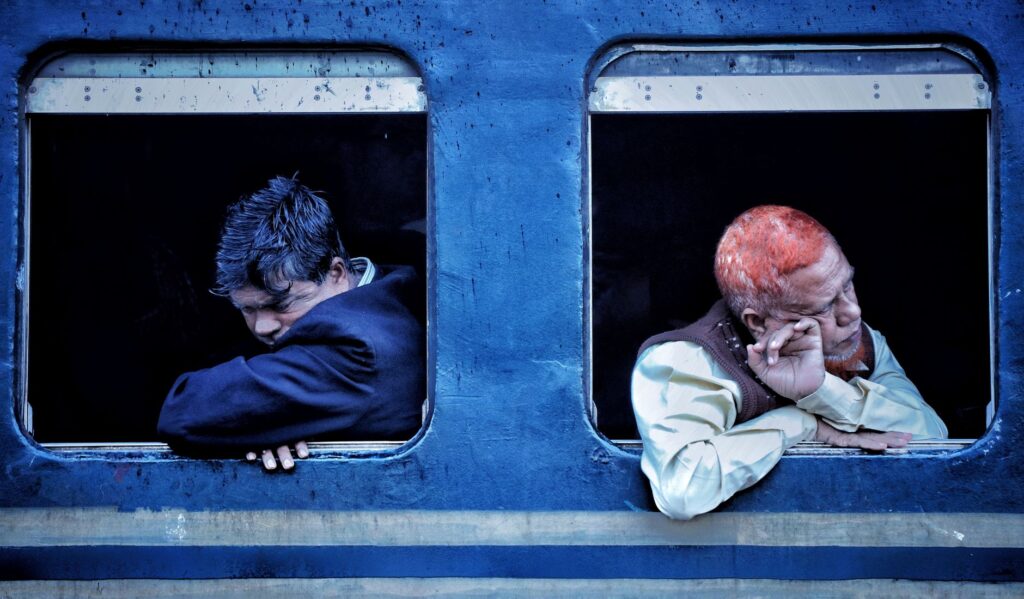
The train in Tanzania is not a mere means of transport; it is the social thermometer measuring the pulse between historical legacy and the ambition of an interconnected future.
Operational Challenges and Maintenance in Extreme Environments
Despite the enthusiasm generated by the reopening of routes, the daily management of the rail network faces complex formal challenges. Intermittent power supplies, a scarcity of specific spare parts for vintage diesel locomotives, and the need to upgrade signaling systems remain pending subjects for transport authorities. The torrential rainy season, known locally as the long rains, continues to cause temporary disruptions due to landslides along the slopes of the Usambara Mountains.
To mitigate these vulnerabilities, the TRC has deployed permanent maintenance crews along the most sensitive stretches and established satellite communication protocols with major stations. Technical cooperation with international rail operators has enabled the training of a new crop of local drivers and technicians, securing the transfer of knowledge necessary for the long-term sustainability of the infrastructure.
Socioeconomic Impact on Northern Communities
The return of the train’s whistle has transformed the economic reality of historic cities like Moshi. Traditionally overshadowed by neighboring Arusha in mountain tourism terms, Moshi is recovering its centrality as a communications hub thanks to the reactivation of its central station. Small boutique hotels, local guide agencies, and high-altitude coffee markets experience a direct revival driven by the steady arrival of visitors opting for a less conventional land route.
Likewise, local farmers find in freight rail transport a much more profitable and predictable outlet for their perishable goods toward major coastal markets. Regulated prices protect small producers against road fuel price volatility, fostering food security and decentralized economic development in rural communities located along the tracks.
Practical Guide for Rail Travelers in Tanzania
Planning a journey along the Dar es Salaam to Moshi railway line requires patience, flexibility, and a correct understanding of local schedules. Tickets should ideally be purchased in person at the central station ticket windows in Dar es Salaam several days in advance, as digital booking systems remain in gradual rollout phases.

- Main Route: The complete journey between Dar es Salaam and Moshi exceeds 400 miles and typically takes between 18 and 24 hours, depending on track operating conditions.
- Available Classes: Opting for first or second class sleeper cars is recommended, offering greater comfort and luggage security during overnight segments.
- Travel Provisions: Packing sufficient bottled water, insect repellent, and light snacks is essential, although fresh fruit and local dishes can be purchased through windows at most intermediate stations.
- Documentation: Always keep your passport and physical tickets handy, as routine checks are conducted by railway police along the route.
The Horizon of Regional Transport in East Africa
The rehabilitation of the northern line is merely the first stone in an ambitious transport transformation plan in Tanzania. While the parallel Standard Gauge Railway (SGR) project advances toward the country’s interior connecting Dodoma and Mwanza, traditional meter-gauge lines like the Kilimanjaro route continue fulfilling an irreplaceable role in proximity and regional integration. This duality demonstrates a pragmatic vision where high-speed modernity coexists with the intelligent recovery of existing railway heritage.
The future of tourism and mobility in East Africa inevitably relies on diversifying access routes and valuing overland journeys. By integrating history, geography, and the needs of local communities, Tanzania’s railway revival offers a masterclass in how infrastructure can become an authentic bridge between colonial past and sovereign, sustainable development.
Restoring the northern tracks is not merely connecting geographic points on a dusty map, but returning to the traveler the capacity to contemplate the territory with the time and respect it deserves.