The Geography of a Thousand Liquid Mirrors and the Water Dilemma
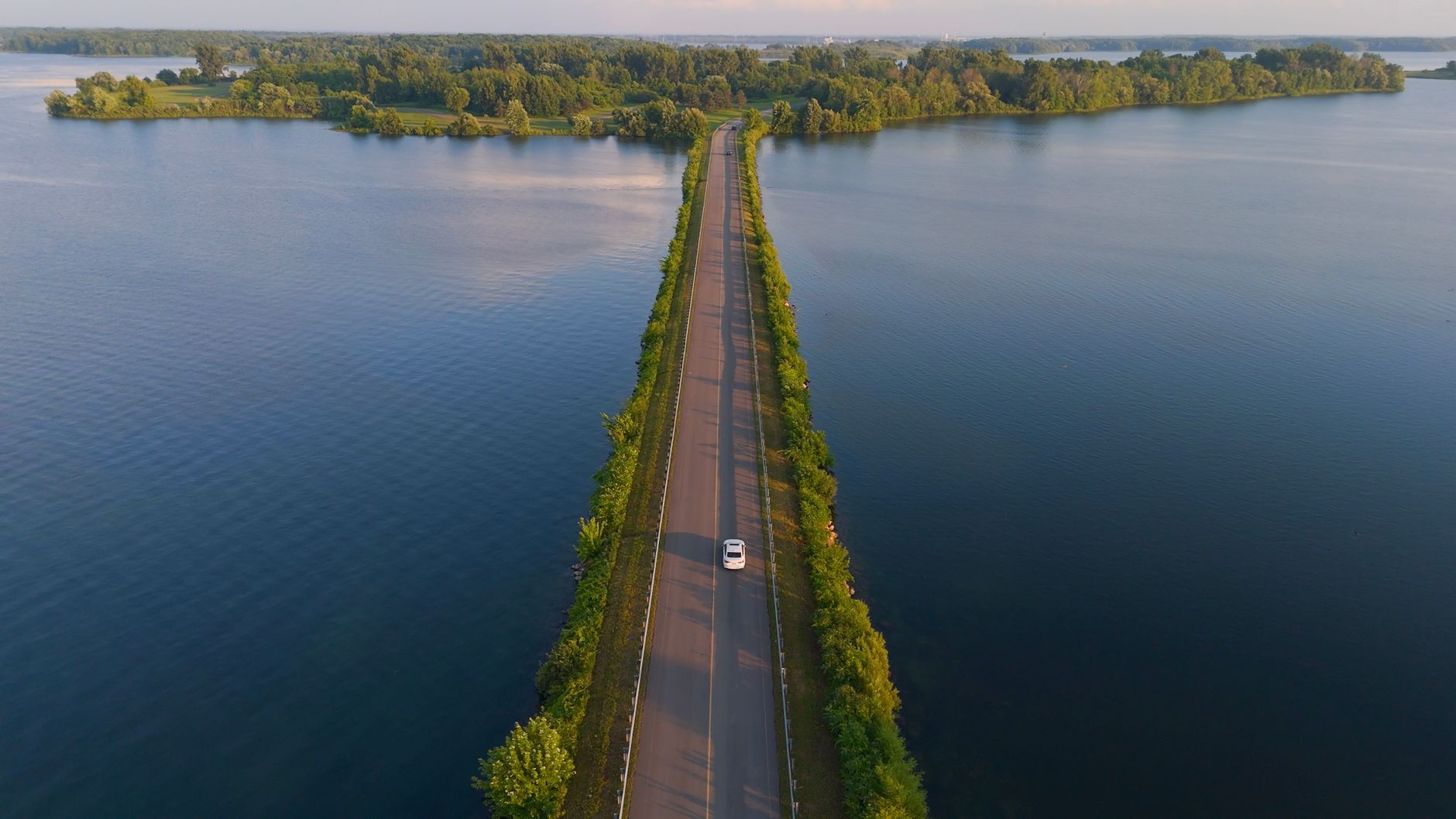
Northeastern Poland is home to one of Central Europe’s most complex aquatic landscapes: the Masurian lake district. Connected by an intricate labyrinth of historic channels, sluggish rivers, and centuries-old locks, more than two thousand liquid mirrors form a fragile ecosystem that for decades bore the brunt of traditional motorboat navigation. The constant hum of diesel engines and the accumulation of hydrocarbon waste threatened waterfowl biodiversity and deep-water purity. Far from the mass-market routes of continental tourism, this region depended on an obsolete fleet of vessels connecting isolated forest enclaves and fishing villages cut off by the lake geography itself.
The urgent need to protect this natural heritage without isolating its inhabitants spurred a radical shift in regional transport policies. The transformation was not merely about substituting thermal engines with batteries, but completely rethinking aquatic mobility under the principles of zero-impact navigation. Local administrations, in collaboration with naval engineers and ecotourism cooperatives, designed a strategy to redefine transit across the canals. The objective was clear: ensure that the movement of residents and travelers respected the nesting cycles of protected species such as the great crested grebe and the osprey.
The Birth of Solar Catamarans and Fluvial Engineering
At the core of this metamorphosis is the introduction of a new generation of electric-propulsion catamarans powered by photovoltaic energy. These vessels, constructed from lightweight, recyclable composite materials, use their expansive deck surfaces to integrate flexible solar panels that capture light even under the overcast skies typical of the Polish plains. Unlike conventional motorboats, which generate erosive wakes capable of destroying shoreline reeds, the hydrodynamic design of these catamarans drastically minimizes lateral water displacement.

Local shipyards adapted traditional wooden boatbuilding techniques to meet the demands of electric propulsion. Permanent-magnet synchronous motors operate with virtually imperceptible noise levels, allowing passengers to hear the whisper of the wind through wild pine trees rather than mechanical roaring. Energy management relies on fast-charging stations installed at major docks, powered exclusively by regional wind and solar farms. In this way, the electricity propelling daily journeys comes entirely from local renewable sources, closing a virtuous circle of energy sustainability.
Integration with Riparian Cycling and the Intermodal Network
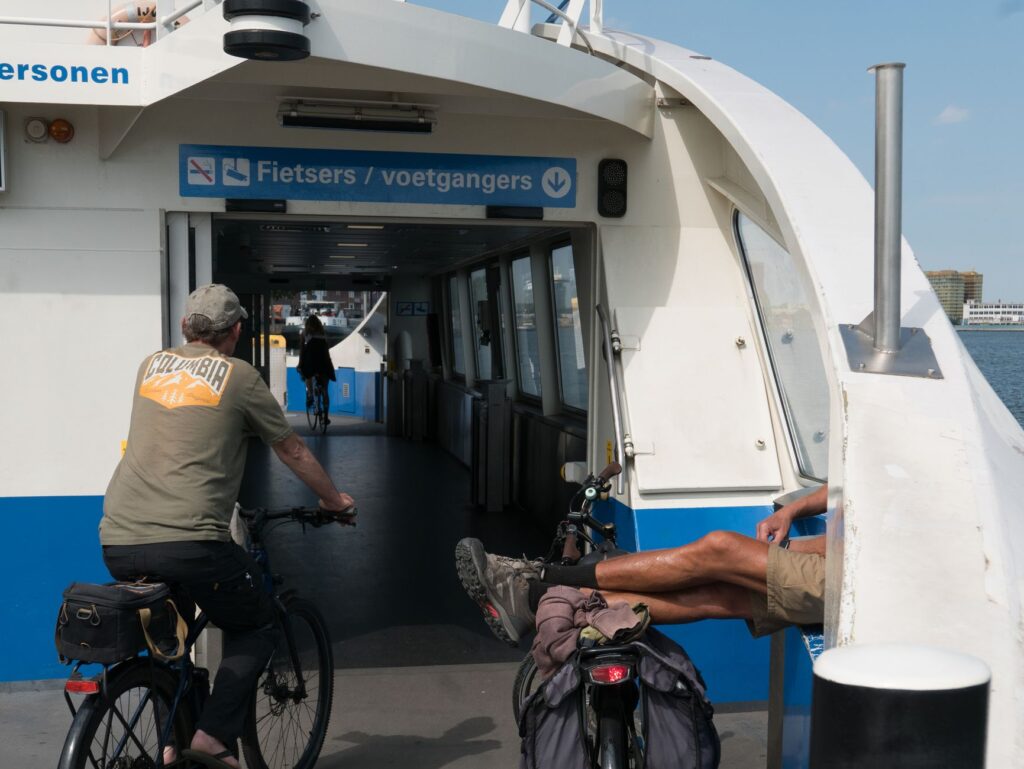
Sustainable mobility in Masuria is not restricted to the water; it functions as a complex gear where water and land intertwine. Alongside the modernization of the catamaran fleet, regional authorities expanded the network of cycling routes paved with eco-friendly materials, connecting piers with the railway stations of key towns like Giżycko and Mikołajki. Each vessel is equipped with modular bicycle racks, allowing travelers to easily alternate between silent navigation and pedaling along the ancient paths of the Pisz forests.
This intermodal connectivity has transformed the profile of the visitor. Weekend tourism reliant on intensive private car use has given way to a community of itinerant travelers who explore the region at a leisurely pace. Regional electric buses complete the network, operating on schedules synchronized with the arrival of the ferries. It is not just about reducing carbon dioxide emissions, but about recovering a human scale in mobility, where the journey itself becomes an essential part of discovery and rest.

The Restoration of Historic Locks and Heritage Preservation
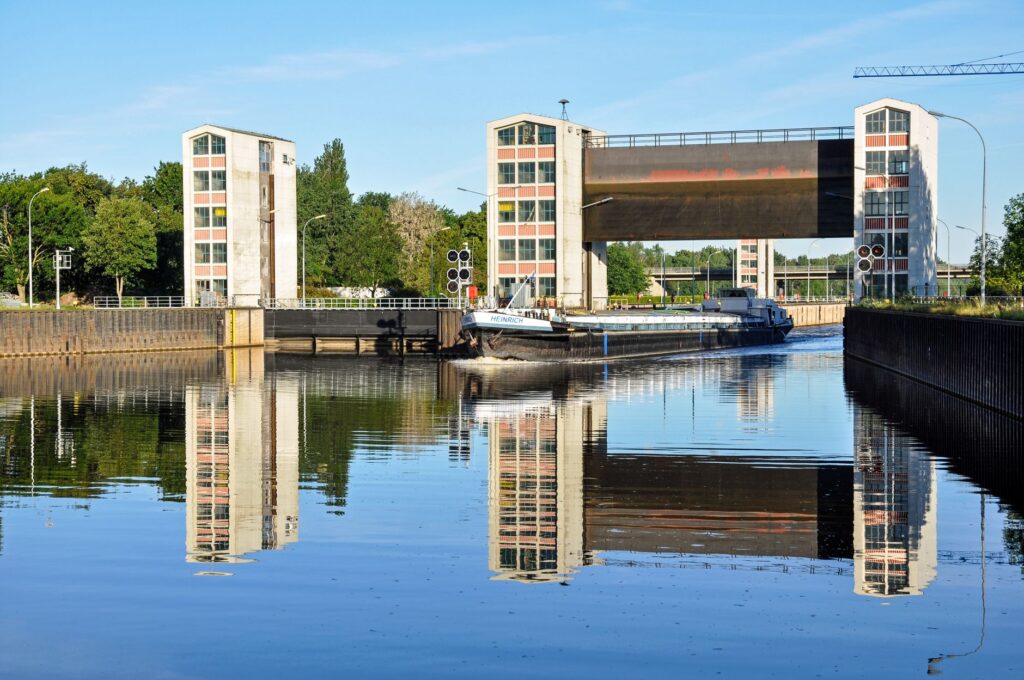
Masuria’s channel system, largely conceived during the nineteenth century under Prussian engineering, includes monumental granite and red brick locks that continue to operate today. The transition toward clean mobility required a respectful modernization of these historic structures. The gates, previously operated manually with enormous physical effort or auxiliary diesel engines, have been retrofitted with low-consumption hydraulic systems powered by local solar storage banks.
The lock keepers, guardians of the canal’s technical memory, have become managers of energy efficiency. They oversee the orderly passage of vessels without altering water levels in the interconnected lakes, a critical factor in preventing seasonal flooding in wetland areas. This coexistence between industrial heritage and green technology demonstrates that modernization does not require the demolition of the past, but its functional interpretation under rigorous ecological criteria.
The true innovation in Masuria lies not in the high technology of its batteries, but in the capacity to listen to the rhythm of the water and subordinate speed to landscape conservation.
The intervention in hydraulic heritage has also revitalized the economy of villages adjacent to the locks. Small artisan workshops, organic food markets, and traditional inns benefit from the mandatory stopovers of boaters and cyclists, who have sufficient time to consume local goods and learn the region’s history firsthand. Sustainable mobility thus acts as an engine of social and economic cohesion for communities that historically suffered from winter isolation.
Biological Impact and Aquatic Ecosystem Monitoring
The success of the transition in Masuria is measured in the annual reports of the Olsztyn aquatic biology institutes. Since the gradual elimination of combustion engines on main routes, water turbidity has noticeably decreased in critical zones such as Lake Śniardwy, the region’s largest. The absence of oil residue and the drastic reduction in underwater acoustic pollution have allowed the recovery of fish populations sensitive to mechanical vibrations, such as whitefish and lake trout.
Local universities and conservation organizations use the electric catamarans themselves as mobile research platforms. Sensors installed on the hulls measure water temperature, dissolved oxygen levels, and chlorophyll concentration in real-time. This data is openly transmitted to environmental management centers, allowing route adjustments and navigation frequencies according to the ecological state of each sub-basin. Mobility thus ceases to be a stress factor and becomes an active tool for citizen science and environmental protection.
Circular Economy and the Maintenance of the Green Fleet
Sustaining an electric river transport network requires a rigorous economic model based on circular economy principles. Shipyards tasked with maintaining the catamarans use paint free of toxic biocides, applying silicone coatings that prevent algae and mollusk adhesion without releasing chemical substances into the water. High-capacity lithium batteries, at the end of their useful life in navigation, are removed and repurposed for secondary use as stationary storage systems at onshore solar charging stations.
This comprehensive approach reduces the material footprint of the entire operation. Local workshops prioritize repair over component replacement, fostering the technical training of young engineers in the region. The economic model demonstrates that ecological transition in rural and lacustrine areas is not an exclusive privilege of large metropolises, but a viable opportunity for sustainable industrial development and skilled job creation outside major urban centers.
Operational Challenges Amid Climatic Seasonality
Despite evident achievements, managing the transport network in Masuria faces considerable challenges stemming from Central European climatic seasonality. During the winter months, when temperatures drop sharply and the lake surface freezes under a sheet of ice, electric navigation is entirely suspended. This winter hiatus requires precise financial planning by public and private operators, who must offset seasonal revenues through winter tourism diversification and preventive maintenance of infrastructure.
Likewise, lower solar radiation during autumn and winter months forces reliance on the onshore electrical grid to maintain heating and maintenance systems for docked vessels. Although the Polish electrical grid continues its own transition toward decarbonization, the complete integration of stable renewable sources remains an open frontier. Authorities are working on installing small vertical-axis wind turbines at strategic unprotected points to guarantee uninterrupted supply year-round.
Practical Information for the Conscious Traveler
Planning a journey through the Masurian lake district requires adopting a perspective of slow, environmentally respectful travel. The best gateway to the region is the city of Olsztyn, connected via regular rail services with Warsaw. From there, regional trains provide access to major lake hubs such as Giżycko, Mikołajki, and Węgorzewo in journeys that rarely exceed two hours.
- Solar Catamaran Network: Regular services operate between May and September, with daily frequencies connecting main piers. Advance booking is not strictly required, but checking digital boards at the docks to verify weather and navigation conditions is recommended.
- Intermodal Bicycle Rental: Major transport hubs feature pick-up and drop-off points for bicycles adapted for rural paths. The service allows bicycles to be boarded on electric catamarans at no extra cost.
- Accommodation and Gastronomy: Certified eco-inns and rural lodgings that manage waste autonomously and consume basin-sourced produce, such as freshwater fish certified by local cooperatives, are prioritized.
- Water Conduct Rules: The use of thermal-engine boats is prohibited in integral natural reserves. Navigators must respect boundary buoys in nesting areas and maintain a safe distance from waterfowl colonies.
The true luxury in contemporary travel lies not in the speed with which we move, but in the awareness of leaving no indelible mark on the places we visit.
The Future of Sustainable Inland Navigation
The model developed in Masuria’s aquatic labyrinth transcends its local scale and serves as a benchmark applicable to other European wetlands and river systems suffering from intensive tourism pressure. It proves that clean technology, when combined with participatory governance and deep respect for ecological limits, can rescue traditional economies and offer an infinitely richer, more human travel experience. The transformation of these waters is not the end of an era, but the beginning of conscious navigation that views landscape not as a resource to exploit, but as a shared home to preserve for future generations.