Introduction to the Maritime Labyrinth of the Eastern Indian Ocean
The Zanzibar archipelago, located off the eastern coast of Africa and framed by the warm waters of the Indian Ocean, has historically operated as a crossroads for Persian, Arab, Indian, and European merchants. Beyond its iconic historic capital of labyrinthine alleys, the contemporary reality of these islands rests upon a complex maritime transport network. Connectivity between Unguja —the main island commonly referred to as Zanzibar— neighboring Pemba, and mainland hubs such as Dar es Salaam constitutes the circulatory system that sustains both the local economy and the flow of travelers seeking an experience beyond conventional resorts.
In recent years, the management of this maritime traffic has undergone profound institutional and technical revision. The imperative to balance growing tourism demand with local navigation safety has compelled port authorities to rethink existing infrastructure. The modernization of passenger terminals and the gradual renewal of the ferry fleet have become strategic priorities to prevent the isolation of more remote communities, particularly on the rugged and verdant island of Pemba.
The Geography of the Strait: Physical and Technical Challenges
Navigating between the African mainland and the archipelago involves confronting rigorous oceanographic dynamics. The Zanzibar Channel, with variable depth yet subject to strong tidal currents and seasonal monsoon shifts, represents a constant challenge for captains and public transport vessels. During the northeast and southwest monsoon periods, weather conditions can drastically alter departure schedules and force temporary suspensions affecting thousands of daily passengers.

Port infrastructure has had to adapt to these natural demands. Malindi Port in Stone Town, the primary maritime gateway, has undergone technical interventions to increase its draft and permit the safe docking of larger ferries. However, secondary ports on the eastern coast and in Pemba, such as Mkoani, continue to rely on more artisanal cabotage operations, where the expertise of local crews compensates for deficiencies in port automation.
The Backbone of Ferries: Routes, Timetables, and Operational Reality
The link between Dar es Salaam and Unguja is unquestionably the busiest passenger and commercial route in the region. Usually served by high-speed catamarans, this approximately forty-nautical-mile crossing demands rigorous safety control and strict fleet maintenance. Private shipping lines compete in this corridor by offering multiple daily frequencies, which has democratized access for both residents and international visitors who prefer to avoid regional flights.
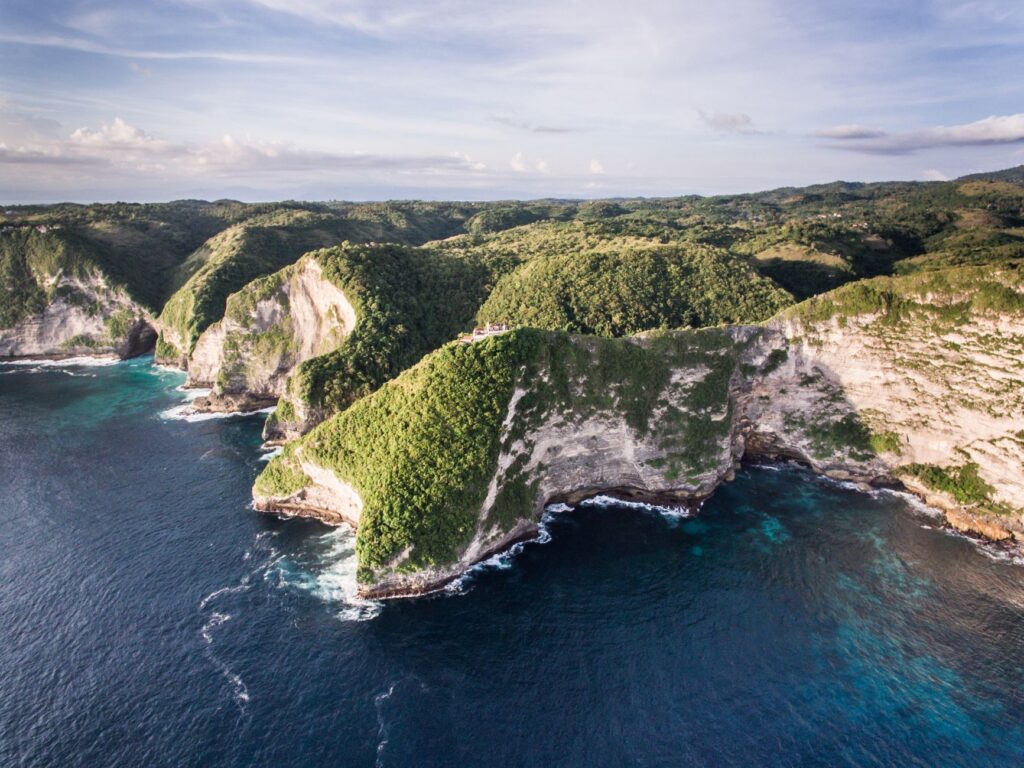
Conversely, the route connecting Unguja to Pemba —known as the green island for its clove plantations and rugged topography— presents an entirely different operational profile. Less congested yet vital for the archipelago’s territorial cohesion, this line is served by traditional cargo and passenger ferries. The journey requires several hours of daytime or nocturnal navigation through coral-reef-protected channels, turning the voyage into an anthropological experience where the traveler shares space with local merchants, agricultural goods, and the unhurried cadence of island life.
Pemba in the Shadows: The Challenge of Peripheral Integration
While Unguja absorbs the lion’s share of international tourism investment and hotel development, Pemba remains in the background, preserving its authenticity while exhibiting notable logistical vulnerability. The scarcity of high-capacity regular air connections leaves maritime transport as the exclusive umbilical cord for supplying essential goods, construction materials, and human mobility.
Local authorities and development organizations have highlighted the urgency of improving turnaround times for ships operating toward the port of Mkoani. Optimizing the insular logistics chain is essential to prevent the import costs of fresh produce and energy from penalizing the Pemban population, whose economic model remains rooted in artisanal fishing and subsistence agriculture.

The Environmental Impact of the Wake: Conservation Versus Development
The sustained increase in motorized vessel traffic in the archipelago’s waters raises inescapable questions regarding the preservation of marine ecosystems. The coral reefs surrounding Unguja and Pemba, crucial for western Indian Ocean biodiversity and coastline protection against erosion, suffer from stress caused by constant vessel transit and unregulated anchoring in secondary bays.
Simultaneously, the management of waste generated both aboard ferries and at urban docks demands stricter protocols from the Zanzibar Ports Corporation. The gradual introduction of zero-discharge regulations and the auditing of marine engine emissions form part of an environmental package aimed at mitigating the ecological footprint of transport in an area designated as having high natural value.
The Human Perspective: The Journey as Cultural Experience
For the contemporary traveler willing to forgo the immediacy of commercial aviation, embarking on Zanzibar’s ferries offers a direct immersion into the archipelago’s social reality. Far from the aseptic bubble of enclosed resorts, the decks of these vessels provide an intergenerational and intercultural meeting space where Swahili and Arabic languages converge, accompanied by the aroma of spices carried in cargo holds and the constant rhythm of the tides.

The true pulse of Zanzibar does not beat in the restored alleyways of Stone Town, but in the salty wake that silently unites the forgotten emeralds of the channel.
This slow-travel experience invites a reexamination of the purpose of a journey, transforming a mere transit procedure into a fundamental stage of territorial understanding. Patience in the face of potential weather delays is rewarded by direct observation of the commercial and social dynamics sustaining island daily life.
Infrastructure in Transition: Projects and Near-Term Horizon
The port development master plan promoted by the autonomous government includes significant investments for the coming decade. Outstanding initiatives feature the expansion of cargo docks in strategic areas and the creation of new basins capable of segregating passenger traffic from heavy freight transport. These interventions aim to decongest the saturated Stone Town waterfront and improve international maritime safety standards.
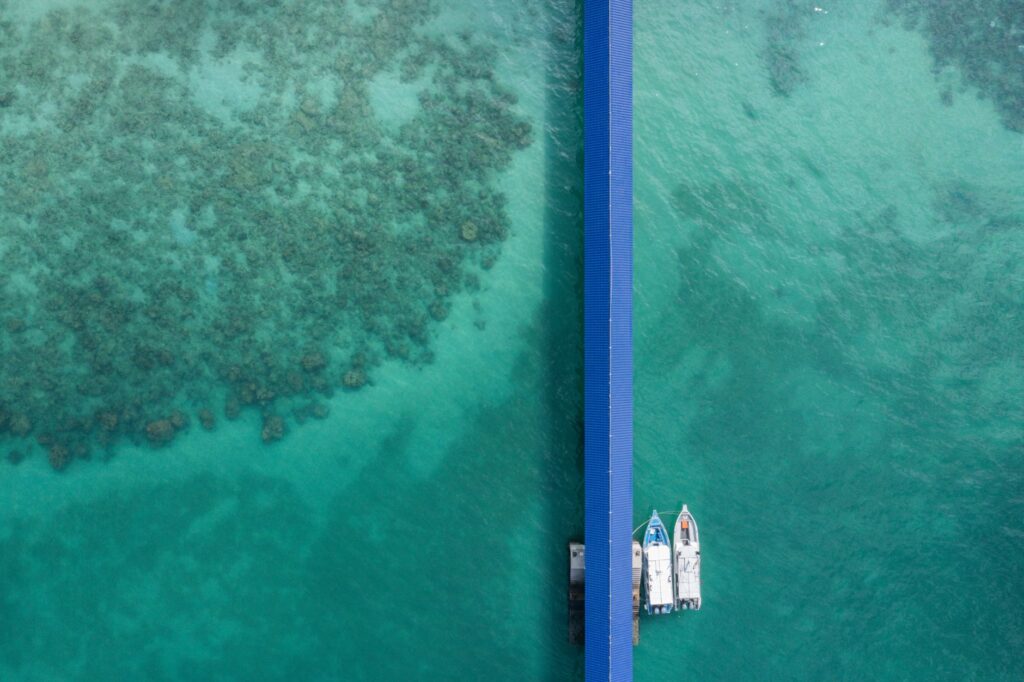
Likewise, public-private partnership formulas are being studied for the acquisition of more energy-efficient vessels capable of reducing travel time between main islands without increasing price pressures on local passenger tickets. Balancing commercial viability with public service remains the central axis of sectoral negotiations.
Practical Guide for Navigation and Inter-Island Travel
Planning a maritime journey in the Zanzibar archipelago requires attention to operational details to ensure a smooth and trouble-free experience:
- Advanced Booking: Tickets for fast catamarans between Dar es Salaam and Unguja should preferably be purchased 24 to 48 hours in advance, especially during peak seasons in July-August and December-January.
- Valid Documentation: Although crossing from the continental mainland to Zanzibar is not an international border crossing, rigorous migration and identity checks are conducted at both port terminals.
- Luggage and Restrictions: High-speed vessels limit checked hand baggage weight; bulky suitcases must be registered in designated cargo compartments prior to boarding.
- Weather Conditions: It is advisable to consult local navigation bulletins when traveling during monsoon transition months, anticipating potential schedule adjustments.
- Class Selection: Ferries offer different seating categories (VIP, economy); for overnight crossings to Pemba, booking a private cabin guarantees greater comfort and hygiene.
Conclusion: The Sustainable Future of Insular Connectivity
The future of the Zanzibar archipelago and its smaller sister, Pemba, depends on its ability to intelligently manage the mobility flows interconnecting them. The modernization of maritime routes constitutes not merely a matter of port engineering or commercial profitability for shipping lines, but an ethical commitment to the social and territorial cohesion of its residents. To the extent that infrastructure succeeds in protecting the fragile ecological balance of the Indian Ocean, these islands will continue to offer rigorous travelers a living testimony of navigation, history, and cultural resistance.