The Apennine Railway Labyrinth: The Titanic Network of Tunnels and Ramps Defying Italy’s Backbone
An in-depth analysis of civil engineering, complex mountain operations, and the technological evolution of the railway system crossing the Apennines between Bologna and Florence.
Introduction to the Apennine Barrier and Its Geographical Challenge
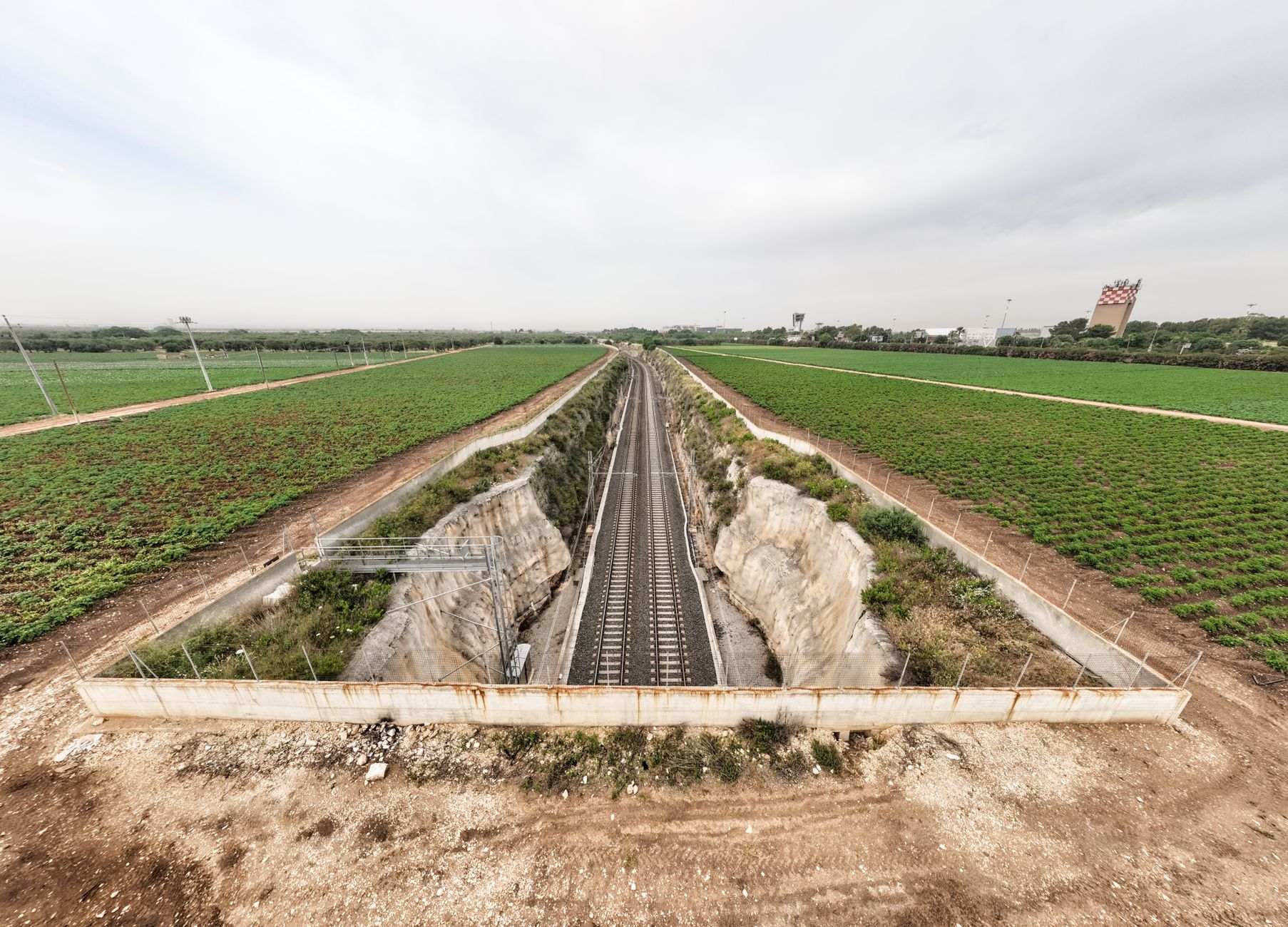
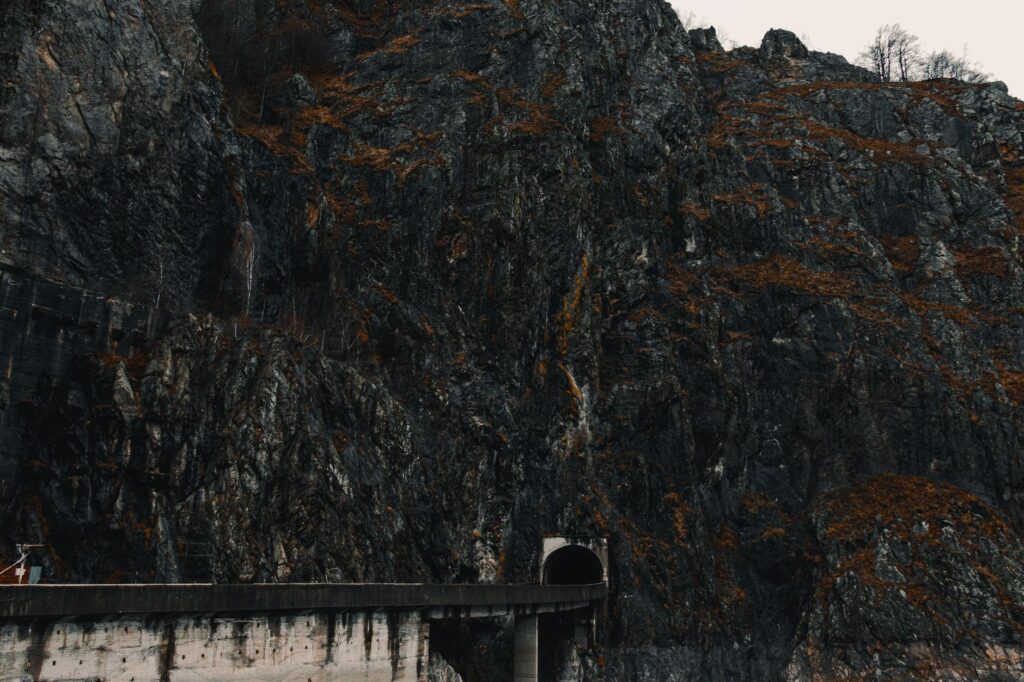
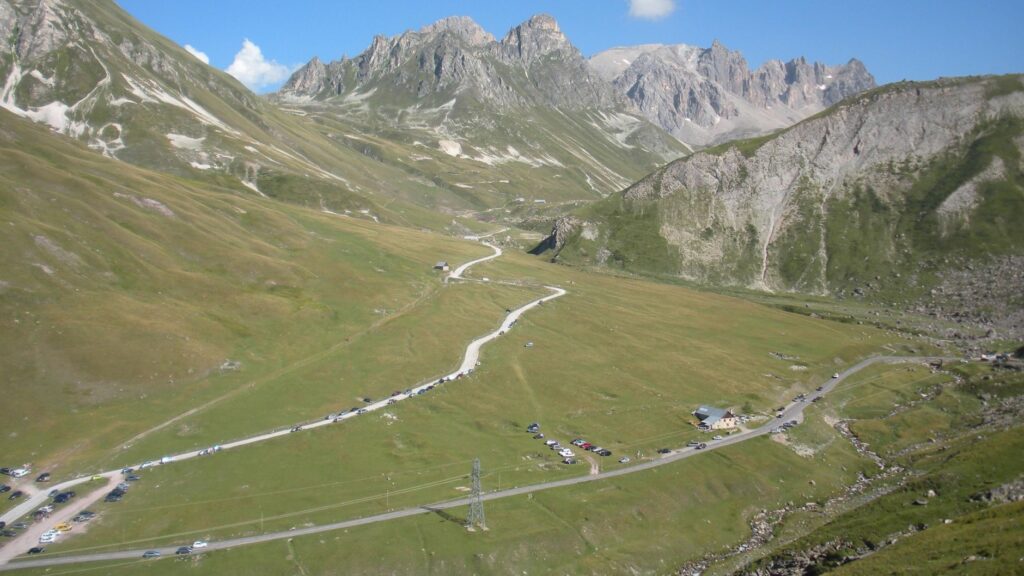
The physical geography of Italy is dominated by a mountainous backbone stretching from the Alps to the southern tip of the peninsula: the Apennines. This rugged mountain range, characterized by calcilutite rock and unstable clays, has historically constituted a formidable barrier to overland communication between the industrialized north and the center-south of the country. Conquering these peaks has never been a simple matter of laying tracks, but rather a continuous exercise in underground engineering and geotechnical calculation. During the nineteenth century, engineers of the Kingdom of Piedmont and later the Kingdom of Italy faced the immense challenge of designing routes capable of overcoming impossible gradients with primitive steam locomotives.
The initial result was the historic Porrettana line and, decades later, the legendary Directissima variant inaugurated in the first half of the twentieth century. However, the exponential growth of freight and long-distance passenger traffic soon turned these infrastructures into unsustainable bottlenecks. Steep ramps, tight curve radii, and the saturation of the original tunnels demanded a radical transformation. The rail network required a qualitative leap that would allow crossing the massif without subjecting rolling stock to extreme wear or penalizing commercial travel times between the Po Valley and Tuscany.
The Genesis of the Great Bologna-Florence Variant
By the late twentieth century, congestion along the trans-Apennine corridor forced a complete rethink of Italy’s high-capacity rail transport strategy. The technical response was the construction of the high-speed line between Bologna and Florence, inaugurated in December 2009. This project marked a monumental milestone in European civil engineering history: 93 percent of its total route, spanning over 78 kilometers, runs underground through a complex network of tunnels excavated in geologically complex terrain prone to landslides.
To bring this project to life, engineers had to contend with high hydrostatic pressures, expansive clay formations, and the presence of methane gas pockets. Excavation was carried out by combining earth-pressure-balance tunnel boring machines and traditional drill-and-blast methods under constant supervision. The backbone of this infrastructure is the Apennine Tunnel, a colossal engineering feat stretching over 18 kilometers that became one of the longest railway tunnels in the world, demonstrating the Italian industry’s capacity to execute major subterranean projects.
Civil Engineering and Geotechnics Beneath the Peaks
Building and maintaining a railway line crossing the Apennines requires advanced technical solutions far beyond simply laying rails on ballast. Along this section, the track system predominantly uses concrete slab track, a technology ensuring geometric track stability at high speeds and drastically reducing corrective maintenance needs in confined environments. Tunnel geometry was specifically designed to mitigate pressure wave phenomena and the piston effect generated by trains traveling at over 250 kilometers per hour in enclosed spaces.
Furthermore, groundwater management has been one of the greatest headaches for infrastructure operators. Excavations altered local aquifers, requiring the construction of complex drainage networks, treatment plants, and advanced waterproofing systems to protect both the structural stability of the tunnels and the water resources of the surrounding valleys. Every meter of sprayed concrete and every rock anchor responds to millimeter-level monitoring via fiber-optic sensors and precision lasers installed along the entire route.
Operational Safety in Confined Environments
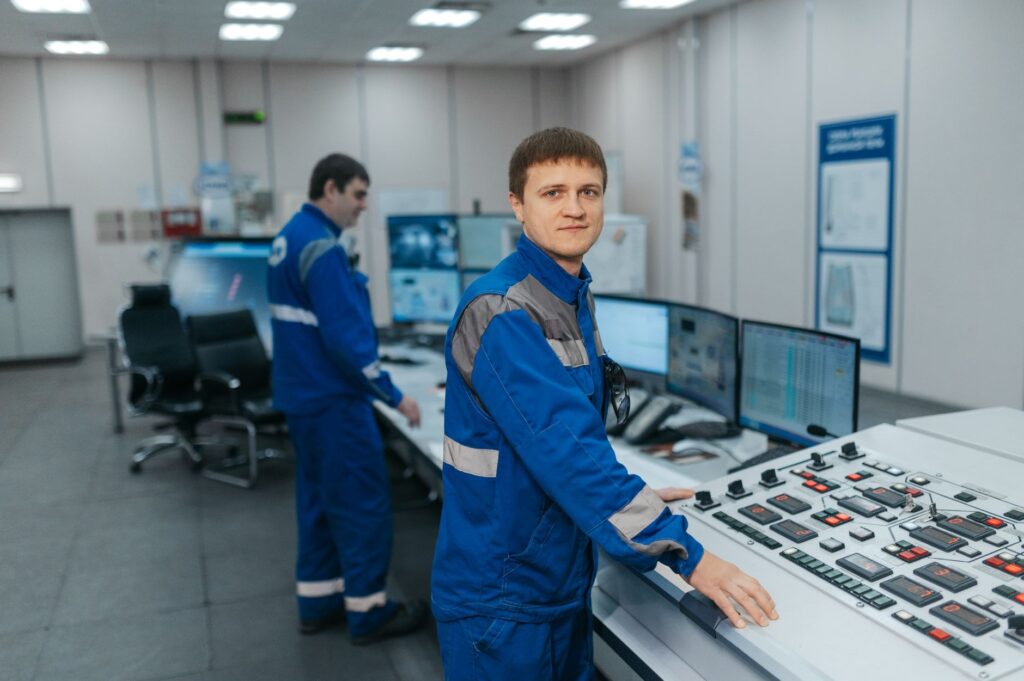
Operating high-speed trains through dozens of kilometers of tunnels demands extremely strict and redundant operational safety protocols. Along the trans-Apennine route, the European Rail Traffic Management System (ERTMS) Level 2 operates as the invisible brain supervising speed, position, and train separation in real time, eliminating traditional lineside signals and relying on continuous digital transmission via balises and radio.
Evacuation in the event of an emergency is another cornerstone of operational design. Along the Apennine Tunnel and other main galleries, vertical ventilation shafts, cross-connection passages, and emergency sidings have been constructed, equipped with autonomous power supplies, forced ventilation, and pressurization systems to prevent smoke accumulation during fire incidents. Emergency protocols are periodically rehearsed in joint drills involving rail operators, fire brigades, and civil protection services from the Emilia-Romagna and Tuscany regions.
Intermodal Integration at Access Nodes
Crossing the Apennines is not limited to simply transiting a mountain stretch; it depends critically on the fluidity with which trains integrate into the nodal stations of Bologna Centrale and Firenze Santa Maria Novella. Bologna acts as the great northern Italian interchange, where east-west (Milan-Venice) and north-south (Milan-Rome) axes converge, while Florence manages the southward connection and ties into the regional Tuscan network.
The arrival of high-speed services radically transformed the urban architecture of these stations. In Bologna, the construction of a multi-level subterranean megastation completely segregated metropolitan traffic from long-distance services, optimizing train turnaround times and reducing dwell times at platforms. This millimetric synchronization is essential to prevent delays accumulated during the mountain crossing from cascading through the rest of the national high-speed rail network.
The Role of Freight Transport on the Historic Corridor
While high-speed passenger services dominate the modern base tunnel, the historic trans-Apennine Porrettana line and parallel surface sections retain an indispensable strategic function for freight transport. The limited clearance gauge and steep gradients of these traditional routes have required modernization interventions to allow the transit of high intermodal profile containers and heavy freight train operations.
The coexistence of both corridors—the high-speed line focused on passenger transport and the historic line adapted for freight—constitutes a functional specialization model unique in Europe. Freight railway companies must manage double-traction locomotives, highly efficient regenerative braking systems, and highly restrictive timetable planning to exploit nighttime maintenance windows on the legacy tracks, thereby securing the supply chain between Tyrrhenian coastal ports and Po Valley logistics hubs.
Socioeconomic and Territorial Impact on Local Communities
The construction of these kilometer-long infrastructures has had a profound impact on Apennine valley communities that were historically isolated. While high-speed rail tends to fly over or pierce through the territory without stopping at intermediate towns, the development of improved rail connections has reshaped the labor and tourism markets of Bologna and Florence, enabling residential commuting patterns previously unthinkable due to long road journey times.
Nevertheless, the territory has also experienced ecological tensions stemming from landscape transformation and the disruption of local forest ecosystems. Compensatory measures imposed by public administrations have included the reforestation of degraded slopes, the creation of ecological corridors, and the restoration of historic railway service buildings converted into environmental interpretation centers and greenways for low-intensity sustainable tourism.
«Crossing the Apennines is not merely a triumph of modern geotechnics over living rock, but a constant reminder that European territorial integration is built upon the silent effort of underground engineering».
Practical Guide and Operational Tips for the Rail Traveler
For travelers and transport enthusiasts wishing to experience the rail transition across the Apennines, logistical planning is crucial to making the most of the infrastructure:
Route and Operator Selection: High-speed services operated by Trenitalia (Frecciarossa) and Italo (NTV) complete the journey between Bologna and Florence in approximately 35 minutes, running almost entirely within the modern variant’s tunnel system.
Scenic Alternative: If the goal is to enjoy mountain scenery and classical engineering, travelers should book a ticket on regional trains operating along the historic Porrettana line or alternative surface sections, multiplying travel time while discovering historic viaducts and mountain stations.
Connections and Buffer Times: When planning transfers at nodal stations like Bologna Centrale or Firenze Santa Maria Novella, a buffer of at least 20 minutes is recommended due to the vast scale of the rail complexes and level changes between subterranean and surface platforms.
Advance Fare Booking: High-speed services along this corridor experience high corporate and tourist demand, making advance booking in upper classes (Executive or Business) advisable to secure better rates and greater seat comfort.
Disruption Monitoring: Adverse winter weather conditions, such as heavy snowfall on the Apennine peaks, can occasionally impact surface sections, making it wise to check official operator apps before starting the journey.
Conclusion and Future Outlook
The railway system webbing across the Apennines represents the perfect synthesis of respect for an unforgiving geography and the technical ambition to connect territories through fast, safe, and sustainable transport networks. From the pioneering nineteenth-century routes to the millimeter-accurate galleries of the twenty-first century, the Italian mountain range has served as the testing ground where civil engineering has proven its capacity to turn natural constraints into opportunities for continental cohesion.
Looking ahead, continuous improvement plans include the complete digitalization of track assets, the integration of artificial intelligence-based predictive systems for underground infrastructure maintenance, and the energy optimization of electric traction. With these advancements, the trans-Apennine corridor solidifies its role not only as the vital artery of Italian mobility, but as an undisputed benchmark for global high-speed rail.