Rails Through Volcanoes and Mist: The Railway Journey Revealing Costa Rica’s Secret Pulse
An in-depth exploration of the history, present reality, and future challenges of Costa Rica’s railway network, from urban commuter lines in the Greater Metropolitan Area to the forgotten vestiges of the legendary Atlantic train.
For more than a century, the metallic sound of the railroad in Costa Rica was not merely a means of transportation, but the industrial heartbeat that redefined the geography, economy, and demographics of an entire nation. Costa Rican railway history is a narrative of engineering epics, extreme topographical challenges, and a radical transformation driven by the agro-export of coffee and bananas. In a territory where the volcanic cordillera splits the map into two abrupt halves, uniting the Central Valley with ports on both the Atlantic and Pacific coasts seemed a technical chimera that defied nineteenth-century logic.
Today, delving into Costa Rica’s rail heritage requires looking far beyond the tourist postcard cliché. It demands understanding how the current railway system—managed by the Costa Rican Railway Institute (Incofer)—is attempting to rise from the ashes of obsolescence, budgetary constraints, and urban traffic gridlock. While the roads of the Greater Metropolitan Area suffer from monumental traffic jams, commuter trains have quietly become the lifeline for thousands of daily workers navigating the urban sprawl.
From Narrow Gauge to Minor C. Keith’s Dream
To understand the present state of trains in Costa Rica, it is imperative to look back to the 1870s, when the government of President Tomás Guardia signed the contract to build the Atlantic Railroad. The project was entrusted to American businessman Minor Cooper Keith and represented one of the bloodiest and most complex feats of Latin American engineering. Thousands of lives were lost to yellow fever, cholera, and the impenetrable tropical jungles of the Caribbean—a devastating human cost that laid the foundations not only for the railway tracks but also for the subsequent banana empire of the United Fruit Company.
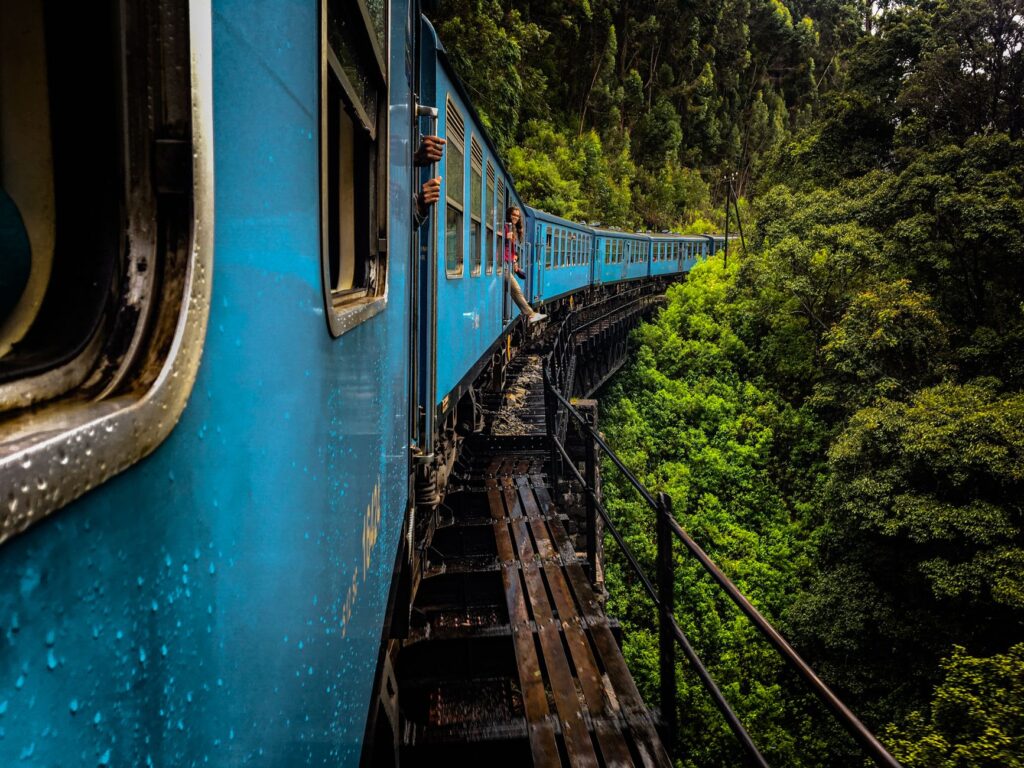
The railway soon structured the national territory. Towns grew around the stations, commercial hubs were consolidated, and a national identity deeply tied to the movement of the steam locomotive was forged. The Pacific Railroad, officially inaugurated in 1910 after years of state effort, completed the interoceanic land bridge that allowed coffee to be transported from the Central Plateau to Puntarenas. Steam engines labored up steep slopes, crossing vertiginous bridges over river abysses that still awe the attentive traveler today.
The Twilight and Silence of the Locomotives
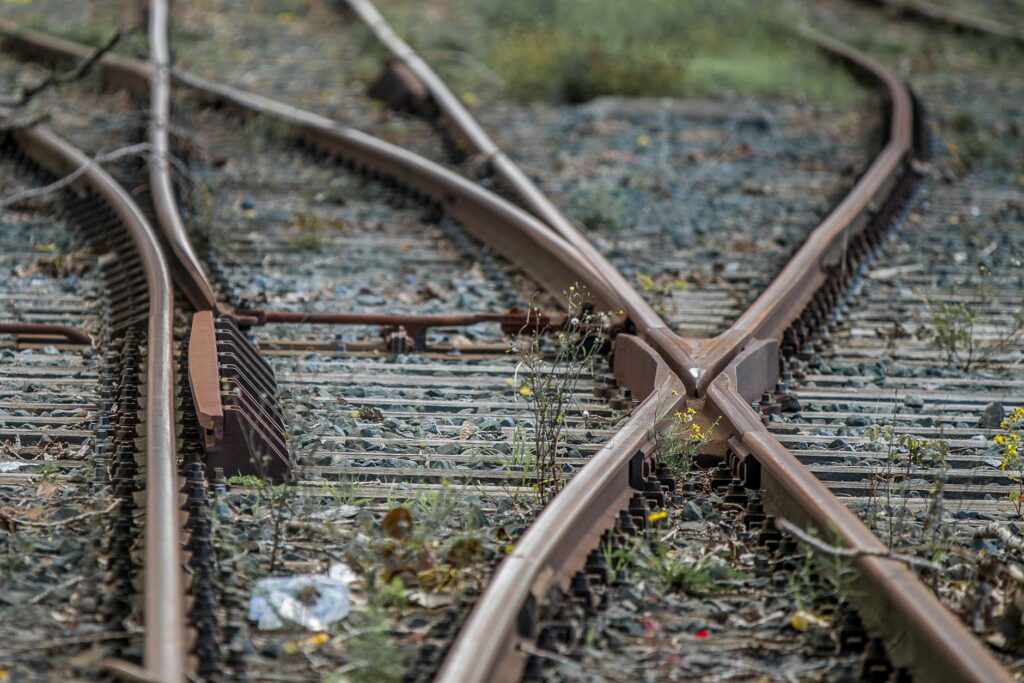
By the late twentieth century, the national railway system experienced one of its darkest hours. Combined factors such as a lack of sustained investment, severe damage caused by the Limon earthquake in 1991, vehicular fleet obsolescence, and the growing dominance of automotive freight and passenger transport led the administration of José María Figueres Olsen to decree the technical closure of Incofer in 1995. That day, the train whistles fell silent across the country, and the tracks began to be swallowed by tropical undergrowth.
For nearly two decades, the railway heritage suffered the onslaught of abandonment, right-of-way encroachment, and the systematic dismantling of its infrastructure. However, the unsustainable pressure of vehicular traffic in the Greater Metropolitan Area and the urgent need to pursue sustainable mobility alternatives forced a radical U-turn. Over the past decade, the Costa Rican state has driven a gradual rehabilitation process, breathing life back into key urban segments that now daily transport thousands of commuters between San José, Heredia, Cartago, and Alajuela.
Urban Resurrection: The Commuter Train Today
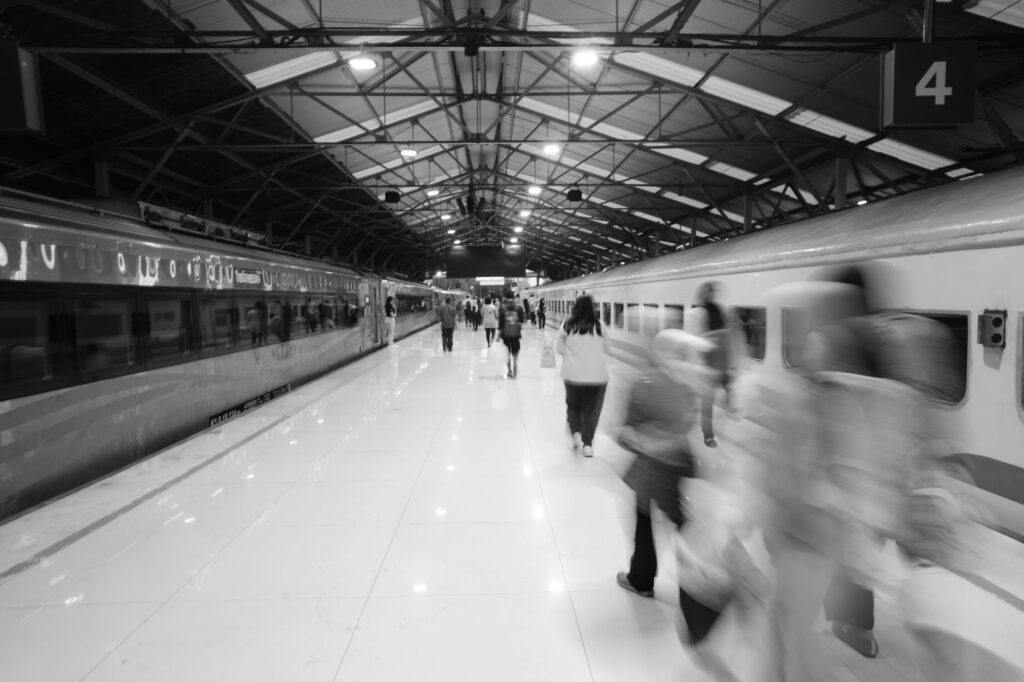
Riding the passenger train today in the Central Valley offers an intimate perspective of urban Costa Rican life. Self-propelled diesel units—many of them purchased secondhand from international operators and retrofitted locally—cross the city at ground level, grazing the backyards of houses, folk markets, and universities. This daily pulse reveals a side of San José far removed from traditional tourist circuits, an urban mosaic where nineteenth-century industrial architecture coexists with contemporary bustle.
Morning commutes are a social microcosm: university students loaded with backpacks, public servants, and private sector workers share carriages where space tightens during peak hours. Despite capacity limitations and an infrastructure still in dire need of deep modernization, the service operates as a constant reminder that the solution to traffic gridlock inevitably involves reclaiming public space for mass rail transit.
The train in Costa Rica is not merely a tool to shorten geographic distances; it is a unifying thread linking a people’s historical memory with the urgent need to rethink urban mobility.
Infrastructure Challenges and the Ghost of the Electric Train
Despite progress in recovering urban routes, Costa Rica’s railway system faces massive structural hurdles. The current network operates mostly on narrow gauges, with dangerous grade crossings caused by reckless driving and limited commercial speeds. Technological modernization remains an unfinished task that successive governments have attempted to tackle through various feasibility studies and large-scale proposals.
The most ambitious project of recent years has been the conceptualization of the Metropolitan Electric Train (TEM), a proposal aimed at creating a modern, segregated, and electrified mass transit system connecting the four central cantons of the Central Valley. Although the project has faced complex political, financial, and economic sustainability debates, the need to transform public transport remains latent. Current discussions revolve around balancing fiscal costs with long-term environmental benefits in a nation boasting global ecological leadership.
Railway Tourism and Heritage Routes with Historical Vocation
Beyond strict urban and commuter utility, Costa Rican rails spark profound cultural and tourist interest. Although the full historical route between San José and the port of Limón remains interrupted and fragmented by severe structural damage in the Atlantic zone, local initiatives and specific tourist routes offer glimpses of that golden era’s grandeur. Short excursions in specific regions allow railway history enthusiasts to appreciate lattice iron bridges imported from Europe and restored stations functioning as cultural centers.
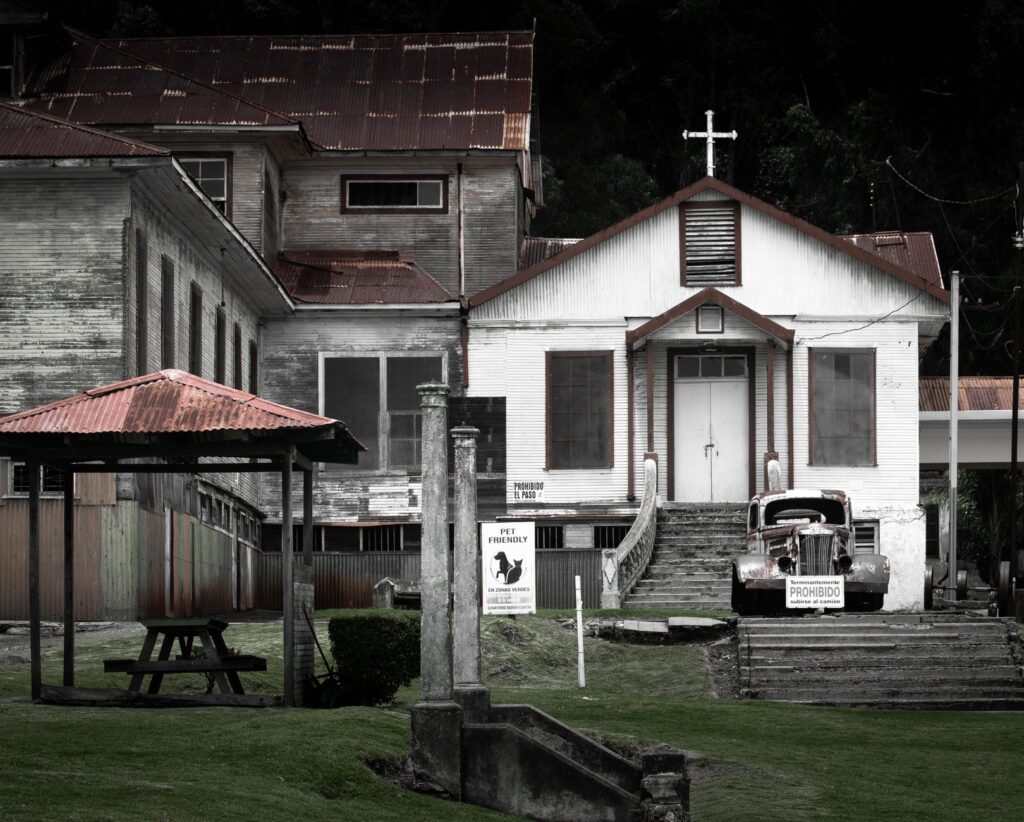
These heritage routes fulfill a fundamental educational function: they remind younger generations that territorial connectivity did not materialize out of thin air. Old carriages and wooden stations with corrugated zinc roofs evoke an era when traveling meant traversing the jungle at the leisurely pace of the engine, listening to creaking wood and steam condensing in the deep cloud forest or tropical thicket.
Practical Information for Travelers and Local Commuters
If you find yourself in Costa Rica and wish to experience the metropolitan railway system or explore its historical infrastructure, keep the following operational guidelines in mind:
Schedules and Frequencies: Trains operate primarily during morning hours (5:00 a.m. to 8:30 a.m.) and evening hours (3:30 p.m. to 7:30 p.m.) Monday through Friday, with variations depending on the route (San José-Cartago, San José-Heredia, San José-Alajuela).
Ticket Purchasing: Tickets can be purchased directly at main stations or via the official mobile application enabled by Incofer, facilitating electronic payment and avoiding long lines.
Safety Regulations: Bringing bulky items aboard units during peak hours is strictly prohibited, and passengers are asked to respect warning signs at urban crossings, where train priority remains a cultural challenge for private vehicle drivers.
Cultural Access: To delve deeper into train history, visiting the Railway Museum located at the former Pacific Station in San José is strongly recommended, housing historical photographs, documents, and mechanical pieces of invaluable heritage worth.
Preserving railway heritage requires consistent financial investment, but above all, it demands unwavering political will that prioritizes collective well-being over real estate and highway speculation.
Where the Rail System is Heading in the 21st Century
The future of railway transportation in Costa Rica is debated between climate urgency and bureaucratic inertia. With firm international commitments to reduce carbon emissions and achieve economy-wide decarbonization, the country cannot afford to maintain a mass transit system based solely on fossil fuels. The transition toward clean technologies and the expansion of the national network are indispensable goals if the country aspires to improve urban quality of life and efficiently connect productive regions.
Ultimately, the history of trains in Costa Rica mirrors its own democratic and environmental evolution—a trajectory fraught with geographical and financial obstacles, yet marked by inexhaustible resilience. Every time a diesel unit slowly crosses the streets of San José or a group of citizens advocates for saving an abandoned old station, it reaffirms the conviction that moving forward requires rescuing our memory on steel rails.