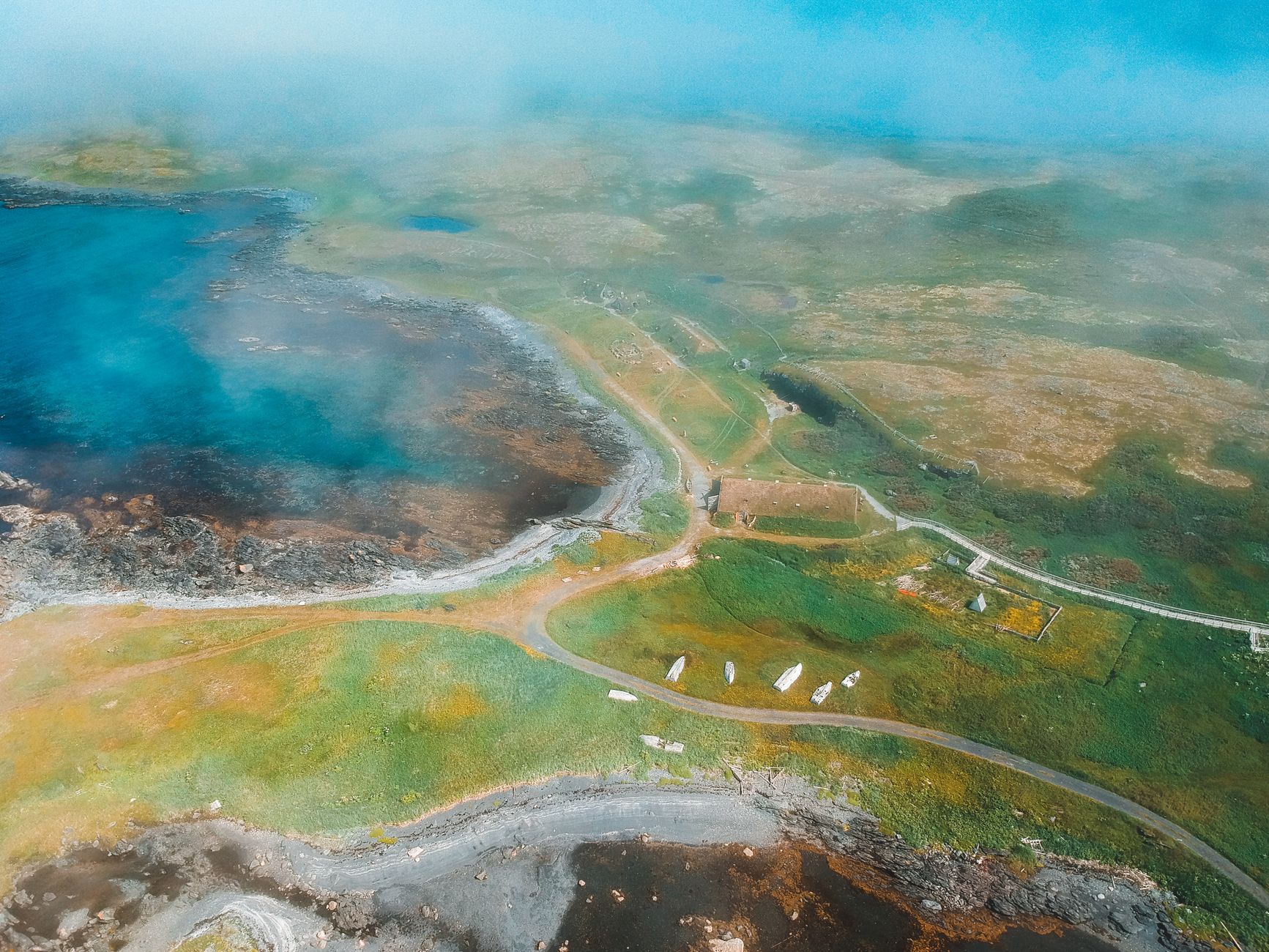

Introduction to Scotland’s Northernmost Frontier
At the northernmost tip of the United Kingdom, where the North Sea converges with the North Atlantic, the Shetland Islands represent one of the most demanding geographical environments for commercial civil aviation. This archipelago, comprising roughly a hundred islands of which only a few are permanently inhabited, relies on a complex air transport network to maintain social cohesion, its fishing and energy economies, and resident mobility. Unlike other island destinations where air connectivity primarily serves seasonal tourism flows, in Shetland the airplane is an essential public utility—a sort of extension of the national highway that constantly defies the laws of aerodynamics due to relentless local weather.
The core of this connectivity infrastructure is found at Sumburgh Airport, located at the southern tip of the main island, Mainland. Initially constructed during the Second World War and subsequently adapted for commercial aviation, Sumburgh is far more than just a landing strip; it is the umbilical cord connecting over twenty-two thousand residents to Scottish mainland urban centers such as Aberdeen, Edinburgh, and Glasgow. Analyzing the operations of this airfield involves examining how aeronautical engineering and crew expertise combine to overcome gale-force winds, dense fogs, and unique geographical runway layouts.
The Crossroad of Converging Runways
Shetland’s geography presents technical characteristics rarely seen in modern commercial aviation. The airfield features a crosswind runway system including a primary paved surface and historical grass strips historically utilized by light aircraft under extreme crosswind conditions. The configuration of these runways is dictated by the narrow peninsula upon which the airport sits, flanked by the sea on both sides. This location exposes the facilities to unpredictable wind gusts cascading down from surrounding hills or sweeping directly off open water.

For aviation engineers and airport authorities, maintaining this logistical hub requires continuous investment in lighting systems, instrumental approach technology, and pavement maintenance. The aircraft routinely operating this route—predominantly state-of-the-art turboprops such as the ATR models operated by regional airlines—are specially adapted to withstand severe turbulence and operate within shortened runway distances. The capability of these aircraft to cope with heavy crosswinds is the determining factor preventing prolonged isolation of the archipelago during winter months.
Aviation in northern Scotland is measured not by passenger comfort, but by the unwavering reliability of a service that defies the daily fury of the Atlantic.
Extreme Weather and Approach Systems
The greatest challenge to Shetland’s connectivity is not the distance to the mainland—roughly one hundred nautical miles from Aberdeen—but the volatility of its climate. Weather conditions can change radically within minutes. Atlantic fronts bring intense rain squalls, very low cloud ceilings, and winds frequently exceeding recommended thresholds for conventional aircraft. This reality has driven the implementation of advanced navigation technologies, such as GNSS satellite-based approach systems, enabling aircraft to be guided with pinpoint accuracy even when horizontal visibility is practically nil.
Despite technological sophistication, the final landing decision rests almost entirely on the aircraft commander’s expertise. Pilots flying the Sumburgh route undergo specific simulator training recreating windshear turbulence characteristic of the area. The interaction between air currents and coastal orography generates eddies that test the operational limits of the airframes. This technical rigor ensures that, despite climatic adversities, cancellation rates remain within tolerable margins for the local economy.
Regional Fleet and Intermodal Integration
The success of Shetland’s connectivity model lies in the careful selection of its aviation fleet. Routes to the archipelago demand aircraft balancing fuel consumption, passenger capacity, and structural robustness. Turboprops have proven vastly superior to regional jets in this scenario, thanks to their tolerance for harsh conditions on runways exposed to marine salt and their nimble response to sudden wind gusts during critical takeoff and approach phases.
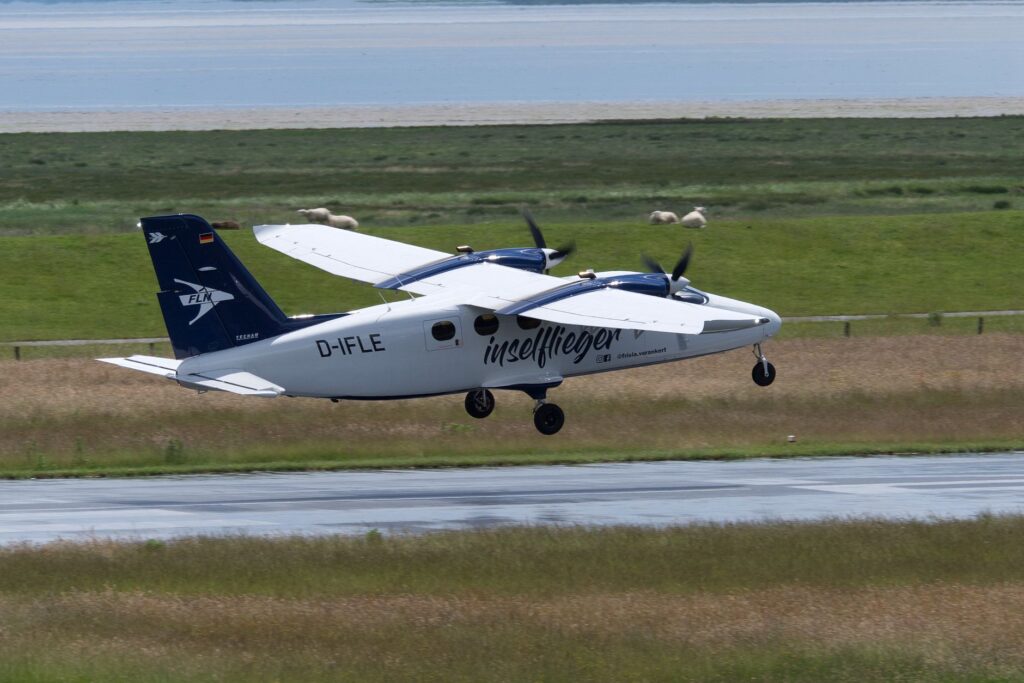
Beyond the primary mainland connection, the island’s airport system includes Tingwall Aerodrome, situated near the island capital of Lerwick. Tingwall serves as a base for intra-island flights linking Mainland with the outer islands of Fair Isle, Foula, and Papa Stour. These flights, operated with smaller light aircraft, are vital for mail transport, urgent medical supplies, and residents needing administrative services in the archipelago’s core hub. Coordination between high-capacity commercial flights and these general aviation services forms a notable example of small-scale logistical integration.
The Socioeconomic Impact of Overcoming Isolation
For an isolated island community far from major European markets, air connectivity is the engine sustaining diverse economic sectors including aquaculture, the energy industry, and specialized tourism. Salmon farming companies and energy corporations operating North Sea platforms rely on Shetland’s airport infrastructure for technical crew rotations and urgent supply chain management. Without stable flight frequencies, the viability of these industries in such a remote setting would be severely compromised.
Similarly, tourism, though constrained by hotel capacity and seasonality, has experienced steady growth thanks to reliable air connections. Travelers seeking pristine nature, seabird colonies, and Neolithic archaeological heritage find direct flights from Edinburgh or Aberdeen to be a rapid access route avoiding prolonged sea crossings across frequently rough waters. The balance between tourism development and the preservation of local tranquility is closely managed by community authorities.

Support Infrastructure and Airport Security
Operating an airport at such high latitudes demands highly specialized ground handling infrastructure. Sumburgh’s maintenance teams are prepared to intervene immediately against snow accumulation, ice, or persistent precipitation that could compromise runway friction coefficients. Sweeper trucks, anti-icing fluid dispensers, and continuous pavement condition measuring systems operate around the clock during the winter season.
Airport security in Shetland also encompasses local wildlife management. Surrounded by marine habitats and seabird nesting areas, the risk of bird strikes against aircraft is a constant concern for operators. Acoustic systems, deterrent patrols, and rigorous biological monitoring are deployed to minimize bird presence near flight paths, safeguarding passengers and crew members at all times.
The robustness of infrastructure is judged not only on days of calm, but by its capacity to remain operational when the elements conspire against it.
Future Challenges and Energy Transition in Insular Aviation
Looking toward coming decades, the Shetland Islands air transport system faces the unavoidable challenge of decarbonization. As short-haul routes—typically under an hour of flight time—the archipelago serves as an ideal testbed for introducing electric or green-hydrogen-powered aircraft. Local governments and private operators already collaborate on research projects evaluating how future sustainable aviation technologies can integrate into regional fleets operating under demanding weather conditions.
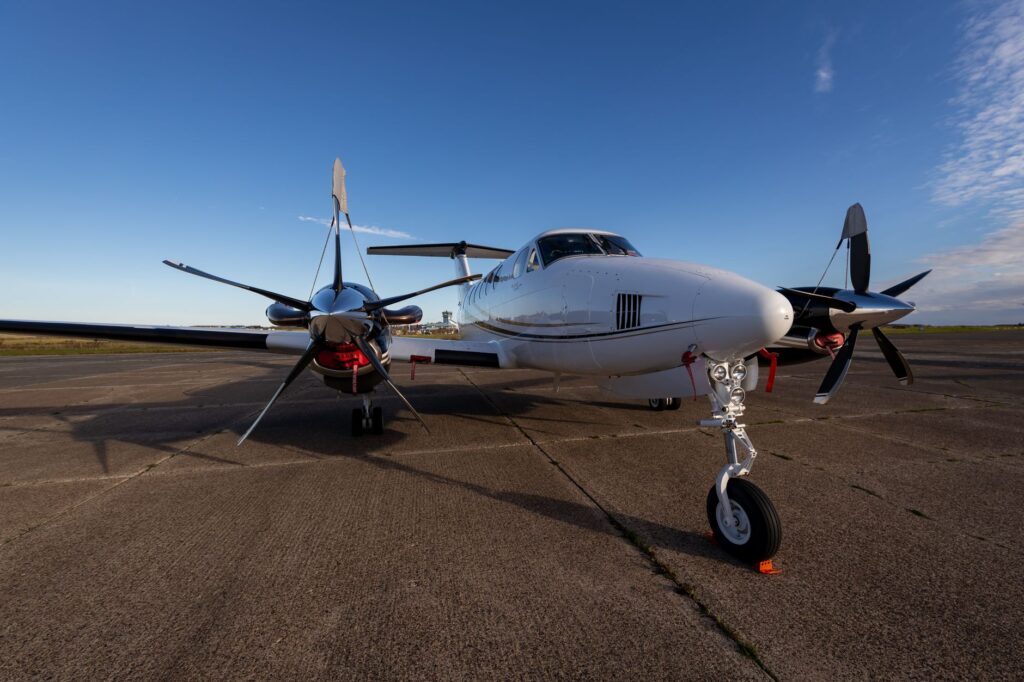
The energy transition will require not only fleet renewal but also airport infrastructure adaptation for new energy sourcing and safe storage of alternative fuels. Shetland’s objective is to establish itself as a benchmark for sustainable air connectivity in northern Europe, proving geographical remoteness is no barrier to leading technological innovation in regional transport.
Practical Information for Travelers and Logistics Planners
Main Routes: Regular daily connections operated by Loganair from Aberdeen (ABZ), Edinburgh (EDI), and Glasgow (GLA) to Sumburgh Airport (LSI).
Baggage and Restrictions: Due to regional aircraft sizes (typically ATR 42 or ATR 72), cabin baggage dimensions and weights are strictly regulated. Checking airline-specific policies prior to travel is strongly advised.
Time Buffer: Passengers are advised to arrive at the airport at least ninety minutes in advance, given that check-in and security processes adjust to concentrated departure operations.

Transportation Alternatives: In case of severe weather cancellations, the ferry operated by NorthLink Ferries between Lerwick and Aberdeen serves as the primary surface transport alternative, taking approximately twelve hours.
Intra-island Connectivity: Flights to smaller islands are operated by Airtask on behalf of the Shetland Council; advance booking is essential due to limited aircraft capacity.
Conclusion: Resilience as an Operational Norm
Air connectivity in the Shetland Islands is far more than a set of commercial routes; it stands as a testament to applied engineering and human determination against geographical hostility. Sustaining aerodrome operations exposed to the relentless onslaught of the North Atlantic demands a seamless symbiosis between advanced technology, piloting skill, and flawless logistical management. As the archipelago continues adapting to 21st-century demands and energy transition challenges, Sumburgh Airport stands firm, firmly established as the true lifeline keeping these islands bound to the world’s pulse.