

A Green Lung at the Gates of the Metropolis
The geography surrounding Madrid holds countless surprises that are often overshadowed by the overwhelming cultural and leisure offerings of the metropolis. Yet, when the calendar becomes compressed and social commitments threaten to saturate the senses, the answer does not always require distant journeys. Just an hour north of the city, the Northern Sierra unfolds a landscape where time seems to have slowed its pace. It is here, among mountain folds sculpted by water and wind, that visitors find a route combining the right measure of hiking challenge with serene contemplation: the Patones Ravine trail.
This itinerary, spanning approximately eight hundred to nine hundred meters, presents an ideal alternative for those seeking to disconnect from urban noise without planning complex alpine expeditions. Far from the crowds that swamp other enclaves in the Madrid region during weekends and holidays, this trail offers an intimate encounter with the natural environment, allowing walkers to step into a landscape where geology and rural history engage in perfect harmony.
The Awakening of the Landscape in Patones de Abajo
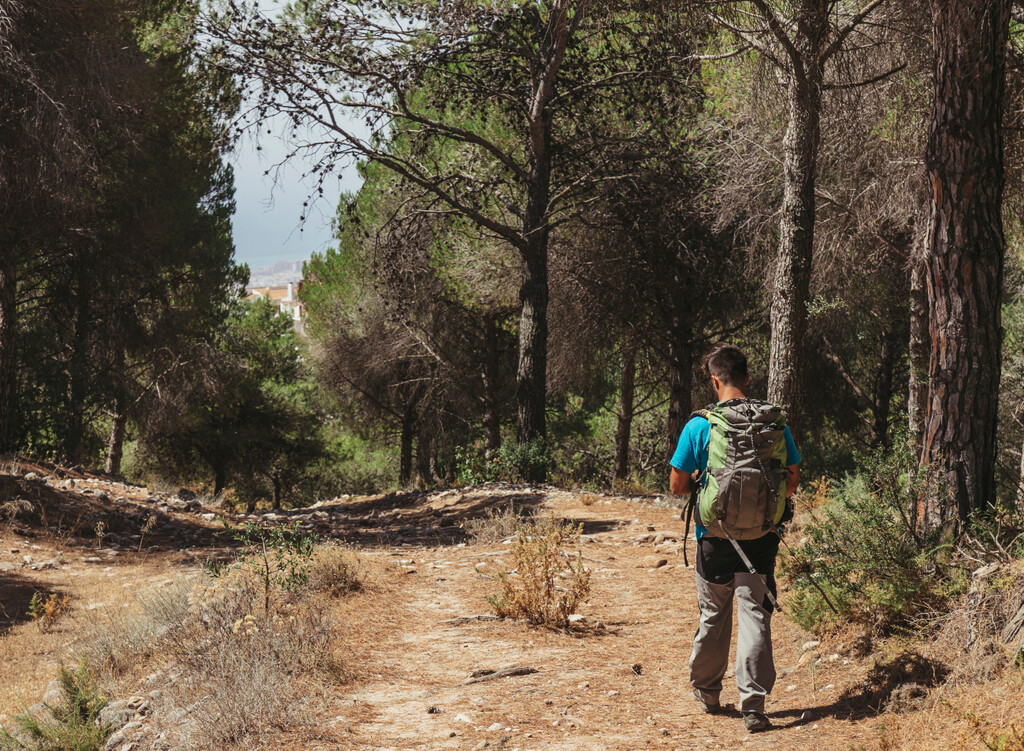
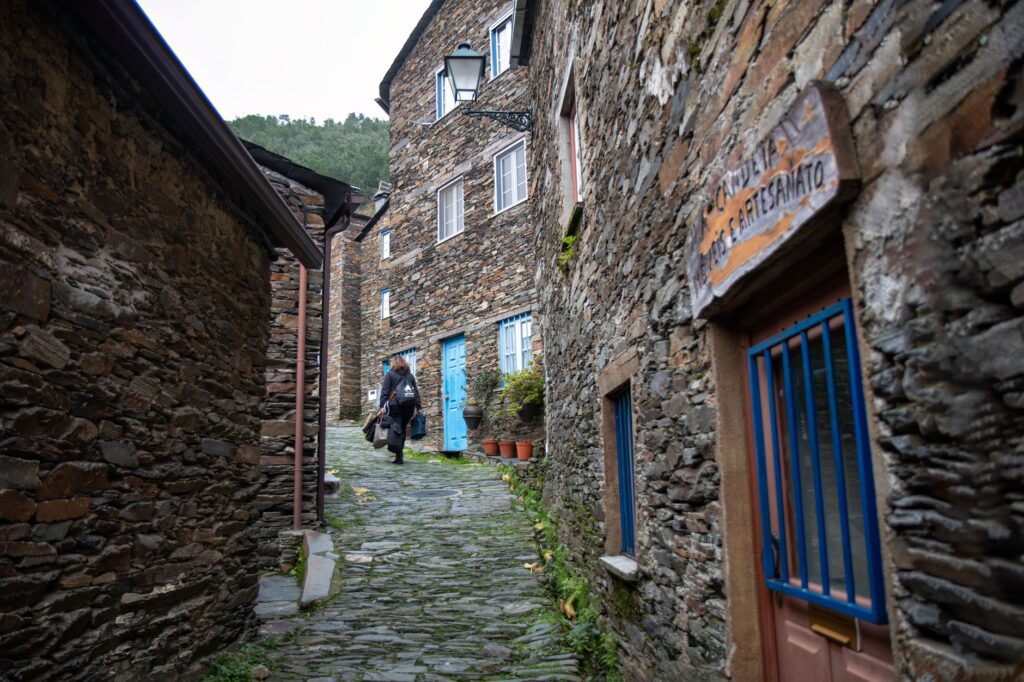
The starting point of this adventure is situated in Patones de Abajo, a settlement serving as an accessible gateway to the area’s rich scenery. Unlike its famous older sibling, Patones de Arriba—globally renowned for its black slate architecture and historical isolation—the lower village provides logistical convenience that facilitates the start of the hike. From the very first steps, the atmosphere changes radically; the murmur of traffic surrenders to the song of wild birds and the constant whisper of water.
The route begins to gain character as hikers leave the final buildings behind. The terrain, composed of dirt paths and loose stones, requires appropriate footwear, especially during periods when rain or melting snow increases soil moisture. Every step deeper into the ravine is an invitation to leave daily tensions behind, immersing oneself in a valley where riparian vegetation and rocky outcrops shape a scene of striking beauty.
Among Waterfalls and Living Streams
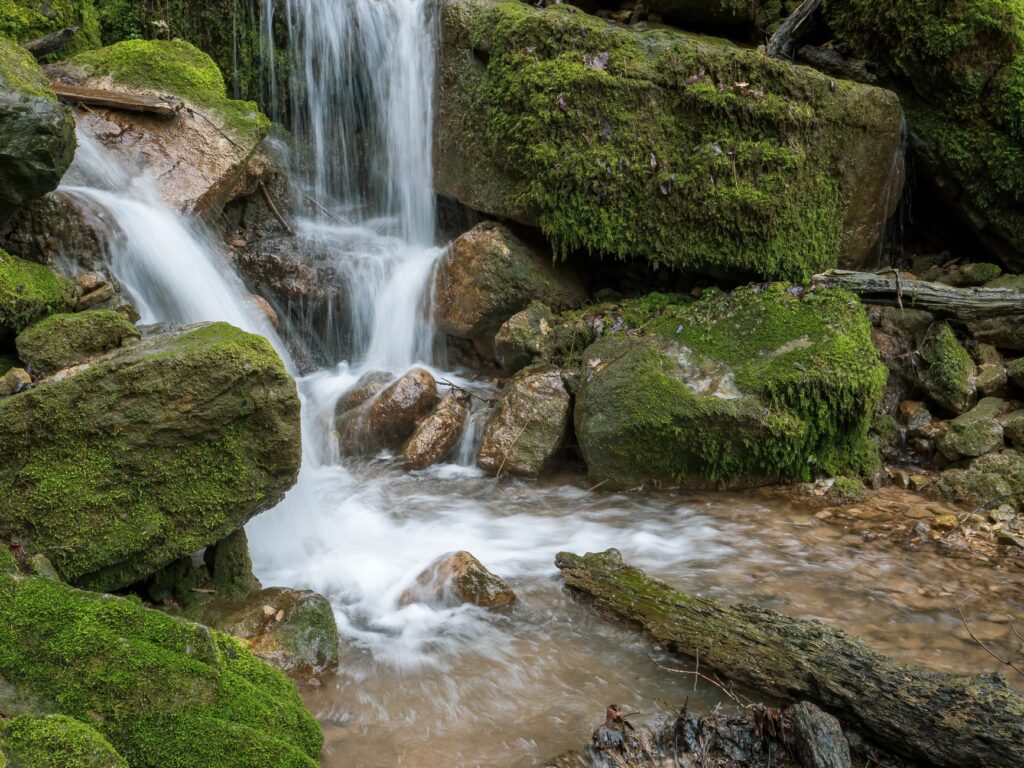
One of the major attractions justifying a visit to this little-known corner is the constant presence of water elements. Although the stretch is relatively short, the Patones Ravine trail surprises travelers with small seasonal waterfalls and cascades that surge vigorously after periods of precipitation. These watercourses, fed by local streams, carve through the limestone rock and provide visual dynamism to a landscape that contrasts with the apparent aridity of surrounding slopes.
The sound of water plunging among rocks acts as a natural balm. Moss formations growing in the shadiest and dampest areas of the ravine create a unique microclimate where botanical biodiversity manifests in all its splendor. Ferns and riverside shrubs flank the path, offering a green tunnel that shields walkers from the sun in warmer months and provides an almost magical atmosphere during winter mornings.
Water does not merely carve the stone of this ravine; it draws a necessary pause within the accelerated tempo of modern life.
Black Architecture: The Imprint of Slate on the Territory
The route stands out not only for its natural values but also for its deep connection with the vernacular architecture of the region. A short distance from the trail, the famous black slate architecture defines the visual identity of the area. The buildings in Patones, constructed entirely with dark slate slabs joined dry or with lean mortar, demonstrate a masterful adaptation to the surrounding geological environment.
This architectural style, more typical of areas like Guadalajara or Segovia, finds one of its purest expressions in this Madrid sector. Traditional dwellings, barns, and old livestock pens reflect a subsistence economy based on mountain agriculture and livestock. Walking through these landscapes helps visitors understand how humans have historically inhabited these steep slopes without irreversibly disrupting the ecosystem’s balance.
Panoramic Views and Open Horizons
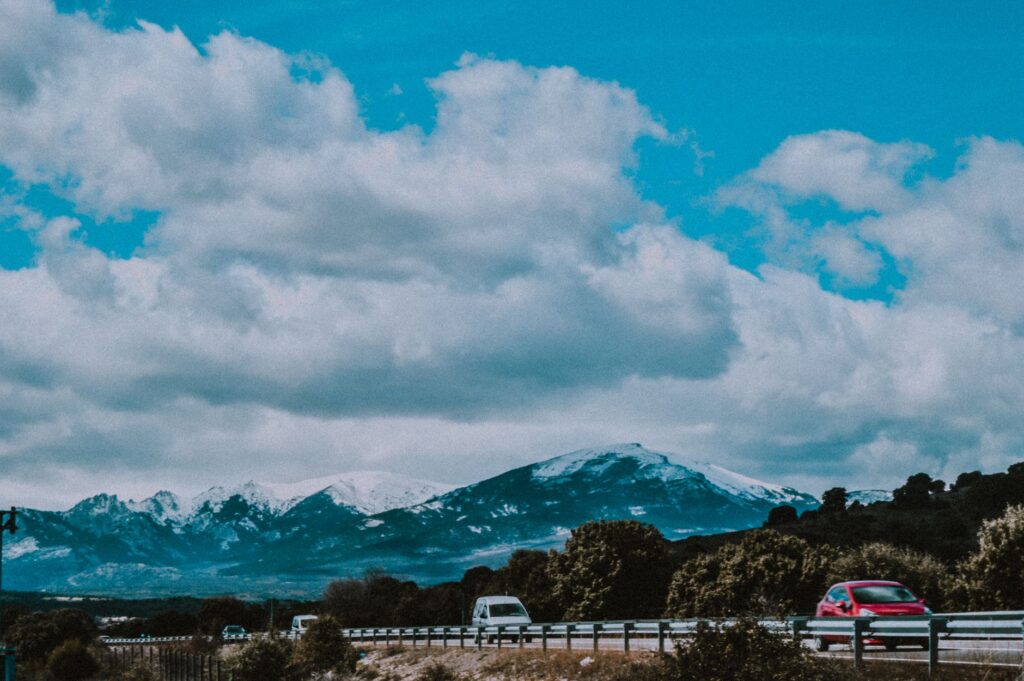
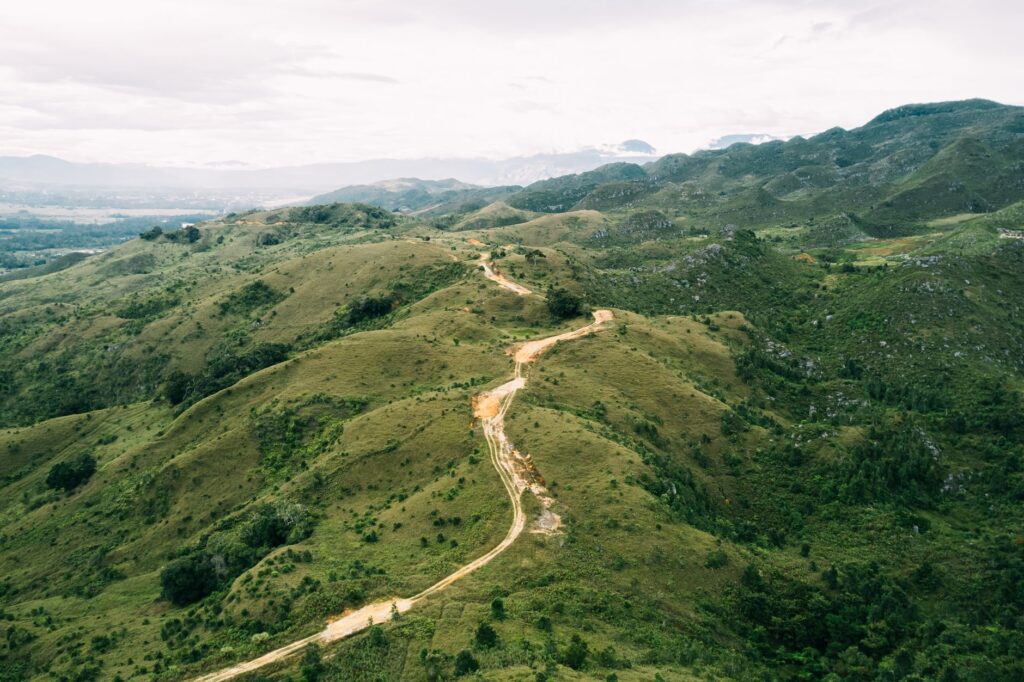
As the trail progresses and ascends slightly in certain sections, visual perspectives broaden remarkably. From the highest points of the route, hikers are rewarded with panoramic views encompassing the vastness of surrounding valleys and the foothills of the Ayllón mountain range. The combination of mountain peaks with cultivated fields and river courses creates a chromatic composition that changes radically according to the season.
During winter months, peaks often wake up dusted with thin layers of snow, while in spring, floral blooms paint the slopes in shades of yellow and purple. This scenic versatility turns the Patones Ravine trail into a destination of permanent interest, capable of offering a different aesthetic experience with each visit, regardless of when the journey is undertaken.
A Natural Antidote Against Daily Excesses
In the current context, where holiday periods or festive seasons are often accompanied by intense social activity, heavy banquets, and alterations in biological rhythms, hiking establishes itself as a premier therapeutic tool. Walking at human speed, feeling physical effort and steady breathing, helps metabolize both gastronomic excesses and stress accumulated over months of labor obligations.
Health experts agree that exposure to natural environments—the well-known concept of forest bathing—reduces cortisol levels, improves blood pressure, and stimulates the immune system. The Patones Ravine trail, due to its accessibility and moderate profile, thus becomes a medical and emotional prescription within reach of anyone willing to lace up boots and leave their mobile phone behind.
Sustainability and Respect for a Fragile Ecosystem
Growing interest in discovering less crowded corners brings an inescapable responsibility: the preservation of the environment. The Patones Ravine, despite its natural resilience, is a fragile ecosystem where human pressure can disrupt delicate balances. Riparian flora and local fauna—including various species of raptors and small mammals—depend on the tranquility of the location for their development and reproduction.
For this reason, local authorities and environmental groups insist on the need to practice respectful hiking. This implies staying on marked paths, avoiding the collection of plant or mineral samples, refraining from noise pollution, and, of course, always carrying out the waste generated. The conservation of this natural heritage depends entirely on the civic awareness of those who visit.
Practical Information for the Visitor
Planning an excursion to the Patones Ravine trail requires keeping a series of basic recommendations in mind to ensure a safe and rewarding experience. Although the route is short, mountain topography can bring sudden weather changes, especially during autumn and winter months.
- How to get there: From Madrid, access is primarily via the A-1 highway to the El Molar exit, continuing on the M-102 road toward Torrelaguna and Patones. The car journey takes approximately one hour.
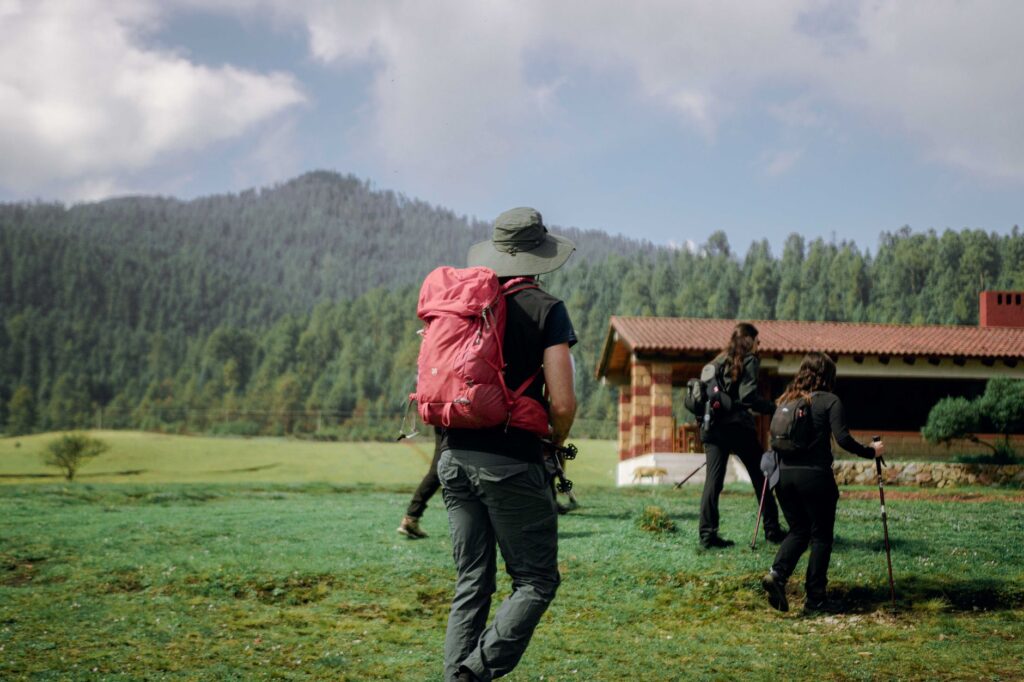
- Recommended equipment: Mountain footwear with slip-resistant soles, layered clothing to adapt to thermal changes, sufficient water, and light snacks. Trekking poles are advisable if planning to extend the walk into the surrounding areas.
- Estimated duration: The main ravine trail can be completed in under an hour at a leisurely pace, though it is advisable to reserve at least half a day to explore Patones de Abajo and its surroundings.
- Best time to visit: While any season has its charm, spring and autumn offer the most pleasant weather conditions and colorful landscapes. Following rainy days, waterfalls show their highest flow.
The true wealth of a journey is not measured by kilometers covered, but by the capacity for wonder we manage to preserve before the small details along the path.
The Value of Proximity in Contemporary Travel
The phenomenon of proximity tourism has gained undisputed prominence in recent years. Faced with the carbon footprint derived from major international travel, rediscovering the hidden treasures of one’s own territory emerges as an ethical, sustainable, and enormously enriching option. Places like the Patones Ravine demonstrate that crossing borders is not necessary to find moving landscapes and disconnect from routine.
Ultimately, this hiking trail an hour from Madrid represents much more than a simple stroll among waterfalls and slate. It is an invitation to recover the human scale of time, to look closely at what nature offers unselfishly, and to understand that the best discoveries are most often just around the corner.
Source: Diario del Viajero

