

A Stone Refuge Among the Forests of the Sierra de Francia
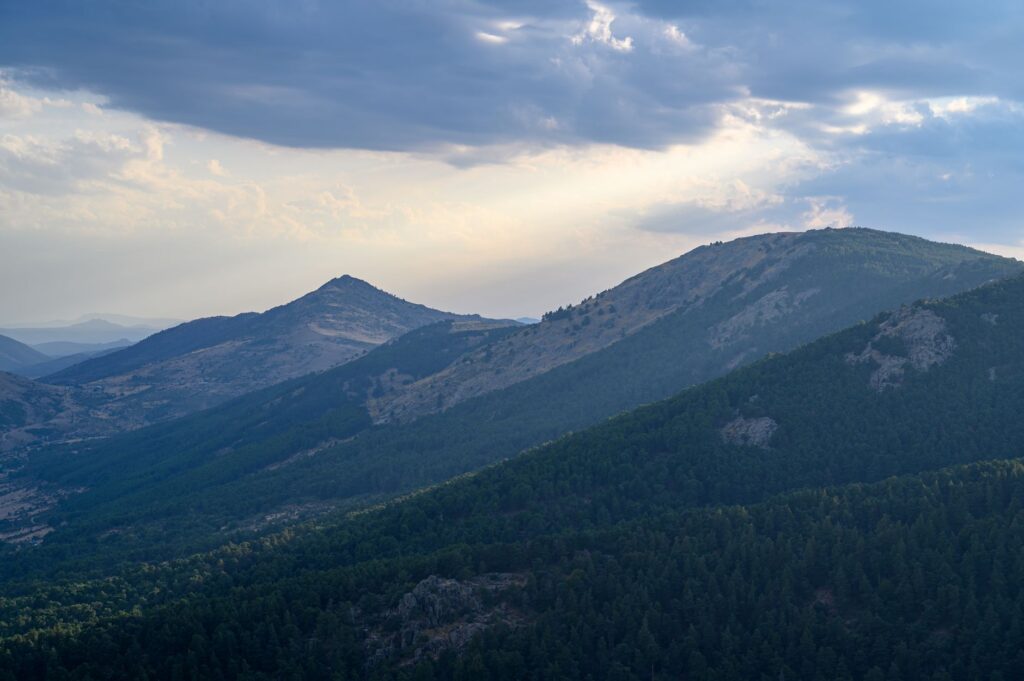
When winter descends upon the Central System, the peaks of the Sierra de Francia in Salamanca acquire a leaden hue that contrasts sharply with the dense green of chestnut and oak forests. In this geographical corner of steep slopes and deep valleys, human hands have spent centuries sculpting a landscape where vernacular architecture is not merely an aesthetic ornament, but a direct response to harsh climate conditions and past resource scarcity. Traditional dwellings, characterized by oak timber framing, stone masonry, and ashlar blocks featuring religious inscriptions and secular dates, form a labyrinthine urban layout. Strolling through these streets in the cold months offers insight into a lifestyle inextricably linked to the land, transhumance, and ancestral religiosity that has survived almost intact across the centuries.
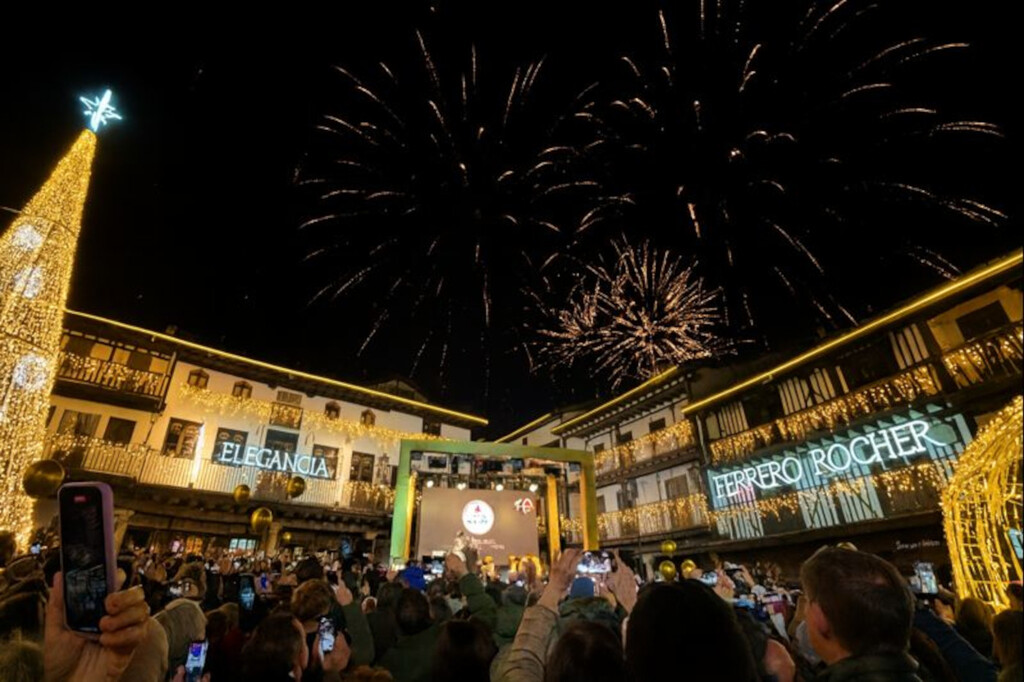
However, the arrival of December radically transforms the atmosphere of this historical-artistic complex, designated as the first village in Spain to receive such official classification back in 1940. What during the rest of the year remains an exercise in mountain sobriety and monastic silence becomes a lighting display of notable dimensions during the holiday period. With the installation of 170,000 low-consumption LED bulbs, the municipality achieves a delicate balance between modernizing its winter tourism appeal and strictly respecting architectural heritage that tolerates no glaring excesses. This report examines how a mountain village manages the difficult transition between ancient traditions and seasonal mass tourism.
The Genesis of a Sustainable Lighting Spectacle
The decision to monumentally illuminate the streets of this Salmantine enclave does not stem from a fleeting aesthetic whim, but from an economic and cultural strategy consolidated over recent years. Local authorities and residents understood that winter represented an economically depressed period for local hospitality and commerce, sectors heavily reliant on the summer season and autumn long weekends. Introducing thousands of light points across facades, balconies, and squares seeks to reactivate the regional socio-economic fabric without distorting the identity of the location.
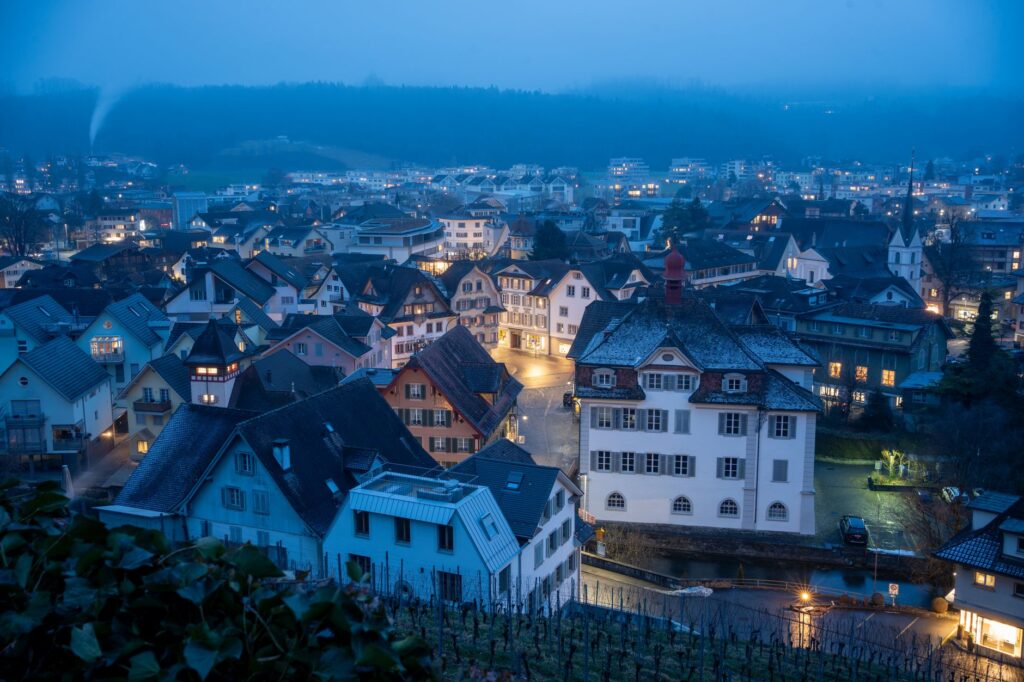
Unlike major provincial capitals, where Christmas illumination competes with skyscrapers and impersonal commercial avenues, the challenge here consisted of accentuating the master lines of vernacular architecture. Municipal technicians and electricians in charge of setup work weeks before December begins to weave a wiring network that remains virtually invisible during daylight hours. Every wooden beam, every porch, and every stone nook receives specific lighting treatment designed to highlight volumes rather than bury them under a blinding mantle of loud, discordant colors.
The Main Square: The Social and Commercial Pulse of the Municipality
The epicenter of all public life in this mountain village is its characteristic irregular main square, an arcaded space that has historically functioned as a market, atrium, and stage for collective celebrations. During the weeks leading up to Christmas, this area becomes the undisputed heart of the visual and sensory experience. Granite stone arches support traditional homes featuring continuous balconies that, during these dates, overflow with plant elements and cascades of warm golden light.
In the center of the square, the traditional fountain seems to multiply its murmurs beneath the intermittent reflection of nocturnal glimmers. It is here that local residents and travelers arriving from diverse points of the peninsula gather as dusk falls. The mountain silence is gently broken by the murmur of conversations and the crunch of footsteps over the cobblestone floor, creating an atmosphere of community gathering that differs markedly from the commercial hustle and bustle of large cities during the exact same dates.
Vernacular Architecture and Heritage Preservation
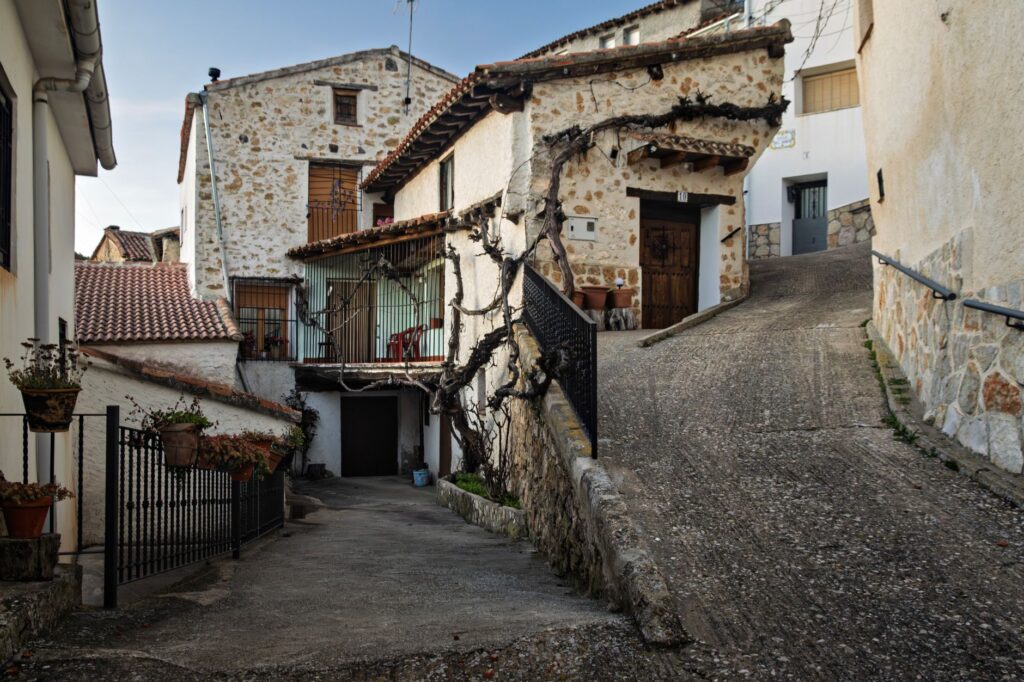
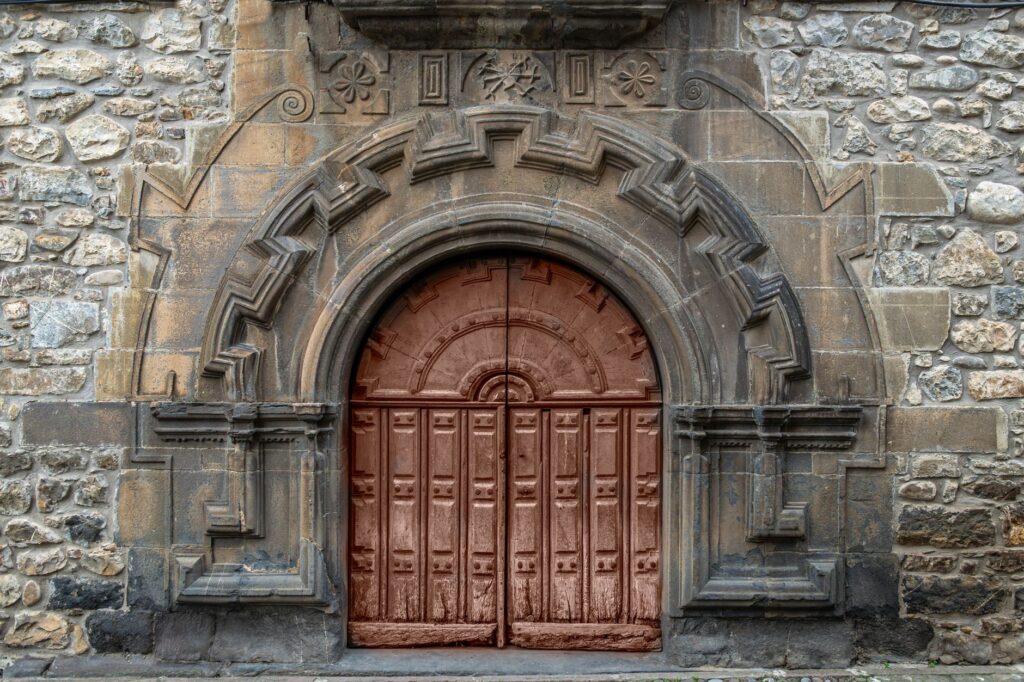
Understanding the aesthetic magnitude of this luminous display requires examining the particularities of its architecture. The local houses respond to a very specific typology: a ground floor made of stone for animals or storage, a first floor for living quarters with large protruding balconies oriented south to capture winter sun heat, and a loft or attic under the roof. Door jambs frequently include relief inscriptions featuring crosses, owner names, or construction dates often dating back to the sixteenth and seventeenth centuries.
Introducing electrical wiring and luminaires into such a fragile environment is subject to strict regulations by the Heritage Commission of the Junta de Castilla y León. Drilling into protected structural elements or altering the physiognomy of historical facades is strictly prohibited. For this reason, most light installations are fixed using reversible systems that respect the integrity of oak timber and local granite, ensuring that historical heritage suffers no irreversible damage for the sake of Christmas tourist appeal.
The Voice of the Community and Demographic Resistance
Behind the seasonal bustle and the thousands of visitors walking illuminated streets lies a complex and fragile demographic reality. Like much of the so-called emptied Spain, the region suffers from persistent population aging and loss of registered inhabitants during non-summer months. Managing winter tourism therefore represents a double-edged sword for permanent residents.
Artificial light illuminates the streets for a few weeks, but the real challenge consists of keeping the lives of its inhabitants alight during the darkest months of the mountain winter.
On one hand, the influx of visitors invigorates the local economy and allows small family businesses to keep their doors open beyond summer. On the other hand, occasional overcrowding on weekends and holidays poses significant logistical challenges regarding parking, waste management, and public space saturation. Neighborhood spokespersons insist on the necessity of finding a sustainable balance prioritizing resident quality of life over sheer quantitative accumulation of tourists.
Winter Gastronomy: Warmth and Tradition in Mountain Taverns
The tour through illuminated streets remains incomplete without an immersion in the rich traditional gastronomy of the Sierra de Francia, designed specifically to combat low Castilian winter temperatures. Local taverns and wine cellars offer a menu based on high-quality indigenous products, where Iberian pork holds a privileged place due to proximity with neighboring Guijuelo and Salmantine pasturelands.
Among the most requested dishes are `patatas meneás` with pork rinds, a humble and comforting dish based on mashed potatoes flavored with paprika and olive oil, topped with crispy pancetta pieces. Likewise, acorn-fed cured meats, wood-fired roast kid goat, and small game meats form a culinary offering pairing perfectly with regional designation of origin wines crafted from native grape varieties like rufete, recovered through the efforts of small local winemakers.
The Mystery of Youth Groups and Popular Religiosity
The cultural identity of this municipality goes far beyond its medieval aesthetics or Christmas illumination; it rests upon a framework of secular traditions reaching their peak during winter festive cycles. One of the most unique institutions is the Rosario Brotherhood and the so-called `mocedades`, youth groups preserving late medieval chants, couplets, and rituals transmitted orally across generations.

During winter nights, traditional couplets dedicated to the Virgin or daily community matters can be heard in certain corners of the village. This cultural survival provides unusual anthropological depth to a destination that would otherwise risk reduction to a mere seasonal theme park. The respectful visitor who looks beyond LED lights discovers a deeply living intangible heritage.
Hiking Trails and Natural Environment in Cold Months
For travelers wishing to complement nocturnal urban strolls with nature immersion, the surroundings offer a network of perfectly marked trails penetrating the Las Batuecas-Sierra de Francia Natural Park. The trail leading to the historic monastery of the Desert of Las Batuecas, situated at the bottom of a rugged valley isolated from the world, constitutes one of the region’s essential excursions.
In winter, deciduous vegetation stripped of leaves allows contemplation of whimsical rock formations and crystal-clear water streams running high after seasonal rains. Walking along these silent trails offers a perfect counterpoint to bustling illuminated streets, allowing travelers to experience the contrast between human activity concentrated in the urban core and the rugged immensity of the protected natural environment.
Practical Information for the Winter Visitor
Planning a winter getaway to this corner of Salamanca requires keeping in mind fundamental logistical considerations to ensure a satisfying and environmentally respectful experience:
- How to get there: Main access is by road via the SA-210 and SA-220 from Salamanca city, taking approximately an hour and a half winding through mountain passes like El Portillo.
- Parking: Due to the narrowness of historical streets, non-resident vehicle access is prohibited in the urban center. Authorized parking lots are available at peripheral village entrances, a short walk from the center.
- Lighting schedules: The 170,000 LED lights typically turn on at dusk, around 6:00 PM, remaining lit until midnight during weekends and holidays of the Christmas period.
- Weather conditions: Winter nighttime temperatures frequently drop below zero, making technical warm clothing, comfortable footwear, and anti-slip shoes essential for walking on cobblestone streets.
A Destination That Transcends Seasonal Postcards
The luminous phenomenon drawing thousands of curious visitors to this Salmantine corner every December demonstrates that rural Spanish heritage can reinvent itself without losing its soul. Far from constituting a fleeting commercial claim, the 170,000 bulbs act as a spotlight illuminating architectural excellence, ethnographic wealth, and the resilience of a mountain community refusing to fade into winter oblivion.
The true magic of this village does not reside exclusively in the power of its Christmas lights, but in its capacity to preserve millenary authenticity when the bulbs turn off and mountain silence returns.
Travelers deciding to step into its cobbled streets during the coldest months of the year will discover that the beauty of this enclave extends far beyond visual spectacle. It is, ultimately, an exercise in rediscovering slowness, living history, and popular architecture in its utmost expression.
Source in Diario del Viajero: El pueblo de Salamanca que es un espectáculo navideño: 170.000 bombillas iluminan sus calles

