
A frontier between geography and mountain myth
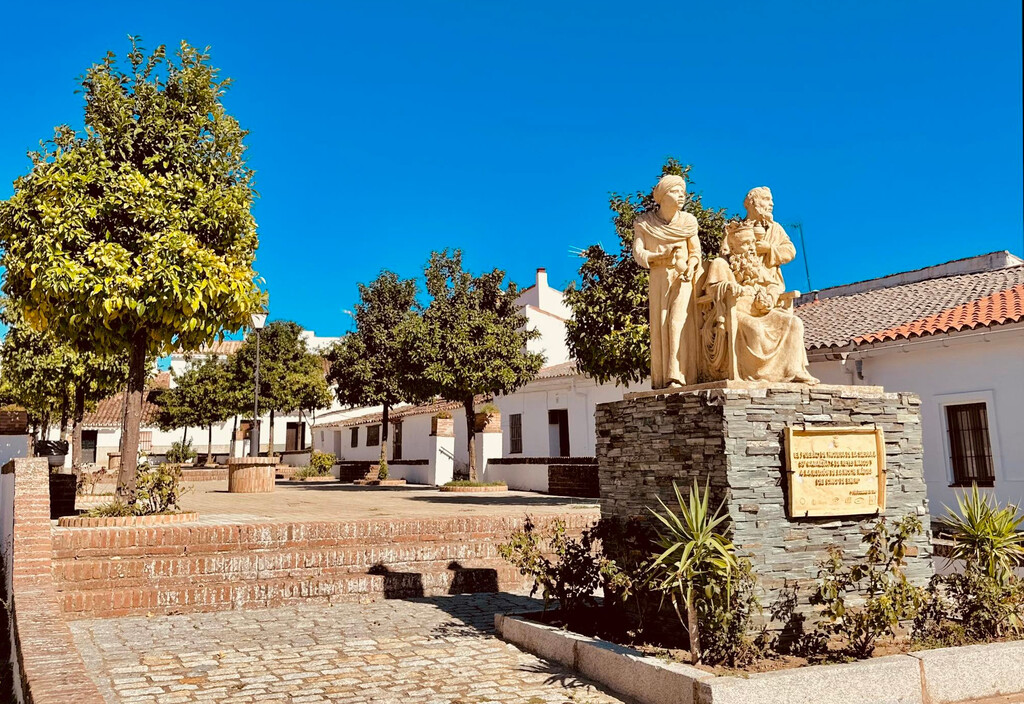
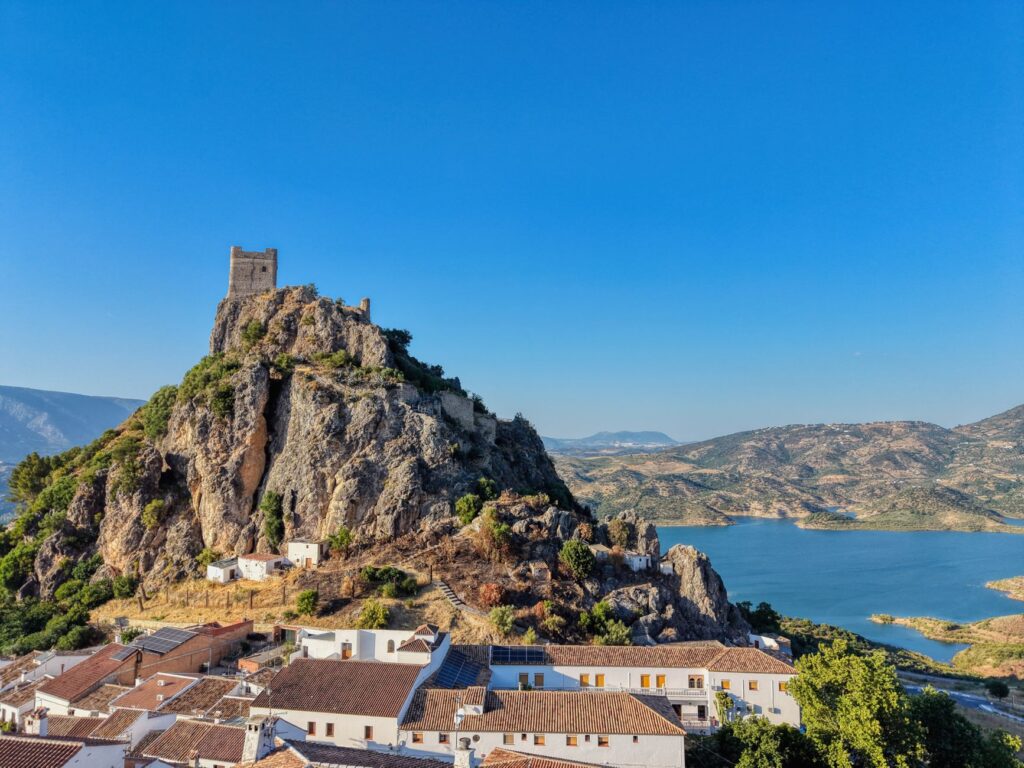
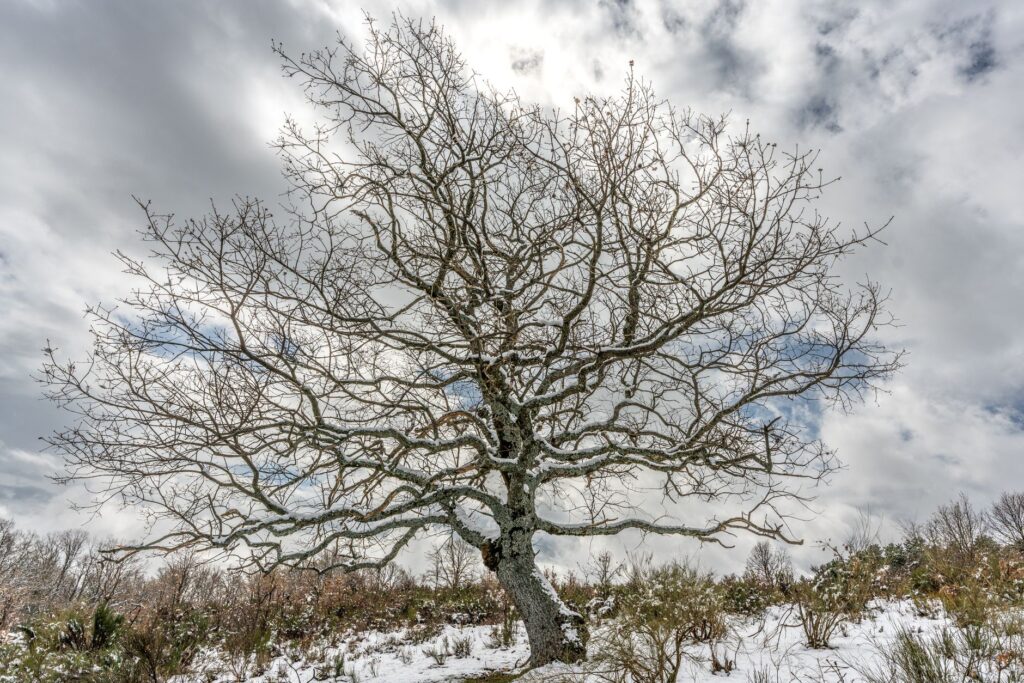
There are geographies where winter is not measured by falling thermometer readings, but by the density of the silence that precedes a festival. In the natural park of the Sierra de Aracena y Picos de Aroche, the bare chestnut groves and the dehesas of holm oaks moistened by morning dew seem to guard an ancient secret. As secondary roads wind between limestone drops and dry-stone walls, the traveler realizes they are entering a territory where the civil calendar is temporarily suspended. Here, in the western foothills of Sierra Morena, the popular architecture of whitewashed facades and Arab tile roofs is not a museum set, but the home of a community that has preserved one of the most unusual winter traditions on the Iberian Peninsula.
The municipality of Higuera de la Sierra does not host just any festivity. Historically known as the Town of the Three Wise Men, this locality of just over a thousand inhabitants is wholly dedicated to a collective liturgy that transcends the commercial folklore of large urban centers. When the first shadows of January defeat the short light of dusk, the entire village ceases to be what it was and transforms into a vast moving altarpiece. The journalistic question underlying this persistence is profound: how does a rural community manage to keep alive, with identical aesthetic rigor and community devotion, a centuries-old tradition in a hyper-connected, fast-paced world?
The origins of a devotion sculpted in memory
To understand the magnitude of the Epiphany Pageant of Higuera de la Sierra, one must look back to the early decades of the twentieth century. It was not born as a tourism product or an institutional whim, but as an act of popular self-assertion driven by devotion and the desire to bring hope to the humblest corners of the mountains. In 1918, a group of neighbors decided that the arrival of the Magi from the East deserved a staging that would dignify the biblical narrative and integrate it into the urban landscape of the village. That initial handcrafted initiative laid the foundations for a model that, far from fossilizing, has been perfected from generation to generation.
The archive of local oral memory is filled with accounts of how costumes were sewn by candlelight or how wooden structures were prepared with rudimentary tools. The persistence of this collective effort lies in a tacit pact between elders and youth. Traditional knowledge—from ephemeral carpentry and textile design to lighting set-design—is passed down in local workshops during the months leading up to winter. This generational handover is the true engine preventing the festival from turning into a mere attraction of fast consumption.
The architecture of wonder: when streets become a stage
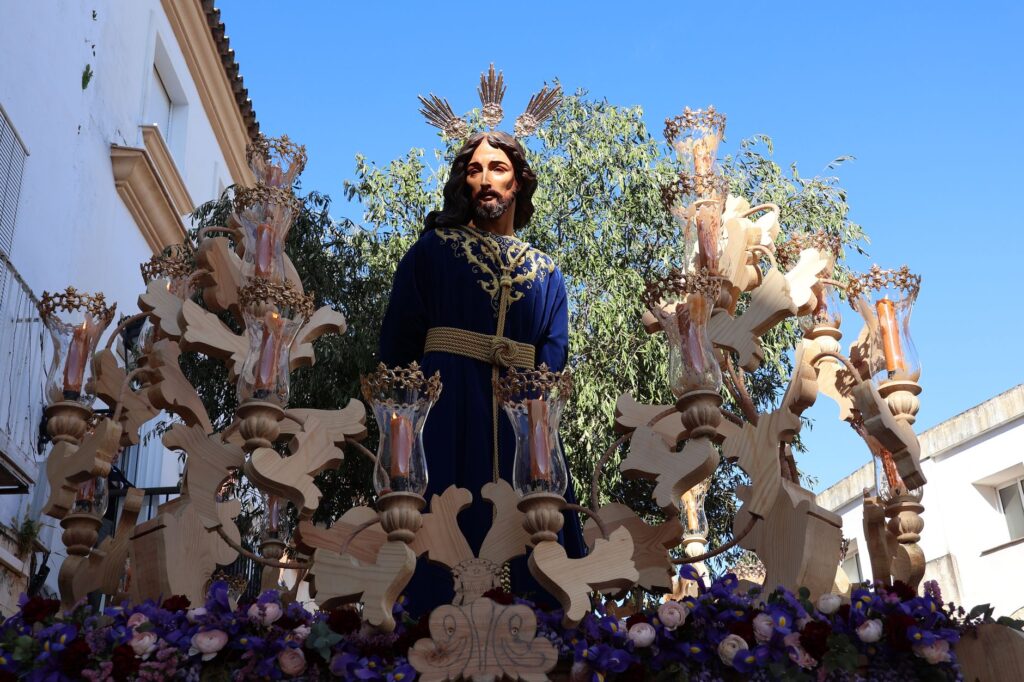
The urban layout of Higuera de la Sierra, with its steep slopes and intimate squares, seems purposely designed for the performance of the pageant. Unlike contemporary parades dominated by industrial elements and high-power pre-recorded sound, here the focus rests on the plastic stillness of the participants and a scrupulous respect for traditional aesthetics. The floats are not mere rolling platforms, but true three-dimensional dioramas where neighbors remain motionless for hours, recreating genre scenes and biblical passages with astonishing physical discipline.
Stillness is the secret language of this pageant; the figures, exposed to the mountain cold, sustain the dramatic tension without a single gesture breaking the illusion of the living picture.
This titanic effort requires complex technical preparation. The structures must adapt to the slope of the streets, guaranteeing the safety of the participants and the visibility of the spectators crowding every corner of the route. Lighting plays a fundamental role: modern lighting garishness is avoided as much as possible in favor of warm lights that enhance the textures of the fabrics, the baked clay of the figures, and the noble stone of the historic buildings serving as a backdrop.
The mystery of stillness: living tableaux and the technique of silence
The aesthetic core of the celebration lies in its condition of an open-air ephemeral museum. Each float represents a key moment of Christmas iconography and traditional rural life. Scenes range from the Annunciation to traditional mountain chores such as pig slaughtering, cork processing, and farming, fusing religious narrative with the anthropological history of the region. Participation in these tableaux is not decided by chance; there is a rigorous assignment of roles based on respect for veterans and demonstrated commitment to prior preparations.
The relative silence accompanying the procession is another element that startles the novice visitor. There is no deafening hubbub or commercial shouting; the dominant sound is the respectful murmur of the public, the crunch of wheels on cobbled asphalt, and the distant chords of a traditional musical formation accompanying on foot. This atmosphere of quiet contemplation turns the parade into an almost intimate experience, where every viewer, regardless of the crowd size, feels as though the gaze of the Magi and the figures is directed individually toward them.
The community backstage: the permanent workshop of illusion
The annual miracle displayed to the world on January fifth does not arise from improvisation. It begins to take shape many months in advance in municipal warehouses and local rooms where neighbors become anonymous artisans. Local carpenters, painters, seamstress, and electricians dedicate their free hours to designing and building the volumes that will later travel the streets. This collaborative work fulfills an incalculable social function in rural areas, bringing cohesion to a population that finds in this common project a reason for shared pride and territorial roots.
The true work of art in Higuera de la Sierra is not only what is seen on Epiphany night, but the invisible fabric of solidarity and collective endeavor woven throughout the year in the village workshops.
The financing of this display relies on a combination of municipal contributions, the collaboration of the neighbors themselves, and donations from visitors who recognize the exceptional cultural value of the festival. Unlike other large festive events managed by external production companies, here the emotional and material ownership unquestionably belongs to the community.
The anthropological dimension and responsible tourism in the mountains
The official recognition of the Higuera de la Sierra Pageant as a Festival of National Tourist Interest has brought a complex challenge to the municipality. The massive arrival of visitors in a single afternoon tests the infrastructure of a small mountain locality. Local managers and researchers of popular culture insist on the need to approach this influx from the parameters of sustainable and respectful tourism, remembering that the main goal is not to break attendance records, but to preserve the integrity of a community ritual.
For the traveler interested in cultural anthropology, the visit requires a contemplative attitude. It is not about consuming a quick spectacle and leaving, but about understanding the geographical and human context that sustains it. The Sierra de Aracena offers a perfect counterpoint during those days: winter nature, the silence of chestnut forests, and gastronomy based on acorn-fed Ibérica pork complete a deep and balanced travel experience.
Practical information for the traveler
Planning a visit to Higuera de la Sierra on the eve of Epiphany requires foresight due to the limitations of access and parking inherent to a traditional mountain municipality. It is advisable to arrive several hours before the start of the parade, usually scheduled for dusk on January fifth, around 18:00 or 19:00, depending on weather and organizational conditions for each edition.
- How to get there: The main access is via the N-433 highway, connecting Seville with Portugal across the Sierra de Aracena. From Seville, the private car journey takes approximately one hour.
- Parking: The town council sets up parking areas on the outskirts of the municipality. Following the instructions of local security forces is mandatory to prevent the collapse of evacuation routes.
- Clothing: Nighttime temperatures in the mountains during January are usually very low. Warm and comfortable footwear is recommended, along with appropriate thermal clothing to remain outdoors for several hours.
- Accommodation: Hotel availability within the urban core is limited, so seeking alternatives in nearby towns such as Aracena, Jabugo, or Galaroza months in advance is advisable.
Epilogue: the endurance of wonder in modern times
When the last float is packed away and street lights return to their everyday tone, Higuera de la Sierra recovers the calm of mountain villages. Yet, something lingers in the atmosphere. The living pageant demonstrates that our contemporary societies still need spaces where beauty is neither ephemeral nor commodified, but the fruit of shared effort and fidelity to a collective memory. Seeing this parade at least once in a lifetime is not merely checking off a traveler milestone, but witnessing the confirmation that magic, when cultivated with the hands and heart of an entire village, is an undeniable reality.
Source: Diario del Viajero