
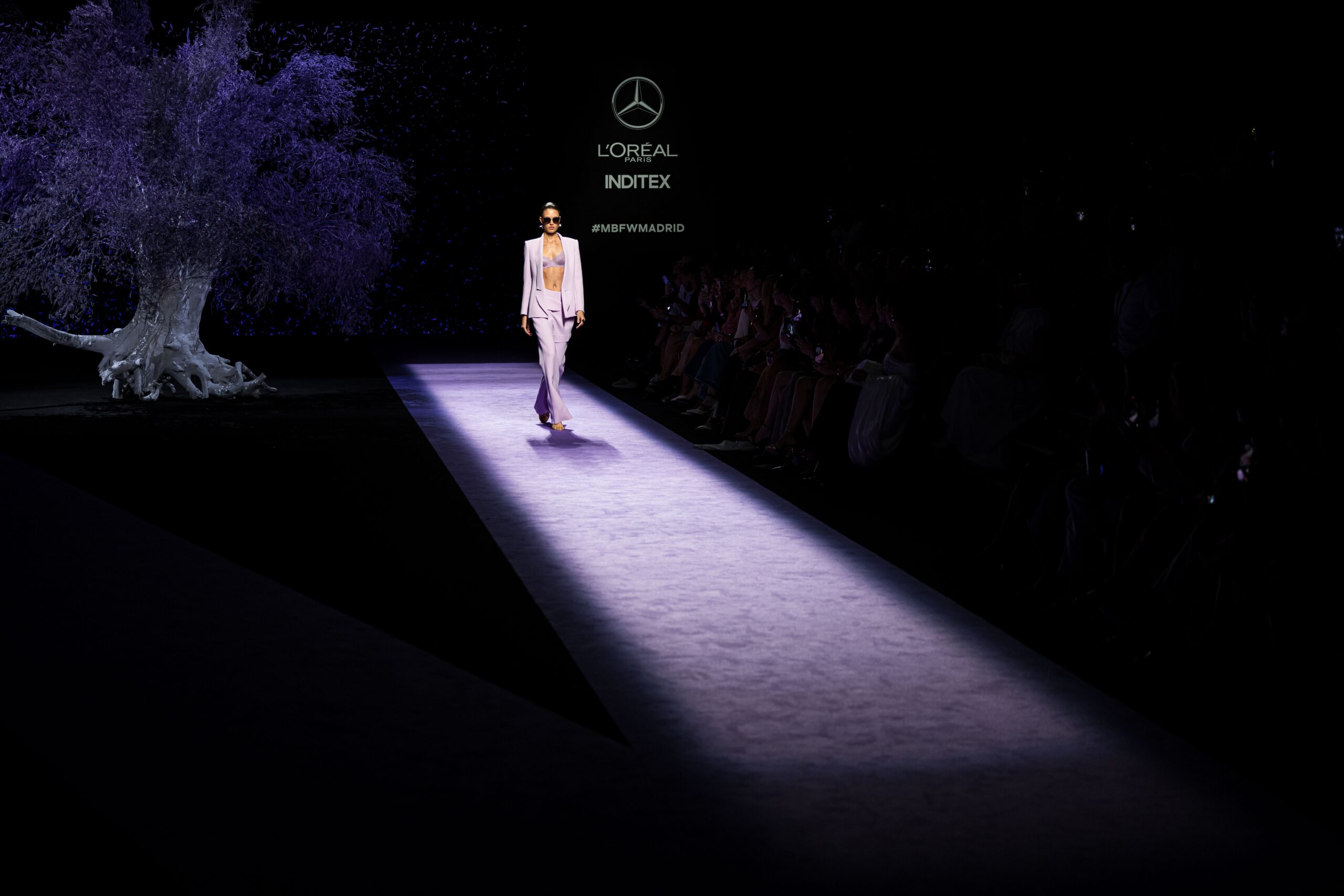
Fashion does not reside solely in the ephemeral moment when a model steps off the runway beneath the glare of spotlighting; it is built upon the strength of its commercial foundations, its distribution infrastructure, and its capacity to project cultural relevance across international borders. In a global landscape where fashion capitals compete fiercely to captivate the international traveler and redefine urban luxury, Mercedes-Benz Fashion Week Madrid (MBFWM) has taken a decisive leap by welcoming El Corte Inglés as an official sponsor. This strategic alliance represents far more than a standard corporate sponsorship; it marks a genuine convergence of industrial interests between Spain’s primary fashion showcase and Southern Europe’s leading retail group.
The announcement, formalized at IFEMA Madrid, puts a sharp focus on the long-standing necessity to equip Spanish designer fashion with commercial muscle and sustained visibility. For decades, Madrid’s runway has served as the ultimate stage for national creativity, yet the gap between presenting runway collections and placing those garments inside consumer wardrobes has remained a recurring structural challenge for the local industry. With El Corte Inglés stepping in as an official partner, Spanish fashion aims to complete this vital ecosystem, marrying artistic expression with the extensive logistics, marketing, and retail network of a brand deeply rooted across the Iberian Peninsula.
The Industrial Context: Scaling Up and Enhancing Global Competitiveness
To grasp the significance of this alliance, one must examine the current structure of designer fashion in Spain. Unlike France or Italy, where powerful luxury conglomerates have historically acquired, structured, and globalized heritage fashion houses, the Spanish scene has traditionally been defined by a fragmented network of independent ateliers. Although Spanish craftsmanship, tailoring, and aesthetic identity enjoy unquestioned prestige, industrial scale has often been the primary bottleneck preventing international expansion.
In this context, uniting the IFEMA-backed runway platform with Spain’s flagship department store creates a direct bridge between high-end creation and the retail marketplace. Spanish designers require robust commercial avenues to translate the media frenzy of fashion week into tangible sales, job creation, and talent retention. El Corte Inglés brings deep consumer insights, unrivaled retail footfall, and marketing reach that can convert the momentum of a single fashion week into an ongoing, year-round commercial conversation.
«Designer fashion demands a delicate balance between poetic storytelling on the catwalk and economic viability at the point of sale. Bridging these two worlds is the only path toward genuine industry sustainability.»
Anatomy of the Partnership: Expanding Beyond Brand Placement
El Corte Inglés’s sponsorship of MBFWM extends far beyond displaying a corporate logo on the main media wall. The partnership outlines a progressive integration designed to build immersive experiences for fashion industry insiders and the general public alike. Key pillars of the agreement include creating experiential hubs within the exhibition halls, where attendees can interact directly with select designer pieces, pop-up retail concepts, and cutting-edge digital activations.
Furthermore, the commitment extends tailored support to both established designers on the official calendar and emerging talents featured on the Allianz EGO platform. El Corte Inglés’s capacity to offer retail space to capsule collections, host exclusive designer collaborations, and dedicate showcase windows at flagship locations—such as Madrid’s iconic Calle Serrano or Paseo de la Castellana—provides an urban promotional stage of immense value, dramatically expanding the reach of the shows beyond IFEMA’s physical halls.
Madrid as a Global Epicenter for Fashion and Luxury Travel
This strategic alliance arrives at a moment when Madrid is experiencing an unprecedented surge as a premier international destination for culture, high-end gastronomy, and luxury retail. The Spanish capital’s transformation into a magnetic hub for travelers from Europe, Latin America, the United States, and Asia has established luxury shopping tourism as one of the region’s most dynamic economic drivers. Fashion week functions as a key cultural catalyst, complementing the city’s world-class museums and burgeoning luxury hotel scene.
The synergy between MBFWM and El Corte Inglés reinforces this international positioning. The department store group, particularly through its high-end flagship stores, has long served as an essential stop for global travelers seeking curated European luxury. Integrating the narrative of MBFWM into the urban retail circuit allows Madrid to present a cohesive city-wide experience where Spanish design isn’t restricted to private runway shows, but is actively experienced across the capital’s boulevards, boutique hotels, and culinary destinations.
The Evolution of the Catwalk: From Exclusive ‘Front Row’ to Global Consumers
The history of Madrid’s fashion week—from its inception as Pasarela Cibeles in the 1980s to its modern identity under the Mercedes-Benz banner—mirrors the broader socio-economic evolution of modern Spain. Initially operating as an exclusive insider gathering for buyers, fashion journalists, and society figures, the event has evolved in response to digitization and shifting global consumer behaviors, which demand greater transparency and immediate engagement.
Today’s market dictates that the visual impact of a runway presentation should translate almost instantaneously into brand desire and purchasing opportunities. By joining as an official sponsor, El Corte Inglés brings extensive expertise in retail analytics and omnichannel commerce. This synergy opens up possibilities for agile retail strategies, including «see now, buy now» activations or pre-order access for exclusive collections through integrated digital platforms.
Sustainability, Craftsmanship, and the Value of ‘Made in Spain’
A central topic in contemporary global fashion is environmental and ethical responsibility. Spanish fashion possesses a distinct heritage grounded in traditional craftsmanship, localized production, premium raw materials, and the preservation of artisanal techniques like lace-making, intricate embroidery, fine leatherwork, and bespoke tailoring. Both veteran masters and new-generation creators emphasize the need to champion this heritage against mass-produced fast fashion.
The partnership between the catwalk and El Corte Inglés offers a powerful megaphone for this conscious approach to fashion. By showcasing the origin, craftsmanship, and sustainability of Spanish designers within major retail environments, consumers are encouraged to make more informed, value-driven purchasing decisions. Educating the consumer is fundamental to understanding why a garment crafted in local artisanal workshops carries lasting cultural and physical value that transcends seasonal trends.
«Championing the ‘Designed in Spain’ label requires a compelling artistic narrative on the runway, but above all, a firm presence in real-world retail where product quality can be touched, experienced, and valued.»
Practical Guide for the Fashion Traveler in Madrid
For design enthusiasts, lifestyle travelers, and cultural explorers seeking to experience the vibrant fashion atmosphere of Madrid during MBFWM and throughout the year, the city offers an unmissable itinerary:
Attending and Navigating Mercedes-Benz Fashion Week Madrid
- Main Venue: Hall 14.1 at IFEMA Madrid (Av. del Partenón, 5). Conveniently accessible via Metro Line 8 (Feria de Madrid station).
- Access to Shows: While primary runway show passes are managed via designer invitations and press accreditation, IFEMA offers limited public tickets and access packages for the *Cibelespacio* experiential zone through its official website.
- ‘Off’ Runway Schedule: Numerous designers present their collections in iconic venues across the city, including historic palaces, art galleries, and public gardens. Reviewing the official off-site schedule weeks in advance is highly recommended.
Exploring Madrid’s Golden Mile and Design Corridors
- Salamanca District (Calle Serrano, Ortega y Gasset, Claudio Coello): The epicenter of international and Spanish luxury. A mandatory stop is El Corte Inglés on Calle Serrano, which features dedicated floors for high fashion brands and curated designer collections.
- Salesas and Chueca Neighborhoods: Ideal for discovering independent boutiques, artisanal footwear workshops, niche perfumeries, and emerging local labels.
- Castellana Corridor: The El Corte Inglés flagship on Paseo de la Castellana stands as one of the largest luxury department stores in Europe, offering an extensive selection of top-tier global and Spanish designer brands.
Style-Infused Accommodations and Dining
- Design-Led Hotels: For a stay defined by contemporary elegance, top choices include Mandarin Oriental Ritz, Rosewood Villa Magna, and Santo Mauro, A Luxury Collection Hotel—properties deeply intertwined with Madrid’s aesthetic legacy.
- Gastronomic Retail Breaks: The upscale gourmet halls on the top floors of El Corte Inglés at Serrano and Castellana offer fine dining combined with panoramic views over Madrid.
Future Outlook: Toward a Fully Integrated European Fashion Capital
The arrival of El Corte Inglés as an official sponsor of Mercedes-Benz Fashion Week Madrid is not merely a single promotional milestone; it marks the beginning of a new chapter of structural maturity for Spanish fashion. Building a unified ecosystem that connects public institutions, exhibition organizers, retail powerhouses, and creative talent is precisely the model that has sustained the global dominance of capitals like Paris and Milan.
Moving forward, the success of this alliance will be reflected in key industry indicators: increased retail presence for domestic designers, rising export figures for Spanish high fashion, greater international buyer attendance, and the growth of high-value shopping tourism in Madrid. The foundational elements—unbridled creativity, deep artisanal expertise, and a rich textile heritage—are fully present. Today, the commercial pathways to elevate them onto the global stage are clearer than ever.
Source: Condé Nast Traveler Spain


