The First Impression of Central Asia Through the Uzbek Prism
Traveling to Central Asia for the first time is usually preceded by mythological expectations. The names of Samarkand, Bukhara, and Khiva immediately evoke camel caravans, cobalt-blue majolica domes, and markets brimming with spices and hand-woven carpets. When solo travel blogger Adventurous Kate set out on her itinerary combining Kazakhstan, Tajikistan, and Uzbekistan, she discovered a fascinating territory equipped with rigorous regulations and cultural subtleties that can catch even the most experienced Western traveler off guard. Understanding these particularities not only prevents misunderstandings but transforms a complex journey into a deeply enriching experience.
The country, firmly anchored in the history of the ancient Silk Road, is increasingly opening up to international tourism thanks to simplified visa procedures and the modernization of infrastructure such as the Afrosiyob high-speed trains. However, the transition toward an open economy coexists with strict administrative frameworks inherited from its Soviet past and a social fabric where moderate Islamic traditions and community respect codes continue to dictate the daily rhythm. Navigating this balance requires meticulous attention to detail from the moment one crosses the border.
The Administrative Labyrinth of Hotel Registration
One of the most serious mistakes novice visitors make in Uzbekistan relates to the mandatory foreign registration system. Unlike most European or American tourist destinations, where stays are handled in an automated and silent manner, Uzbek authorities require every single night of lodging to be officially documented. Hotels, hostels, and traditional guesthouses issue small stamped paper slips or digital codes certifying the traveler’s whereabouts.
Neglect in this area can lead to hefty fines, prolonged delays at border checkpoints, and even questioning upon departure from the country. Keeping each of these receipts in chronological order inside a physical cardholder or folder is a non-negotiable safety measure. Although recent regulations have introduced digital platforms to streamline the process, travelers should never rely solely on the receptionist’s verbal promise that the registration has been filed without verifying the receipt of the corresponding document.
Managing Cash and the ATM Nightmare
Planning a budget in Uzbekistan requires a financial strategy radically different from that of hyper-connected digital destinations. Although international credit and debit cards are increasingly accepted in large hotels and restaurants in Tashkent or Samarkand, cash remains absolute king in traditional markets, small shops, tea houses, and family-run guesthouses outside major hubs.
Finding ATMs that function properly outside major cities can prove frustrating. Furthermore, carrying bulky bundles of the local currency, the Uzbek som, due to its low relative denomination against the US dollar or euro, demands caution. Bringing pristine US dollar bills—free of folds, stamps, or signs of wear—is essential to secure favorable exchange rates at official banks and authorized exchange offices. Avoiding informal street currency exchange is not only a matter of legality but the best way to prevent scams involving counterfeit bills or fraudulent calculations.
The Art of Bargaining in Bazaars Without Losing Composure
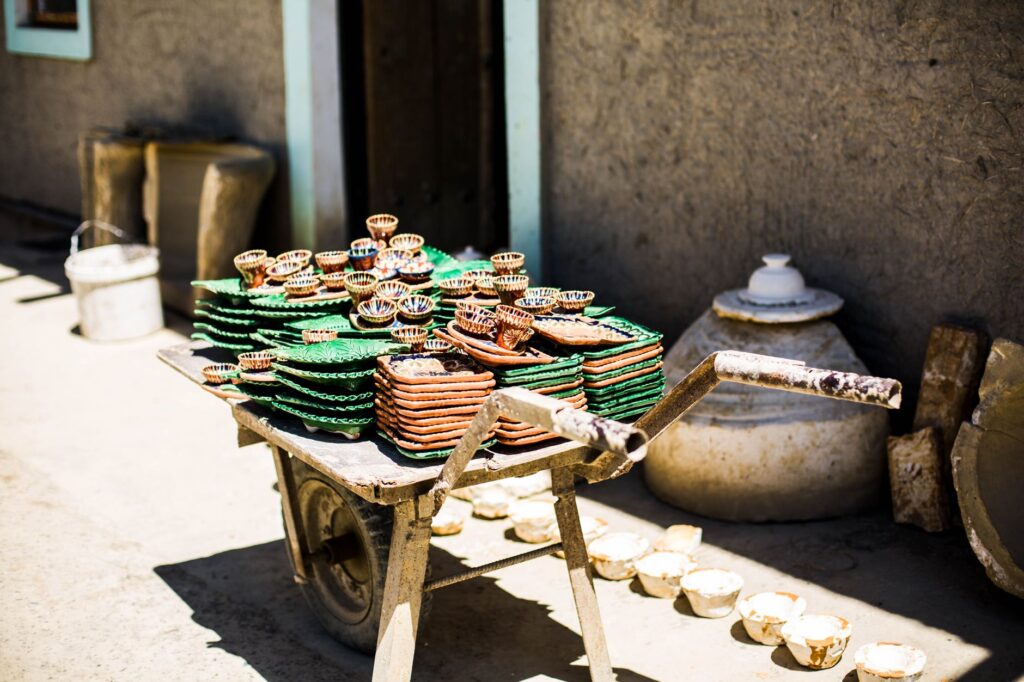
Shopping in historic bazaars like Chorsu in Tashkent or the markets surrounding the madrasas of Bukhara is an overwhelming sensory experience. Wool and silk carpets, hand-painted ceramics, traditional tunics, and silver jewelry are part of a living artisanal heritage. However, diving into shopping without understanding local etiquette can generate unnecessary tension between seller and buyer.
Bargaining in Uzbekistan is not a battlefield or a demonstration of verbal aggression, but a social ritual that must unfold with a smile, patience, and mutual respect. Considering an initial price an insult or pressuring the artisan until their margin is reduced to zero shows a lack of sensitivity toward the value of manual labor. The golden rule is to negotiate with sportsmanship, accepting that a fair price is one that satisfies both parties and honors centuries of mercantile tradition.
Commerce along the Silk Road was never a mere economic transaction, but a cultural exchange where mutual respect was worth as much as gold or spices.
Attire and Decorum in Sacred Spaces and Local Communities
Uzbekistan is a predominantly moderate and secularized Muslim country, where the peaceful coexistence of different traditions is reflected in an open society that respects its roots. Despite general flexibility in large cities, respect for traditional dress codes remains essential when visiting mosques, mausoleums, cemeteries, or rural communities far from mass tourist circuits.
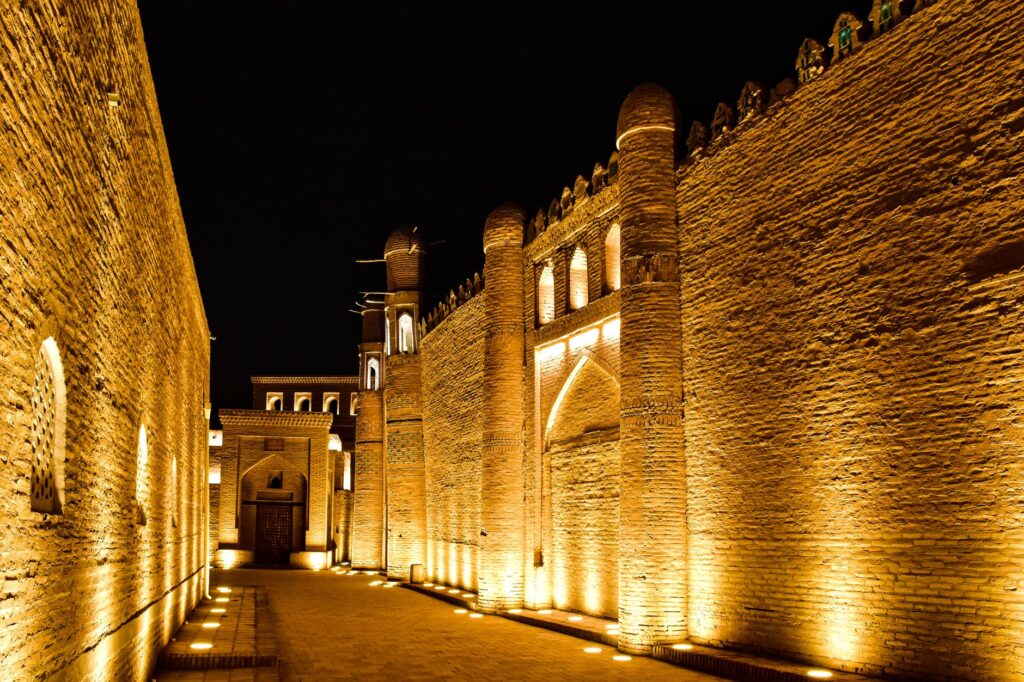
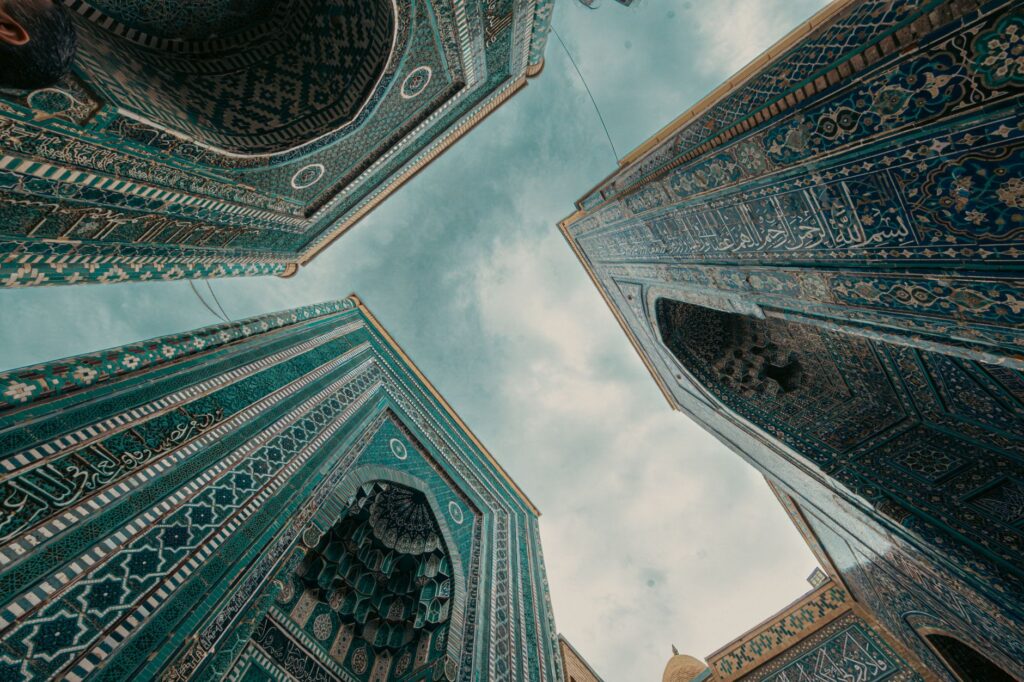
Both men and women should avoid excessively tight shorts or tank tops in religious compounds. Women typically carry a light scarf to spontaneously cover their heads or shoulders when entering prayer spaces or venerated mausoleums such as the Shah-i-Zinda complex. Adapting one’s attire not only facilitates respectful integration, but prevents awkward situations and opens the door to much warmer interactions with the local population.
Photographic Sensitivity and Security Restrictions
Uzbekistan’s photogenicity is undeniable: from elderly women in colorful headscarves spinning wool in front of ancient mosques to curious children running through the clay alleys of Khiva. Nevertheless, pointing a camera or mobile phone requires tact and prudence. Photographing individuals without their explicit consent can be considered an unacceptable intrusion into their privacy.
Likewise, very strict restrictions apply to taking pictures inside government infrastructure, metro stations—whose marble and chandelier-decorated platforms are authentic Soviet works of art, although photography bans have been gradually relaxed recently—airports, and military zones. When in doubt about whether capturing an urban street scene is permitted, asking politely with a gesture and a smile («Mumkinmi?», is it allowed?) prevents equipment confiscation or police warnings.
Local Gastronomy and Basic Health Precautions
Uzbek cuisine is hearty, carnivorous, and deeply comforting, dominated by emblematic dishes such as plov—spiced rice cooked with lamb, carrots, and onions in gigantic cauldrons—grilled shashlik skewers, and hot soups like lagman. However, dietary changes and local bacteria can upset the digestive system of the unwary traveler.
It is advisable to exercise extreme caution with tap water, limiting consumption to bottled or filtered water, and to pay attention to the origin of raw salads at uncrowded street food stalls. Carrying a basic kit of stomach medications and painkillers purchased before embarking on the journey guarantees peace of mind against any unexpected illness on the road.
Railway Logistics: Why Anticipation Defines Trip Success
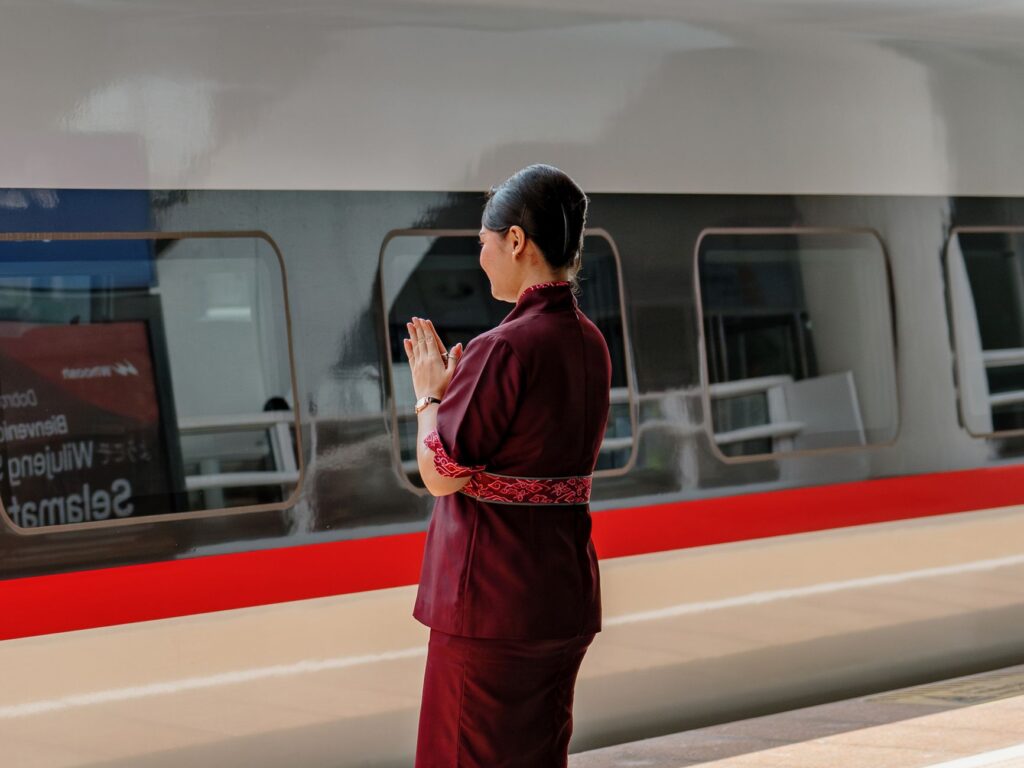
Uzbekistan’s railway system, particularly the Spanish-built high-speed Afrosiyob trains connecting Tashkent, Samarkand, and Bukhara, is the backbone of modern tourism in the country. They are clean, punctual, and affordable. However, exceptionally high demand far outstrips available supply during peak season months.

Attempting to purchase train tickets at the station on the day of travel usually results in absolute failure. Tickets go on sale online weeks in advance and sell out within hours. Planning internal journeys and securing train tickets the exact moment the official booking window opens is an indispensable strategy to prevent the itinerary from collapsing.
Practical Information for the Traveler
- Documentation: Valid passport with a minimum validity of six months and verification of visa requirements according to nationality.
- Official Currency: Uzbek Som (UZS). It is essential to bring pristine US dollars to exchange at authorized banks.
- Connectivity: Purchase of a local eSIM or physical SIM card from operators like Ucell or Beeline upon arrival at the airport.
- Transportation: Priority use of Afrosiyob trains and booking official taxis via mobile apps in large cities to avoid overcharging.
- Language: Uzbek is the official language, but Russian remains the predominant vehicular language in commerce and tourism.
Ultimately, a journey through Uzbekistan generously rewards visitors who approach the territory with intellectual curiosity, administrative patience, and respect for local norms. Far from being insurmountable obstacles, these precautions form part of the authenticity of a destination that preserves the heartbeat of Central Asia’s ancient history intact.
Traveling the Silk Road requires shedding contemporary haste and embracing the rhythms, laws, and generous hospitality of its people.
Source in Adventurous Kate