When the crisp Cierzo wind begins to sweep across the waters of the Ebro River at the start of December, Zaragoza undergoes a quiet yet deep transformation. While mainstream travel headlines often pivot toward the multi-million-euro light displays of Vigo or the intense bustle of central Madrid, the Aragonese capital presents a winter alternative defined by human scale, elegant restraint, artisanal rigor, and an exceptionally grand architectural backdrop. The Christmas Market at Plaza del Pilar is far more than a temporary collection of wooden chalets; it is a complete community takeover of Spain’s largest pedestrian square, transformed for over five weeks into a welcoming, festive, and deeply authentic winter haven.
Traveling in December frequently demands an uncomfortable compromise between experiencing authentic holiday atmosphere and navigating overwhelming crowds. In this search for balance, Zaragoza stands out as an ideal sanctuary for travelers seeking the traditional character of Central European Christmas markets while enjoying the mild charm and rich heritage of Northern Spain. Here, the city center never feels suffocating. The sheer expanse of Plaza del Pilar allows smooth pedestrian movement alongside family attractions, independent craft stalls, and gastronomic kiosks featuring regionally sourced products.
A World-Class Architectural Stage for Winter Festivities
To truly appreciate the uniqueness of Zaragoza’s Christmas market, one must consider its dramatic setting. Known locally as the “City’s Living Room,” Plaza del Pilar spans a pedestrian stretch over five hundred meters long, flanked by two of the Iberian Peninsula’s most magnificent cathedrals: the Baroque Basilica del Pilar, with its soaring towers and colorful tiled domes, and the Cathedral of the Savior (La Seo), a masterwork combining Romanesque, Mudéjar, Gothic, and Baroque architecture. This monumental alignment offers a backdrop that very few festive markets across Europe can match.

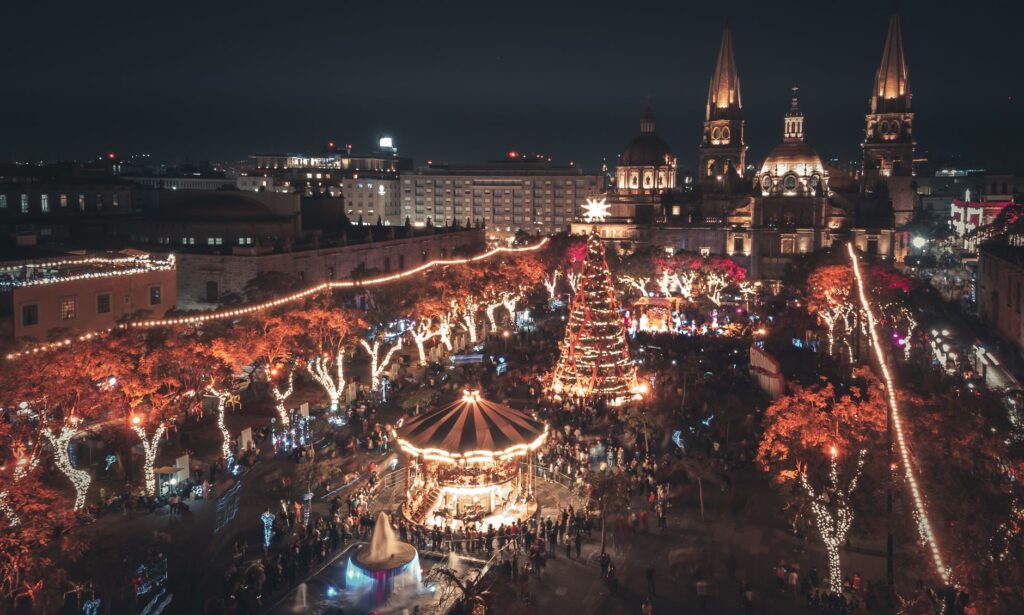
Unlike cities where holiday stalls are squeezed into narrow alleys that choke pedestrian flow, the layout across Plaza del Pilar follows a clear, linear design. The wooden chalets are harmoniously arranged among tree-lined walkways adorned with energy-efficient LED lights, historic fountains, and the dignified stone facades of the City Hall and the Renaissance-era Merchants’ Exchange (La Lonja). The illumination avoids harsh glare or aggressive commercialism, focusing instead on highlighting the historic lines of the surrounding monuments.
The Giant Nativity Scene: Ephemeral Art and Living Heritage
The undisputed symbolic heart of the market is its massive life-sized Nativity Scene (Belén), widely recognized as the largest of its kind in Spain with freestanding figures. Spanning over two thousand square meters directly in front of the Basilica’s main facade, this temporary installation is not a passive display. Instead, it offers an immersive walking route where visitors stroll through traditional rural scenes, artisan workshops, and botanical recreations of 1st-century Judea constructed using living plants and re-circulating water features.
More than fifty figures crafted by local sculptors portray shepherds, carpenters, blacksmiths, and potters, creating a vivid homage to manual labor that resonates with Aragon’s agricultural roots. Assembly work begins weeks prior to opening and involves city gardeners, electricians, and heritage restorers. The precise attention to historic clothing, authentic antique farming tools collected from rural villages, and mud-brick architectural replicas gives this attraction profound educational and ethnographic value well beyond standard holiday decorations.
«Zaragoza’s Christmas market does not seek to compete in raw light output with larger metropolises, but rather offers a relaxed experience where architectural heritage and artisan craft remain the true protagonists of winter.»
Certified Craftsmanship: A Return to Genuine Local Goods
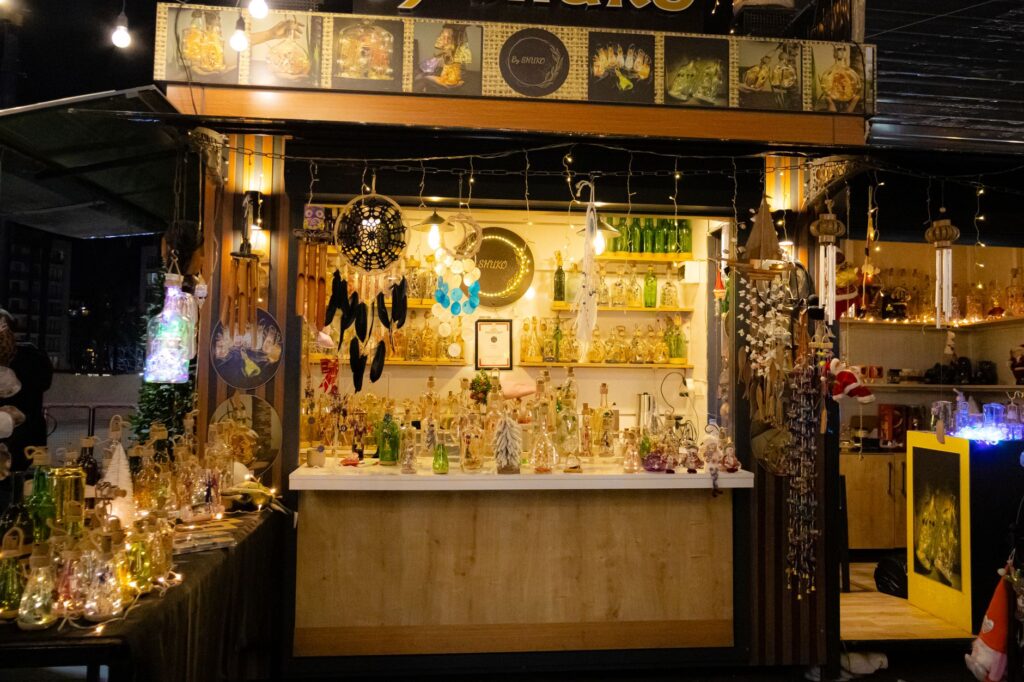
One of the persistent challenges facing modern holiday markets is the prevalence of mass-produced, imported souvenirs lacking cultural ties. Zaragoza’s market mitigates this through a rigorous vendor selection process curated by the municipal government alongside regional craft guilds. The approximately forty wooden chalets that line the main square are strictly reserved for verified artisans, ensuring shoppers find high-quality, handcrafted items.
Browsing through the market stalls reveals hand-painted ceramics from the nearby town of Muel, fine silver and jet jewelry, handcrafted leather goods, wood carvings, organic cosmetics infused with Lower Aragon olive oil, and cozy garments made from native sheep’s wool. Interacting directly with the makers behind the counter restores a sense of human connection to holiday shopping, allowing visitors to learn about the provenance and techniques behind every piece.
Winter Flavors: Tasting Regional Aragonese Delicacies
The sensory allure of the market is completed by a rich culinary lineup designed to warm visitors against the chilly winter air of the Ebro valley. The aroma of toasted nuts, hot chocolate, and roasted meats drifts through the square from late afternoon onward. Food vendors emphasize protected designation of origin (PDO) ingredients and classic regional pastries rather than generic fast food.
- Guirlache and artisanal nougats: Guirlache, a traditional Aragonese brittle made from whole toasted almonds and caramelized sugar with a hint of lemon juice, takes center stage among sweet offerings.
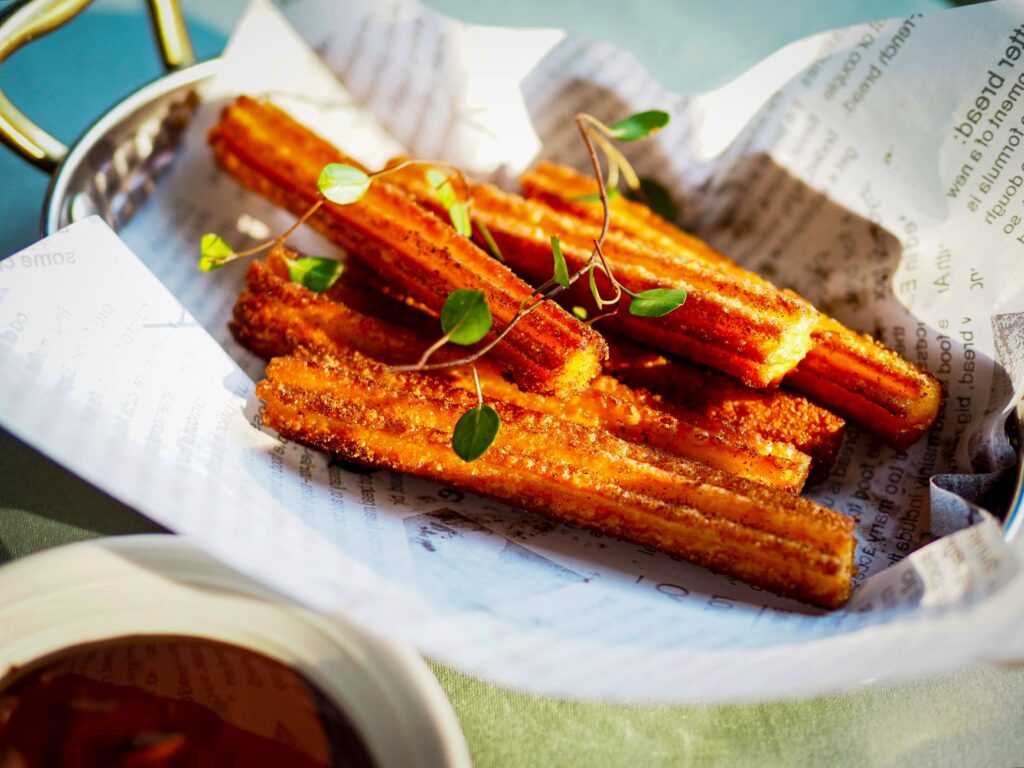
- Churros and artisan hot chocolate: Traditional churrerías serve thick, dark hot chocolate made from premium cocoa paired with crispy, freshly fried churros and porras.
- Roasted Ternasco lamb and regional charcuterie: Savory palates can enjoy warm sandwiches filled with slow-roasted Aragonese lamb (Ternasco de Aragón), grilled chistorra sausages, and aged sheep’s milk cheeses from the Pyrenean valleys.
- Frutas de Aragón: Famous local confections featuring candied fruits—such as apples, pears, cherries, and apricots—dipped in rich dark chocolate, making for an ideal edible keepsake.
Family Activities and Community Cultural Programming
While many holiday markets prioritize retail space above all else, Zaragoza dedicates a substantial portion of its main square to free or affordable recreational areas designed for children and families. At the western edge of the square, a large ice-skating rink operates alongside a toboggan slide where visitors can sled down synthetic slopes against the historic backdrop of La Seo Cathedral.
An eco-friendly wooden carousel, powered mechanically by bicycles pedaled by parents, remains one of the most beloved and charming attractions on site. The schedule also includes traditional puppet shows, holiday craft workshops, letter-writing stations for the Three Kings, and morning choral concerts featuring local choirs performing traditional Aragonese carols and classical works outside La Lonja.
Sustainability and Respect for the Urban Environment
In an era when energy efficiency and environmental impact are central to urban planning, Zaragoza’s winter event stands out for its responsible management. All decorative lighting across the market utilizes low-consumption LED technology powered entirely by certified renewable energy. Operating hours are carefully regulated to balance festive ambiance with night-time energy conservation.

Furthermore, event organizers mandate biodegradable and compostable serving materials at all food chalets, backed by clearly marked recycling stations placed throughout the plaza. This environmental awareness extends to transportation: Zaragoza’s modern tramway system runs directly adjacent to the historic center, allowing visitors to reach the square quickly and silently without reliance on private vehicles or taxi congestion.
«Pedestrian accessibility and seamless public transport connections render the Aragonese capital a convenient, relaxed, and environmentally conscious choice for a winter city break.»
Exploring Beyond the Square: Historic Alleys and Museums
Visiting Zaragoza’s holiday market provides a perfect starting point for discovering the broader treasures of its historic core. A two-minute walk from Plaza del Pilar leads visitors into El Tubo, a labyrinth of narrow medieval lanes famous for being the heart of Zaragoza’s tapas culture. During December, local bars showcase winter tapas paired with robust red wines from the province’s four protected wine regions: Campo de Borja, Cariñena, Somontano, and Calatayud.
When seeking warmth indoors later in the evening, the city’s museum offerings are top-tier. The Goya Museum – Ibercaja Collection houses an impressive assembly of prints and paintings by the Aragonese master Francisco de Goya. Meanwhile, the Caesaraugusta Roman Route lets travelers walk through the underground ruins of the ancient Roman Forum, Theater, Baths, and River Port upon which modern Zaragoza was built.
Practical Travel Guide for Visiting Zaragoza in Winter
To ensure a smooth winter visit to Zaragoza, keep these essential travel tips in mind:
- Dates and Operating Hours: The Christmas Market generally opens during the last weekend of November and continues through Epiphany (January 6). Chalets operate continuously from 11:00 AM to 10:00 PM daily, with extended hours on weekends.
- Getting There: Zaragoza is remarkably well-connected via high-speed rail (AVE and low-cost operators), reaching the city from either Madrid or Barcelona in approximately 75 minutes. From Delicias Train Station, Tram Line 1 reaches the Murallas/Plaza del Pilar stop in under 15 minutes.
- Optimal Visiting Times: For photography and quiet strolls through the Nativity scene, weekday mornings offer crisp Atlantic light and minimal crowds. Dusk (between 5:30 PM and 7:30 PM) offers the most magical atmosphere as the lights turn on, though weekend evenings see higher local attendance.
- Clothing Recommendations: Winter in the Ebro Valley is dry and cool, frequently intensified by the local Cierzo wind. Packing a windproof jacket, thermal layers, gloves, and a warm hat is highly recommended for comfortable outdoor exploration.
Zaragoza clearly demonstrates that there is a refined alternative for celebrating the holiday season in Spain: a destination where human-scale spaces, world-class historic architecture, and genuine craft traditions take precedence over commercial excess. It remains a captivating, welcoming winter break that rewards thoughtful travel.
Source: Diario del Viajero