A New Dawn for Southern African Flavors
The global tourism industry is undergoing a profound transformation where contemporary travelers no longer seek solely wildlife observation or relaxation in isolated resorts. Today, the appetite for understanding culture through the palate has become a primary driver of mobility. Against this backdrop, Zimbabwe is positioning itself firmly on the international gastronomic map thanks to a strategic plan built upon three fundamental pillars designed to revitalize the nation’s economy and elevate its culinary identity.
The recent announcement of these three key engagements marks a turning point for the sector. Moving away from a total reliance on traditional natural attractions, such as Victoria Falls or the Great Zimbabwe ruins, the country is championing cuisine as a vehicle for sustainable socioeconomic development. This strategy aims not only to attract higher-spending visitors but also to empower local producers and rescue indigenous ingredients that were sidelined by decades of Western influence.
The First Pillar: Integrating the Agricultural Value Chain
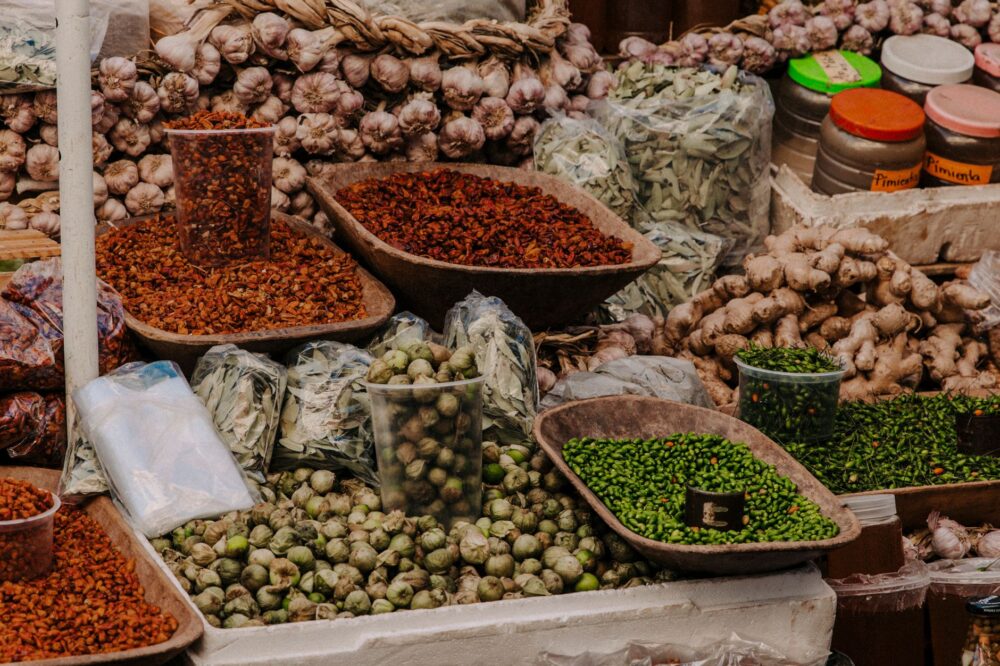
The first strategic commitment lies in forging direct alliances between major hospitality players and smallholder local farmers. Historically, Zimbabwe’s tourism sector depended heavily on importing food products to meet the international standards expected by visitors. This practice not only increased operating costs but also disconnected tourists from the agrarian reality of the destination they were exploring.

Through the implementation of direct marketing platforms and technical training programs, authorities and tourism associations are ensuring that fresh food moves from farm to table with certified traceability. Essential ingredients such as munga millet, sorghum, native peanuts, and a wide variety of wild local vegetables are beginning to claim a privileged place on the menus of prestigious restaurants in Harare and Bulawayo.
The true culinary revolution of Africa does not lie in imitating European canons, but in elevating indigenous pantry staples with contemporary precision techniques.
This agricultural integration benefits not only the service sector but also acts as a protective shield against economic volatility and climate shocks. By diversifying crops and encouraging the use of drought-resistant species, rural communities find a stable and predictable source of income within culinary tourism.
The Second Pillar: Professional Training and Service Excellence
No culinary strategy can endure without the appropriate human talent. The second engagement directly addresses the need to professionalize the hospitality industry by establishing new culinary academies and updating existing curricula. The vision is clear: equipping a new generation of Zimbabwean chefs with cutting-edge technical tools while keeping them anchored in traditional recipes.
Current training programs emphasize the importance of food safety, sustainable waste management, and mastery of fermentation and preservation techniques that form part of the country’s cultural heritage. Furthermore, international exchanges with cooking schools in Europe and other African regions are promoted to foster cultural cross-pollination in the kitchen.
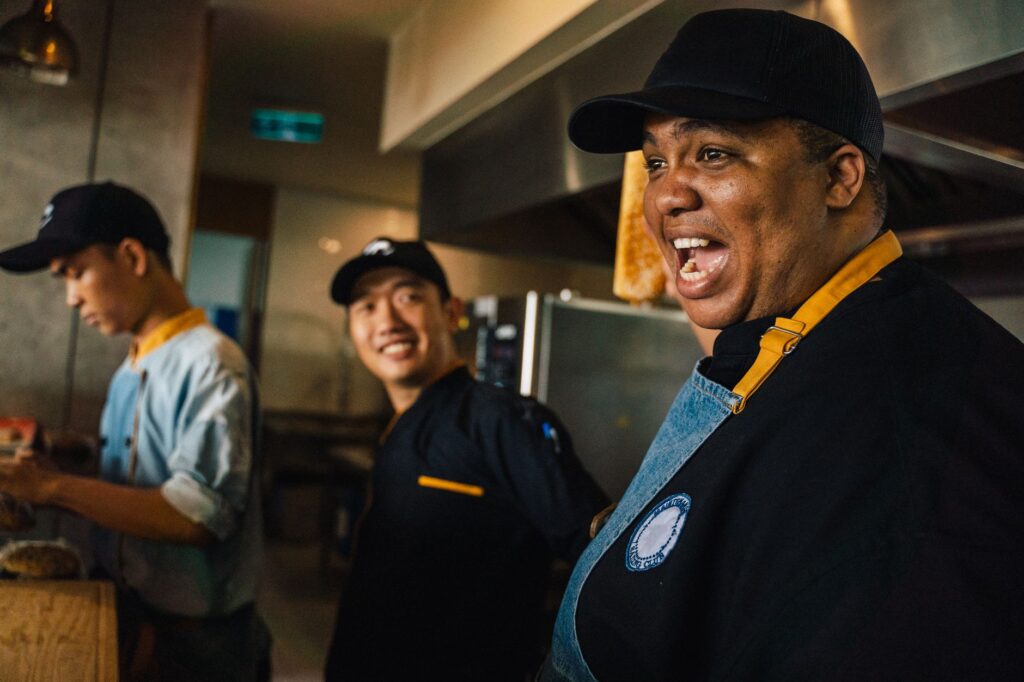
- Ancestral cooking workshops: Integration of traditional knowledge into formal academic training.
- International certification: Standardization of quality benchmarks across restaurants and hotels.
- Mentorship programs: Direct connection between renowned chefs and emerging local talents.
The impact of these measures is already visible in the open kitchens of major tourism complexes, where local chefs reinterpret traditional stews such as sadza paired with game meats or sautéed wild greens, transforming them into gastronomic experiences worthy of global fine dining.
The Third Pillar: International Promotion and Experiential Tourism
The third focus centers on external outreach and diversifying offerings through specialized culinary routes. Zimbabwe has understood that gastronomy must be communicated with the same rigor as its wildlife reserves. To achieve this, digital marketing campaigns and collaborations with international food critics have been launched to position the country as an unmissable culinary destination.
These routes are not restricted to upscale urban restaurants. They include immersive experiences in rural areas, where visitors can participate in harvesting traditional crops, learn artisanal milling methods, and enjoy community banquets prepared over open wood fires. This approach fosters respectful tourism based on genuine cultural exchange and direct economic benefit for host communities.

The Forgotten Heritage: Ingredients Defining the Landscape
To understand the scope of this tourism strategy, it is essential to look at the ingredients that have sustained local communities for generations. Millet and sorghum, highly nutritious cereals perfectly adapted to the region’s semi-arid climate, are experiencing a culinary renaissance. Far from being viewed as subsistence foods, they are now valued for their nutritional profile and versatility in contemporary cooking.
Another central element is the use of wild fruits such as marula and baobab. Their pulps and oils, rich in antioxidants and vitamins, are incorporated into sauces, desserts, and artisanal cocktails. This integration demonstrates how gastronomy can act as a vehicle for environmental conservation, as the economic valorization of these natural resources incentivizes their protection against deforestation and intensive agriculture.
Structural Challenges on the Path to Consolidation
Despite widespread enthusiasm and achieved progress, the sector faces significant challenges requiring constant attention from both the public and private spheres. Logistics infrastructure, particularly regarding the transport of perishable goods from rural areas to tourist hubs, continues to exhibit deficiencies that drive up costs and limit distribution.

Likewise, it is crucial to ensure that economic benefits derived from this culinary boom are distributed equitably among grassroots communities rather than concentrating solely within large hotel corporations. Agricultural cooperatives and access to microloans for small producers are indispensable tools for securing a truly inclusive tourism industry.
The long-term success of culinary tourism in Zimbabwe will depend on its ability to maintain authenticity without sacrificing the quality standards demanded by international travelers.
Sustainability and Climate Resilience in the Kitchen
Climate change poses a latent threat to food security in southern Africa, and the tourism industry is not immune to this reality. Consequently, current gastronomic initiatives place a strong emphasis on environmental sustainability. Restaurants partnered with this new strategy implement circular economy practices, utilizing composting systems, reducing water consumption, and prioritizing solar energy use.
This ecological sensitivity resonates strongly with the profile of the modern traveler, who values and demands transparency in the environmental practices of destinations visited. By aligning its culinary offerings with the Sustainable Development Goals, Zimbabwe proves that tourism growth can go hand in hand with environmental protection and social well-being.
Practical Information for the Gourmet Traveler
For those interested in exploring Zimbabwe’s emerging food scene, planning a trip around the seasonality of local produce is recommended. The best time to visit the country and enjoy its open-air markets and culinary festivals coincides with the dry months, from May to October, when the weather is mild and cultural event offerings reach their peak.

Primary culinary experiences are concentrated in Harare, where boutique bistros and local farmers’ markets abound, and around Victoria Falls, where luxury hotels offer star-lit theme dinners combining sustainable game and traditional recipes. Advance reservations in fine dining establishments and hiring certified local guides for rural food trails are strongly advised.
Toward a Future of Global Recognition
The three strategic initiatives launched in Zimbabwe represent much more than a marketing plan to revive tourism; they constitute a statement of principles regarding the dignity and value of local culture. By connecting subsistence agriculture with fine dining and professional training, the country is building a robust, ethical, and deeply flavorful tourism model.
The road ahead is complex, but the foundation is firmly set. Zimbabwe is showing the world that gastronomy is a universal language capable of healing divisions, stimulating economies, and offering travelers an unforgettable experience that transcends the mere act of eating. Source in English based on the original article from Herald.co.zw: Herald.co.zw.