The Architecture of Silence and Knowledge
Contemporary travel often seeks escape from the hyper-connected noise to find refuge in spaces where time appears to slow down. Within this map of cultural pilgrimage, the world’s great libraries stand out as ultimate destinations for the mindful traveler. These are not merely collections of books accumulated over centuries, but rather secular cathedrals where architecture, natural light, and engineering converge to protect human thought. Visiting a globally significant historical or contemporary library requires understanding that these buildings were designed to impress, inspire, and transcend eras.
Unlike museums, where contemplation is frequently mediated by security barriers and constant tourist flows, major reading rooms allow for direct immersion. Upon crossing their thresholds, travelers experience an immediate acoustic shift: the echo of footsteps across centuries-old parquet or marble floors, the unmistakable scent of antique paper and varnish, and the sight of bookshelves vanishing into semi-darkness create an almost liturgical atmosphere.
From the Monastic Scriptorium to Contemporary Design
The evolution of these spaces reflects the very history of civilization. From monastic scriptoria where copyists preserved the classical legacy to avant-garde Nordic reading centers built with certified timber and glass, each era has reinterpreted the relationship between reader and knowledge. Traveling through these enclosures allows one to trace a visual chronology of power, aesthetics, and philosophy.
In Europe, many of these library jewels were born under the patronage of religious orders or enlightened monarchs who viewed book accumulation as the ultimate symbol of status and universal wisdom. Over the centuries, the paradigm shifted toward public accessibility, transforming reading palaces into democratic agoras where any citizen can sit beneath Baroque vaults to peruse an incunabulum or a modern treatise.
Admont Abbey: The Triumph of Alpine Rococo
Nestled among the mountains of Styria in Austria, the library at Admont Abbey represents one of the culminating points of Baroque and Rococo art applied to bibliographical storage. Completed in the 18th century, this monumental hall stuns visitors not only through its scale, but also via its unusual luminosity. Unlike the dark, somber libraries that dominated the Middle Ages, Admont was designed with a bright color palette dominated by white and gold, symbolizing the clarity of divine and earthly enlightenment.
The hall’s vaults are covered by frescos painted by Bartolomeo Altomonte, depicting the stages of human understanding leading up to divine revelation. Beneath these masterly paintings line carved wooden bookshelves painted white to imitate marble, housing tens of thousands of historical volumes. For travelers, the experience is completed by exploring the abbey’s exterior gardens, where the contrast between Alpine nature and interior intellectual rigor is absolute.
Strahov and Klementinum: The Baroque Treasures of Prague
Prague is a city best read on foot, but its true bookish dimension hides behind the walls of its monastic and university complexes. The Theological Hall at Strahov Monastery, with its dark walnut bookshelves and ancient globes, transports travelers directly to the atmosphere of scientific cabinets of curiosity. A few kilometers away in the heart of the Old Town, the Klementinum complex houses one of the world’s finest Baroque library halls, famous for its frescoed ceilings and collection of historical astronomical instruments.
Entering these rooms requires careful planning, as access is tightly regulated to preserve optimal humidity and temperature conditions required by medieval manuscripts. Local guides offer detailed explanations on how Premonstratensian monks and Jesuits managed to save these treasures during the political upheavals of past centuries, turning the visit into a living lesson in cultural resilience.
The Abbey of St. Gall: Switzerland’s Medieval Heartbeat
In the Swiss canton of St. Gallen, the eponymous Benedictine abbey guards one of Western Europe’s oldest and richest monastic collections. Its 18th-century Baroque reading room, built over medieval foundations, is a masterpiece of woodworking and spatial design. Here rests the celebrated Plan of St. Gall, the oldest surviving architectural drawing from the Early Middle Ages, offering invaluable graphic testimony on how the ideal monastic life was organized.
The silence in the St. Gall library is not an acoustic void, but the living presence of a thousand years of accumulated thought.
Visitors arriving here after crossing pre-Alpine Swiss landscapes discover a space where polished wood reflects light pouring through large windows. Photography restrictions are strict, ensuring that contemplation is conducted with absolute respect for the heritage. It is an indispensable destination for those seeking to understand Europe’s intellectual foundations.
Trinity College: The Long Room and Dublin’s Mythos
Crossing toward the North Atlantic, the Old Library at Trinity College in Dublin houses the famous Long Room, a gallery nearly sixty-five meters long flanked by marble busts of great thinkers, scientists, and writers from Western history. The scent of aged oak wood and antique paper permeates this space, which safeguards national treasures such as the Book of Kells, a 9th-century illuminated manuscript of immeasurable historical and artistic value.
The Long Room has recently undergone museographical transformations to ensure the conservation of its collections and enhance the experience of the thousands of travelers arriving in the Irish capital each year. Walking beneath its vaulted wooden ceiling is to feel the weight of a literary tradition that gave the world giants like Joyce, Beckett, and Yeats.
Avant-Garde Libraries: When Contemporary Design Reinvents Study
While great historical halls appeal to monumental awe, contemporary library architecture seeks integration with the natural environment and social functionality. In recent years, cities worldwide have commissioned internationally renowned architecture firms to build new cathedrals of knowledge functioning as public agoras open to local communities.

These modern structures prioritize zenithal light, sustainable materials such as laminated timber, and open reading areas visually connected with urban parks or natural landscapes. They demonstrate that the 21st-century library is not a mausoleum of dusty books, but a nerve center for cultural exchange and social cohesion.
Seattle Central Library: Glass and Steel Geometry
Designed by architects Rem Koolhaas and Joshua Prince-Ramus, the Seattle Central Library has become an architectural icon of the American West Coast since its inauguration. Its diamond-shaped exterior structure of steel and glass defies traditional urban planning conventions. Inside, the concept known as the spiral book stack organizes the complete non-fiction collection along a continuous ramp gently ascending through multiple floors.
For travelers interested in contemporary urban design, this building offers a fascinating perspective on how a public institution can revitalize a metropolis core. Panoramic views of the city and bay from the upper floors turn the visit into both an aesthetic and civic experience.
Practical Tips for the Bibliophile Traveler
Planning an itinerary centered around major libraries requires accounting for strict regulations that differ notably from other tourist attractions. Most of these sites operate as active academic institutions or high-sensitivity heritage museums, making advance ticket booking mandatory in almost all cases.
It is crucial to consult closure schedules for maintenance or manuscript restoration, as well as restrictions regarding cameras and mobile devices. Dedicating at least half a day to each complex is recommended to alternate visits to main rooms with temporary exhibitions and historical archives. Comfortable footwear is essential, given that historic wood or stone flooring demands respect and caution.
The Inner Journey Fostered by Reading
Traveling to visit libraries is, ultimately, an act of resistance against the rush and superficiality of mass tourism.
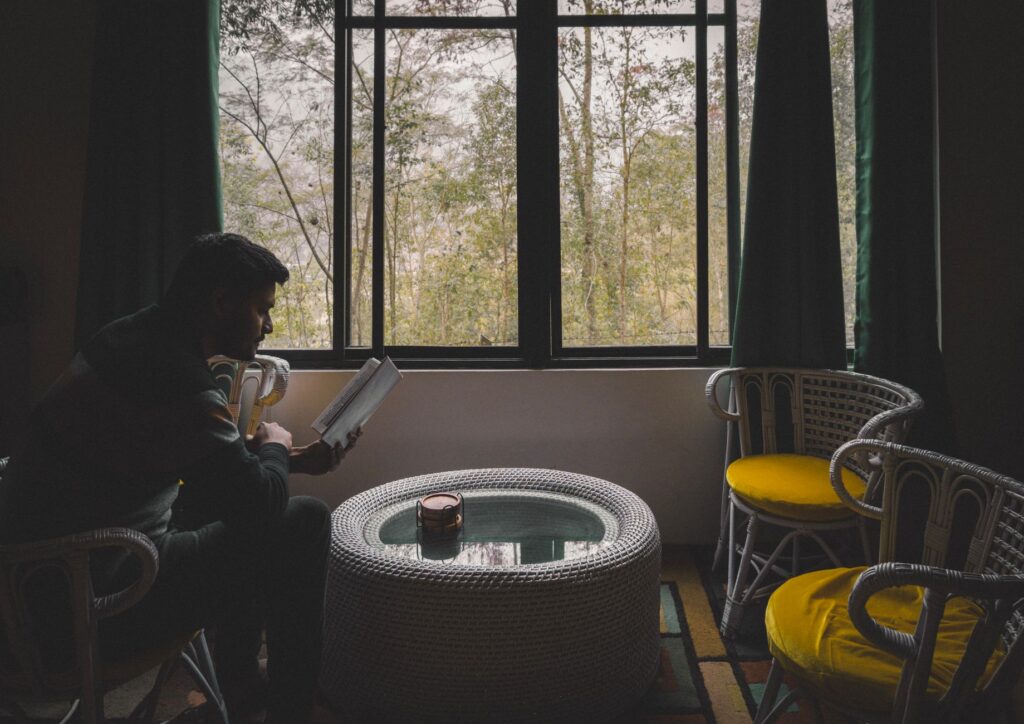
At the end of the journey, the greatest value of these institutions lies not solely in the rarity of their incunabula or the boldness of their engineers, but in their capacity to stop time. In an era marked by digital immediacy, sitting beneath a Baroque dome or before a large window surrounded by redwood forests reminds us that knowledge is a territory worthy of being traversed with calm, respect, and awe.
Practical Access Information
- Admont Abbey (Austria): Open from May to October; seasonal hours advised. Guided tours available in German and English.
- Strahov Monastery (Prague): Located in the Hradčany district. Tickets combine access to the Theological Hall and Philosophical Hall.
- Trinity College (Dublin): Online booking mandatory to view the Book of Kells and the Long Room. Accessible for visitors with reduced mobility.
Source reference: Condé Nast Traveler, ‘The World’s Most Beautiful Libraries Worth Traveling For’, 2014. Available at: https://www.cntraveler.com/galleries/2014-09-02/10-of-the-worlds-most-beautiful-libraries