

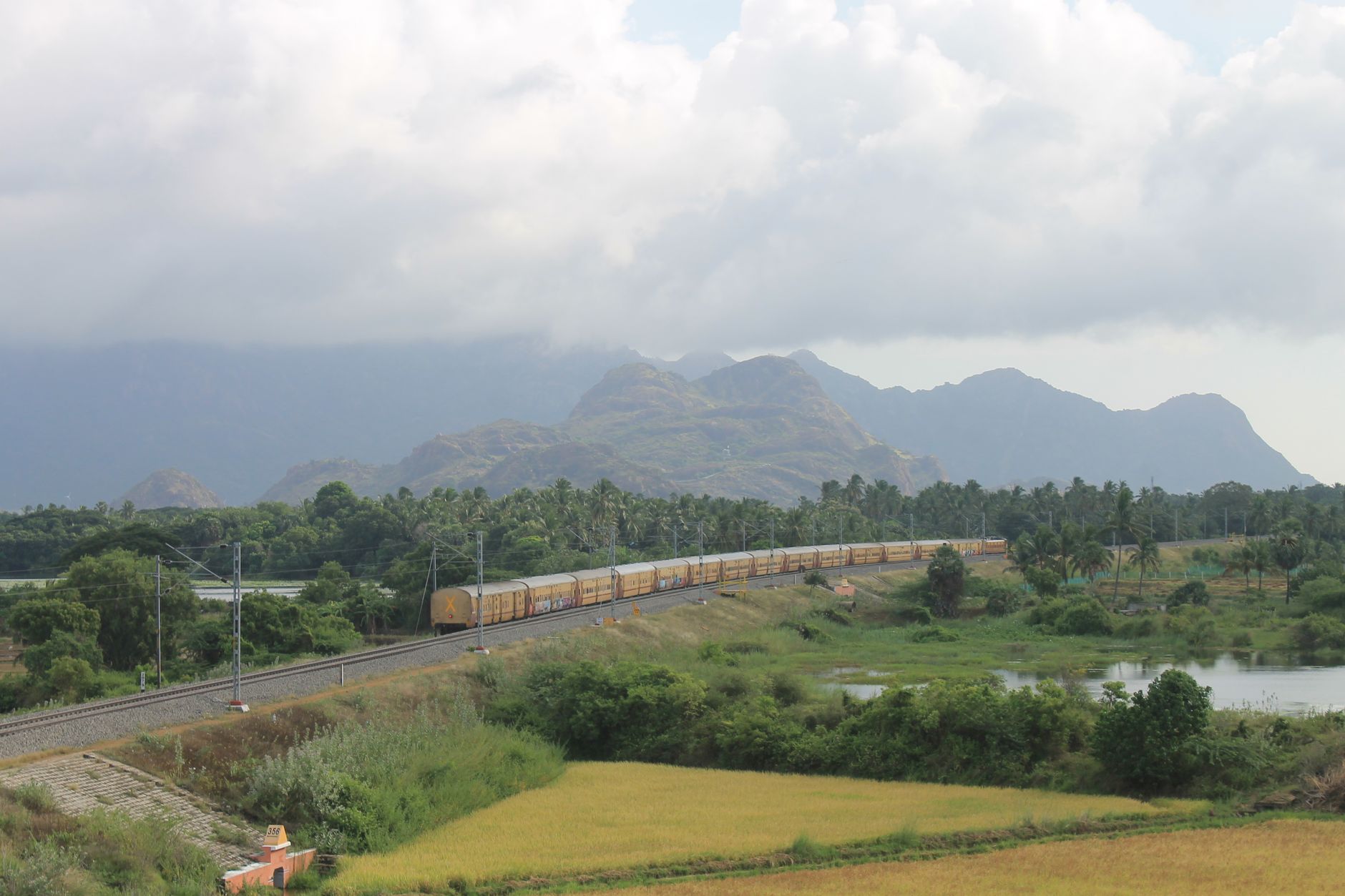
Introduction to a Century-Old Railway Artery in Southern India
Southern India is home to some of the most remarkable civil engineering marvels on the planet, legacies of an era when British colonial authorities sought to tame the most rugged topography through steam and steel. Among these jewels stands the Nilgiri Mountain Railway, a metric-gauge railway line connecting the town of Mettupalayam with the hill station of Udhagamandalam, historically known as Ooty. This corridor is not merely a tourist attraction or a museum relic; it operates as an essential transport infrastructure that binds together isolated communities nestled along the slopes of the Western Ghats. Its route defies gravity and traditional railway adhesion laws through the use of an Abt-type rack system, enabling the trains to conquer extreme gradients that would otherwise leave local populations cut off from the lowlands.
Understanding the logistical and social dimensions of this line requires looking beyond its nostalgic aesthetic. For decades, the train has functioned as the primary mass transit and reliable freight conduit for agricultural produce—especially tea, vegetables, and eucalyptus—as well as for the daily commute of workers, students, and residents who depend on the connection to the plains. In a context where mountain roads frequently suffer the ravages of monsoons and landslides, the railway stands as a robust and enduring mobility alternative. This report examines the technical evolution, maintenance challenges, and integration of this infrastructure into the transport network of Tamil Nadu.
Historical Context and the Genesis of an Impossible Route
The need to connect the lowlands of Tamil Nadu with the cool foothills of the Nilgiri hills arose in the second half of the 19th century. British colonial administrators, seeking relief from the scorching summer temperatures of Madras and Coimbatore, established Ooty as a major hill sanitarium and administrative center. However, the initial ascent relied on pack animals or horse-drawn carriages traversing perilous bridle paths that became impassable during the rainy season. Proposals to build a railway began in the 1850s, but the topographical complexity stalled early projects due to enormous estimated costs and a lack of adequate adhesion technology for gradients exceeding four percent.

It was not until 1891 that engineers successfully consolidated a consortium and commenced construction under the supervision of the Madras Railway Company. The primary obstacle lay in overcoming an abrupt elevation gain of more than two thousand meters over a linear horizontal distance of barely twenty-six kilometers. To solve this challenge, engineers adopted the Swiss rack system invented by Roman Abt, which introduces a central notched bar between the rails into which the toothed pinions of the locomotives engage. This mechanical innovation allowed the train to ascend slopes with an unprecedented inclination of up to one in twelve, a technical feat that required the manual excavation of numerous tunnels through living rock and the construction of masonry viaducts that still support the daily passage of convoys today.
Rack-and-Pinion Engineering and the Orographic Challenges of the Ghats
The technological heart of the Nilgiri Mountain Railway lies in its mixed traction system. Along the flat sections between Mettupalayam and Coonoor, locomotives operate via conventional wheel-rail adhesion. However, upon reaching the rack section extending from Coonoor to Udhagamandalam, the mechanism changes radically. The engines incorporate special gears that couple with millimetric precision to the central rack of the rail. This mechanical engagement prevents any risk of backward slipping, guaranteeing absolute safety on prolonged slopes where gravity exerts extreme pressure on the rolling stock.
The orography of the Western Ghats imposes severe climatic and geological conditions that complicate railway operations. Annual monsoons bring torrential rainfall that triggers slope erosion, falling trees across the tracks, and large boulder rockfalls. To mitigate these risks, the engineering department of Southern Railway maintains constant foot-patrol inspections of the track and deploys emergency teams equipped with heavy machinery. Furthermore, corrosion of the metal rack components due to constant humidity requires a rigorous preventive maintenance program, including specialized lubrication and periodic replacement of worn-out notched segments.

The Nilgiri Mountain Railway demonstrates that nineteenth-century engineering, adapted with rigor and maintained with artisanal devotion, can overcome the most severe limits of mountain geography without losing its functionality as a vital public service.
The current route features sixteen tunnels, two hundred and fifty bridges, and numerous sharp curves that demand exceptional skill from engine drivers. Each bridge, originally constructed with granite masonry and wrought iron girders, has undergone modern structural reinforcements to support the increasing weight of newer locomotive generations, combining heritage preservation with contemporary operational safety requirements.
Rolling Stock: From Classic Steam Locomotives to Diesel Traction
The visual and mechanical identity of the railway is inextricably linked to its iconic steam locomotives manufactured by the Swiss company SLM (Swiss Locomotive and Machine Works) in Winterthur. These articulated Mallet and side-tank engines use coal- or oil-fired boilers to generate the enormous power required on the rack sections. Their robust design includes twin separate cylinders: one set to drive the conventional adhesion wheels and another independent set to power the rack pinion mechanisms. The characteristic sound of the steam exhaust and the column of white smoke winding through eucalyptus forests form part of the region’s living heritage.
However, growing transport demand and the need to optimize operating costs have driven the gradual introduction of diesel locomotives adapted to the rack system. These modern units reduce pollutant emissions in ecologically sensitive zones and offer greater operational availability by requiring less preparation and maintenance time in the Coonoor workshops. Despite this modernization, Indian Railways keeps several historic steam locomotives in active service, ensuring that the century-old tradition continues operating in parallel with the newer diesel fleet.
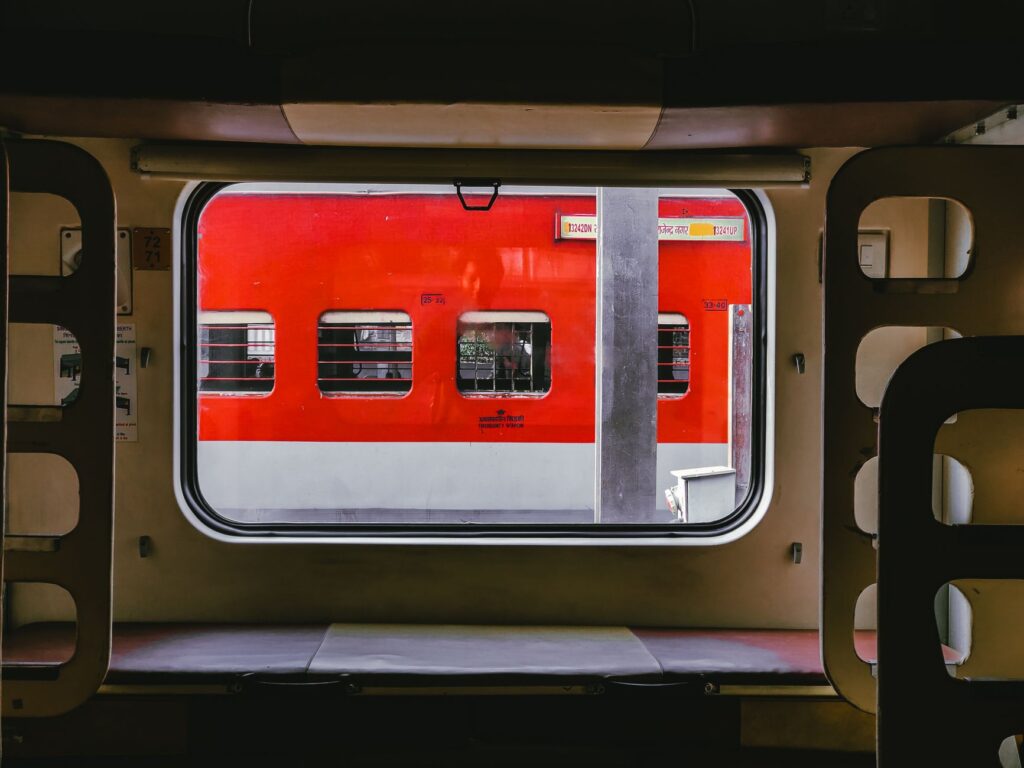
Socioeconomic Impact and Connectivity for Local Communities
Far from being an exclusive attraction for foreign visitors, the Nilgiri Mountain Railway fulfills an irreplaceable social function for inhabitants of rural settlements scattered along the hills. For local farmers, merchants, and small business owners, the train represents the most economical and reliable transport route to move their harvests of tea, carrots, and potatoes to the wholesale markets of Coimbatore and Chennai. The region’s roads, although improved in recent decades, suffer from chronic congestion and are prone to prolonged closures during monsoon seasons, driving up road freight costs.
Likewise, high school students and commuter workers residing in intermediate towns such as Wellington, Lovedale, or Ketti depend on morning local services to travel to their educational and employment centers. The railway thus acts as a social equalizer, enabling intergenerational mobility and maintaining a constant flow of local commerce that invigorates the economy of the Tamil Nadu highlands. The integration of railway timetables with state buses at key terminals optimizes the multimodal transport chain of the entire county.

Travel Planning and Practical Information for the Global Passenger
For travelers planning to ride this historic railway line, advance planning is an essential requirement due to high demand and the limited capacity of metric-gauge convoys. Seat reservations must be made months in advance through the official Indian Railways portal (IRCTC) or via authorized agencies. The main route operates daily, departing from Mettupalayam station—connected to Chennai by overnight express train services—and terminating at Udhagamandalam after approximately four and a half hours of travel.
It is important to note that the journey is operationally divided into two segments: the section from Mettupalayam to Coonoor, where the locomotive pushes the carriages from the rear to tackle the slope, and the section from Coonoor to Ooty, where the composition continues via conventional traction through gentler, rolling valleys. Passengers are advised to wear light winter clothing, as the temperature drop is noticeable as the train gains altitude, reaching the upper zones of the Nilgiris. Additionally, the status of the line should be verified before embarking on the trip, especially during monsoon months (between June and September), a period when temporary service suspensions may occur due to track clearance work.
Heritage Preservation and UNESCO Recognition
In 2005, the United Nations Educational, Scientific and Cultural Organization (UNESCO) inscribed the Nilgiri Mountain Railway on the prestigious World Heritage list, expanding the previous designation obtained by the Darjeeling Himalayan Railway. This international recognition not only provided institutional backing for the conservation of the infrastructure but also imposed strict management guidelines to protect the technical and landscape authenticity of the corridor against pressure from uncontrolled urban development in the hills.

The World Heritage cataloging obliges railway authorities to preserve traditional maintenance methods, utilizing artisanal workshops where blacksmiths and turners keep centuries-old techniques of component manufacturing alive.
The Coonoor workshops are a living testament to this preservation effort, repairing and restoring mechanical components no longer found in the modern industrial market. This commitment to authenticity ensures that the railway retains its structural integrity and historical soul, offering future generations a tangible window into the golden age of mountain railway engineering.
Conclusion: The Sustainable Future of a Legend on Rails
The Nilgiri Mountain Railway faces the 21st century by balancing the delicate duality between historical heritage conservation and the modernization of regional transport services. As demographic pressure and mass tourism increase in southern India, sustainable management of this railway corridor becomes a critical challenge for transport authorities. The implementation of energy-efficiency technologies, improvements in waste management along the route, and close collaboration with local communities ensure that the train continues to be an engine of development and a symbol of regional pride.
Ultimately, this rack-and-pinion railway transcends its purely utilitarian function to become a metaphor for human resilience in the face of geographical adversity. Crossing stone bridges, hearing the compressed roar of steam on the steepest ramps, and gazing at the green mantles of tea plantations from the window offers an unparalleled travel experience. The Nilgiri Mountain Railway thus remains steadfast upon its centennial rails, reminding the world that the deliberate slowness of high mountains is often the most profound way to connect territories and people.

