
Beyond the plate: geography as a fundamental ingredient
Spanish geography has never been a mere backdrop; it is, in itself, the larder that conditions the character, rhythm, and technique of its kitchens. When international analysts examine the country’s culinary landscape, they discover that excellence is not an isolated or centralized phenomenon, but rather a constellation of cities where local produce and human inventiveness converge in a singular way. This report examines eleven of those essential enclaves, distilling the essence of a territory where eating is an act of both cultural survival and aesthetic sophistication.
San Sebastián: the undisputed capital of culinary haute couture
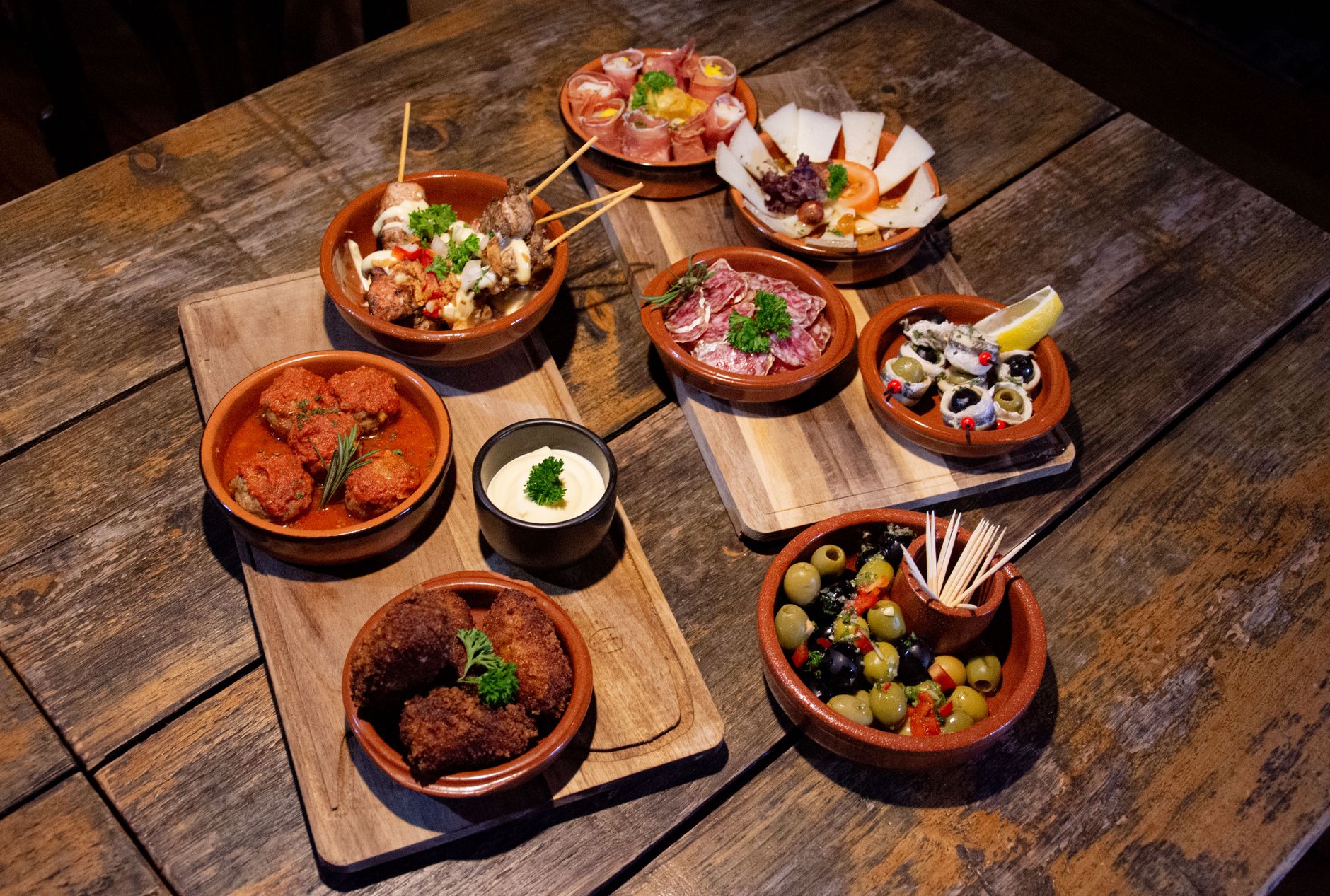
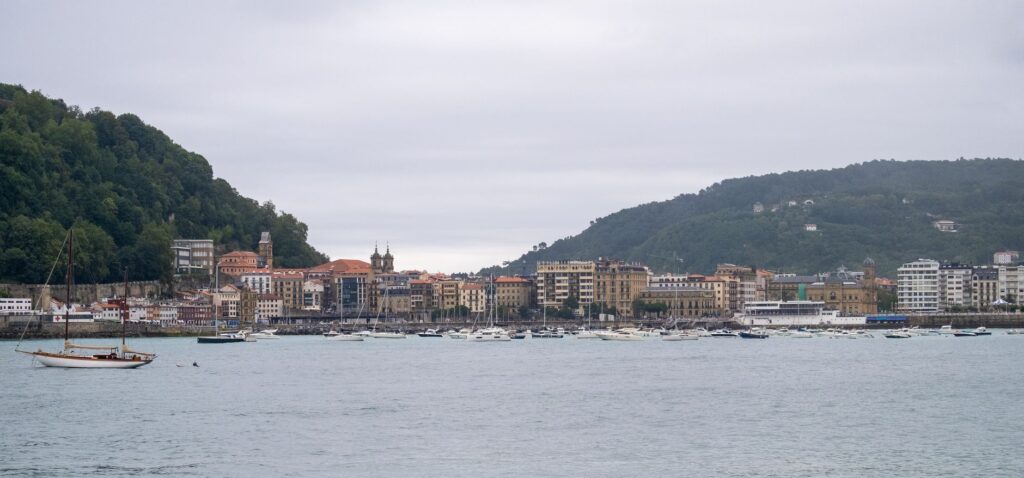
On the Cantabrian coast, San Sebastián shines with its own light thanks to a concentration of culinary talent that defies demographic statistics. The Basque city not only boasts one of the highest densities of Michelin stars on the planet, but it has also managed to maintain an uninterrupted dialogue between farmhouse cooking and absolute avant-garde. The bars of the Old Town, packed with pintxos that double as miniatures of haute cuisine, coexist with temples where charcoal grilling and seafood reach almost surgical technical perfection.
The success of San Sebastián is not a matter of chance, but of a network of complicities between fishermen’s brotherhoods, local farmers, and chefs trained in an almost monastic discipline. Here, cooking is a matter of social cohesion where gastronomic societies act as guardians of tradition, ensuring that maritime recipes are passed down from generation to generation without losing an ounce of their original authenticity.
Barcelona and Girona: the Catalan axis between the market and daring
Catalonia represents one of Europe’s most complex and stimulating culinary geographies, led by the complementary duality between Barcelona and Girona. In the Catalan capital, municipal markets such as La Boqueria or Santa Caterina act as epicenters of a cosmopolitan cuisine that pays tribute to both garden produce and the Mediterranean Sea. Catalan cooking stands out for its ability to combine sea and mountain, an exercise in balance where the sofrito and the picada act as alchemical bases for memorable dishes.
Contemporary Spanish cooking does not renounce its roots; it uses them as a springboard to project a unique voice onto the international stage.
Just a few miles to the north, Girona has established itself as a beacon of global creativity. The influence of the Roca brothers and their commitment to emotional sensitivity and scientific research has transformed the city into a pilgrimage destination for gastronomes worldwide. Here, traditional Catalan recipes are broken down and reinterpreted through refined techniques, proving that the avant-garde and historical memory can walk hand in hand.
Madrid: the voracious capital where all Spains converge
Madrid acts as an insatiable sponge that absorbs, refines, and enhances the culinary traditions of all seventeen autonomous communities. Far from possessing a single restrictive identity, the capital is defined by its integrative capacity. From classic century-old taverns serving impeccable tripe or artisanal churros, to next-generation restaurants experimenting with fermentation and sustainability, Madrid is a mosaic in constant effervescence.
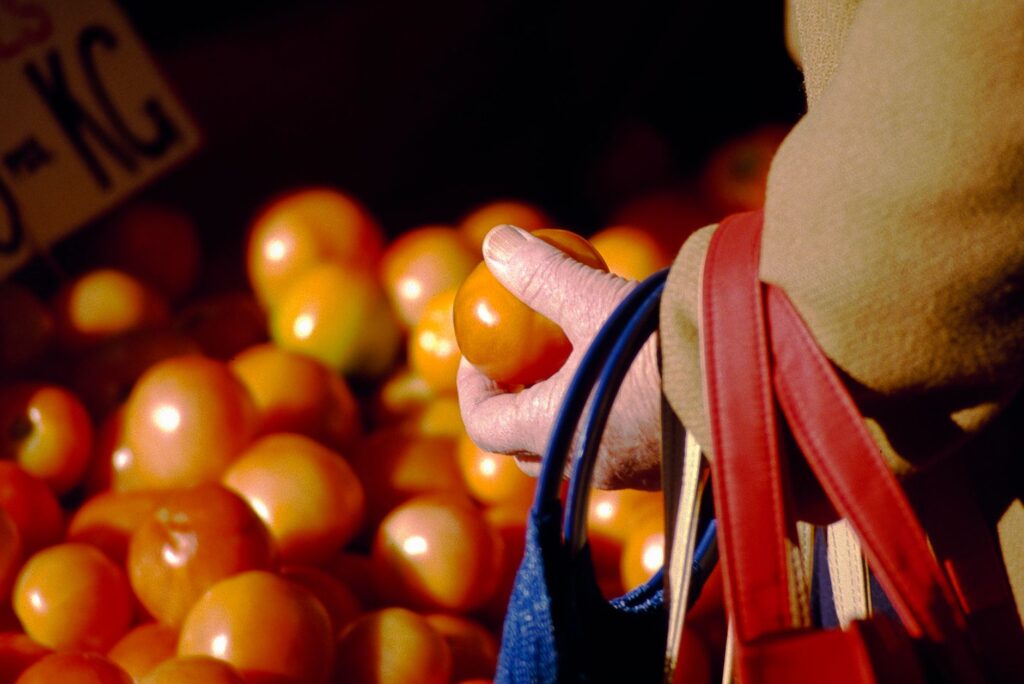
The Madrid phenomenon is supported by food markets converted into tasting centers and a community of young chefs who have democratized haute cuisine. The offering is completed by a growing focus on wine, with urban wineries and sommeliers championing the wine wealth of the Meseta and less-traveled regions of the national territory.
Valencia: the culture of rice elevated to fine arts
On the shores of the Mediterranean, Valencia has transcended the tourist cliché to establish itself as a territory of profound gastronomic sophistication. The Valencian orchard, an ancient agricultural oasis, supplies markets where vegetables are the true protagonists. However, it is in the universe of rice that the city reaches its maximum identity expression. Far from the rigidity of closed recipes, Valencian chefs defend rice as a blank canvas conditioned by the territory.
- Exclusive use of native rice varieties such as Senia, Albufera, or Bomba.
- Absolute respect for clean broths and slow-cooked sofritos.
- Reclamation of orange wood as a key element of flavor and aroma.
Seville and Cádiz: the southern fried, maritime, and deeply rooted Andalusia
In the southern peninsula, Seville and Cádiz offer a masterclass on how joy in eating is sustained by absolute respect for the product. Seville, with its incomparable tapa culture, turns every bar into a democratic space where fried fish, grandmother’s stews, and signature tapas converge. It is standing-up cuisine, fast yet deeply crafted, requiring fresh produce and mastery of frying times.
Meanwhile, Cádiz introduces the traveler to a purely Atlantic dimension. The tidal marshes, ancient Phoenician tuna traps, and singular products such as prawns or small chickpea fritters define a gastronomy inextricably linked to the tides. Gaditanian cooking is saline freshness and Phoenician memory, a constant reminder that the sea is the region’s main larder.

San Sebastián de los Reyes, Bilbao, and the reinvented industrial north
The northern peninsula holds surprises beyond its most famous capitals. Bilbao, for instance, has successfully reinvented itself following its industrial transformation to become a beacon of urban gastronomy. The estuary, once a landscape of shipyards and factories, now hosts proposals where traditional Basque cooking merges with the architectural and cultural modernity brought by the Guggenheim Museum.
This adaptability defines the character of northern cooking: a fierce resistance to losing identity combined with an insatiable curiosity for new culinary languages. Traditional grills, where beef and fish are treated with almost reverential respect, coexist with auteur bistros that reinterpret market cooking with minimalist elegance.
Logroño and San Sebastián: the liturgy of wine and the brief bite
Although La Rioja is often almost exclusively associated with wine production, its capital, Logroño, has turned Laurel Street and its surroundings into a global case study on gastronomic sociability. Here, the unwritten rule dictates moving from bar to bar, pairing each Rioja wine with a specific specialized pincho or tapa: grilled mushroom skewers, spicy bravas, or skewered meat.
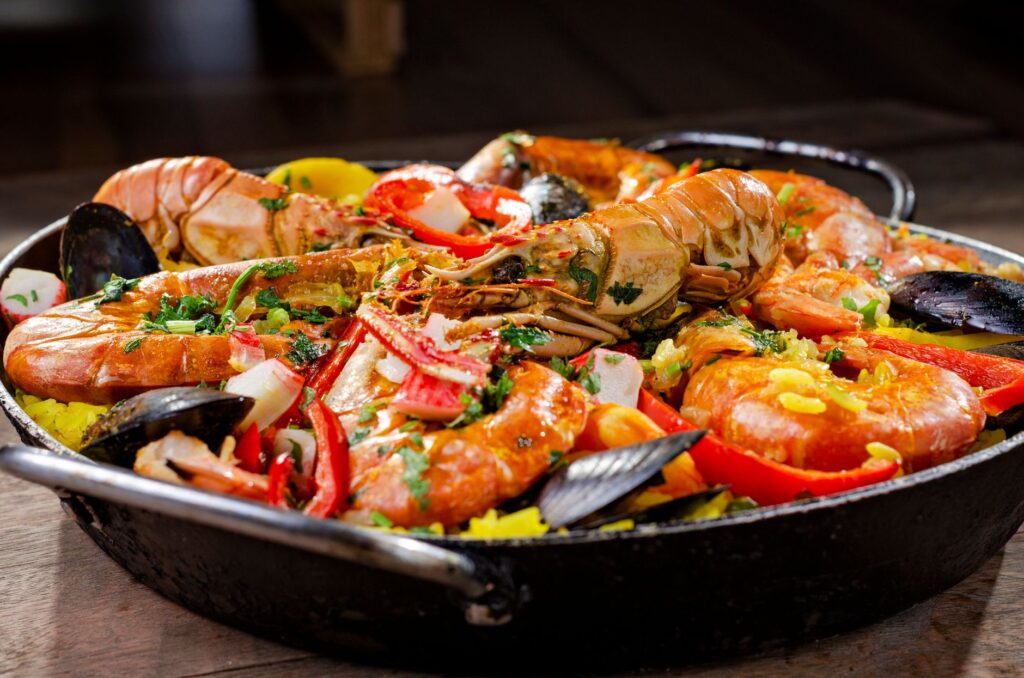
The true richness of Spanish gastronomy lies in its inexhaustible diversity and the ability of its people to turn any meal into an act of cultural communion.
This format proves that haute cuisine is not incompatible with immediacy and the street. Technical precision and the quality of local produce are put at the service of an intergenerational public seeking both gastronomic pleasure and human reunion.
Practical information for the gastronomic traveler
Planning a culinary trip through Spain requires rigor and foresight. It is essential to bear in mind that haute cuisine establishments usually open their reservation books months in advance. Likewise, it is wise to respect local schedules: lunch rarely begins before two in the afternoon, and dinner typically unfolds from nine-thirty or ten at night.
To fully enjoy the culture of bars and markets, visitors are advised to avoid strict peak hours or, conversely, embrace the bustle as an inseparable part of the experience. As for travel, the high-speed rail network connects most of these key cities within hours, facilitating complex itineraries without relying on air transport.
Conclusion: a living legacy looking towards the future
Spain’s culinary map is not a static museum, but a living organism that evolves thanks to the creative tension between memory and innovation. The eleven cities analyzed demonstrate that the future of gastronomy lies not in global homogenization, but in deepening local roots, respecting natural cycles, and the ability to move people through flavor. Dining in Spain is, ultimately, reading an open book about its history, landscape, and people.
Source in EN: The Times