


Introduction to the South Island’s Transverse Corridor
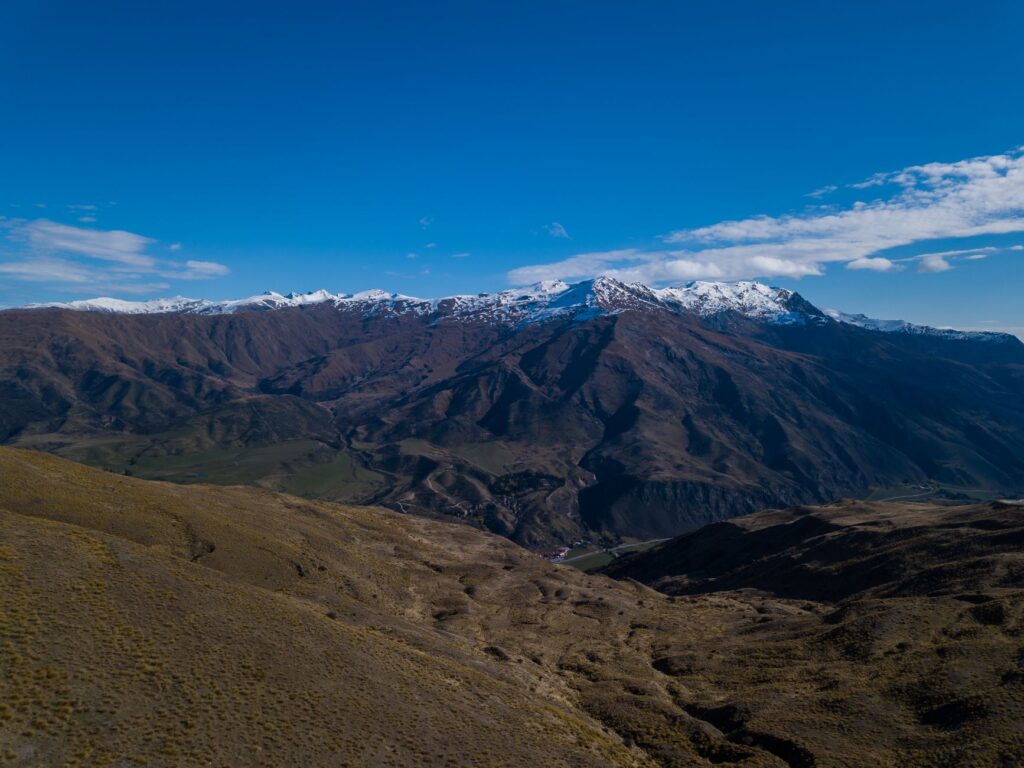
The territory of New Zealand’s South Island is defined by an implacable geological spine: the Southern Alps (Kā Tiritiri o te Moana). For decades, the natural division imposed by these vertical summits hindered commercial and passenger exchange between the east and west coasts. The response to this topographic challenge was not a conventional highway, but a masterpiece of railway engineering globally known today as the TranzAlpine. Operated by the state-owned enterprise KiwiRail, this journey of nearly two hundred and twenty-three kilometers connects the agricultural Canterbury plains with the West Coast, characterized by the timber industry, historical mining, and untamed nature.
For the contemporary traveler and transport infrastructure analyst, the TranzAlpine represents much more than a premier tourist attraction. It is a vital logistics corridor demonstrating how rail technology can operate successfully in extremely dynamic geological environments, crossing active seismic zones, vertiginous river gorges, and highly unpredictable alpine weather conditions. Understanding its operation requires examining both its historical architecture and the modern operating protocols that guarantee its punctuality and safety along the Waimakariri River valleys and the tunnels bored into the mountain range’s bedrock.
The Topographic Challenge and the Engineering of the Otira Tunnel
The most formidable obstacle in constructing the original route was crossing Arthur’s Pass, a mountain gap over nine hundred meters above sea level. Late 19th- and early 20th-century engineers faced impossible gradients for the conventional steam locomotives of the era. The definitive solution was the excavation of the Otira Tunnel, a monumental project over eight kilometers long, inaugurated in 1923 after more than fifteen years of work interrupted by water seepage, high geothermal pressure, and resource shortages during the First World War.
The technical complexity of the tunnel lay not only in its length, but in its steady 3.3 percent gradient. To prevent the lethal accumulation of smoke and toxic gases inside the tube during the steam traction era, railway authorities implemented a dedicated electric locomotive system for initial hauling, a historical precedent for electrification in the region. Today, modern diesel-electric locomotives of the DX series cross the tunnel under strict protocols of controlled ventilation and real-time monitoring from KiwiRail’s centralized control centers in Christchurch and Wellington.
The Operational Rhythm: From Lyttelton Port to the Wild Coast
The daily operation of the TranzAlpine requires millimetric synchronization between track infrastructure, signaling systems, and seasonal weather conditions. The official departure takes place from Christchurch’s central station, situated on the eastern coast. From there, the convoy leaves the urban suburbs to quickly enter the Canterbury plains, an agricultural mosaic where the straight track allows for stable cruising speeds before beginning the gradual ascent toward the island’s interior.

As the train advances westward, the landscape changes radically. The braided channel of the Waimakariri River becomes an inseparable traveling companion. The tracks wind along the edge of cliffs formed by glacial deposits, crossing impressive metal lattice viaducts that defy the void. Each of these bridges requires regular structural inspections and preventive maintenance programs to support both passenger convoy traffic and occasional heavy freight traffic sharing this strategic corridor of New Zealand’s national network.
The Evolution of the Onboard Experience: Design and Connectivity
Far from conventional commuter trains, the TranzAlpine’s rolling stock has been specifically designed to maximize panoramic observation without compromising the aerodynamic and structural comfort necessary in zones of intense katabatic winds. The carriages feature high-profile windows extending partially into the roof, allowing vertical views of snow-capped peaks and temperate rainforests characteristic of Arthur’s Pass National Park.

A distinctive element of interior design is the open-air observation carriage, accessible to all passengers. This glass-free space has become the neuralgic point for photographers and geography enthusiasts, allowing them to capture the sound of alpine streams, the roar of diesel engines negotiating gradients, and the crisp freshness of pure mountain air. Likewise, the seat-integrated audio system offers GPS-synchronized multilingual geographic and historical commentary, enriching the journey with precise data on endemic flora, glacial geology, and the history of the pioneers who cleared the original trails.
Railway transportation in extreme mountain regions is not merely a matter of civil engineering, but a delicate exercise in balancing human accessibility with the preservation of fragile ecosystems.
Station Infrastructure and Impact on Local Communities
The passage of the TranzAlpine not only energizes the national tourism economy, but acts as a vital lifeline for isolated small communities settled along the route. Stations like Springfield and Arthur’s Pass operate today as intermodal activity hubs. In Arthur’s Pass, an alpine settlement of barely a hundred permanent residents, the daily arrival of the train sets the commercial rhythm of cafes, hostels, and Department of Conservation (DOC) interpretation centers.
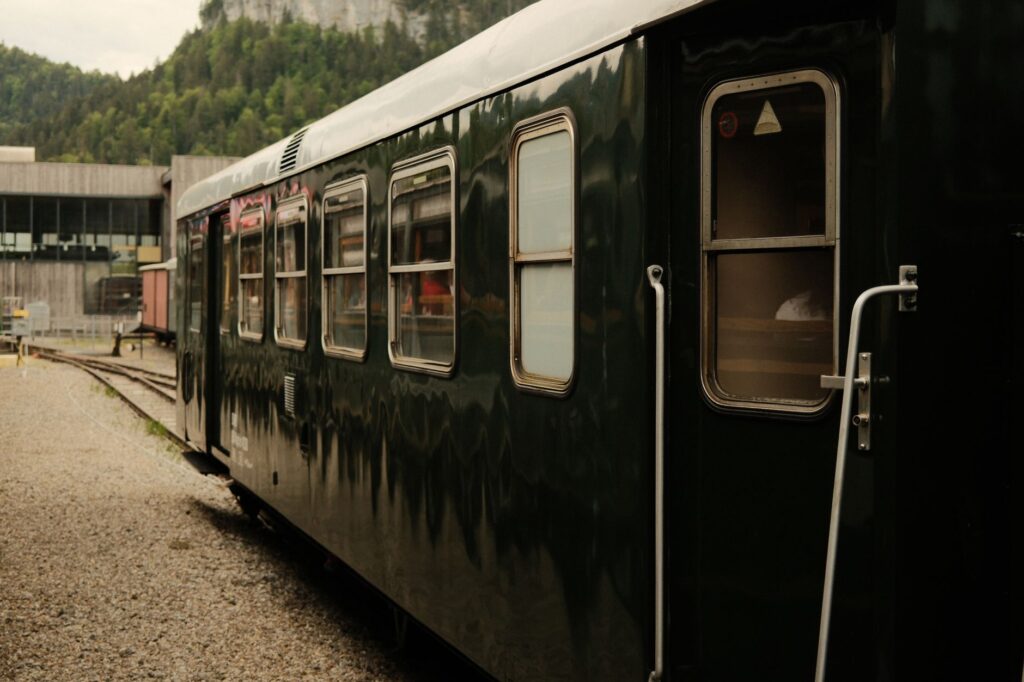
Logistical supply for these localities largely depends on the passenger train’s own cargo capacity, transporting mail, emergency medical supplies, and small commercial parcels. This multifunctional integration of the line demonstrates how a transport service initially designed for leisure can maintain essential public service functions for inhabitants of remote valleys where road access may be cut off during winter months due to heavy snowfalls or landslides.
Environmental Sustainability and Geological Risk Mitigation
Operating a railway line through prone seismic zones and extreme weather demands rigorous safety protocols and constant investment in prevention technologies. Following the devastating Canterbury earthquake, the infrastructure suffered minor damage demonstrating the resilience of reinforced bridges and embankments, but forced KiwiRail to upgrade motion sensors installed along gorges to detect rockfalls before they reach the track.
From an environmental perspective, rail transport remains the alternative with the lowest carbon footprint per passenger-kilometer compared to rental car and tourist bus traffic traveling along State Highway 73. The gradual modernization of the locomotive fleet aims to further reduce nitrogen oxide and fine particulate emissions, aligning with carbon neutrality goals established by the New Zealand government for its critical public transport infrastructure network by 2050.
Logistical Planning and Practical Advice for the Global Traveler
Planning a trip on the TranzAlpine requires a clear understanding of seasonality and the unpredictable nature of alpine weather in the South Island. The route operates year-round, although frequencies and schedules may adjust based on seasonal maintenance requirements or severe weather alerts issued by the national meteorological service (MetService).
- Advance booking: Seats in panoramic carriages and spots in the outdoor observation car frequently sell out months in advance during the peak summer season (December to February).
- Itinerary flexibility: Given infrastructure vulnerability to slips or heavy winter snow, it is advisable to maintain a twenty-four to forty-eight-hour buffer in travel plans across Christchurch or Greymouth.
- Luggage and restrictions: The service allows standard-sized checked baggage, but carrying a lightweight hand backpack with waterproof warm clothing is recommended, as West Coast weather can change drastically within minutes.
- Intermodal connectivity: Greymouth station offers direct connections with intercity bus services toward the Franz Josef and Fox glaciers, as well as Nelson and the northern South Island.
The true measure of a great rail journey is not found in its travel speed, but in the depth with which it allows us to understand the geography and human spirit of the territory it crosses.
Conclusion: The Lasting Legacy of Iron Across the Alps
The TranzAlpine transcends the category of simple tourist attraction to consolidate itself as an irreplaceable pillar of New Zealand’s territorial identity and transport engineering. By uniting Canterbury’s Pacific coast with the fjords and rainforests of the Tasman Sea, this railway line proves that modern connectivity can coexist with absolute respect for one of the wildest and most beautiful natural environments on the planet. Its operational continuity is a testament to human ingenuity in the face of geographical adversity and a constant reminder that slow travel on rails remains the noblest way to contemplate Earth’s shifting grandeur.

