Crossing the Australian continent from south to north is not merely a matter of long-distance travel; it is a confrontation with a geographic void that has challenged explorers, engineers, and naturalists for over two centuries. In the heart of this vastness runs The Ghan, one of the longest and most legendary rail lines in the world, connecting the temperate coastal city of Adelaide with the tropical northern port of Darwin. Spanning 2,979 kilometers, this iron corridor is not just a showcase for the untamed beauty of the Outback, but an unparalleled logistical triumph, operating self-sufficiently under extreme climatic conditions ranging from absolute drought to monsoonal floods.
The Backbone of an Empty Continent
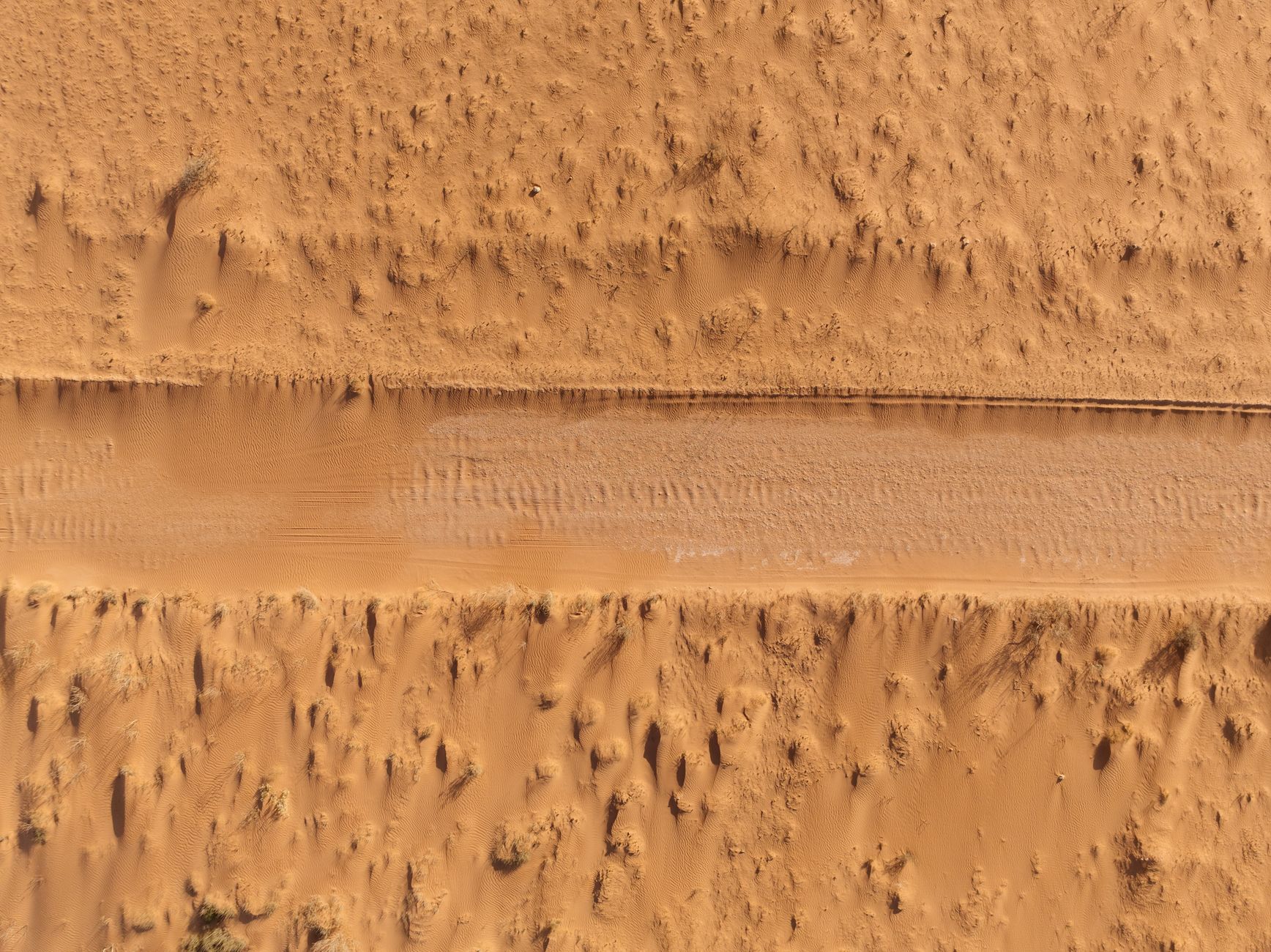
To grasp the magnitude of The Ghan, one must first comprehend the scale of the territory it traverses. Australia’s interior is characterized by an exceptionally low population density—a vast expanse of red earth, spinifex grass, and sand dunes that European settlers once dubbed the «dead heart» of the country. Yet, this land is vibrant with life, ancient geology, and deep cultural meaning for Indigenous nations. Laying a steel track through this space required an audacious geopolitical vision: the necessity of linking the densely populated south with the northern frontier, which opens directly toward Asia-Pacific trade routes.
The current railway alignment is the result of decades of technical revisions. The train marches steadily forward, eating up kilometers across alluvial plains, gibber deserts, and the ancient ridges of the Flinders Ranges and MacDonnell Ranges. What began as a 19th-century dream of connectivity is today a vital artery for heavy freight and an icon of high-end experiential travel, where modern technology pays homage to the patience of the early pioneers.
From Camels to Steel Locomotives
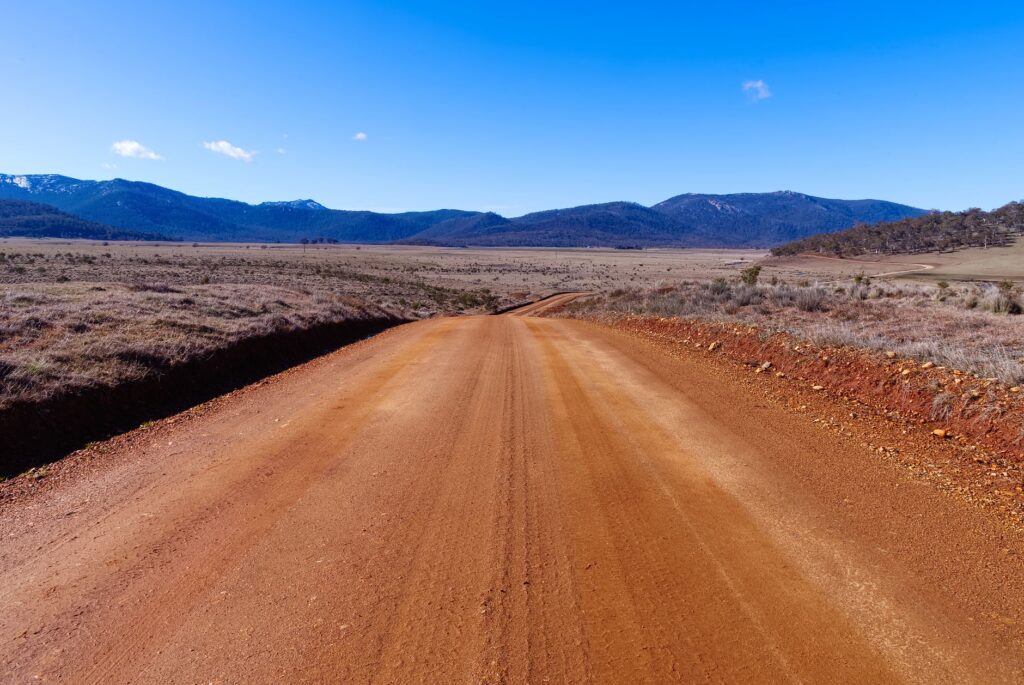
The legendary train’s name honors the pioneering Afghan cameleers (mostly hailing from present-day Pakistan, Afghanistan, and India) who, in the mid-19th century, introduced the first reliable cargo transport into the arid interior. Without their camel trains, constructing the overland telegraph lines and sustaining early settlements in the Red Centre would have been impossible. These men forged the desert tracks that railway surveyors would later follow.
The first phase of the line, originally known as the Great Northern Railway, commenced construction in 1878, linking Port Augusta to Oodnadatta. This original narrow-gauge line was plagued by constant operational disruptions. Termites devoured the timber sleepers, rare but torrential desert downpours washed away provisional bridges, and extreme heat buckled the iron rails. The journey was a logistical lottery where passengers could find themselves stranded for weeks in the middle of nowhere, waiting for the wild waters of the Finke River to subside.

The desert is not a sterile void, but a tapestry of interwoven stories where every dune and every rock carries an ancestral name and memory.
The Desert Challenge: Engineering Against Extreme Climate
The true revolution for this vital infrastructure arrived in October 1980, with the opening of a completely redesigned standard-gauge line. Engineers made a drastic decision: abandon the original flood-prone eastern route and shift the entire corridor more than 250 kilometers to the west, seeking higher, more stable ground. This new route bypassed the treacherous floodplains of Lake Eyre and the Finke River, laying the tracks on prestressed concrete sleepers and state-of-the-art elastic fasteners capable of absorbing the brutal thermal expansion of the desert, where temperatures swing from below freezing during winter nights to over 50 degrees Celsius under the summer sun.
The ultimate realization of this historic project came in 2004, with the completion of the final link between Alice Springs and Darwin. This massive undertaking required laying 1,420 kilometers of track in less than three years, crossing more than ninety new bridges engineered to withstand the fierce monsoonal forces of the Top End. Modern engineering not only conquered the immense distances but also guaranteed that high-tonnage freight traffic could operate year-round, transforming Darwin’s port into a crucial logistical gateway for the entire nation.
Logistics in the Void: The Art of Supplying a Mobile Town
Running a train that often exceeds a kilometer in length and carries hundreds of passengers and crew across thousands of kilometers of uninhabited wilderness is a provisioning challenge akin to operating an ocean liner. The Ghan must be entirely self-contained. Each convoy carries thousands of liters of drinking water, high-output diesel generators to power air conditioning across cabins and galleys, and tons of fresh provisions managed with surgical precision.

Strategic scheduling of technical stops is vital. At intermediate outposts like Alice Springs or the remote siding of Marla in northern South Australia, the train conducts rapid maintenance checks, refueling, and waste disposal. The onboard crew works in rotating shifts, seamlessly balancing fine dining in the restaurant carriages with railway navigation and medical safety protocols—vital in a territory where the nearest hospital may be several hours away by emergency helicopter.
Meeting Sacred Land: Territories and Cultural Respect
The path of The Ghan cuts through the traditional lands of numerous Aboriginal nations, including the Arrernte, Anangu, and Jawoyn peoples. For these communities, the creation of the railway altered ancestral lands and the Songlines that map their spiritual geography. Consequently, the modern management of this rail infrastructure demands an ongoing, respectful dialogue with the traditional owners of the land.
Today, the excursions and stops made by the train at key natural landmarks, such as the spectacular Nitmiluk Gorge in Katherine, are operated in close partnership with local Indigenous corporations. This collaboration ensures that the economic benefits of tourism flow directly back into these communities while safeguarding sacred sites and ancient rock art galleries that flank the tracks, offering travelers an authentic and profound understanding of the continent’s human history.

The true marvel of The Ghan lies not merely in the speed of its engines, but in its capacity to sustain a lifeline of civilization across three thousand kilometers of absolute isolation.
Desert Stations: Strategic Stops in the Immensity
During the 54-hour transcontinental journey, the landscape shifts dramatically, marked by stops that define the rhythm of the transit. Leaving the fertile plains of Adelaide behind, the train climbs into the arid expanse of South Australia. One of the first remote outposts of interest is Manguri, a lonely siding that serves as the gateway to the famous underground mining town of Coober Pedy, where residents live in subterranean dwellings to escape the searing heat of the opal fields.
Further north, the rugged silhouettes of the MacDonnell Ranges signal the arrival in Alice Springs, the capital of the Outback. Here, the train pauses for several hours, allowing passengers to explore a town born from the Overland Telegraph Line and today famous as the home of the Royal Flying Doctor Service. Finally, as the train enters the Northern Territory, the environment transitions to tropical savannah. In Katherine, a cruise through the towering sandstone gorges carved by the Katherine River marks the final boundary before the journey concludes in the bustling tropical port of Darwin, on the shores of the Timor Sea.

The Future of Australian Transcontinental Connectivity
Far from being a mere nostalgic relic, The Ghan remains a cornerstone of Australia’s freight and transit strategy. The freight operations on this corridor move millions of tons of minerals, agricultural products, and manufactured goods annually, significantly reducing carbon emissions compared to long-haul road transport and easing the burden on interstate highways.
Faced with the challenges of climate change—which threatens to increase the frequency of extreme weather events like prolonged droughts and flash flooding in the tropical north—the rail operator and infrastructure authorities invest continuously in track sensors, bridge early-warning systems, and highly efficient locomotives. Through these innovations, The Ghan is poised to continue crossing the desert for the next century, maintaining a physical link between the two edges of an untamed continent.
Practical Guide for the Transcontinental Traveler
Planning a journey aboard The Ghan requires an understanding of the seasons and logistics of the Southern Hemisphere. The service operates year-round, but the experience differs markedly by season:
- The Dry Season (May to August): This is the most popular window. Temperatures in the Red Centre are mild during the day (though very cold at night), and the weather in the Top End (Darwin) is dry and pleasant, perfect for outdoor excursions without oppressive humidity.
- The Wet Season (November to March): Northern Australia experiences spectacular tropical storms and monsoonal rains. While the landscape turns incredibly lush and the waterfalls in Katherine are at their most dramatic, some outdoor excursions may be altered due to local weather conditions.
- Onboard Logistics: The standard journey takes three days and two nights. Booking several months in advance is highly recommended, particularly for Platinum and Gold Service cabins, which offer all-inclusive dining featuring locally sourced Australian ingredients and fine regional wines.
- Packing and Preparation: Given the sharp temperature transitions between day and night in the desert, dressing in comfortable layers is essential. Sturdy footwear for off-train excursions on rocky terrain and high-SPF sunscreen are highly recommended.