
Introduction to the Iron Labyrinth of the Peloponnese
The continental territory of the Peloponnese, characterized by its abrupt topography of limestone gorges, imposing mountain massifs, and agricultural plains kissed by the Ionian and Aegean seas, has historically struggled with interior communication. In the late nineteenth century, the Hellenic monarchy spearheaded a titanic project to stitch this fragmented relief together using a network of metric-gauge railways. This infrastructure, conceived to anchor the agrarian economy and facilitate passenger transport in a hostile geographic environment, represented a masterclass in civil engineering adapted to the peninsula’s capricious terrain.
Far from the high-speed corridors dominating contemporary Central Europe, the Peloponnese railway system embodies the quintessence of slow travel. Today, while modern motorways absorb the bulk of commercial and passenger traffic, the secondary lines and historical segments of this network face a delicate equilibrium between institutional abandonment, infrastructural decay, and a renewed surge of interest in industrial heritage tourism and sustainable mobility.
Origins and Engineering Against the Challenge of Relief
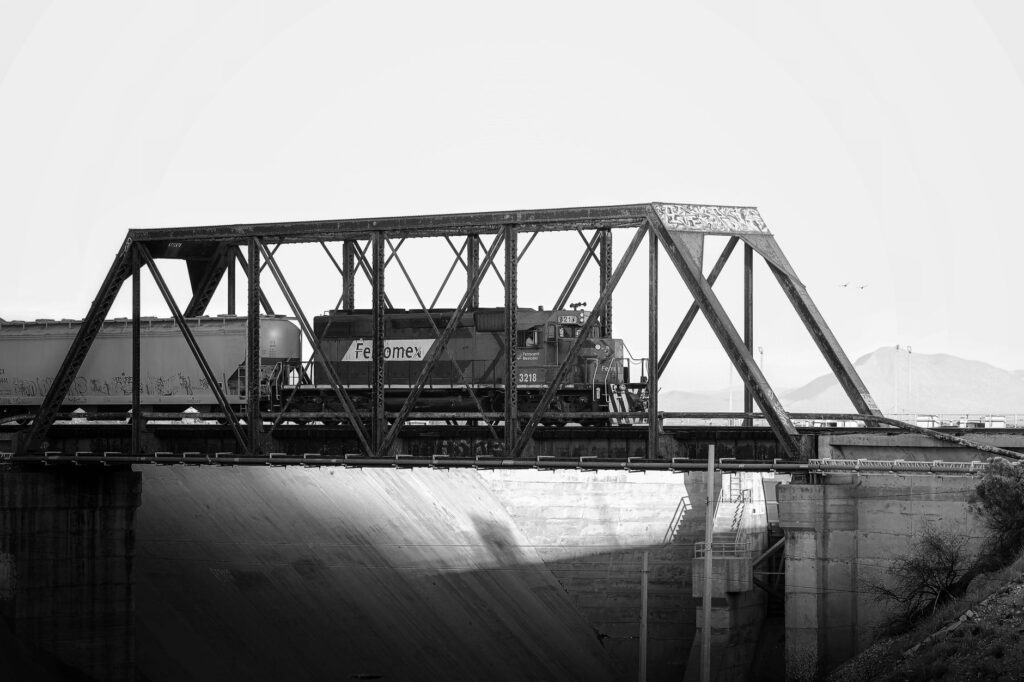
The construction of the Peloponnese railway network, formally initiated in the 1880s under the direction of French and Italian engineers, demanded audacious technical solutions. Unlike the standard European gauge of 1,435 millimeters, a one-meter gauge was chosen because tight turning radii and steep gradients rendered heavier infrastructure unviable. This design allowed for winding routes clinging to mountain slopes, crossing ravines via lattice steel bridges and boring through hand-excavated tunnels in live rock.
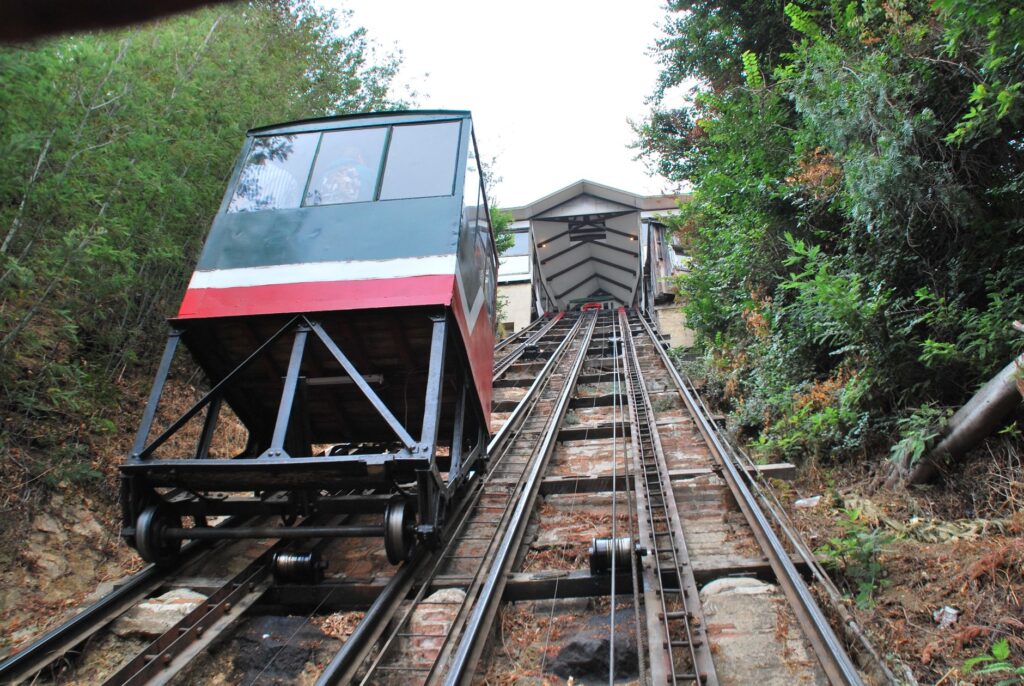
The most remarkable milestone of this network materialized in the Vouraikos gorge, where the legendary rack railway—known locally as the Odontotos—was designed to conquer an elevation gain of over 750 meters across twenty-two kilometers between Diakopto and Kalavryta. Integrating rack mechanisms into the steepest sections represented a logistical feat at a time when heavy material transport relied exclusively on animal traction power and the skill of local operators.
The Crisis of Modernity and Logistical Retreat
During the latter half of the twentieth century, the massive expansion of road transport and state prioritization of national highway connections relegated the Peloponnesian railway to operational second-class status. A lack of continuous investment, compounded by high maintenance costs for such specialized and aging infrastructure, gradually led to the suspension of numerous commercial and passenger branch lines connecting deep interior settlements with the ports of the Gulf of Corinth.
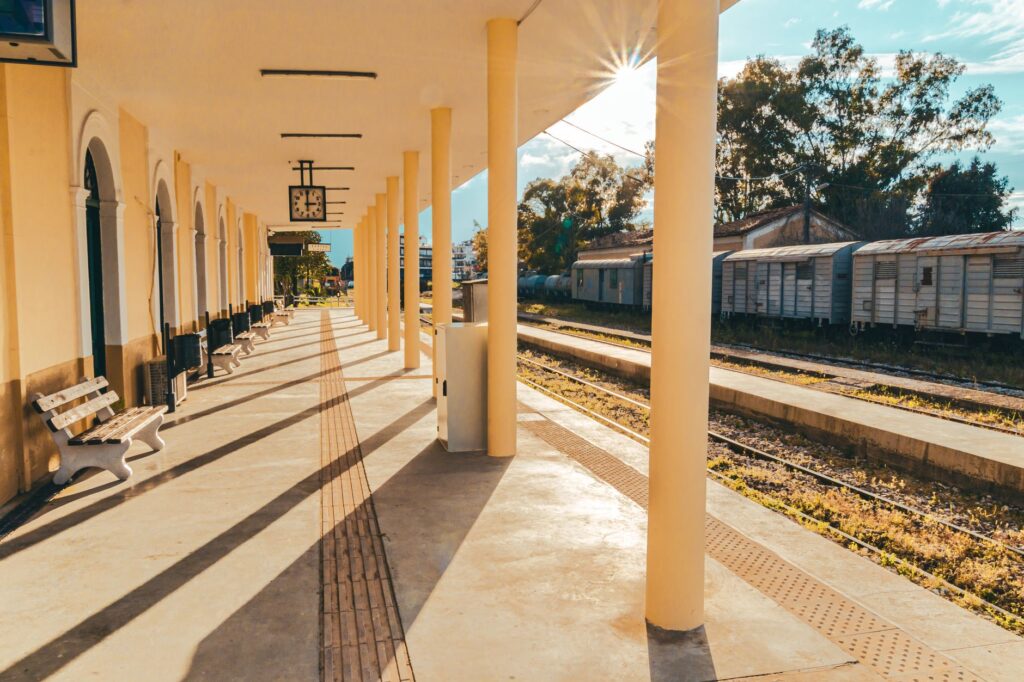
This logistical retreat created a profound gap in rural mobility. Many villages that relied entirely on train stations for agricultural dispatch and daily commuting were forced to depend on local bus fleets. The paralysis of entire sections laid bare the fragility of a public transport model unable to keep pace with twenty-first-century speed demands, leaving large stretches of tracks overgrown and historic stations converted into mute witnesses of the past.
Heritage Renaissance and Low-Speed Tourism
Despite the widespread operational decline, the intrinsic value of the network has begun to be re-evaluated through an entirely different lens. Over the past decade, cultural tourism and an interest in industrial heritage have transformed the perception of these railway alignments. Train travel across the Peloponnese is no longer measured by chronometric efficiency, but by its capacity to offer direct immersion into landscapes inaccessible from highway asphalt.
Local conservation associations, regional administrations, and specialized tour operators are championing initiatives to rescue the most emblematic sections from oblivion. The maintenance of historical runs and the promotion of combined hiking and rail routes have demonstrated a growing demand among international and domestic travelers seeking alternatives to mass tourism, prioritizing an environmentally and architecturally respectful mobility experience.
Current Infrastructure: Between Restoration and Abandonment
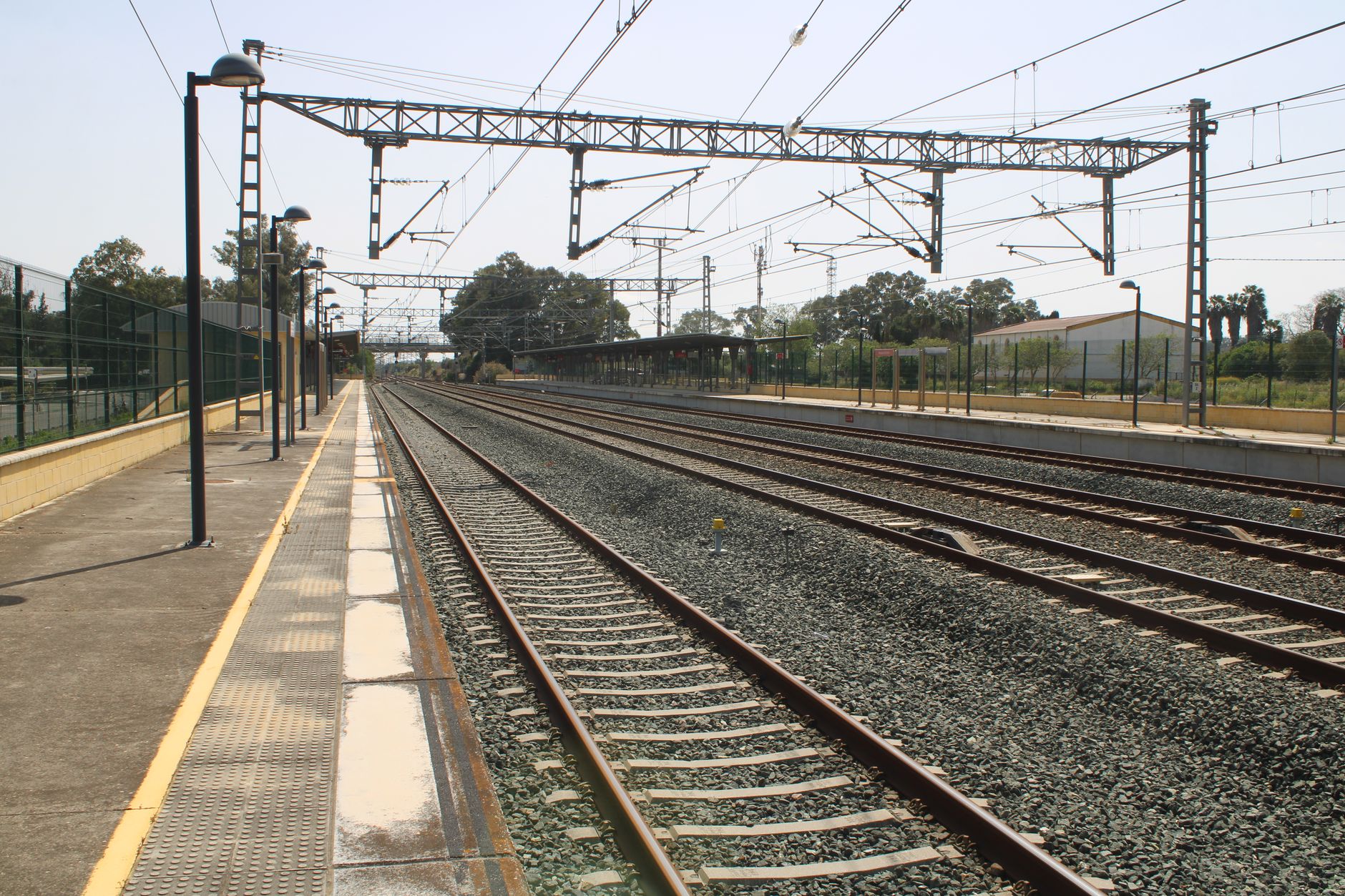
The current landscape of the Peloponnese metric tracks is a mosaic of profound contrasts. While a few main arteries have received limited budgetary allocations to ensure minimal operativity, other sectors remain completely closed off, awaiting comprehensive rehabilitation plans that rarely materialize due to the macroeconomic constraints historically affecting the Hellenic rail sector.
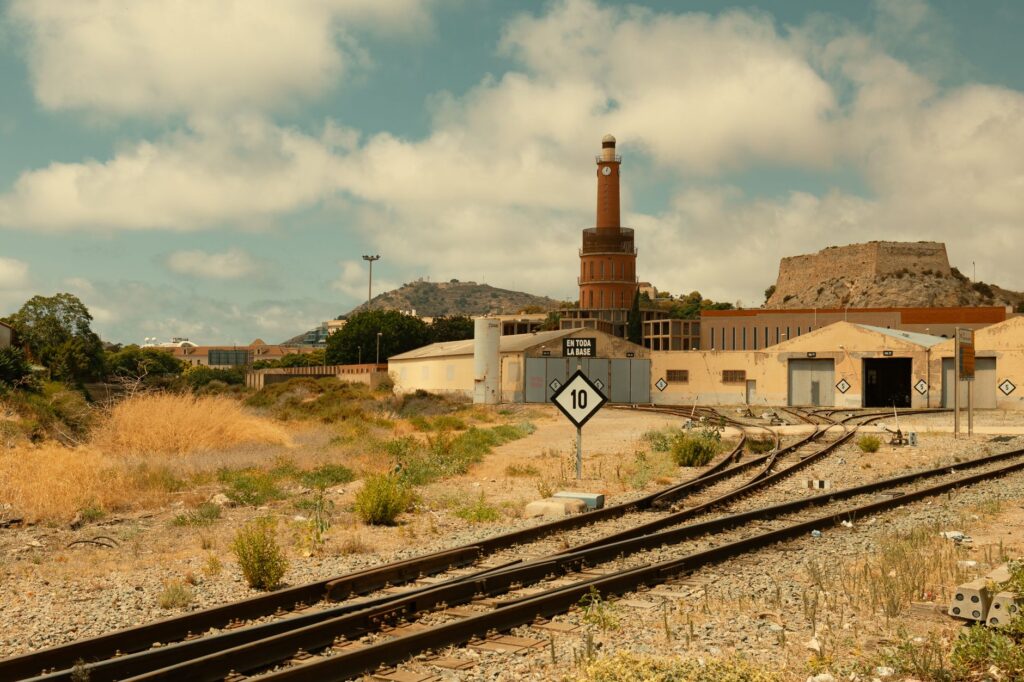
Station buildings, many of them architectural gems of stone and wood designed with nineteenth-century aesthetic criteria, suffer from uneven degradation. Some have been restored using European funds to house cultural centers or local museums, while others erode under the elements. Technical challenges for their full reactivation are colossal: from the complete renewal of sleepers and signaling systems to the stabilization of landslide-prone slopes during heavy rain seasons.
The Human Dimension: Testimonies of the Guardians of the Track
Behind every kilometer of metric track and every manual switch mechanism lies a human fabric composed of retired railway workers, residents, and local artisans who have dedicated their lives to preserving this legacy. For these communities, the train was not merely a transport mode, but the economic and social heartbeat binding valleys to the coast. Conversing with former engineers and station masters reveals the sheer magnitude of human effort required to operate steam and diesel locomotives under severe geographic isolation.

The train in the Peloponnese did not measure time in minutes, but in stations of shared silence, where every traveler and employee formed part of an extended family stretching along the rail.
These testimonies underscore that the loss of the network represented not only a contraction in regional logistical capacity, but a fracture in the cultural identity of interior towns. The peninsula’s collective memory remains anchored to the distant whistle of locomotives laboriously climbing mountain gorges.
Practical Guide for Travelers and Railway Researchers
Exploring the railway heritage of the Peloponnese demands rigorous planning, given that regular services are extremely scarce or nonexistent across most former lines. Below are essential guidelines for exploring and understanding this territory from a respectful and documented perspective:
- Main Access: The nerve center for initiating any railway route in the region is the coastal town of Diakopto, accessible via regional trains from the capital or Patras.
- The Rack Railway (Odontotos): Operates with several daily frequencies connecting Diakopto and Kalavryta. Advance booking is essential, especially during weekends and the winter season.
- Explorable Hiking Sections: The trail parallel to the tracks in the Vouraikos gorge is waymarked and allows for exceptional hikes, though visitors must consult the train schedule and exercise extreme caution near bridges and tunnels.
- Architectural Heritage: Historic stations such as Tripoli, Kalamata, or Nafplio display notable examples of 19th-century railway architecture, many repurposed as public interest spaces or open-air museums.
- Complementary Mobility: Traveling along the closed southern and central network sections requires combining intercity bus networks (KTEL) with rental vehicles, as no alternative rail transport remains operational.
The Future of Slow Travel in Southern Europe
Reflections on the future of the Peloponnese metric tracks transcend strictly local boundaries to become a case study on the sustainability of regional transport in southern Europe. In a context where transport decarbonization is an absolute priority, reusing pre-existing rail infrastructure emerges as a far more sensible alternative than constructing new highways that fragment natural landscapes.
Reopening the iron veins of the Peloponnese is not an exercise in archaeological nostalgia, but a strategic decision to restore territorial cohesion to inland rural communities.
The challenge lies in convincing state planners that the economic value of cultural tourism and slow mobility outweighs the immediate costs of maintenance. If a viable financial project combining public recovery funds with specialized private management can be articulated, the Peloponnese railway system could cease to be a monument to neglect and transform into the standard-bearer for a new model of continental travel: conscious, unhurried, and deeply rooted in the territory.
Conclusion: The Persistence of the Forgotten Rail
The journey through the railway labyrinth of the Peloponnese leaves an enduring impression regarding the fragility of major human works against the passage of time and economic shifts. Through its rusted bridges, dark tunnels, and time-stamped stations, the Hellenic metric network tells a complex story of technical ambition, rural isolation, and aesthetic rediscovery.
For the contemporary traveler and rigorous observer, these tracks represent much more than an inactive transport system; they are a tangible reminder that speed is not always the optimal indicator for understanding a territory. As long as local initiatives stand ready to defend every stretch of rail against the relentless advance of oblivion, the Peloponnese railway will continue offering a unique, human perspective of an interior Greece that refuses to vanish.