The Architecture of Cold and the Contemporary Pursuit of Quietude
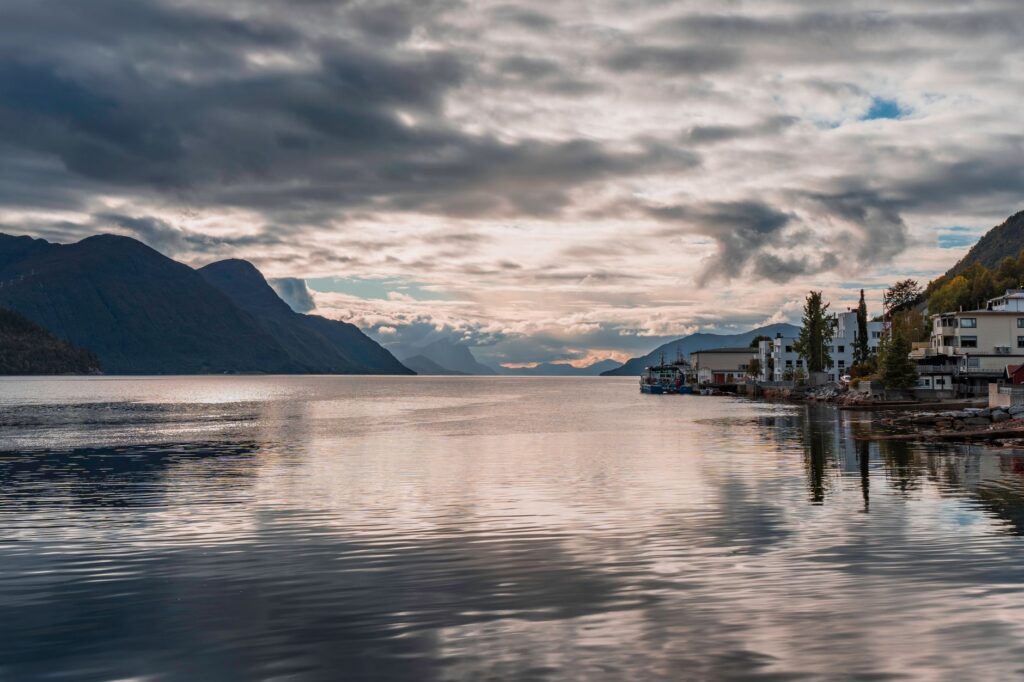
In the heart of northern latitudes, where winter light carves the contours of the landscape with a palette of pearlescent grays and steel blue, the human relationship with water has undergone a radical mutation. It is no longer merely about the survival or transportation that defined Scandinavia’s maritime history, but about a conscious quest for pause. Contemporary thermalism in Oslo has abandoned enclosed, hermetic facilities to merge with the urban and natural environment, creating a wellness ecosystem where thermal shock acts as a catalyst for mental and physical health.
The global wellness economy, which far exceeds six trillion dollars, finds a singular interpretation in the Nordic countries, far removed from the superficial luxury of traditional spas. Here, luxury is defined by space, shared silence, and democratic access to the outdoors. The Norwegian capital, currently undergoing urban transformation along its waterfront, has reclaimed its industrial docks to return them to the citizenry through floating structures of noble timber. These buildings, designed with strict criteria of sustainability and bioclimatic architecture, house wood-fired saunas that defy the low temperatures of the North Sea.
The Ritual of Wood and Steam: From Rural Tradition to Urban Design
To understand the magnitude of this phenomenon, it is necessary to trace the roots of heat culture in northern Europe. The sauna is not an exclusively Norwegian invention, but a shared heritage across the Baltic and Scandinavian region that has evolved from rural log cabins into a statement of architectural principles. In Oslo, avant-garde architecture firms have reinterpreted this traditional typology using local materials, primarily treated pine and floor-to-ceiling glass panels that allow an uninterrupted visual connection with the marine horizon.
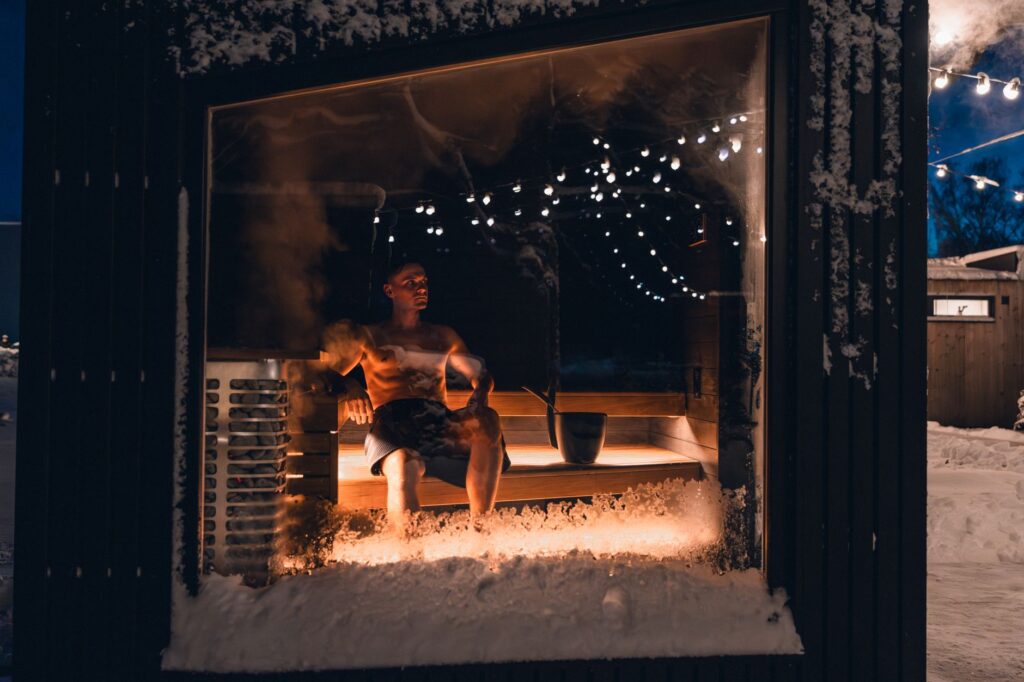
The physical process to which the body is subjected in these spaces responds to an ancient logic rigorously studied by modern science. The alternation between the dry heat of the wood stove, which typically ranges between eighty and one hundred degrees Celsius, and immediate immersion in the fjord’s waters, whose temperature can drop near freezing during the harshest months, triggers an immediate vascular response. Blood vessels contract and dilate in a cycle that releases endorphins, reduces cortisol levels, and substantially improves sleep quality, offering a sanctuary against the chronic stress of urban life.
Sustainability and Community on the Floating Platforms
One of the most notable aspects of Oslo’s floating baths is their deeply democratic and communal nature. Far from the exclusive circuits of high-end hotels, these facilities operate under a mixed management model where community time slots allow locals and visitors to share the same space for introspection. Silence is the tacit norm, respected almost sacredly by users, who find in collective stillness a form of active meditation.
Steam rises between the fir wood slats while outside, on the other side of the glass, the silent traffic of electric ferries reminds us that the great city continues to pulse just meters from this floating sanctuary.
From an environmental perspective, these structures are designed to minimize their ecological footprint. Many operate with high-efficiency electric heating systems powered by renewable hydroelectric energy, or through biomass stoves that utilize wood waste from the local industry. Likewise, the floating design ensures that neither the seabed nor the benthic ecosystems of the fjord are altered, allowing human intervention to remain reversible and respectful of native marine fauna.
The Geography of Wellness: A Journey Along the Capital’s Docks
Oslo’s coastline has been reconfigured in recent years to accommodate different thermal enclaves, each with its own architectural and social personality. From the bustling pier located near the Munch Museum to the more sheltered corners near the Bygdøy peninsula, the offerings allow travelers interested in water culture to design a bespoke itinerary. Wooden walkways connect the mainland to these floating wellness islands, creating a sense of deliberate isolation just a short walk from the financial district.
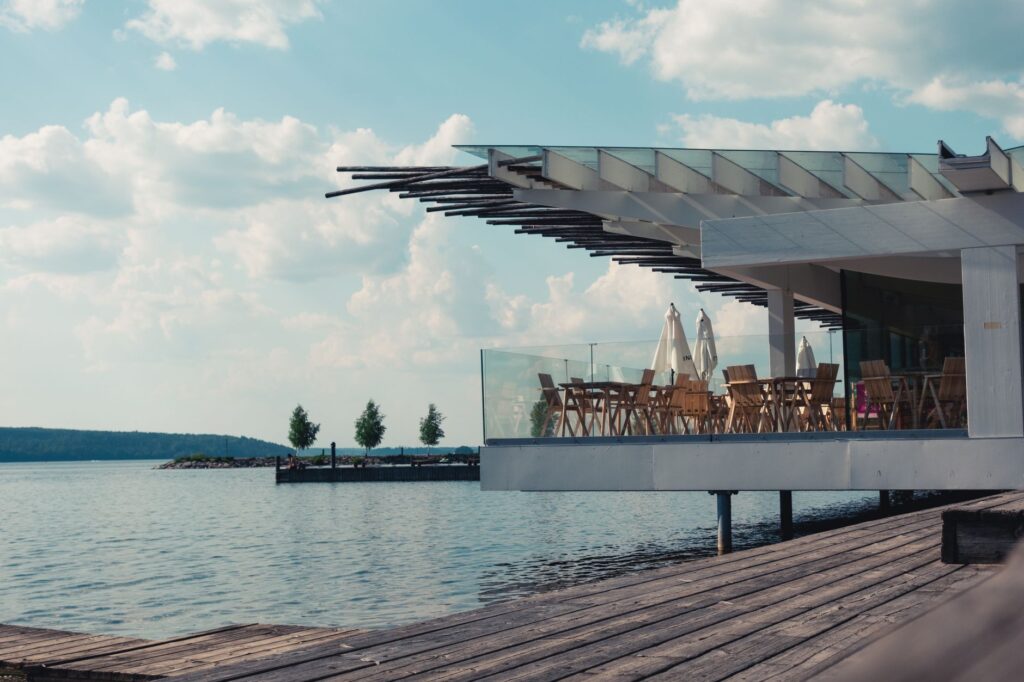
The experience is not limited to the interior of the heat cabin. Between sessions, bathers dare to step out onto the outer decks, wrapped in linen bathrobes, to contemplate the swooping gulls and the silhouette of the mountains surrounding the fjord. This direct contact with the elements—the freezing wind on the skin, the scent of salt and tar, the warm wood beneath the feet—activates all senses, generating an absolute digital disconnection that is nearly impossible to achieve in conventional wellness environments.
The Scientific Rigor Behind Nordic Hydrotherapy
The benefits of thermal contrast therapy are backed today by solid evidence in international medical literature. Cardiologists and sports physiologists have documented how controlled exposure to extreme heat followed by rapid cooling stimulates the production of heat shock proteins (HSPs), molecules that protect cells from oxidative damage and improve immune resilience. In Oslo, this ancient practice is integrated into the weekly routine of a population that prioritizes preventive health above all else.
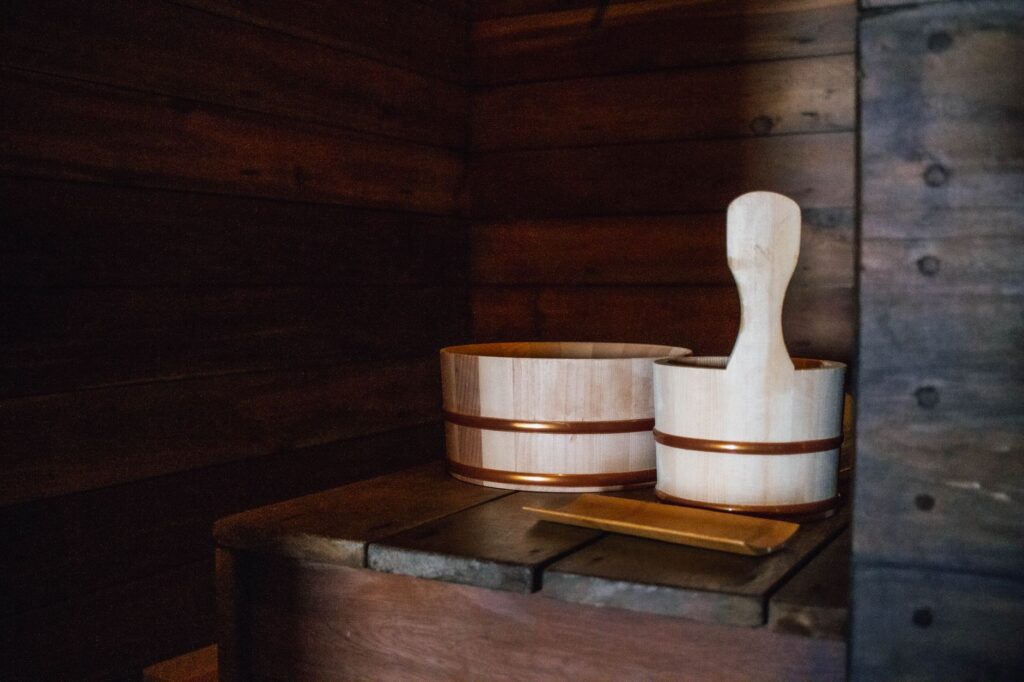
Local instructors and sauna masters—known in the Nordic sphere as saunamästers—guide participants in conscious breathing techniques and heat distribution, an art known as löyly. This untranslatable term refers to the steam generated when water is thrown over incandescent volcanic stones, a moment when the indoor air thickens and time seems to stand still entirely.
Practical Information for the Mindful Traveler
Planning an immersion in Oslo’s floating baths requires keeping in mind certain rules and logistical particulars to ensure an optimal experience respectful of local culture. Advance booking through the digital platforms of the various sauna cooperatives is mandatory, as capacity is strictly limited to preserve the tranquility and personal space of each attendee.

- Essential Equipment: Bringing two towels (one for sitting in the sauna and another for drying off after the sea dip), non-slip bath footwear, and—optionally but highly recommended—a woolen hat to protect the head from the outside cold during deck breaks is required.
- Access and Transportation: The vast majority of floating facilities are located in the Bjørvika and Sørenga areas, easily accessible on foot, by tram, or via the extensive public bicycle network from Oslo Central Station.
- Conduct Rules: Alcohol consumption is strictly prohibited inside the saunas and shared bathing areas. Maintaining a low voice tone and strictly respecting the entry and exit times assigned on each ticket is required.
- Ideal Season: Although saunas operate twelve months a year, the months between October and April offer the most intense and authentic thermal contrast, ideal for those seeking the maximum benefits of hydrotherapy.
The Art of the Pause in an Accelerated World
Ultimately, the success of this wellness tourism proposal in the Norwegian capital lies in its ability to offer an antidote to haste. At a time when travel is often measured by the number of attractions ticked off a digital list, immersing oneself in the waters of the Oslo Fjord invites us to rethink the very purpose of travel. The true wealth of the experience does not lie in the accumulation of sights, but in the quality of attention paid to one’s own body and surroundings.
Steam and cold water act as a firewall against mental noise, returning the traveler to a primordial condition of stillness and clarity.
Upon leaving the wooden platform and walking back toward the city, enveloped in the sea breeze and with the skin still vibrating from the thermal contrast, one understands that thermalism in Oslo is not a mere leisure service, but a masterclass in how to inhabit space and time with elegance, simplicity, and profound respect for nature.