

Introduction to the Rough Tide and the Invisible Craft
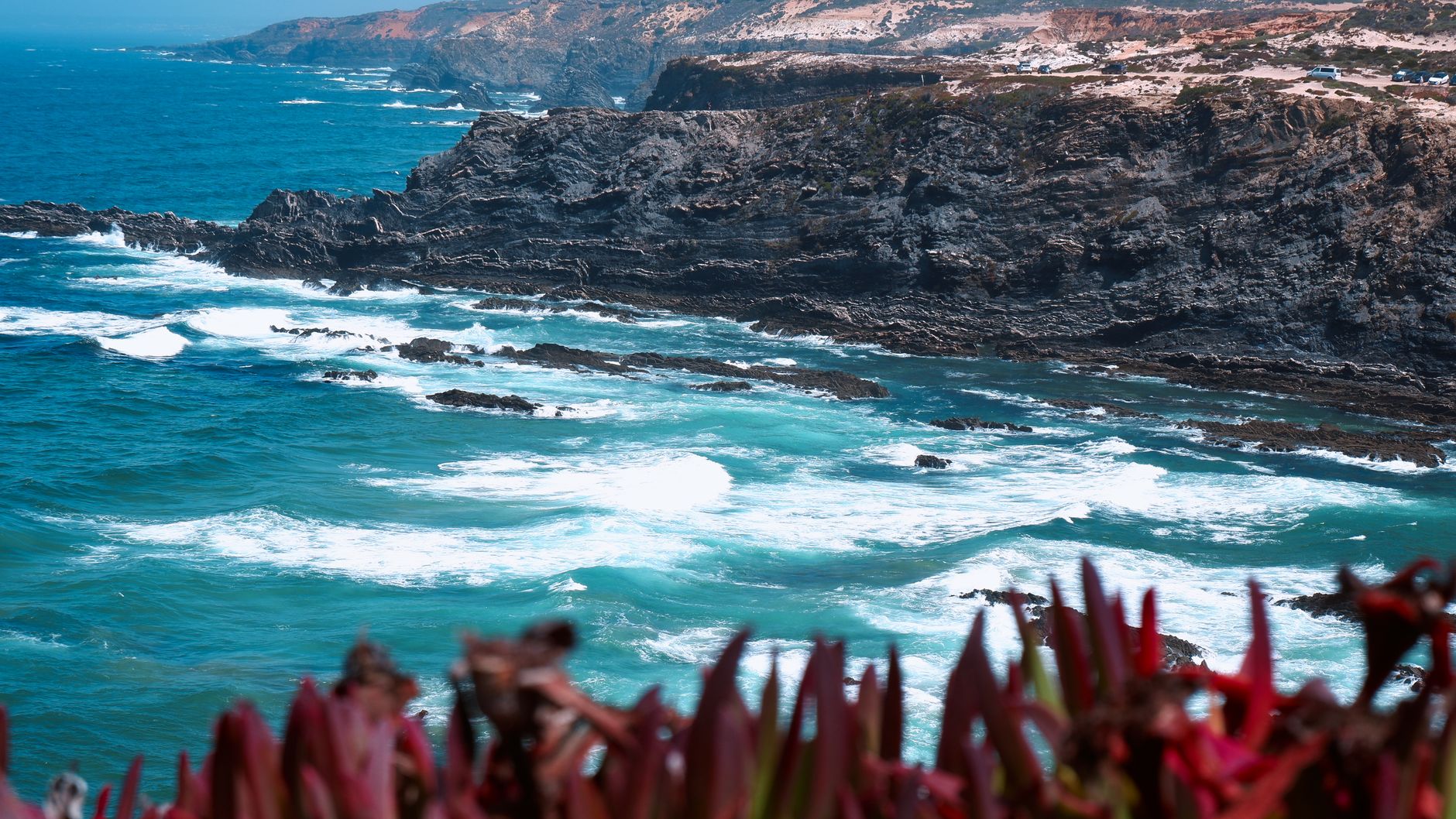
The Atlantic does not converse with the southwestern coast of Portugal; it batters it with a geological persistence that has sculpted black schist and limestone cliffs beaten by perpetual mist. In this geographical outpost known as the Vicentine Coast, where the Natural Park protects a nearly pristine coastal strip from real estate speculation, marine gastronomy is not born in quiet harbor fish markets, but in the vertical abyss where the earth plunges directly into the oceanic depths. Here, the most coveted culinary product of the Iberian Peninsula is neither cultivated nor caught with nets: it is ripped by hand from the living rock at the exact microsecond when the white foam grants a fleeting respite.
This report delves into the backstage of an ancient culinary culture where the pure taste of iodine, concentrated inside a crustacean as primitive as the goose barnacle (Pollicipes pollicipes), is the direct result of a pact of extreme risk between man and tide. Through the seafaring villages of Aljezur and Odeceixe, we will examine how high-end dining in Lisbon and the Algarve depends on the skill of a lineage of men and women who understand the sea not as an inexhaustible resource, but as an indomitable territory that demands absolute respect, ancestral technique, and a millimeter reading of western currents and winds.
The Geography of Salt Spray and Impregnable Bluffs
To understand why the goose barnacle of the Vicentine Coast holds a differentiated organoleptic category compared to other Atlantic origins, one must analyze the physical geography of its habitat. The waters of this natural reserve are notably colder and more oxygenated than those of the Mediterranean or the warm southern tourist Algarve. The convergence of deep currents rich in phytoplankton feeds the breaking zones where waves crash with maximum violence against rocky outcrops whipped by the wind.
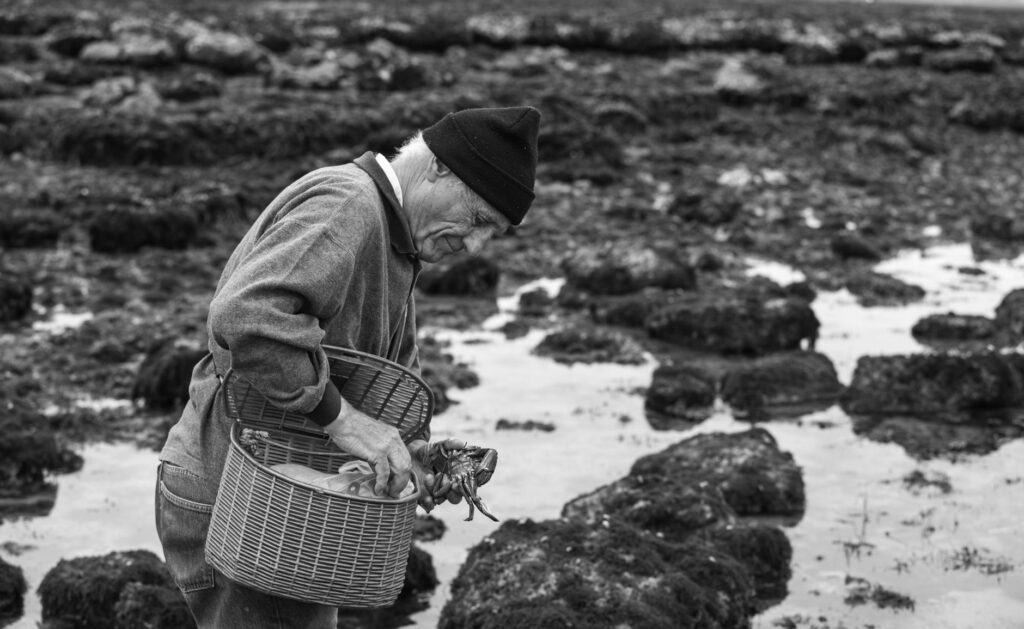
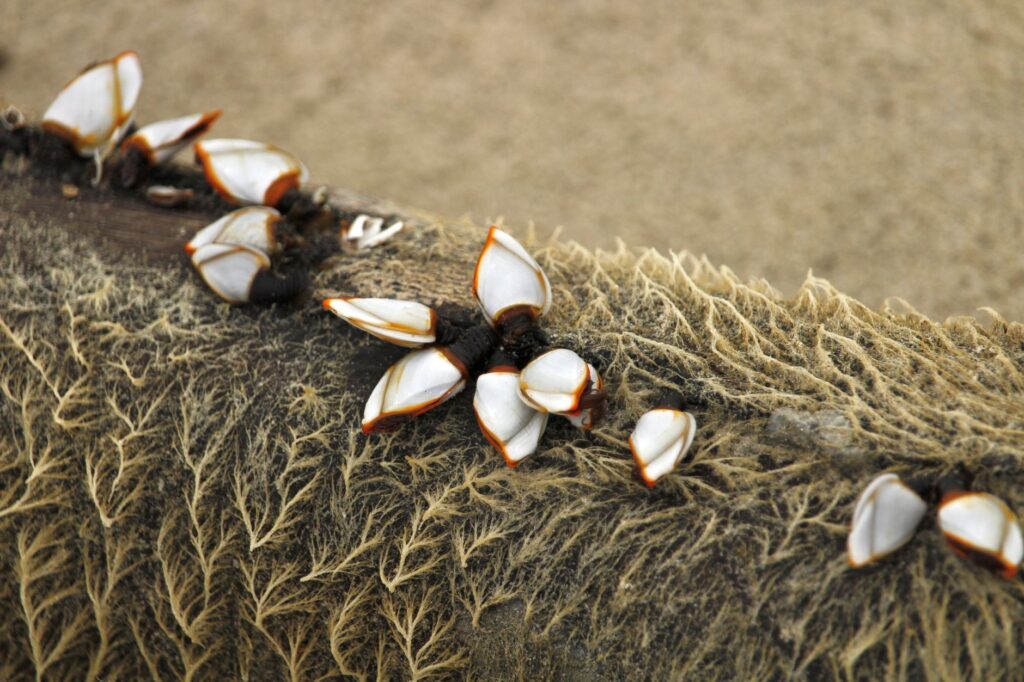
It is in this environment of brutal energy that the cirriped crustacean thrives. Its morphology—a fleshy peduncle protected by a calcareous claw—is specifically designed to withstand the drag force of water. The wilder the surf and the greater the impact of the waves, the denser the colonies and the cleaner and more mineral the taste of the animal, which feeds exclusively through filtration during high tides. The restaurants receiving this product every dawn are not simply buying a mollusk; they acquire a liquid concentrate of the wildest marine ecosystem in continental Europe.
The Art of the Percebeiros: The Physics of Risk
In the early morning hours, long before tourists crowd the ocean viewpoints, local harvesting professionals gather in coves inaccessible by land. Access to extraction points requires vertical descents using ropes secured to steel hooks hammered into the rock face or, in the most extreme cases, inflatable rigid boats that must brave gigantic waves to approach rocky walls during extreme low tides.

The craft of the percebeiro allows no margin for error. A miscalculation regarding the third wave in a series, popularly known in the area as the treacherous wave, can mean a direct impact against jagged outcrops or being dragged out to sea. The work tool is reduced to a short-handled iron scraper designed to detach the specimen from its base without tearing the claw, thus preserving the product’s integrity and allowing colonies to regenerate naturally. This constant tension between personal survival and the selection of optimal sizing defines the work ethic of a community witnessing how younger generations face a shortage of replacements due to the extreme harshness of the labor.
The goose barnacle is not a luxury paid for by the caprice of the wealthy diner, but the tax paid in adrenaline and salt spray that the ocean levies on those daring to snatch its most precious delicacy right at the edge of the abyss.
The strict regulations imposed by the Southwest Alentejo and Vicentine Coast Natural Park limit daily extraction quotas per license, establish strict seasonal closures according to reproductive cycles, and prohibit poaching through joint patrols of the maritime police and local associations. Thanks to this sustainable management model, wild populations have avoided the collapse suffered by other European coasts in recent decades.
From the Surf to the Table: The Liturgy of Brief Boiling
Once the product is selected and classified according to the thickness of the peduncle and the cleanliness of its outer skin, the journey of the goose barnacle continues into the kitchens of local seafood taverns and gastronomic restaurants in the region. Unlike other complex crustaceans that require sophisticated preparations or elaborate sauces, the high cuisine of the Vicentine Coast applies an unyielding rule based on absolute respect for the raw product: clean seawater—or failing that, water with a rigorous proportion of coarse sea salt mimicking oceanic salinity—a few optional black peppercorns, and a local bay leaf.

The culinary secret lies exclusively in the cooking time. The water must come to a rolling boil before submerging the catch. The exact moment the boil recovers after the temperature drop caused by the cold crustaceans, a margin of sixty to ninety seconds is counted before removing the pot from the heat and immediately draining it. Any excess heat excessively coagulates the proteins of the peduncle, ruining its firm yet silky texture and turning a heavenly marine bite into a fibrous, tasteless tissue.
The Invisible Economy of White Villages Hanging Over the Sea
Localities like Odeceixe, Zambujeira do Mar, or Rogil economically depend on this seasonal economy and inshore artisanal fishing. The family-run establishments in these villages, where the white whitewash of the facades contrasts sharply with the intense blue of the window frames and the ocean backdrop, have maintained for decades a seafaring recipe book based on historical scarcity converted today into a gourmet attraction.
In these establishments, the arrival of wooden crates containing fresh goose barnacles sets the rhythm of midday. Local customers and gourmet travelers walking along the Rota Vicentina share solid wood tables to savor the product accompanied exclusively by village bread baked with native flours in wood-fired ovens and a dry white wine from the Lisbon wine region or the coastal Alentejo, whose mineral notes and cutting acidity balance the fat and high iodine concentration of the seafood.
Sustainability, Climate Change, and the Future of the Marine Ecosystem
In recent years, the scientific community and artisanal fishermen have sounded the alarm over the gradual increase in the surface temperature of the North Atlantic waters. This phenomenon directly alters the biological cycles of intertidal species, reducing the growth rate of cirripeds and favoring the proliferation of invasive algae that displace the natural substrate where larvae attach.
High-end restaurants featuring this product in Lisbon and Porto have begun assuming an active role in disseminating these environmental issues, educating the final consumer on the need to accept fluctuations in product availability and prices consistent with the actual scarcity of the resource. Traceability is no longer limited to certifying the capture zone, but to ensuring the fisherman has operated under strict criteria of sustainable fishing authorized by local co-management committees.
Practical Information for the Gastronomic Traveler on the Vicentine Coast
For travelers interested in diving into this culinary culture firsthand, planning requires keeping in mind the unpredictable weather of the Atlantic Portuguese facade. The best time to taste the goose barnacle in its full size and flavor ranges from late autumn to early spring, coinciding with the months of heaviest storms and spring tides.
- Recommended Accommodation: Small rural hotels integrated into the Natural Park network in Odeceixe and Aljezur, promoting vernacular architecture and zero-mile consumption.
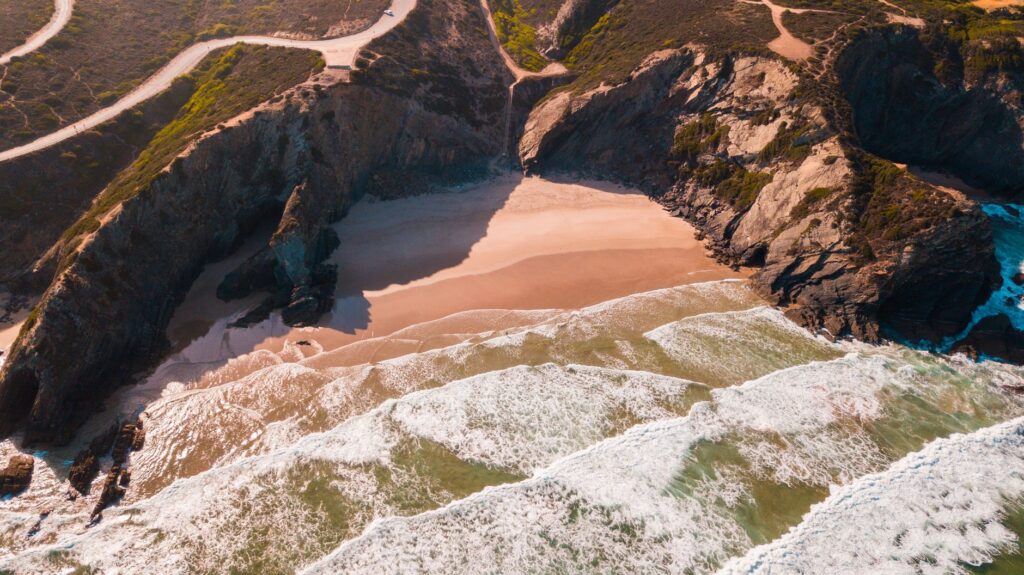
- Hiking Trails: The Fishermen’s Trail (Trilho dos Pescadores), part of the Rota Vicentina, allows hikers to traverse the exact cliffs where harvesters work, always maintaining a prudent safety distance from the abysses.
- Local Food Markets: Aljezur’s municipal market is the key morning meeting point where restaurateurs acquire fresh inshore fish and vegetables from the Seixe river valley.
- Environmental Respect Rules: Harvesting seafood without a professional license is strictly prohibited throughout the protected coastal strip, an infraction penalized with severe fines by Portuguese environmental authorities.
Visual Closure and Memory of the Atlantic Flavor
At dusk, when the sun plunges directly into the marine horizon, dyeing the cliffs of the Vicentine Coast with fire, the taverns of the seafaring villages turn on their dim lights and the scent of salt, flat-top grills, and charcoal smoke blends with the salty wind. Diners sitting before a steaming plate of freshly boiled goose barnacles realize they are not simply consuming a marine food item, but the edible testimony of a geographical frontier where the ocean’s ferocity imposes its relentless law. In every piece detached from the rock beats the memory of an indomitable territory, a gastronomic reminder that the purest and most memorable flavors of our continent still belong to the realm of the wild.

