
Introduction to the Heart of Stone and Silence
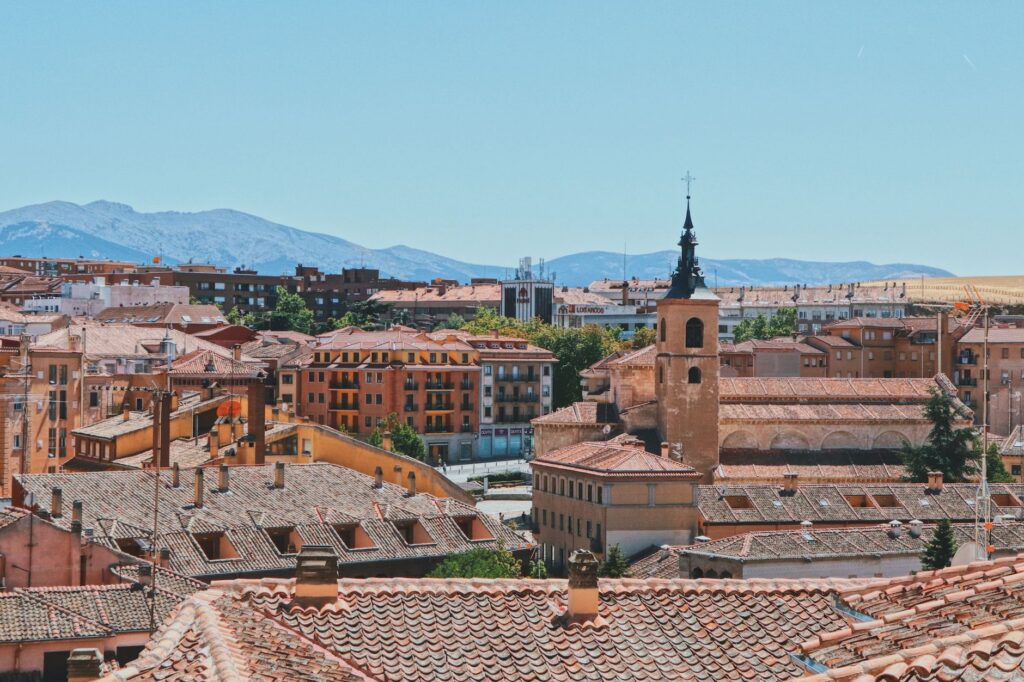
Teruel rises upon a plateau of conglomerate and clay, defying the northern winds with the sober elegance of its Mudejar architecture. Yet beyond its towering brick bell towers and the distant echo of star-crossed lovers, the true daily life of this inland capital beats most powerfully within its municipal food market. This secular temple of produce is not merely a space for commercial transaction; it constitutes a living archive where the gastronomic memories of a province shaped by harsh climates and generous people are carefully preserved. Walking through its aisles in the early morning hours means stepping into a realm where time seems to slow down, governed by the cycles of the earth and the wisdom accumulated over generations of farmers, herders, and shopkeepers.
The market building, featuring a functional design adapted to the urban topography, welcomes a daily symphony of aromas and colors that contrasts with the grey and reddish stone of the monuments outside. Here, proximity produce does not respond to a recent gastronomic trend, but rather to a strict necessity of survival and respect for the environment. These stalls bridge the stories of those who descend from neighboring mountain ranges with those of vendors who have been opening their shutters at the exact same hour for decades. It is the genuine zero kilometer, the meeting point where the consumer dialogues directly with the origin of what reaches their table, consolidating an irreplaceable social fabric that resists the homogenization of large retail chains.
The Architecture of the Market: Between Iron and Tradition
Inaugurated in the mid-twentieth century to organize the bustle of the old street markets that once populated the historic squares, Teruel’s central market brought a radical transformation to urban food supply. Its interior design prioritizes visual clarity and functionality, allowing natural light to flood the counters where the region’s riches are displayed. The architects of the era successfully integrated the industrial aesthetics of iron and large windows with the ruggedness demanded by Teruel’s climate, characterized by harsh winters and blinding summer light.
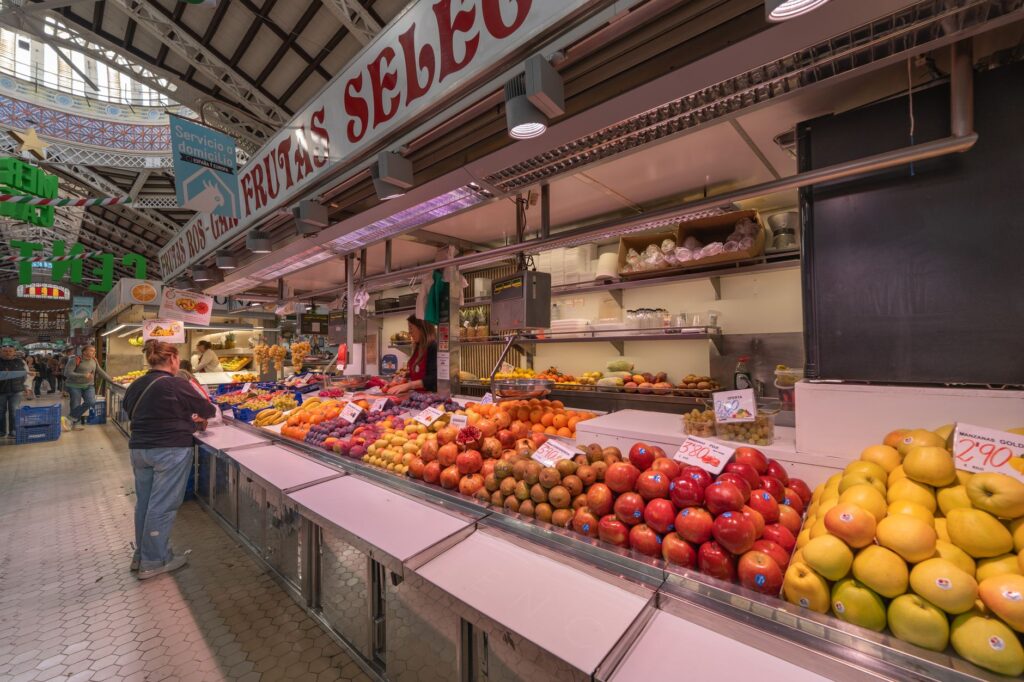
Strolling through this space provides insight into the evolution of food retail in Aragon. Vintage cast-iron scales now stand beside modern digital systems, but the merchant’s gesture when cutting a wedge of cheese or butchering a cut of lamb retains the same artisanal precision. The walls, meticulously cared for by the stallholders themselves, hold the echoes of crossed conversations about late frosts, scarce rainfall, or the condition of the pastures in the nearby Sierra de Albarracín. Each stall functions as a small regional embassy, a showcase defending authenticity against global standardization.
The Red Gold of Jiloca: History and Cultivation of Teruel Saffron
If there is one ingredient that embodies Teruel’s agricultural soul, it is undoubtedly saffron, traditionally cultivated in the fertile river plains of the Jiloca basin. This treasure of fine threads and penetrating aroma almost vanished due to foreign market competition and the grueling labor required for harvesting. In recent years, however, a new generation of growers has revived native corms to restore the international prestige that Teruel saffron once held. In the market stalls, this product is sold in small glass jars protecting its delicate contents from light and humidity, becoming an object of desire for chefs and gourmets alike.
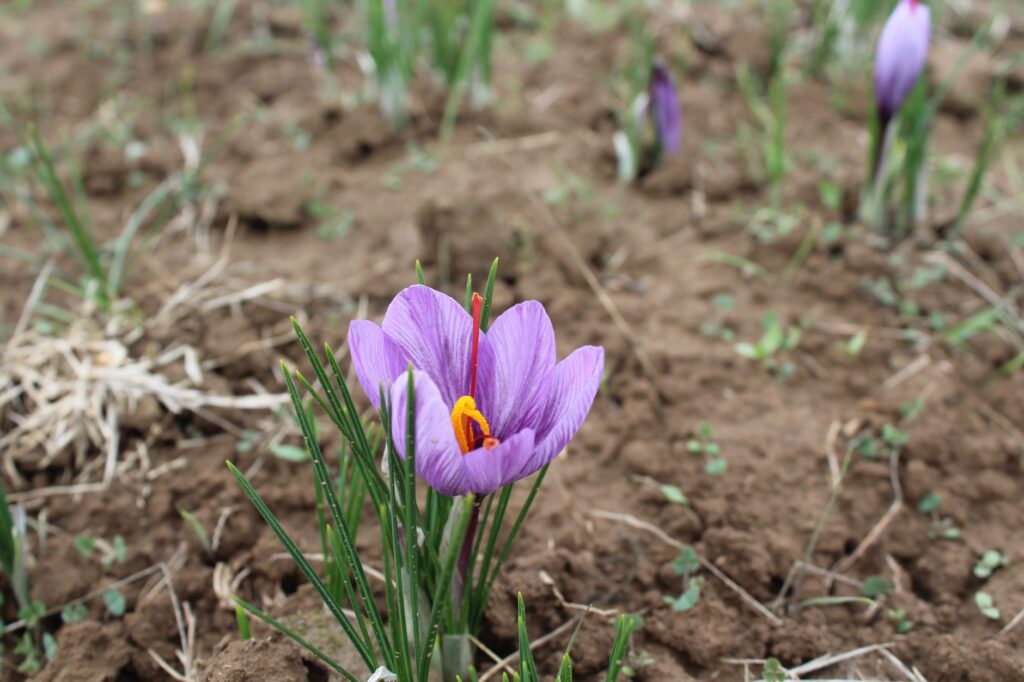
The liturgy of saffron begins long before autumn, at the moment of planting the bulbs beneath the limestone soil. Yet it is during the chilly dawn hours of October that the true miracle occurs: the fields are covered in a fleeting violet blanket that must be harvested by hand, flower by flower, before the midday sun fully opens the petals. The subsequent peeling phase—the manual separation of the three red stigmas from each flower—requires infinite patience and dexterity passed down from mothers to daughters. This nearly ritualistic, artisanal process justifies its consideration as the red gold of Aragonese gastronomy, an irreplaceable seasoning in stews, rice dishes, and traditional soups.
Saffron is not merely a spice in Teruel; it is the testimony of a millennial pact between the farmer and the earth, a thread connecting winter’s patience with autumn’s explosion of color.
The Butcher’s Stall and Dry-Land Farming: The Realm of Ham and Lamb
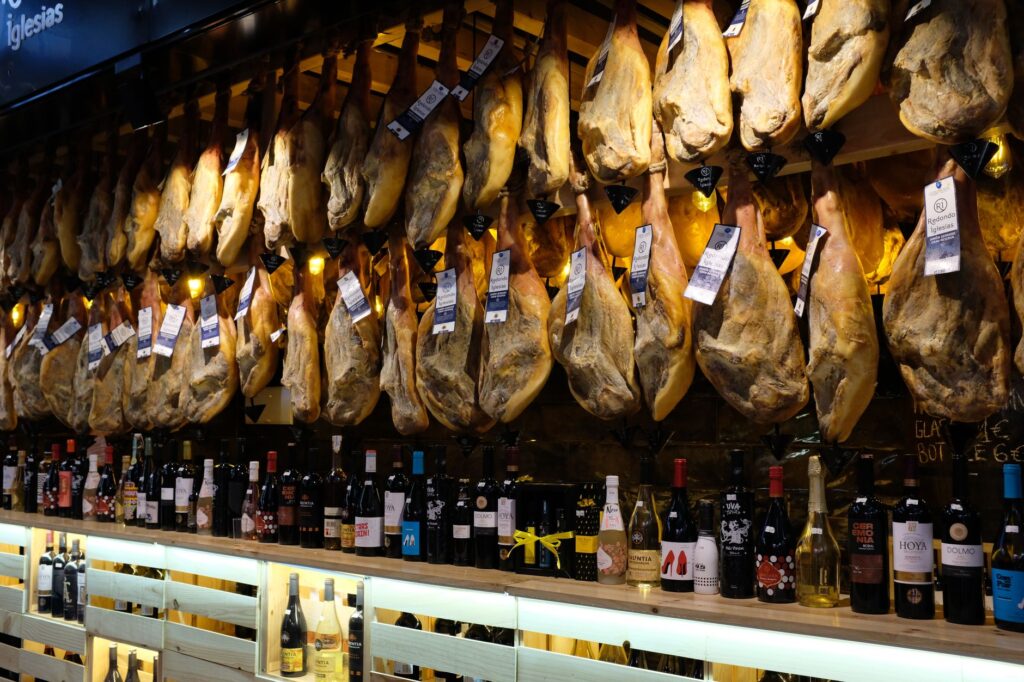
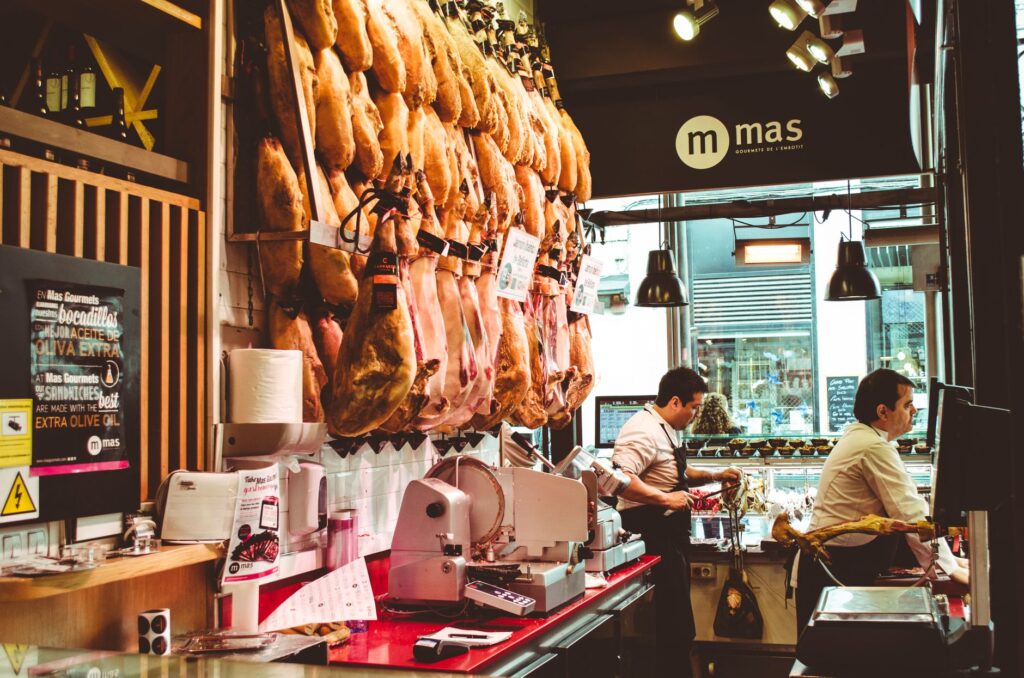
The tour through the central market inevitably leads toward the meat counters, where attention focuses on two indisputable pillars of provincial gastronomy: Teruel Ham—Spain’s very first Designation of Origin cured ham—and Teruel lamb, known locally as ternasco. Professional carvers perform their work with millimeter precision, slicing translucent pieces that release aromatic notes of slow curing, the result of high altitude and the dry, cold mountain air. These stalls explain the distinction between commercial cuts and those aged patiently in natural curing houses in towns like Calamocha or Mora de Rubielos.
Alongside cured ham, pasture-raised lamb holds a place of honor. Local farmers raise ternasco extensively, taking advantage of mountain pastures and cereal stubble. This diet imparts tenderness and a balanced flavor free of excessive fat. At the market, vendors advise on the most suitable cuts for every recipe, from traditional grilled chops to shepherd’s lamb stew, recovering transhumance recipes that once warmed shepherds during lonely days in the Iberian range.
The Riverbank Orchard: Winter Vegetables and Forgotten Legumes
Teruel’s geography is marked by deep river valleys where irrigation channels dating back to the Andalusi era enable exceptional horticulture. At the market, vegetable stalls serve as a showcase of cold-adapted biodiversity. Chard-like borage stalks, featuring prickly stems yet extreme delicacy on the palate, occupy a privileged spot alongside Swiss chard, cardoons, and white kidney beans, essential for combating the thermal rigor of Teruel’s winters. These seasonal products arrive directly from family gardens located along the banks of the Jiloca, Alfambra, and Guadalaviar rivers.
Beyond fresh greens, the market stands out for dry-land legumes that survived thanks to the dedication of small-scale farmers. Cobertera beans and small Teruel chickpeas, recognized for their thin skins and ability to absorb broths without breaking during cooking, are sold loose, recalling the aesthetics of traditional grocery stores where customers choose exact quantities. The market vendors, possessing innate verbal generosity, share recipes and soaking tips ensuring optimal table results, reminding us that inland cooking is, above all, an exercise in time and care.
The Cheese Counter and Pastoral Cheese Tradition
In recent years, the province’s cheese sector has undergone a fascinating renaissance showcased prominently within the central market. Small artisanal cheese dairies, located in semi-abandoned villages or remote valleys, produce raw milk cheeses from goats and sheep that faithfully reflect the wild flora of mountain passes. Thyme, rosemary, savory, and high-altitude grasses impregnate the milk, yielding pressed paste cheeses, floured natural rinds, or long-aged varieties competing with the finest nationwide.
The cheesemakers staffing these stalls passionately explain differences between lactic and enzymatic curds, or the impact of natural cave aging on final flavor. Tasting a wedge of these artisanal cheeses right in the market helps visitors understand how extensive livestock farming acts as a fundamental tool for landscape conservation and wildfire prevention. Each wheel tells a story of rural resistance, of families choosing to remain in the land by transforming their flocks’ milk into ultra-premium products.
Village Bakery and Convent Pastries
No visit to Teruel’s market would be complete without stopping by the bakery and traditional pastry stalls. Village bread, made with strong wheat flours, long fermentations, and wood-fired oven baking, maintains a crisp crust and dense crumb capable of staying fresh for days. Round loaves share space with tortas de alma—filled with pumpkin or salted sardine—and traditional suspiros de amante, small convent pastries made from egg yolk and almonds that summarize the city’s rich historical pastry tradition.
The bakers who descend every dawn from ovens across the Teruel community claim the secret lies in both the mountain water quality and respect for dough resting times. Their counters also offer almojábanas, a direct heritage of Andalusi gastronomy, and Teruel’s famous repollos. These traditional sweets not only sweeten local after-dinner conversations but serve as guardians of pastry memory, fusing Christian, Mudejar, and Sephardic influences into delicate, enduring bites.
Village loaf bread and artisanal market pastries are the final links in a chain of trades where oven heat and artisan patience triumph over the passage of time.
Practical Information for Visitors and Shoppers
Teruel’s Food Market is located in the city center, easily accessible on foot from any of the major Mudejar monuments. It opens Monday through Saturday during morning hours from 8:00 AM to 2:00 PM, with Fridays and Saturdays being the liveliest days when all vegetable and artisanal stalls are fully operational. For travelers interested in acquiring perishable goods like Teruel Ham or saffron, most merchants offer vacuum-packing services suitable for luggage transport.
Visiting during early morning hours is highly recommended to experience the market at its most authentic, coinciding with produce restocking and direct interactions between neighbors and vendors. Carrying cash is advisable for purchases at smaller stalls, though many now accept card payments. Additionally, the surrounding area features small tapas bars where visitors can taste purchased products or enjoy freshly prepared bites, perfectly closing the circle between traditional market shopping and gastronomic enjoyment at the counter.
Visual Closing: The Memory Residing Within Stone
Upon leaving the food market, the bustle of the stalls slowly fades to merge once more with the imposing silence of the Mudejar towers cutting across Teruel’s blue sky. In this corner of the Iberian range, where cold winters sculpt the character of its residents, the market stands as the ultimate bastion of a gastronomic culture rooted in effort, resilience, and respect for origin produce. It is not merely a place to acquire daily groceries, but an essential anthropological space where the community recognizes itself, preserving through flavor an identity that refuses to fade beneath the ashes of time.