
Introduction to the Territory of Fire and Meat
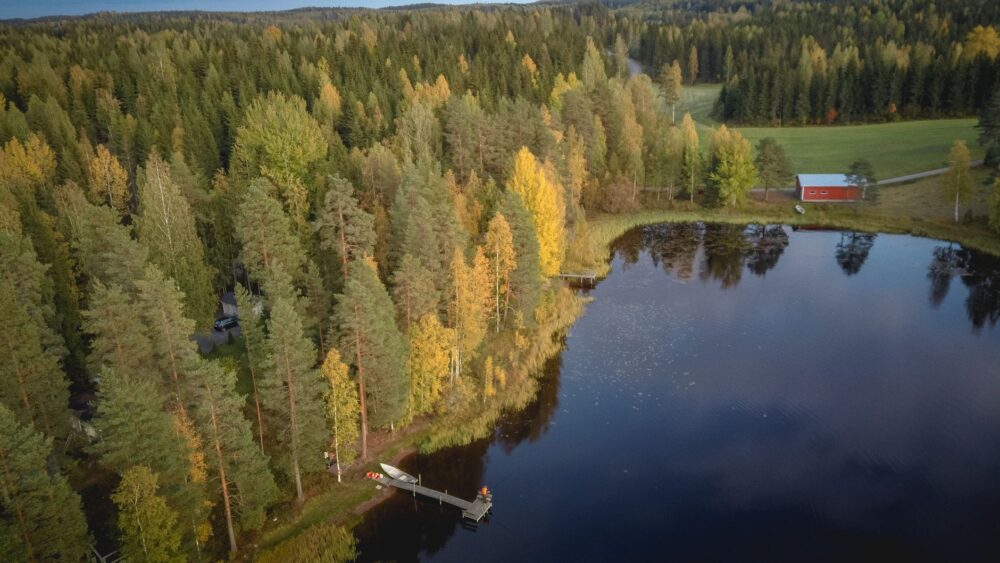
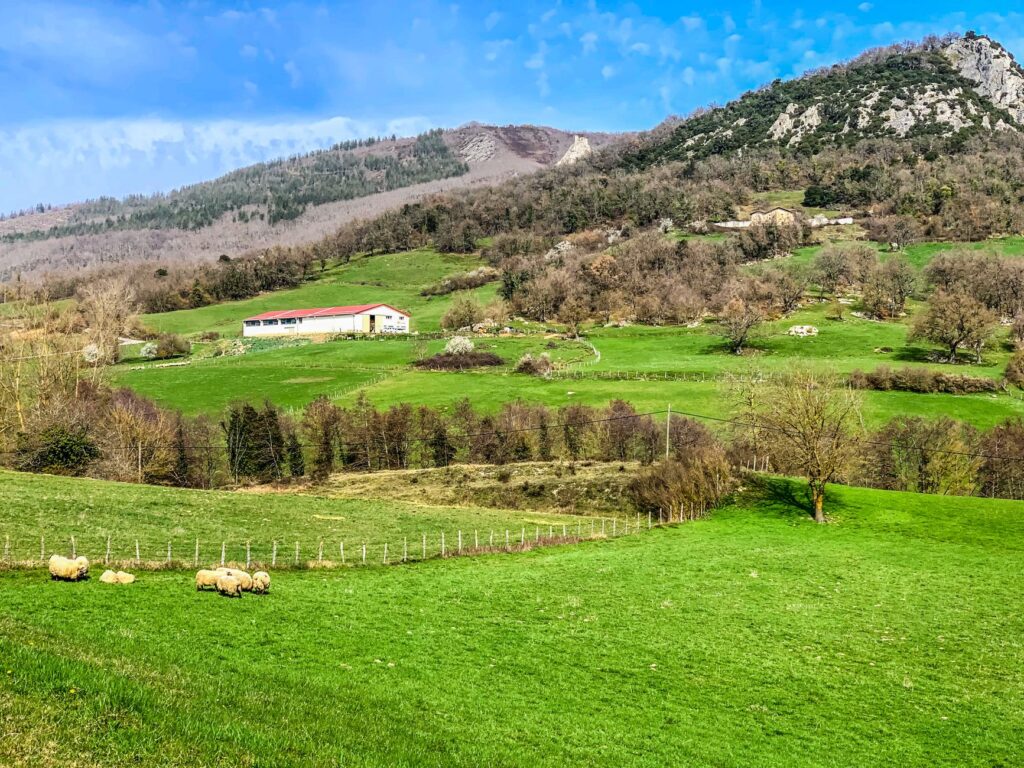
The Oria Valley, carved by waters descending from the Gipuzkoan peaks toward the Cantabrian Sea, conceals far more than a landscape of intense greens and centuries-old farmhouses. In this corner of northern Spain, gastronomy is not understood as an exercise in artifice, but as an extension of the landscape, climate, and a way of life anchored in raw produce. Here, fire is not merely a physical element for cooking, but the backbone of an ancestral culture where time, patience, and reverence for raw materials dictate every kitchen gesture.
Far from the ephemeral trends of conceptual haute cuisine, the traditional grills of the valley have preserved an unaltered liturgy for generations. In these temples of embers, where the aroma of holm oak slowly burns in the damp air, mastery is measured in seconds and millimeters. Meat selection, ember control, and the absence of subterfuge turn the txuletón into an edible ethnographic document. This report delves into the workshops and most respected grills of the region to unravel a ritual that transcends the culinary realm and enters the anthropology of the land.
The Geography of the Farmhouse and the Origin of Produce
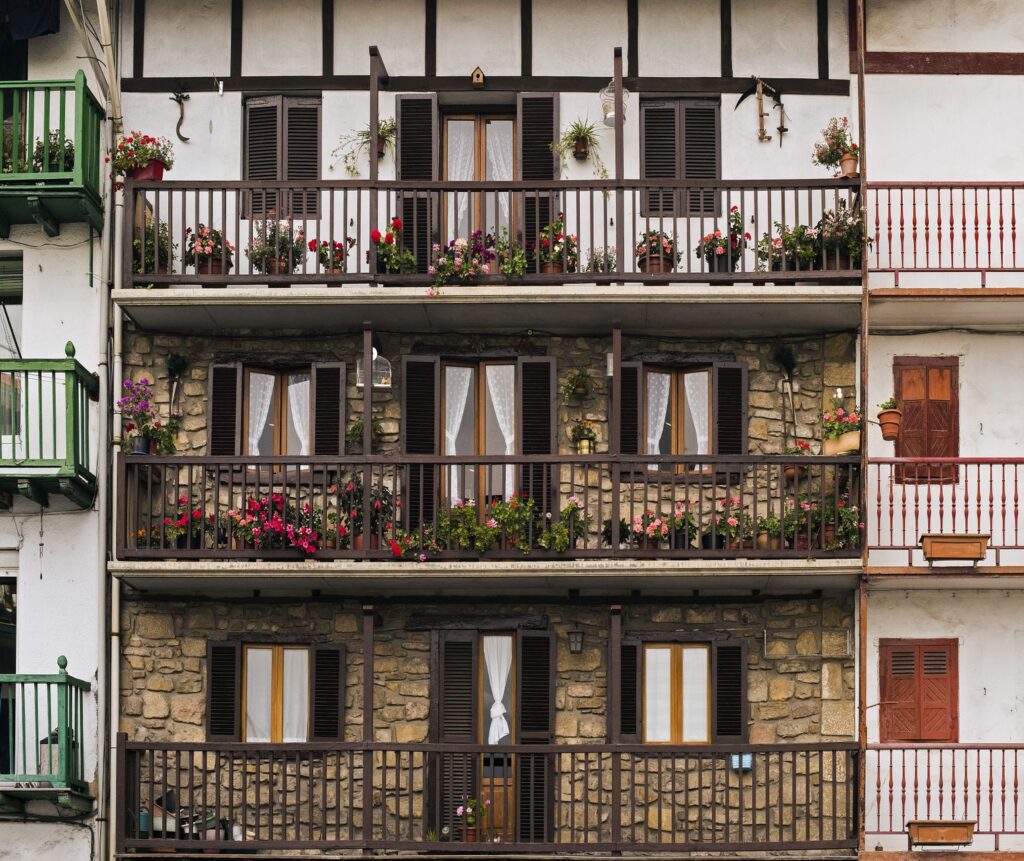
To understand the magnitude of a good grill in Gipuzkoa, it is imperative to trace back to the origin: the farmhouse or baserria. This architectural and social unit has traditionally been self-sufficient, an ecosystem where livestock farming, agriculture, and forestry coexisted in perfect harmony. Although today the local livestock herd is supplemented by carefully selected older cattle imported from various parts of Europe, the philosophy of prolonged maturation finds its roots in a culture of preservation and the utilization of working cows.
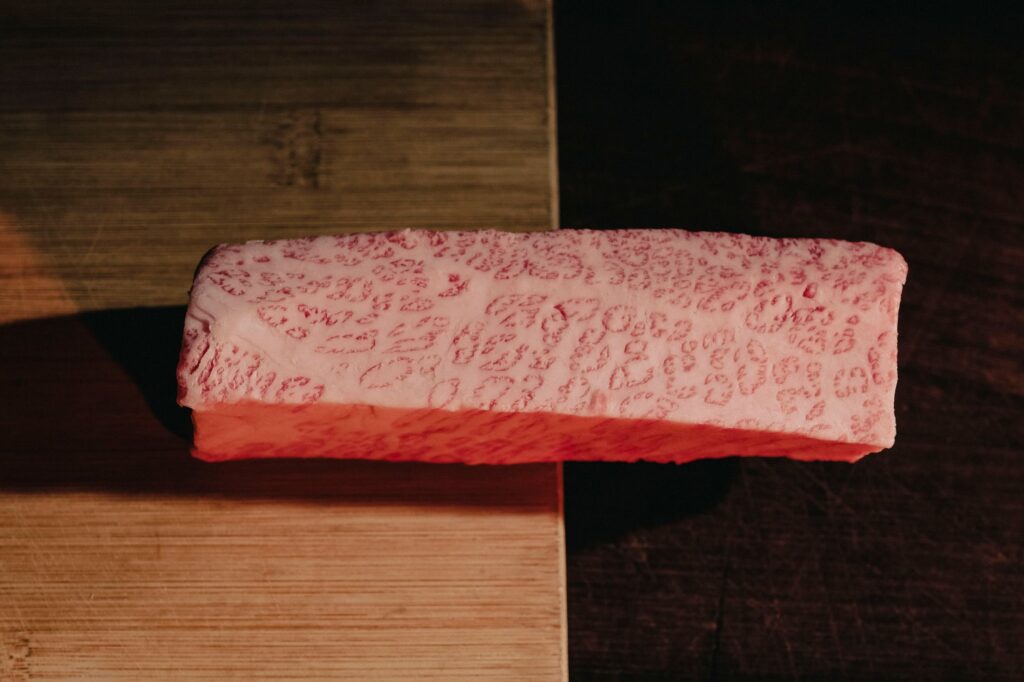
The valley’s master grillers spend hours inspecting carcasses that easily exceed several years of age. Unlike the tender, young meats consumed in other latitudes, here the goal is the organoleptic complexity provided exclusively by dry aging. The marbled fat, possessing a characteristic ivory hue, accumulates the nuances of a diet based on natural pastures and noble grains. This controlled cold storage process subtly dehydrates the muscle, concentrating flavors and endowing the cut with an unctuous, profound texture that defines the region’s carnivorous identity.
The Liturgy of Holm Oak and Ember Control
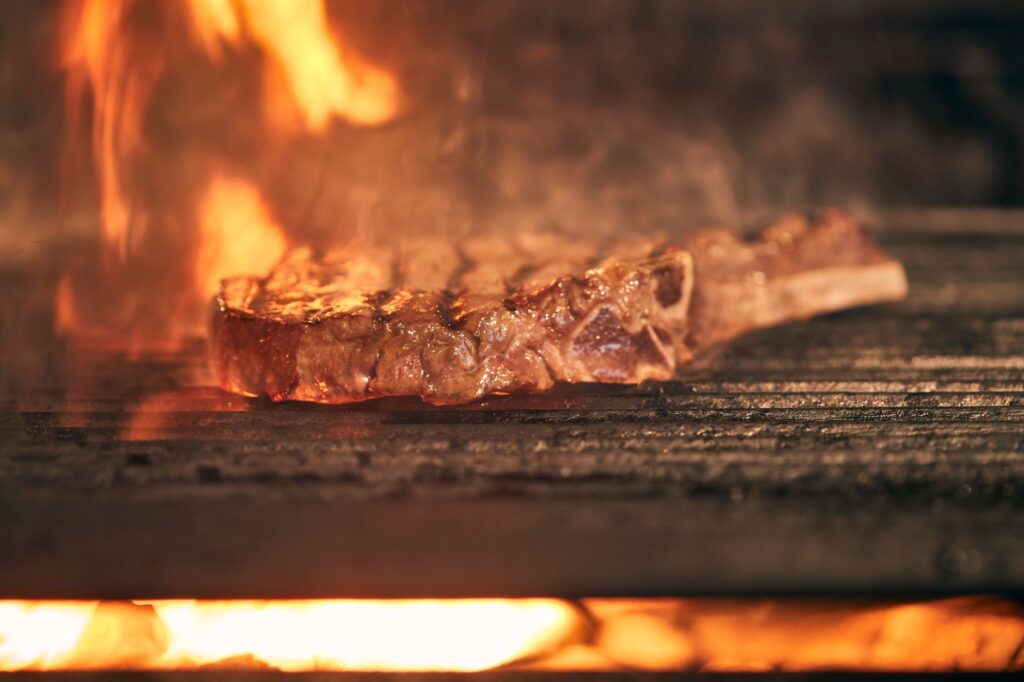
The heart of any reputable grill beats outdoors or in a ventilated corner where wood slowly turns into glowing ash. In the Oria Valley, the use of mineral coal or gas is flatly rejected; holm oak or oak wood reigns supreme over the grill. This fuel provides a constant, clean heat free of harsh resins that might mask the purity of the meat. Combustion generates dense embers that grillers distribute with millimeter precision beneath slanted rod grills.
The slant of these grills is not an aesthetic whim, but a brilliant technical solution designed to protect the produce. By positioning them at an angle, dripping fat that comes into contact with the embers does not produce uncontrolled flare-ups that char the meat’s surface, but instead slides toward lateral channels, avoiding acrid smoke. The griller operates with an intuition sharpened by decades of trade, adjusting the grill height or adding shovelfuls of embers according to thickness, ambient temperature, and the specific fat infiltration of each cut.
The Art of Grilling: Anatomy of a Perfect Txuletón
When the mature beef cut—usually sliced between four and six centimeters thick with the central bone intact—is placed over the hot grill, a fascinating chemical reaction unfolds. The outer surface meets intense heat and caramelizes via the Maillard reaction, creating a toasted, crunchy crust that hermetically seals the juices inside. At this crucial juncture, the use of salt is decisive: coarse sea salt is applied exclusively at the precise moment so it penetrates without excessively dissolving internal juices.
Turning the cut is a single, measured act. The meat is not constantly manipulated; instead, the heat is allowed to penetrate progressively until the core is warmed, leaving the interior raw, pink, and glossy. When slicing thin pieces perpendicular to the grain, the diner discovers a texture that melts on the palate, releasing mineral, lactic, and toasted notes that evidence the perfect symbiosis between animal, fire, and human hands.
The txuletón is not cooked; it is interpreted. Every cut is a unique organism requiring constant dialogue between the embers and the griller’s experience.
The Orchard and Starters: The Vegetable Counterpoint
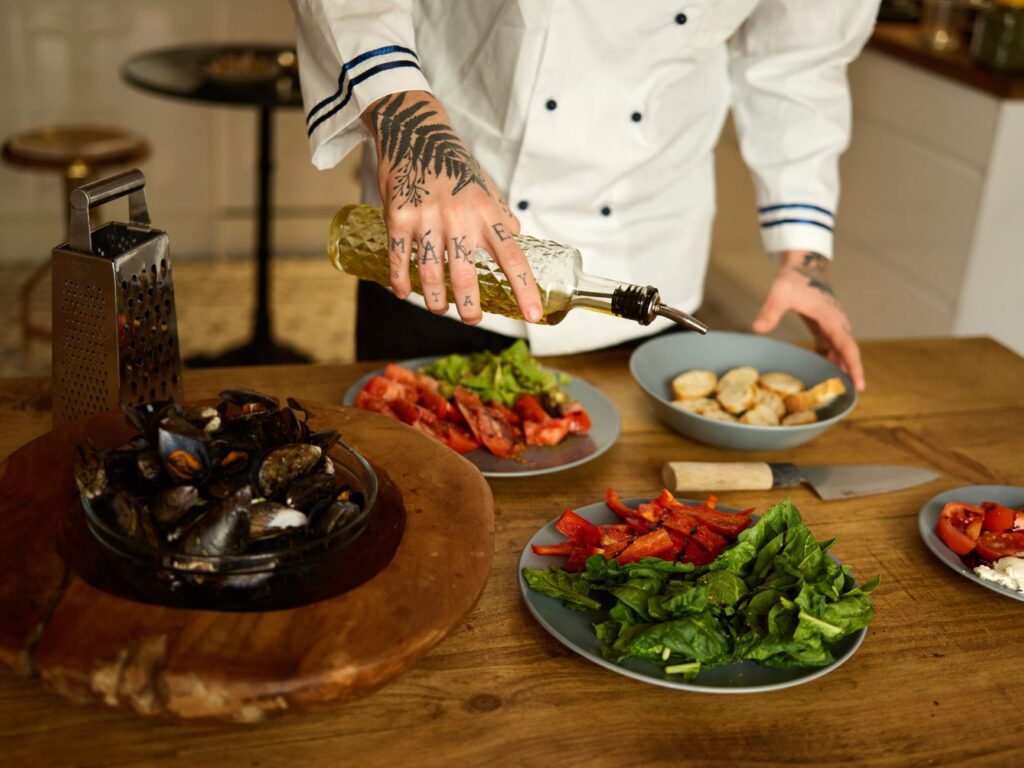
No banquet in the grills of the Oria Valley is exclusively about meat. The traditional menu demands strict equilibrium with produce from the surrounding orchards, especially those hailing from Gipuzkoa’s fertile river plains. Before the carnivorous protagonist takes center stage, it is customary to whet the appetite with seasonal products of deceptive simplicity yet superlative quality.
In spring, tear peas—tiny green orbs that burst in the mouth with a vegetal and oceanic sweetness—are briefly sautéed with a thread of oil and a minimal touch of garlic. In summer, local tomatoes, firm and fleshy, are dressed with extra virgin olive oil and flaky salt, proving that product-driven cuisine needs no baroque artifice. Similarly, Cantabrian salted anchovies or those lightly kissed by the embers act as a saline prologue, preparing the palate for the density and robustness of the red meats to follow.
The Wine Cellar and Regional Vintages
The choice of wines in these establishments responds to the same logic of territorial roots. While great labels from Bordeaux or neighboring denominations hold prominent spots on wine lists, the most honest communion occurs with local vintages. Txakoli, with its subtle effervescence, vibrant acidity, and mineral notes originating from vineyards close to the sea, acts as a perfect palate cleanser between bites of fatty meat.
Likewise, reds from neighboring Rioja Alavesa, structured yet endowed with fresh fruitiness and respectful oak aging, elegantly accompany the maturation of older cows. The sommelier in these grills plays a discreet yet essential role: guiding the diner toward wines that do not mask, but rather enhance, the unctuousness and profound character of the main produce, closing an harmonious circle where land, vineyard, and pasture converse without interference.
The Value of Memory Versus Standardization
In an era dominated by gastronomic standardization and global franchises, the traditional grills of the Oria Valley represent a bastion of cultural resistance. Keeping the doors of these farmhouses open implies assuming high costs, grueling shifts facing the scorching heat of the embers, and absolute dependence on local suppliers who share the same work ethic. There is no room for corporate improvisation; every txuletón served is the result of a chain of trust woven over decades.
This fidelity to origins attracts both local diners and gastronomic pilgrims from around the world, conscious that authenticity cannot be replicated in a laboratory. The generational transmission of knowledge—from parents to children or master griller to apprentice—guarantees that the sizzling of oak and the aroma of well-made meat remain the most genuine heartbeat of Gipuzkoan identity.
Preserving the traditional grill is an act of cultural sovereignty against contemporary haste; a reminder that essential things demand time, smoke, and respect.
Practical Information for the Gastronomic Traveler
Planning a route through the historic grills of the Oria Valley requires keeping in mind certain unwritten rules that guarantee an optimal experience respectful of these establishments’ pace:
Advance Reservation: Given the limited capacity of the farmhouses and the careful selection required for the cuts, booking weeks or even months in advance is essential.
Meat Weight: Txulets are generally ordered as whole cuts weighing between one kilo and one kilo two hundred grams for two people. They are rarely served in individual portions.
Classic Accompaniments: The traditional menu invariably includes piquillo peppers slow-confit in olive oil and a lettuce and spring onion salad.
Access and Transportation: Many of these gastronomic temples are located in secluded rural areas or mountain foothills, making it highly advisable to rent a car or hire local taxi services.
Seasonality: While meat is consumed year-round, vegetable starters vary strictly according to the region’s agricultural season.
Conclusion: The Living Legacy of Fire
The Oria Valley and its traditional grills condense the essence of a gastronomic civilization that has remained faithful to itself. In a fast-paced world tending to devour traditions in pursuit of immediacy, the liturgy of the txuletón and holm oak offers a necessary pause. Every meal in these product sanctuaries is a celebration of collective memory, a tribute to the farmers, herders, and grillers who have turned the act of eating into a high art. Sitting at the table in this corner of Gipuzkoa ultimately proves that fire, when mastered by respect and knowledge, remains the warmest hearth of human culture.