The Geography of the Abyss and the Origin of Bravery
On the westernmost edge of Europe, where granite stones battered by the ocean seem to hold the memory of ancient shipwrecks, lies a territory where the relationship between man and sea takes on epic proportions. The Costa da Morte—the Coast of Death—is not merely a geographical accident; it is a geological and cultural concept shaped by the relentless fury of the North Atlantic. Here, spring tides and winter storms carve out vertical cliffs that drop sheer into dark, almost black waters, where the white foam of the waves rises like a perpetual shroud. In this unforgiving setting, nature imposes its own rules, and only marine species capable of withstanding the violence of the surf manage to thrive.
Among the crevices of these relentlessly beaten rocks emerges one of the most prized treasures of European gastronomy: the goose barnacle (*Pollicipes pollicipes*). Unlike other seafood that can be cultivated or harvested in calm conditions, the goose barnacle of the Costa da Morte demands a radical environment. It requires cold, highly oxygenated water in perpetual motion. The greater the force of the water slamming against the stone, the higher the quality of the crustacean, which finds in the marine agitation the constant flow of nutrients it needs to develop. This absolute dependence on the surf turns the barnacle into the epitome of wild produce, a direct reflection of the ocean’s untamable energy.
The Brotherhood of the Depths: The Harvester’s Craft
Extracting this delicacy is not a standard commercial activity, but a high-risk profession passed down from generation to generation that demands absolute mastery of the marine environment. The percebeiros of villages like Muxía, Fisterra, or Corme share an unwritten code based on a reverent respect for the sea. They know every fissure, every ledge, and every unforeseen shift in the currents. Their workday begins long before dawn, synchronized with the spring tides of syzygy, the only moments when sea level drops enough to expose the richest and most dangerous zones.
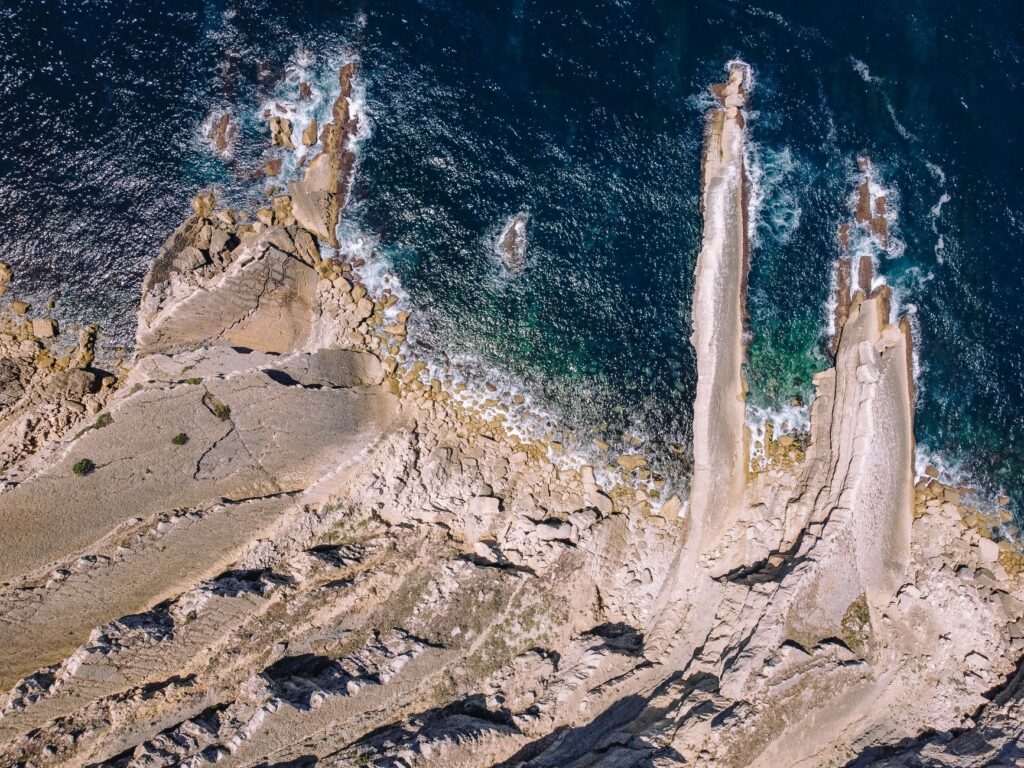
Equipped with neoprene suits, harnesses, and traditional tools such as the spatula or the berthol—a specialized chisel designed to pry the crustacean from the rock without damaging its peduncle—these professionals descend vertical cliffs or leap into the water from inflatable boats dancing to the rhythm of the waves. The greatest danger stems not only from the height or the force with which the sea can slam the harvester against the stone wall, but from the treacherous rogue wave, that unexpected mass of water that breaks violently and changes the surf’s dynamics within seconds. Every single kilogram of harvested barnacle carries an implicit physical and mental tribute that few outsiders ever truly comprehend.
The Fish Market and the Auction: The Economic Pulse of Salt
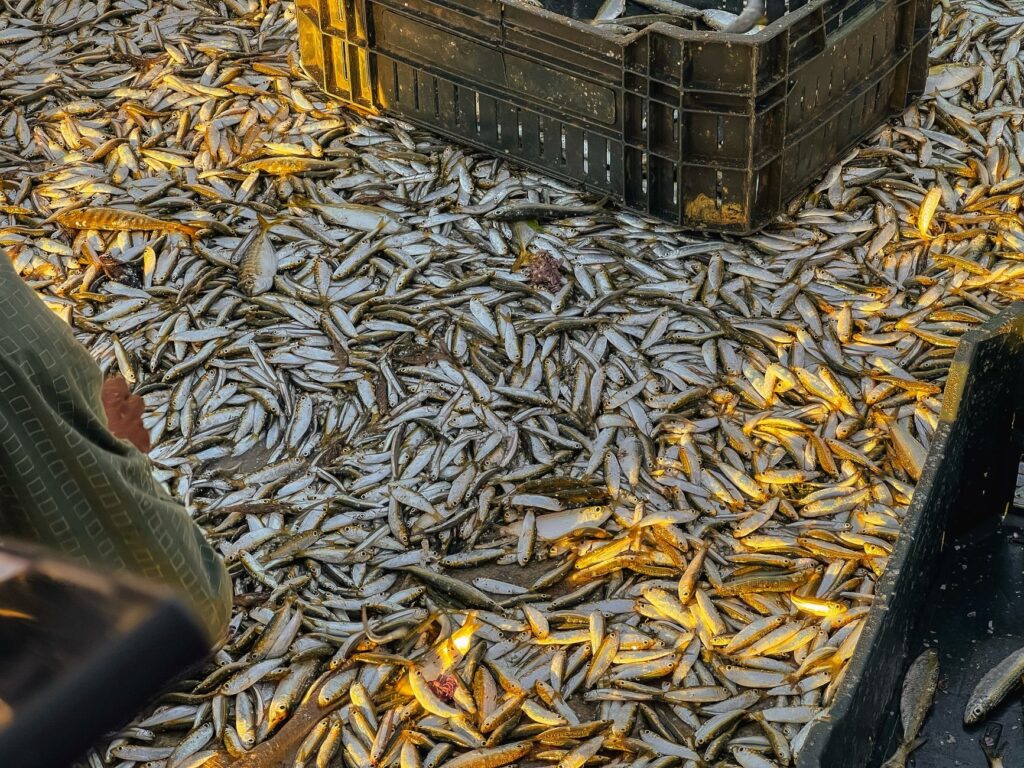
Once the tide recedes, the product heads inland to begin its brief and rigorous commercial journey. Local fish markets, located in small fishing ports where the scent of iodine mixes with the morning coffee of local taverns, host the daily auction. This process is governed by a reverse descending price system, where professional buyers—restaurateurs, wholesalers, and market vendors—bid with millimetric speed. There is no room for unnecessary intermediaries here; freshness is the supreme asset determining the value of each lot.
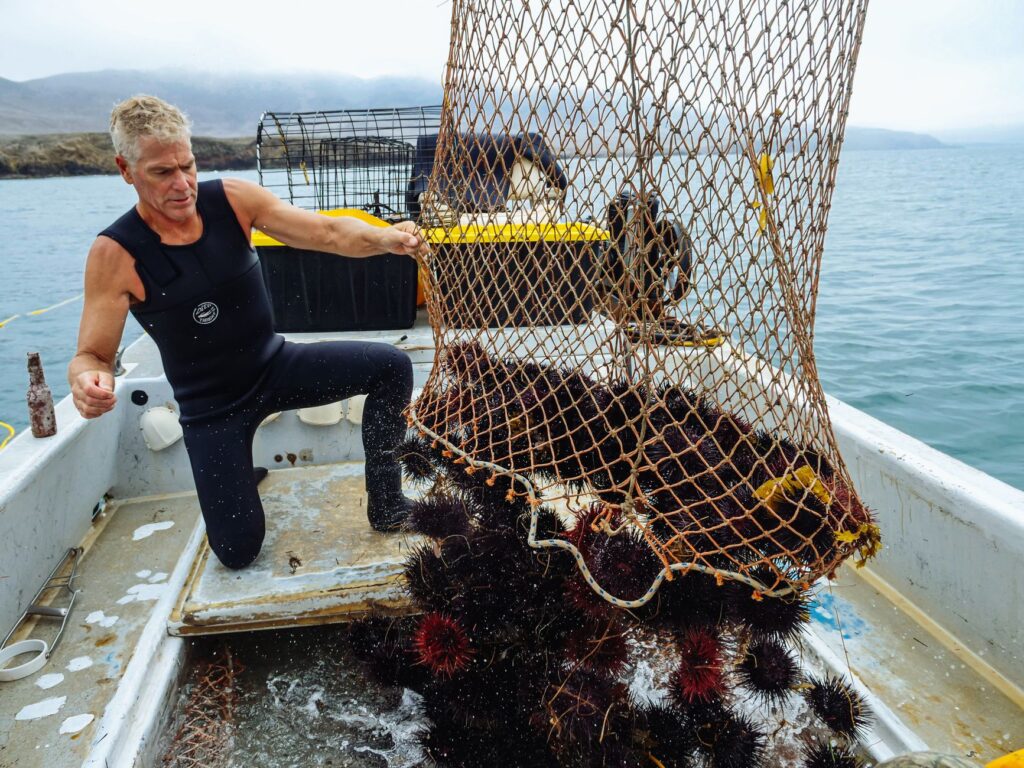
Local fishermen’s guilds exercise iron-fist control over daily harvesting quotas and closed seasons. This sustainable management, based on empirical knowledge of the crustacean’s biological cycles, has prevented the overexploitation of the cliffs. Quotas per harvester are strictly limited, and temporary closures are established when biomass studies indicate the population needs recovery. This precarious balance between economic profitability and resource conservation ensures the survival of a millenary way of life along the Galician coast.
The goose barnacle is not bought by its weight, but by the price of wresting its secret from the rock precisely when the ocean roars its loudest.
The Central Market and the Selection of Master Produce
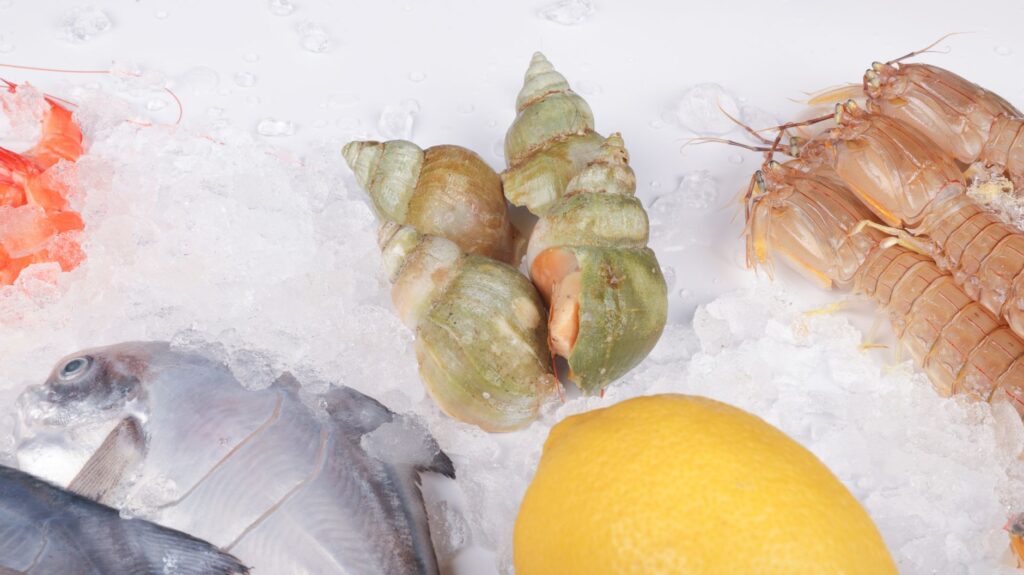
Beyond the coastal fish markets, the central food markets of cities like Santiago de Compostela or A Coruña serve as the ultimate showcases for evaluating the excellence of marine produce. Visiting these markets at dawn reveals the liturgy of selection. Specialized stalls display barnacles grouped by caliber: from small, slender sandy-bottom specimens to the coveted torpedoes—those with thick, short, fleshy nails that grow in zones most exposed to crashing waves.
Experienced market vendors teach buyers how to authenticate the catch through simple sensory checks. The aroma must be deeply marine, clean, and evocative of fresh seaweed; an ammoniacal or overly heavy smell should never be detected. Likewise, the skin of the peduncle—the muscular tube anchoring the animal to the rock—must appear smooth, moist, and uniformly dark without signs of dryness. Precision in sorting is essential, as the final consumer seeks an organoleptic experience where firm texture and concentrated sea flavor act as absolute protagonists.
The Liturgy of Living Fire: The Exact Cooking Time
In traditional Galician cuisine, preparing the goose barnacle is elevated to a culinary dogma. A popular regional saying summarizes the philosophy of its cooking: “Sea water, live fire, and just the right boil.” Although fresh water with a rigorous proportion of coarse sea salt—approximately 60 to 70 grams per liter—is used today, the cooking principle remains unchanged. The goal is to preserve the product’s integrity without masking its natural saline profile.
The process begins by submerging the barnacles in water once it reaches a vigorous rolling boil. The key lies in strict time control: as soon as the water returns to a boil after introducing the crustacean, barely a minute to ninety seconds are counted—depending on the caliber—before removing the pot from the heat. Overcooking destroys the crunchy, gelatinous texture of the peduncle, turning it into leathery tissue. The result must be served immediately, covered with a clean linen cloth that preserves residual heat while carried to the table.
The Ritual at the Table: Anatomy of a Delicacy
Consuming goose barnacles requires a manual technique that forms part of the gastronomic experience. No cutlery is used; diners rely exclusively on their hands to separate the nail—the upper shell protecting the body—from the muscular peduncle. By pulling firmly with a slight wrist twist, the outer covering detaches, revealing pink, firm, pearled flesh that instantly releases a saline vapor.
The ideal wine pairing for this extreme product seeks freshness and acidity to cleanse the palate of concentrated iodine. White wines made from indigenous varieties like Albariño or Treixadura, sourced from nearby denominations of origin, act as the perfect counterpart thanks to their marked minerality and citrus notes. Far from any culinary artifice, heavy sauces, or intrusive spices, the barnacle is consumed in its purest state, paying direct tribute to the superhuman effort of those who brave the marine abysses.
Practical Information for the Traveler and Gastronome
Planning an enogastronomic trip to the Costa da Morte to understand the culture of the goose barnacle requires considering several logistical and seasonal factors. The best time to enjoy this delicacy coincides with the autumn and winter months (October through March), a period when Atlantic storms impart maximum quality to the product, though harvesting danger reaches a critical peak and prices fluctuate considerably depending on sea conditions.
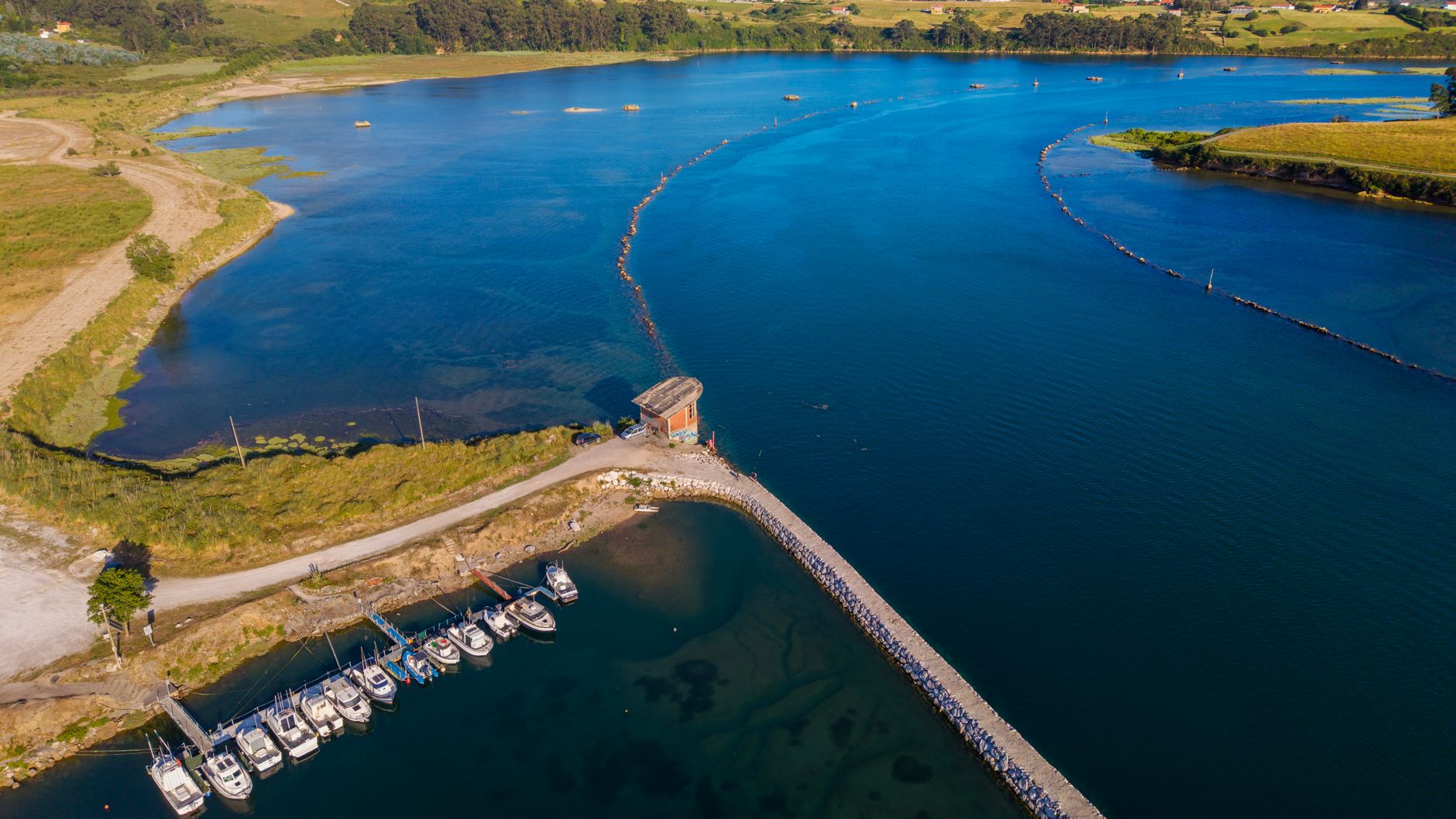
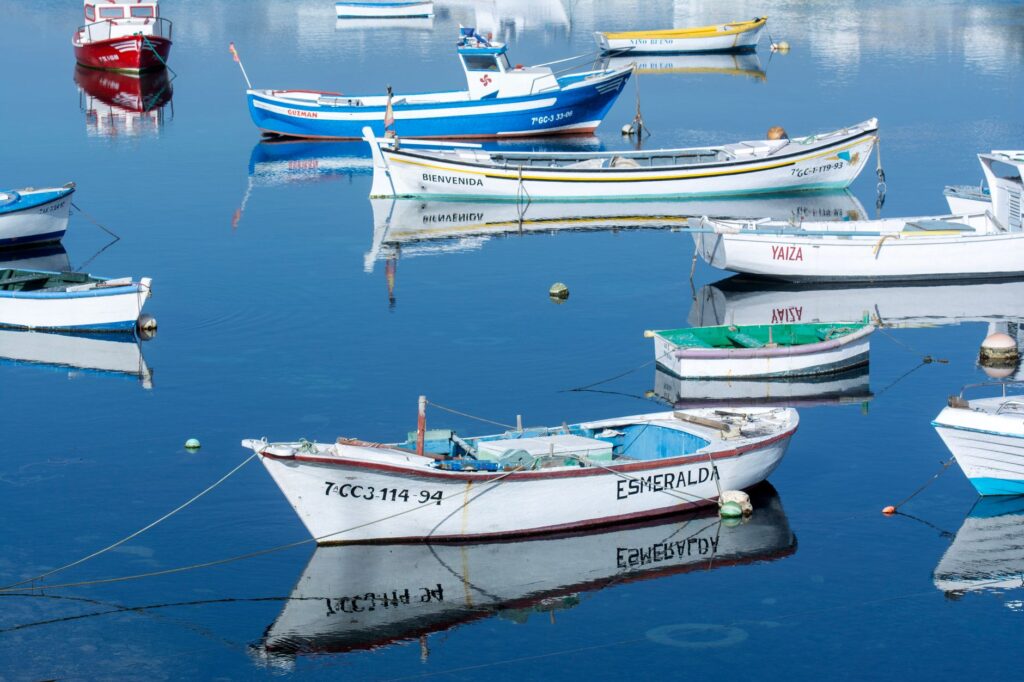
For travelers interested in closely observing fishing activity, visiting traditional ports like Fisterra, Muxía, or Corme is recommended, where boats can be seen arriving in the afternoon and visitors can attend authorized local fish markets. It is advisable to book in advance at local product taverns and restaurants where chefs master exact steaming or boiling times. Furthermore, recreational fishing regulations must be strictly respected: non-professional harvesting of goose barnacles is strictly prohibited without a specific license, thus protecting a fragile ecosystem and a resource of high ecological and cultural value.
Epilogue: The Resistance of Wild Flavor
In an era dominated by food standardization and intensive aquaculture, the Costa da Morte goose barnacle stands as a bastion of unwavering authenticity. It represents the resilience of a rural and maritime world that refuses to lose its roots in the face of mass tourism velocity. Each specimen served at the table is the tangible testimony of a daily struggle against the elements, an invisible bridge between the blind fury of the Atlantic Ocean and the refined sensitivity of Atlantic haute cuisine.
Eating a goose barnacle in a Galician port at dusk is accepting an ancient pact with salt, wind, and the bravery of a sea that refuses to be tamed.