The Atlantic Birthplace of Marine Medicine
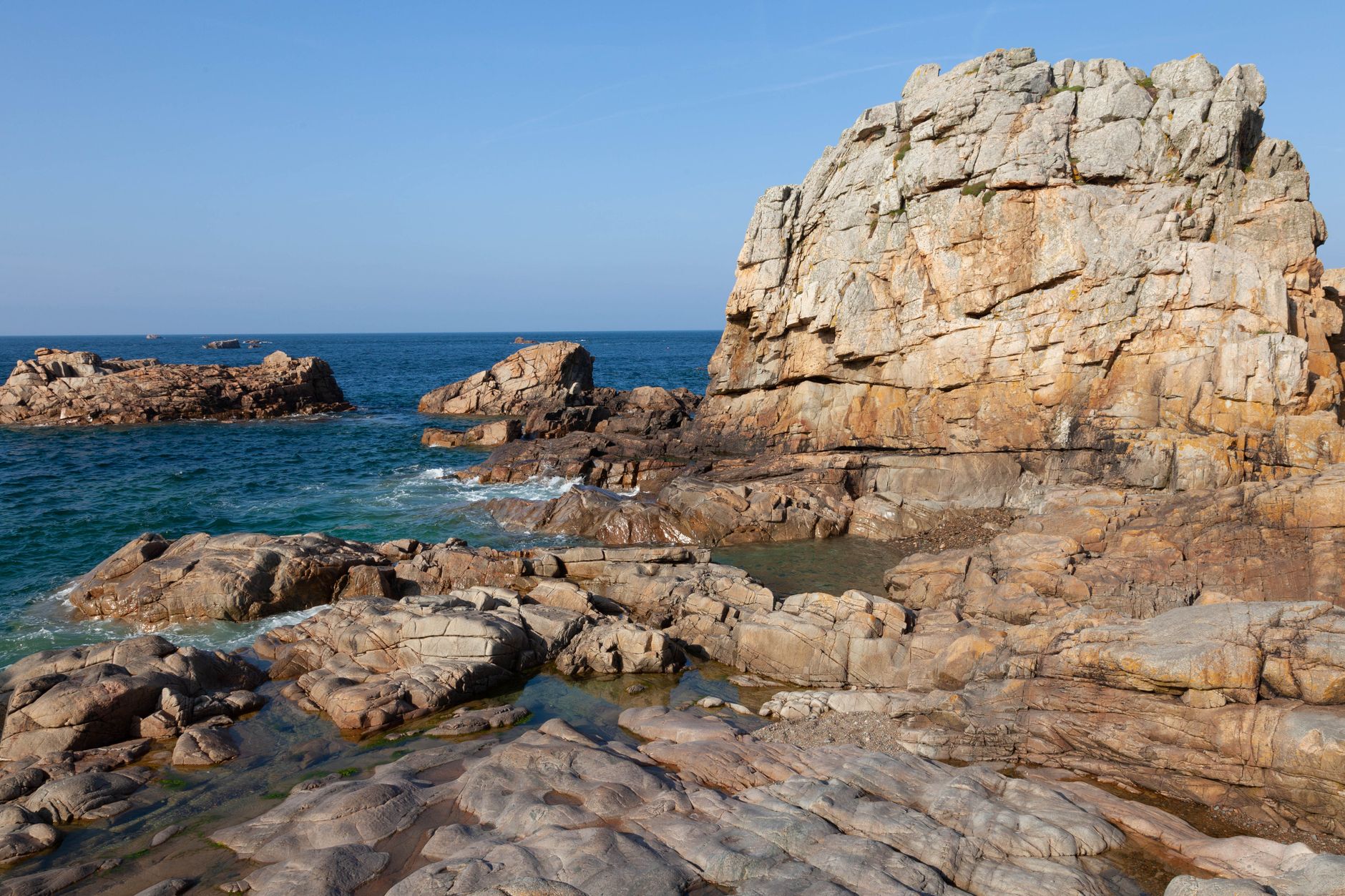
On the northwestern tip of France, where the English Channel collides with the Atlantic Ocean in an uninterrupted choreography of spring tides and clean offshore winds, the granite port of Roscoff maintains a singular relationship with the sea. Beyond its historic legacy as a corsair stronghold or the home port of the legendary onion traders who sailed toward British shores, this rugged corner of Finistère gave birth in the late nineteenth century to one of the most rigorous disciplines of restorative hydrotherapy: scientific thalassotherapy.
It was Dr. Louis Bagot who, in 1899, recognized that ocean water heated to human body temperature was far more than an instrument of seasonal comfort; it was an active biological medium. By inaugurating the Institut Rockroum upon the rocky reefs battered by the Breton swell, Bagot established the world’s first formal medical thalassotherapy facility. His original purpose was treating rheumatic and immunological conditions by harnessing the pristine waters of the Iroise Sea, enriched by deep underwater currents and perpetually oxygenated by one of the highest tidal ranges on the European continent.
More than a century later, entering the marine wellness sanctuaries of Roscoff transcends passive leisure. It offers a structured methodology for cellular and nervous recalibration, where coastal climatology, ocean-facing architecture, and marine mineral density converge into one of the most profound wellness traditions of the Western world.
«The ocean heals not through suggestion or isolation, but through the direct transfer of its mineral chemistry into the organism via warmth and breath.»
The Science of Living Water: Mineral Osmosis and Iodized Microclimates
To grasp the therapeutic resonance of the Breton coast, one must examine the fundamental physics and biochemistry of its waters. The seawater bathing the Bay of Morlaix and the Île de Batz shares an astonishing chemical proximity with human blood plasma. When this living fluid is drawn hundreds of meters offshore from protected currents and warmed between 33 and 35 degrees Celsius, human skin undergoes subtle vasodilation, activating the biological process of transcutaneous osmosis.
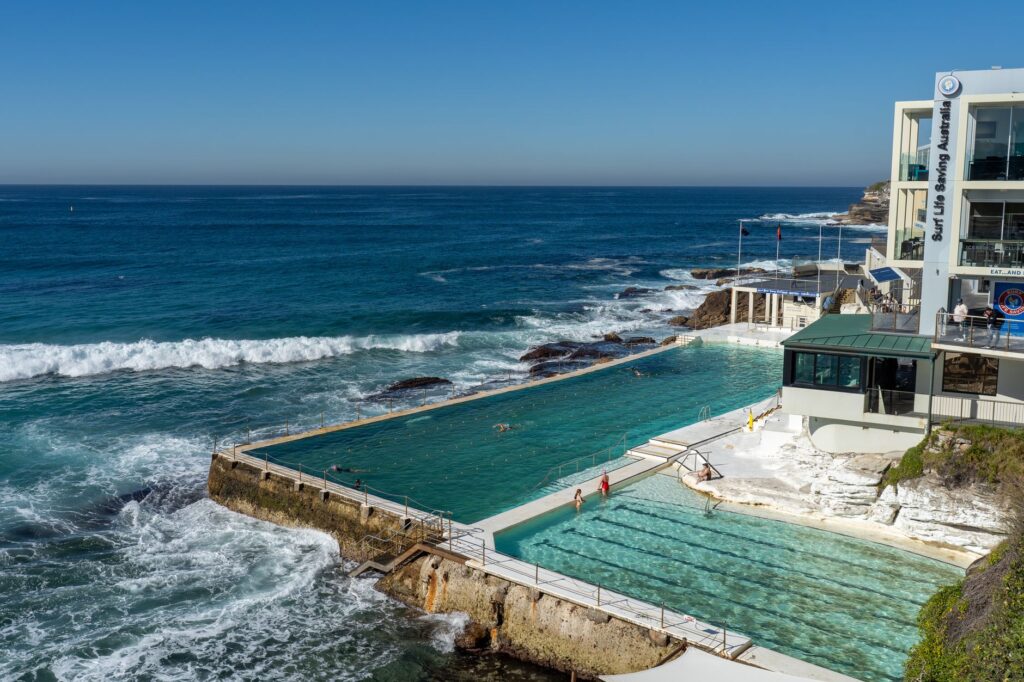
At this specific thermal threshold, the body readily absorbs bioavailable ions of magnesium, calcium, potassium, silicon, and essential trace minerals that are systematically depleted by chronic stress and metabolic fatigue. Marine magnesium acts directly upon neuromuscular junctions, dampening sympathetic excitability and easing muscular tension, while sulfate and zinc support cellular repair across the dermal barrier.
Simultaneously, the patient breathes marine aerosols naturally enriched with negative ions. The force of Atlantic waves shattering against ancient granite boulders nebulizes micro-droplets saturated with iodine and bromine, creating a local atmosphere of exceptional bacteriological purity. Inhaling this ambient air during quiet rest stimulates endocrine and respiratory functions while resetting circadian pathways, fostering restorative sleep within the first forty-eight hours of arrival.
The Submerged Forest: Sustainable Seaweed Harvesting in the Iroise Sea
The true biochemical treasure of Finistère lies submerged beneath its coastal shallows. The Iroise Marine Nature Park, designated as a Biosphere Reserve by UNESCO, shelters Europe’s largest and most biologically diverse marine algae forest. In these clear, nutrient-rich depths thrive macroalgae species of remarkable therapeutic value, including Laminaria digitata, Fucus vesiculosus, and Chondrus crispus.
The harvesting of these seaweeds follows strict maritime protocols designed to preserve the seabed’s regenerative capacity. Specialized low-impact boats and manual harvesters working during spring equinox tides collect fresh biomass that is swiftly transported to nearby facilities for cold micro-burst processing. This gentle mechanical extraction preserves fragile heat-sensitive vitamins, fucoidans, polysaccharides, and mineral complexes without synthetic additives.
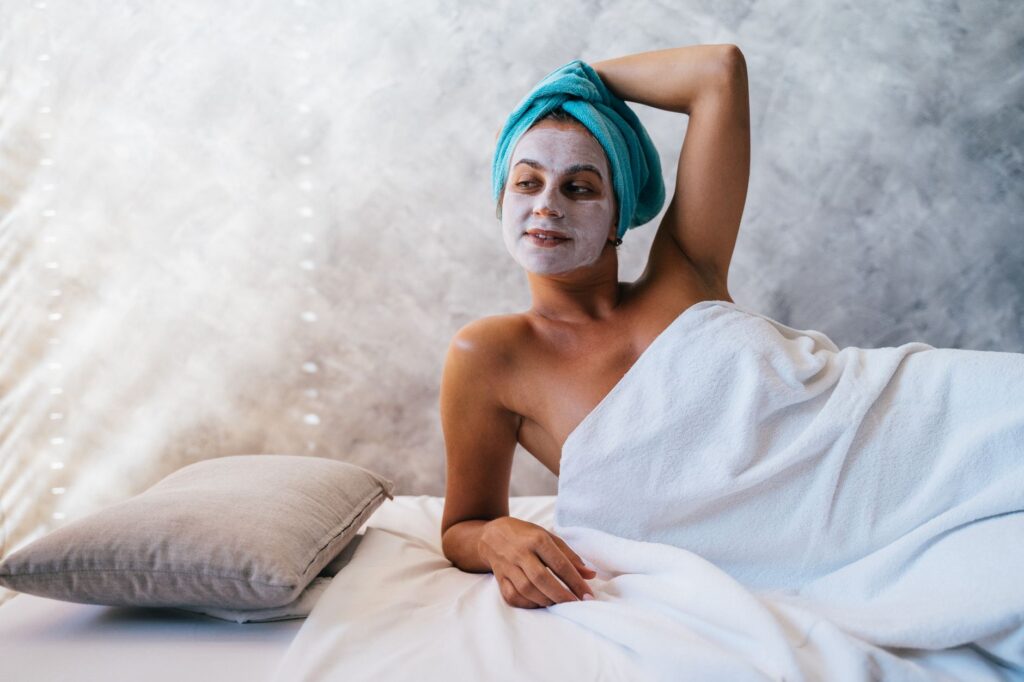
Applied as warm body poultices, these algae preparations envelop the body in a nutrient-dense marine matrix. Wrapped in thermal sheeting, the individual experiences detoxifying perspiration while marine active compounds permeate the skin. The physiological response is profound: deep heat alleviates joint stiffness, reduces connective tissue inflammation, and restores microvascular circulation with immediate effect.
The Hydrotherapy Protocol: Architecture of Thermal Contrasts
A classic thalassotherapy day in Roscoff follows a precise therapeutic progression. Rather than a haphazard selection of wellness amenities, the daily sequence balances mechanical water pressure, graduated thermal changes, and active mineralization.
- Filiform Affusion Showers: The patient reclines on an ergonomic table beneath a synchronized rail of micro-nozzles that cast a targeted, high-density mist of warm seawater along the spine and extremities, inducing immediate parasympathetic relaxation.
- Subaquatic Hydromassage Baths: Computer-calibrated water jets track ascending circulatory pathways from the soles of the feet to the cervical spine, encouraging venous and lymphatic return while softening fibrous muscular knots.
- Active Mobilization Pools: Under the guidance of aquatic physiotherapists, immersion in 34 °C seawater allows low-impact joint mobilization without gravitational strain, utilizing the natural buoyancy of saline water.
- Phlebological Walking Corridors: Alternating warm and cool saltwater troughs with pebbled riverbed bottoms stimulate plantar reflex zones and restore vascular tone throughout the lower limbs.
«In Breton waters, buoyancy is not an illusion of weightlessness; it is a clinical suspension that releases the spine from the gravity of daily life.»
The Granite Haven: Atlantic Architecture and Spatial Stillness
The wellness journey in Roscoff is inseparable from its physical architecture and coastal landscape. Contemporary institutes and historic bathhouses alike are conceived to dissolve the boundary between interior warmth and the raw Atlantic elements outside. Floor-to-ceiling panoramic glass walls frame the distant silhouettes of Plymouth-bound ferries and the Sainte-Barbe chapel, allowing shifting northern light to anchor the healing process.
Locally sourced building materials—such as golden granite from the Laber basin, oiled oak, and weathered zinc—foster an aesthetic of understated quietude. Silence functions as an indispensable therapeutic ingredient. Following hydrotherapy sessions, dedicated rest pavilions encourage long intervals of contemplation as the tide recedes and advances, altering the landscape twice daily from a deep indigo expanse to a sculptural terrain of tidal flats, boulders, and golden kelp.
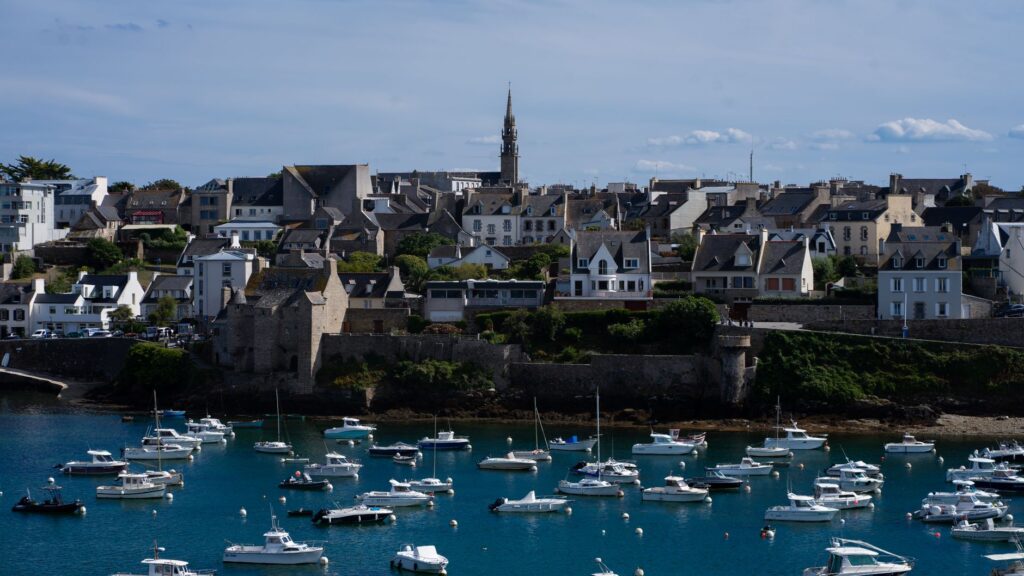
This visual minimalism relieves sensory and cognitive overload. Away from digital noise, visitors naturally align their breathing with the rhythm of breaking waves against the sea walls, entering a state of neurological restoration rarely achievable in metropolitan life.
Active Movement Therapy: The Customs Trail and the Île de Batz
No marine wellness regime in Finistère is complete without the integration of active balneoclimatology along the coast. Directly outside the town lies the iconic GR 34, the historic customs trail that meanders for hundreds of miles along the rocky Breton shoreline.
Traversing this coastal path after water treatments compounds the clinical benefits of thalassotherapy. Northwest winds, cleansed by open sea transit across thousands of miles of Atlantic ocean, serve as a natural continuous nebulizer. Walking along hidden coves, coastal artichoke fields, and wave-sculpted granite tors encourages gentle aerobic conditioning alongside maximal oxygen and iodine intake.
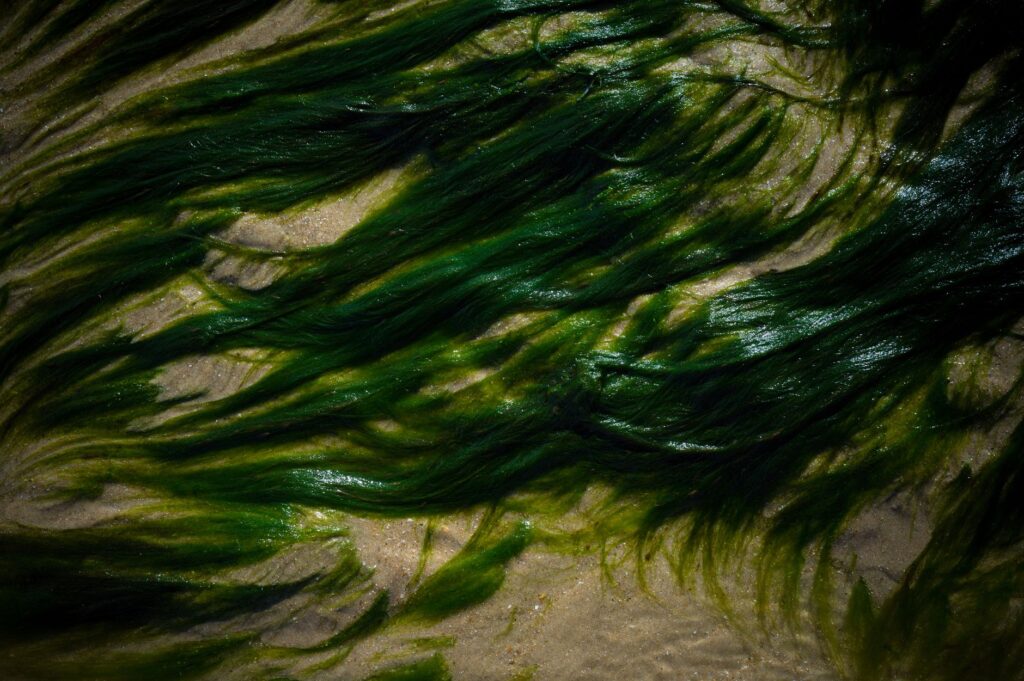
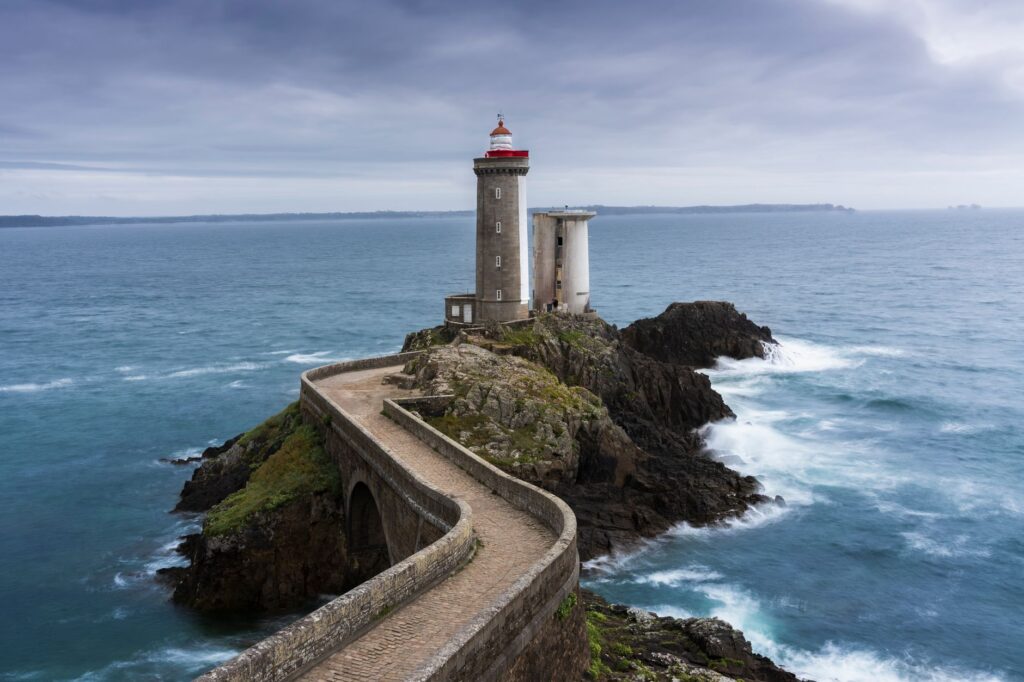
A fifteen-minute ferry crossing across the channel leads to the neighboring Île de Batz. This small island, largely free of automotive traffic, operates on a rhythm dictated entirely by the sea. Exploring its sandy lanes on foot or by bicycle, visiting the exotic garden founded by Georges Delaselle—where an anomalous microclimate sustains subtropical flora against the Atlantic horizon—and watching the breakers from the granite lighthouse solidifies the sense of holistic restoration.
Practical Planning Guide for a Marine Wellness Journey in Finistère
Approaching a thalassotherapy retreat in Roscoff requires an appreciation of its structured methodology, planning around optimal seasons and personal recovery needs.
Best Times to Visit
While institutes operate year-round, shoulder seasons provide the ideal balance between quiet reflection and favorable weather. Autumn (September to November) is distinguished by spectacular equinoctial tides, brisk coastal air, and atmospheric solitude. Spring (April to June) brings extended daylight, flowering coastal heather, and mild temperatures perfectly suited for pairing outdoor hikes along the GR 34 with indoor hydrotherapy.
Recommended Duration
To achieve durable physiological shifts in chronic musculoskeletal tension, sleep quality, and systemic stress markers, balneological physicians recommend an immersion of at least four to six consecutive days, featuring three to four prescribed marine treatments each morning. Short two-night weekend visits provide valuable relaxation, but do not fully trigger the body’s homeostatic reset.
Logistics and Transit
Access to Roscoff is efficiently managed via the Morlaix railway hub, connected to Paris-Montparnasse by direct high-speed TGV trains in three hours and fifteen minutes. From Morlaix, regular regional bus services (BreizhGo Line 29) transfer passengers directly to Roscoff in approximately thirty minutes. For air travelers, Brest-Bretagne Airport sits roughly 55 kilometers to the southwest, providing domestic and European connections alongside vehicle rental services.
Health and Medical Considerations
Because intense thalassotherapy protocols involve concentrated seawater heat and high concentrations of bioavailable iodine, certain contraindications must be respected. Individuals with active or unmanaged thyroid disorders (such as uncontrolled hyperthyroidism), severe cardiovascular insufficiency, open dermal conditions, or recent oncological histories should consult their physician or complete an initial intake with the institute’s resident medical team prior to commencing iodine-heavy thermal treatments.
Returning Inland: The Enduring Imprint of the Atlantic
The benefits of a marine wellness journey in Roscoff do not dissipate upon crossing the threshold back to continental routines. The combination of mineral saturation, rhythmic movement, and auditory tranquility establishes an internal equilibrium that sustains the nervous system for weeks thereafter.
In an era increasingly crowded with fleeting wellness trends, Brittany’s century-old marine medicine stands as an authentic testament to elemental restoration. Between the deep rumble of Atlantic breakers and the embrace of warm, living water, Roscoff demonstrates that true vitality is found not in novel inventions, but in a humble realignment with the timeless rhythms of the sea.