


The Democratization of Leisure as a Public Policy of Wellness
The right to rest and recreation, enshrined in international human rights declarations, rarely translates into tangible public policies for lower-income sectors. In regional heartlands, where daily routines and economic pressures routinely postpone any hint of recreation, state-backed initiatives acquire a profoundly human dimension. The Family Tourism program, promoted by the National Tourism Service (Sernatur) and highlighted in recent reports by outlets such as G5noticias, emerges as a bridge between vacation exclusion and social integration. By benefiting over a thousand passengers in a single region, this policy not only stimulates local economies but restores the dignity of free time for families who otherwise would never have had the opportunity to leave their habitual surroundings.
Emotional and physical wellness can no longer be considered an exclusive luxury of privileged classes. Contemporary public health literature demonstrates that pausing, changing environments, and connecting with nature are fundamental elements in preventing chronic exhaustion and improving family cohesion. When a government partially subsidizes the cost of a trip, it implicitly acknowledges that tourism is a tool for preventive health and human development. This report examines the machinery behind this program, its impacts on beneficiaries’ mental health, and the measurable economic impact on receiving destinations.
Diagnosing Tourism Exclusion in Chile
To grasp the scale of the figure reported by G5noticias, one must understand the economic barrier facing a large portion of the Latin American population regarding domestic travel. Historical statistics reveal that an alarming percentage of lower-middle and lower-income families have never traveled outside their home province for leisure. Financial priorities—spending on food, housing, and education—leave tourism on the bottom rung of family possibilities.

This exclusion creates subtle yet profound gaps in social development. Children who grow up without experiencing other landscapes, regional cultures, or staying away from the family home miss out on experiential learning opportunities. Likewise, older adults and workers exposed to high labor demands watch their active years pass without a restorative break. Sernatur’s program disrupts this inertia through an intelligent subsidy model that covers a significant portion of the tourism package, including transport, accommodation, meals, and guided excursions, making the previously prohibitive entirely viable.
Anatomy of the Program: How Sernatur’s Subsidy Operates
The functioning of this state initiative requires complex logistical coordination involving local tour operators, municipalities, and regional authorities. Unlike traditional commercial agencies, the program operates under strict selection criteria that prioritize vulnerable family groups, older adults, female heads of household, and people with disabilities.
The packages are designed under a logic of sustainable and responsible tourism. These are not mass movements devoid of planning, but structured experiences that foster the appreciation of national heritage. Each group receives professional accompaniment throughout the journey, guaranteeing safety and quality standards in hotel and gastronomic services. This rigor ensures that the state benefit translates into a dignified, human-centered experience, dispelling the false premise that subsidized offerings must be of low quality.
The Impact on Mental Health and Family Wellness
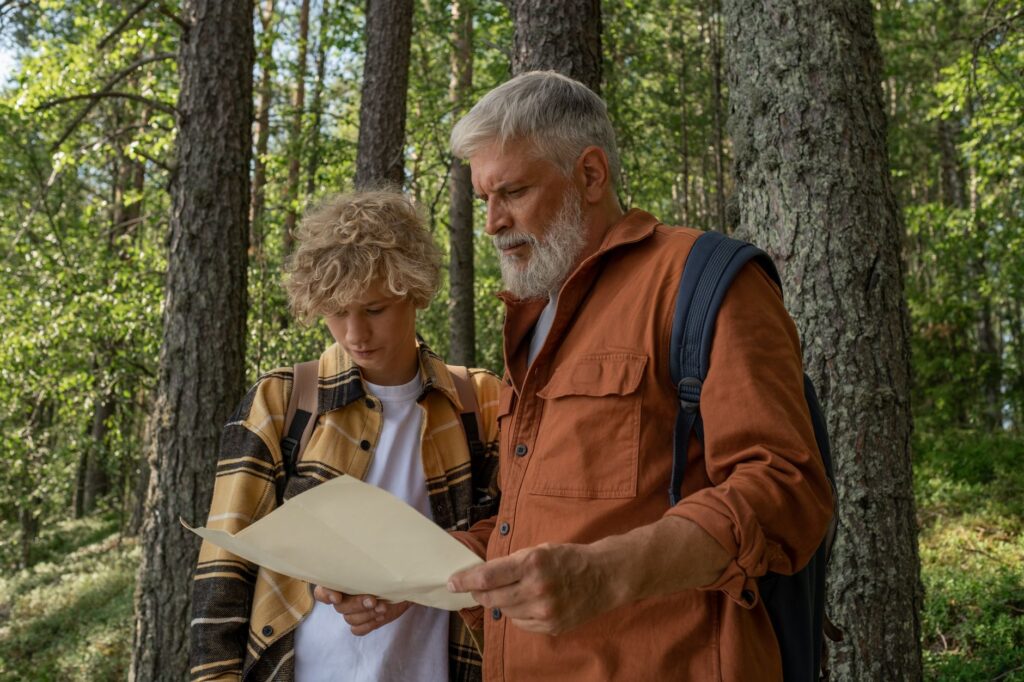
The true value of a subsidized trip is not measured solely in economic balances, but in the memories built within the family unit. Various psychological studies indicate that sharing experiences outside the daily environment strengthens affective bonds and reduces accumulated stress levels. For the more than one thousand regional passengers participating in this edition, the trip represents a break from the financial anxiety that characterizes modern life.
Tourism is not merely a service industry; it is a catalyst for empathy, mental health, and social cohesion that allows communities to rediscover their own territory with fresh eyes.
During the travel days, it is common to observe how family dynamics transform. Parents reclaim quality time with their children away from screens and work urgencies; grandparents share stories in a relaxed setting; and youth broaden their world view. This mental breather acts as a healing balm that substantially improves participants’ quality of life upon their return home.
Decentralization and Oxygen for Local Economies
Another fundamental pillar of the Family Tourism program is its ability to combat seasonal tourism slumps. Traditionally, regional destinations depend on summer months to record significant revenues, leaving the rest of the year in deep economic sluggishness. By channeling visitor flows during shoulder and low seasons, Sernatur enables small hotels, family-run restaurants, artisans, and local guides to sustain productive activity continuously.
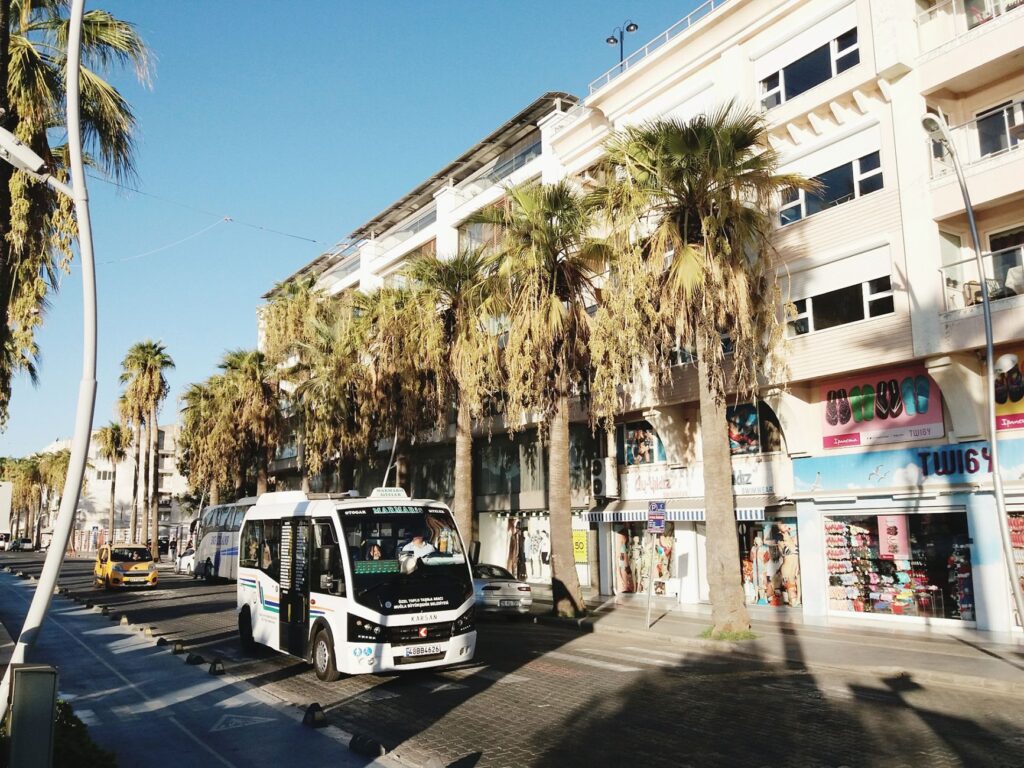
This direct monetary flow into regional economies creates a virtuous cycle. The resources invested by the state in the subsidy return largely to local coffers through the consumption of goods and services, energizing commerce in communes that usually remain outside international tourism routes. Thus, the program fulfills a dual function: it redistributes well-being among travelers and decentralizes territorial economic development.
Testimonials and Experiences: Transformation in the First Person
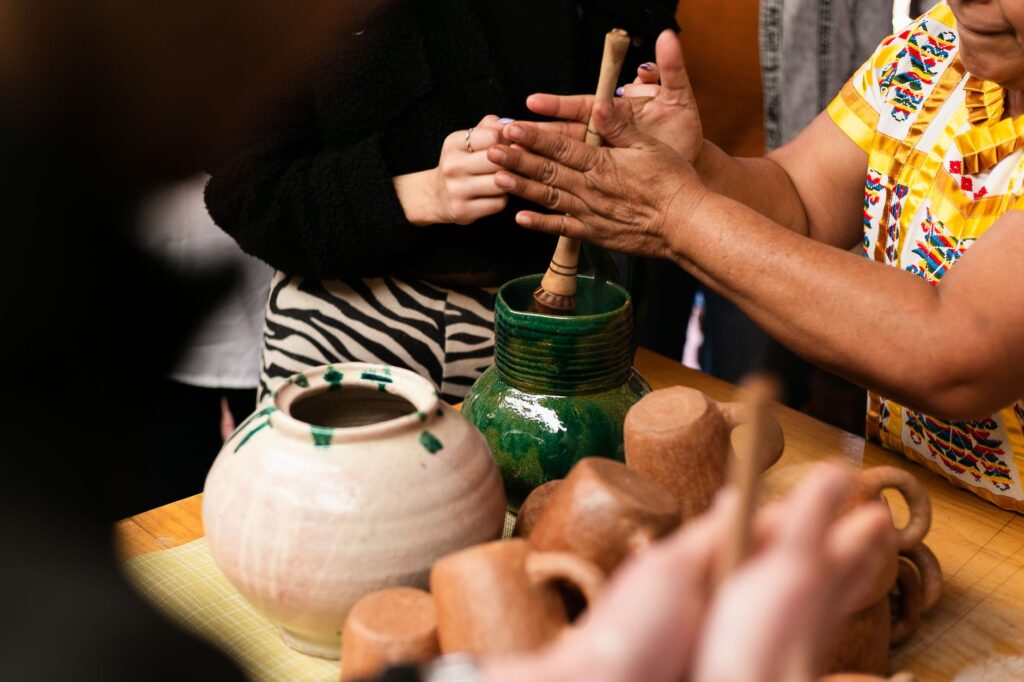
Behind the statistic of over one thousand passengers lie deeply moving human stories. Participants who, at sixty or seventy years old, see the ocean for the first time or stay in a hotel. Mothers who had never been able to gift their children a vacation outside their residential city.
These experiences generate a profound sense of belonging and national pride. Learning about the attractions of one’s own region and country awakens conservationist awareness and renewed respect for natural and cultural heritage. Satisfaction surveys administered at the end of each trip show exceptionally high approval ratings, especially highlighting the human quality of operators and the sense of security and well-being experienced throughout the itinerary.
Challenges of Expansion and Model Sustainability
Despite the resounding success of the initiative reported by G5noticias, public policy experts note significant future challenges. Demand for these benefits far exceeds available slots, highlighting the urgent need to increase budgets allocated to social tourism programs.
Likewise, it is crucial to ensure that the infrastructure of receiving destinations maintains ecological and social equilibrium. The growth of domestic tourism, even under regulated schemes, requires rigorous urban and environmental planning to prevent the saturation of natural spaces and ensure true long-term sustainability. Public-private collaboration will be decisive in expanding coverage without losing the high quality standards that currently characterize the program.
Practical Information to Access Tourism Wellness
For citizens interested in learning about the requirements and application modalities for Sernatur programs, following official channels and avoiding unauthorized intermediaries is essential.
- General Requirements: Belong to lower-income brackets according to the Social Household Registry, meeting priority profiles defined by each region.
- Application: Calls are made periodically through partner municipalities or directly on Sernatur’s institutional web platforms.
- Subsidy Coverage: The package typically includes land transport, accommodation, full board, guided excursions, and travel assistance insurance.
- Family Copayment: Beneficiaries must cover a minor percentage of the total trip cost, proportionally adjusted to their socioeconomic capacity.
Toward a Future Where Rest is a Guaranteed Right
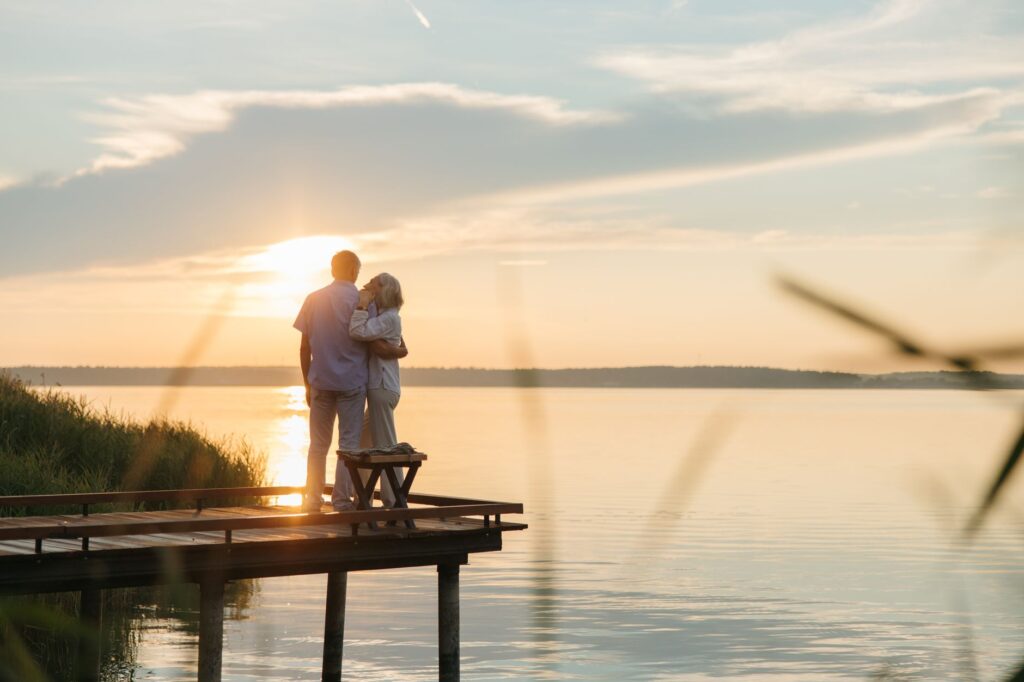
The Family Tourism program in the Region demonstrates that when the state assumes an active role in facilitating well-being, the barriers of inequality recede, even temporarily, to make way for joy and discovery. The more than one thousand people enjoying these subsidized trips return home not only with memorable photographs; they return transformed by an experience reminding them that their well-being matters.
Guaranteeing access to leisure is consolidating a fairer society, where mental health and the dignity of rest are no longer a privilege of the few, but an effective right for all citizens.
Ultimately, initiatives like the one promoted by Sernatur redefine the purpose of tourism activity in the 21st century. It is no longer solely about generating foreign exchange or attracting high-spending international visitors, but about healing internal social tissue, allowing families to recognize the value of their land and their own rest time.
Source in EN: G5noticias

