The Persistence of Thread in the Sands of Time
In the dusty heart of Upper Egypt, where the course of the Nile carves a verdant scar against the relentless expanse of the desert, one of the most refined and fragile memory-conservation technologies in human history survives: Coptic bookbinding. Far from constituting a mere archaeological curiosity destined for antiquity museum display cases, this ancient technique is currently experiencing a profound renaissance. This is not a nostalgic fashion driven by contemporary design, but a rigorous, material response to the need to preserve written heritage against digital obsolescence and the fragility of modern synthetic adhesives. In small workshops tucked away in the alleyways of Coptic Cairo and around the monasteries of St. Anthony and St. Paul, a new generation of artisans is reviving the millennial gestures that once shaped humanity’s earliest codices.
The historical transition from the papyrus scroll to the folded book format, or codex, which occurred precisely on Egyptian soil during the first centuries of our era, marked a radical turning point in how civilizations stored, consulted, and transmitted knowledge. The original Coptic structure was designed not for aesthetic reasons, but out of strict functionality: it allowed volumes to open completely flat on lecterns, to bear the weight of heavy metallogallate inks, and to withstand the harsh desert climate conditions without relying on animal- or plant-based glues that would attract wood-boring insects. Today, this technical legacy faces its own modernization thanks to the dedication of restorers who combine material philology with the demands of contemporary editorial design.
Anatomy of an Adhesive-Free Structure
What radically defines and distinguishes Coptic bookbinding from other Western or Asian traditions is the absolute absence of a rigid spine and glues in the joining of the quires. While contemporary industrial bookbinding relies on petroleum-derived polymers and vinyl emulsions to hold pages together, the Coptic system entrusts all its structural strength to the geometric precision of chain-stitch sewing. Each gathering of laid paper or parchment is hand-punched with calibrated steel awls, establishing an invisible grid that determines the rhythm of the entire volume.
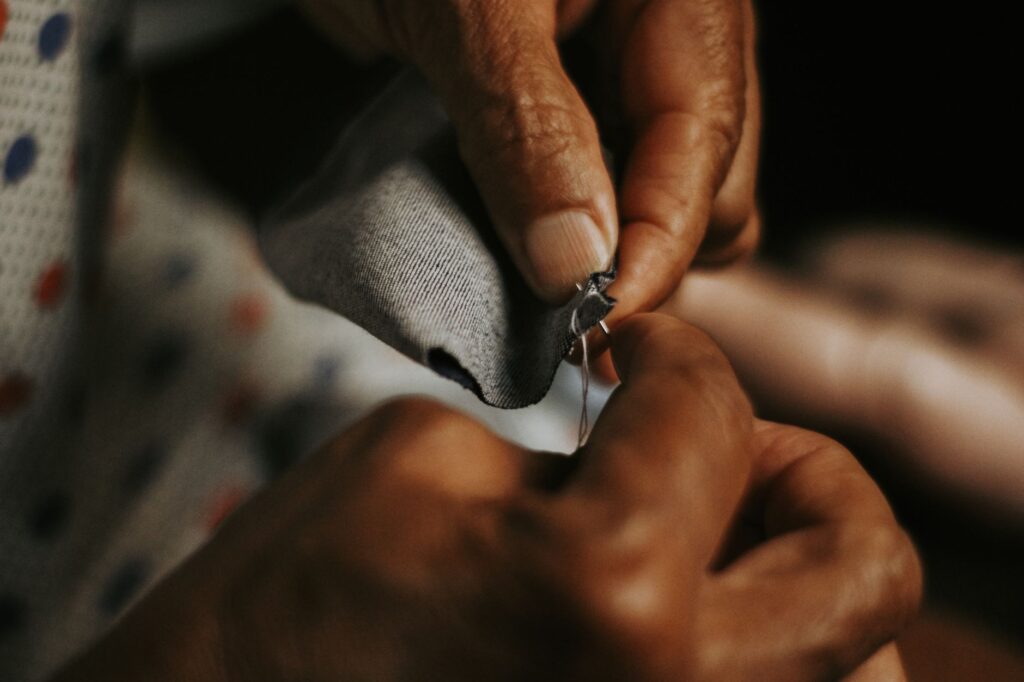
The waxed linen thread runs along the exterior spine through an interlocking stitch that creates a distinctive visible braid, an element that master artisans consider both a technical support and an aesthetic signature. This open architecture allows the book to breathe naturally, adapting to fluctuations in humidity and temperature without subjecting the leaves to undue mechanical stress. In current Luxor workshops, binders carefully select long-fiber pure linen threads, hand-twisted and treated with local beeswax to guarantee durability that can be measured in centuries. The result is an object in which every stitch is visible, honest, and functional, revealing to the reader the very skeleton of the book before turning the first page.
The Raw Material: Between Papyrus, Linen, and Vegetable-Tanned Leather
The authenticity of this renaissance lies in its fidelity to original materials—a process of experimental archaeology that demands months of prior research. Contemporary workshops supplying heritage libraries and private collectors reject chemically bleached industrial papers. Instead, they collaborate with artisanal mills producing cotton and linen paper using ancient Dutch beaters, mimicking the rough texture and optimal absorption of medieval manuscripts. The covers, traditionally made from lightweight sycamore or poplar wood boards, are clad in goat skins tanned exclusively with vegetable tannins obtained from acacia bark and pomegranate rind.
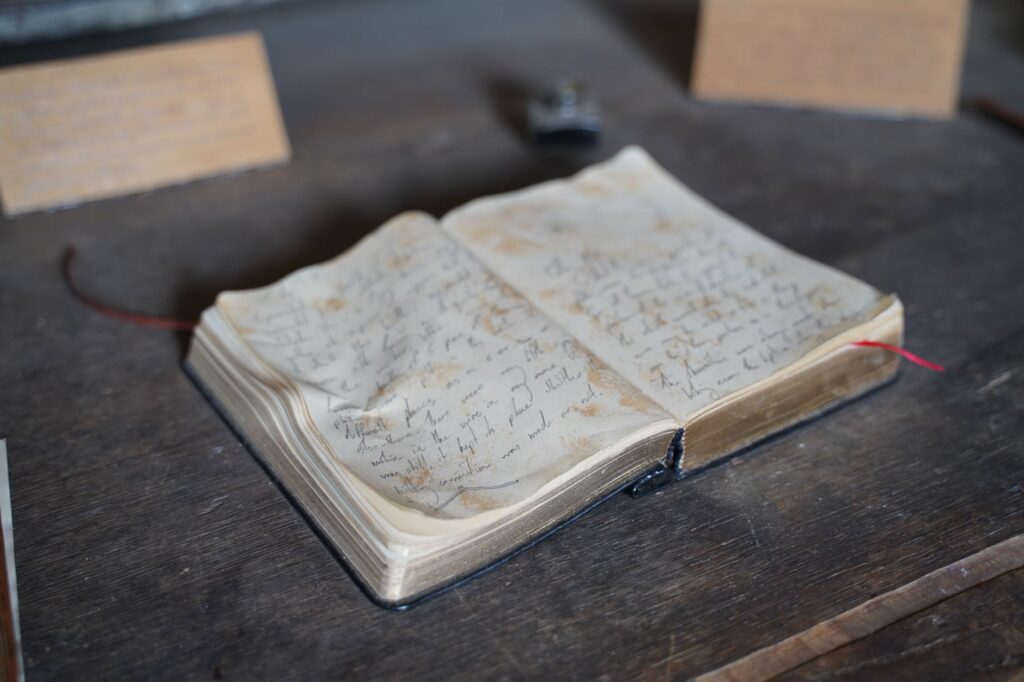
This commitment to organic materiality not only seeks a period visual effect, but a radical ecological sustainability. The effluents of traditional vegetable tanning, while requiring a much longer maceration time than industrial chemical processes involving chromium salts, do not pollute local aquifers and produce leather that ages nobly, developing a dark, lustrous patina upon continuous contact with human hands. Local artisans spend weeks preparing the skins, scraping away flesh with curved blades and smoothing them over pumice stones until achieving the exact millimeter thickness required for a flexible yet durable cover.
Coptic bookbinding is not a technique of the past; it is a lesson in physics applied to the conservation of memory, where each thread assumes the responsibility of holding ideas together against the relentless passage of time.
Geometry and Symbolism in Cover Motifs
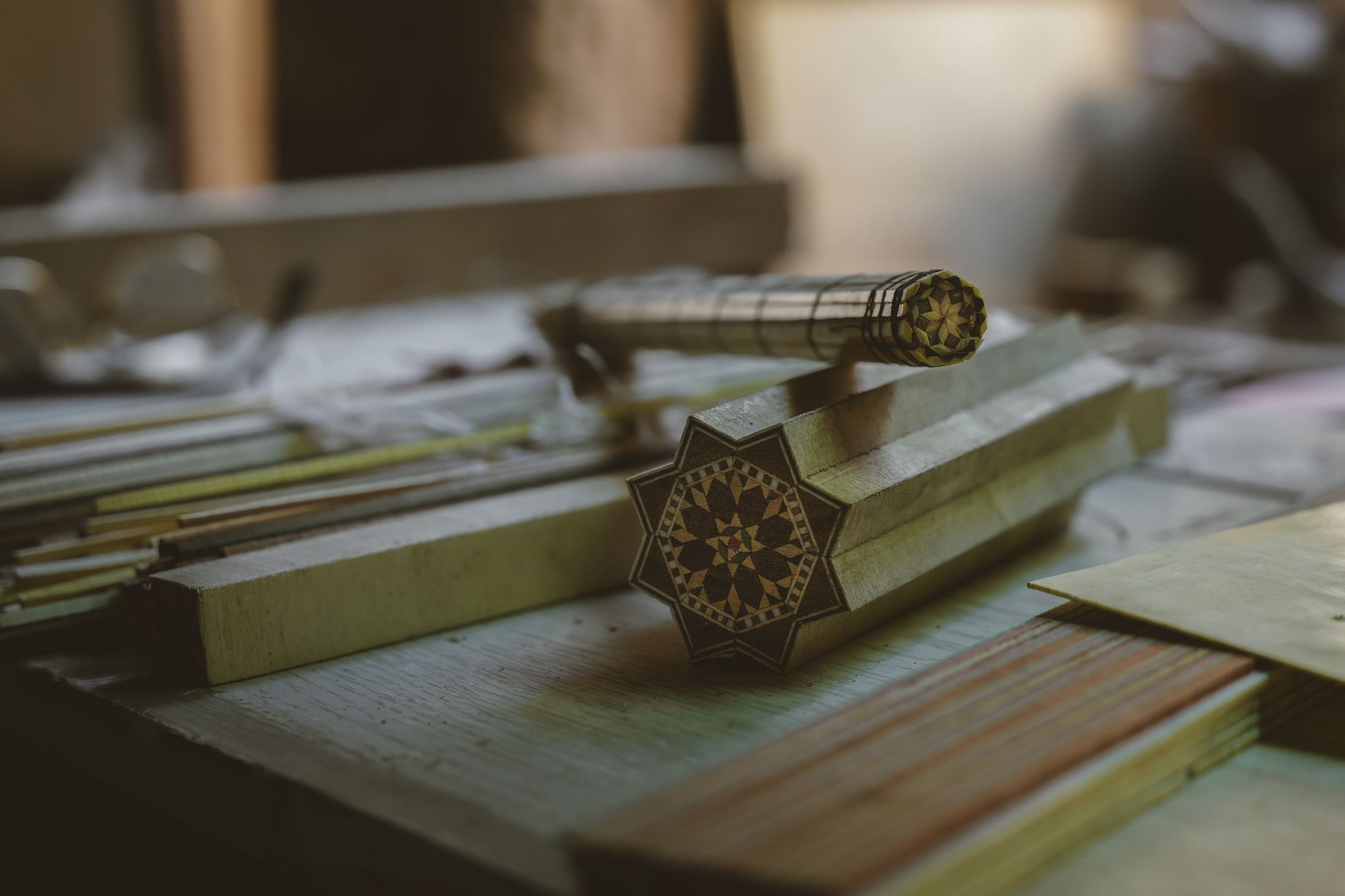
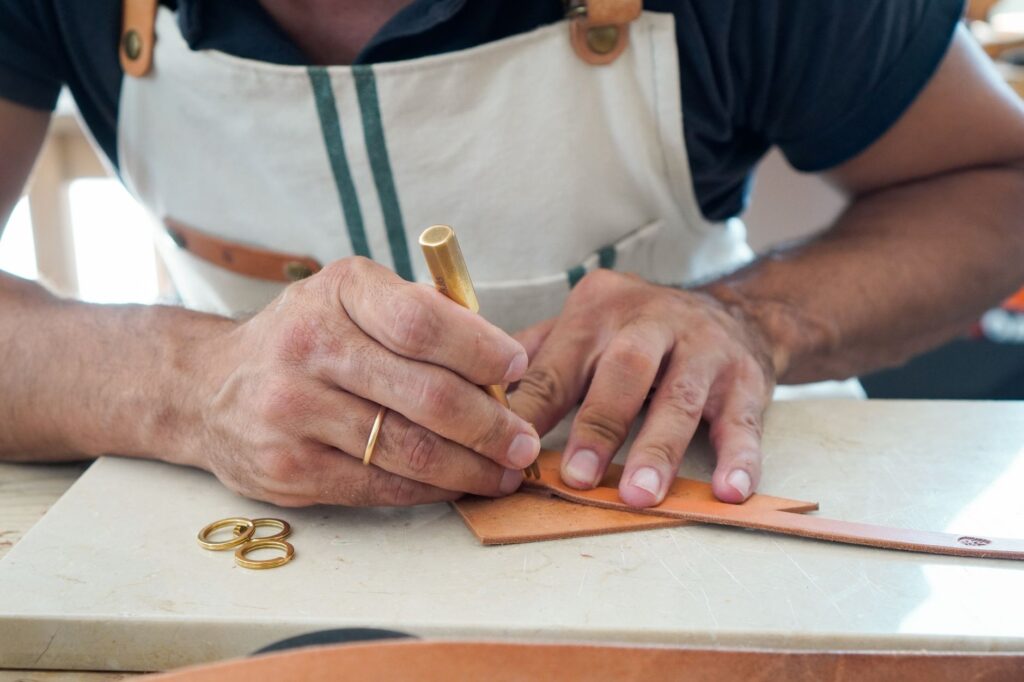
Beyond the pure engineering of stitching, the covers of historical Coptic codices stand out for their rich blind tooling—impressions made using heated irons on damp leather without applying gold or pigments. The geometric motifs decorating these pieces are not arbitrary ornaments; they form a complex symbolic language rooted in Alexandrian geometric tradition and early Coptic art. Interlaced crosses, eight-pointed rosettes, and infinite knot borders are hand-pressed using forged brass punches.
In the historic district of Coptic Cairo, the workshops perpetuating these toolings work under the zenithal light of interior courtyards, maintaining a leisurely pace that contrasts violently with the metropolitan bustle of the Egyptian capital. Each master orally transmits the golden ratios and formulas for plotting the symmetrical diagrams that structure the covers. This intergenerational transmission ensures that the secrets of deep blind tooling—which subtly warps the underlying wood to create three-dimensional reliefs without breaking the leather fiber—are not lost to oblivion, constituting a living archive of medieval monastic aesthetics.
The Role of Monasteries in Preserving the Craft
The survival of Coptic bookbinding across the centuries cannot be explained without the role of the great monasteries of the Eastern Desert, such as St. Anthony (Dayr Anba Antunius) and St. Paul (Dayr Anba Bula). For generations, these monastic complexes functioned as fortresses of written culture, where monks not only copied liturgical texts and theological treatises, but also repaired and bound codices deteriorated by use and climate. Today, restoration centers linked to these monasteries work closely with European universities and antiquities ministries to train the new generation of conservators.
These monastic spaces house scriptoria where time seems to have stood still. There, restorers use binocular loupes and precision scalpels to dismantle millennia-old volumes eaten away by salinity and fungi, applying Japanese paper-grafting techniques and reinforcing them with linen threads identical to the originals. This scientific labor is complemented by practical training for young lay artisans from surrounding villages, turning the restoration of ancient books into an engine for local economic development and identity pride for rural communities in Upper Egypt.
Contemporary Challenges: Authenticity Versus the Commercial Circuit
The growing international interest in unique artisanal objects has placed Coptic bookbinding at a complex crossroads. On one hand, the demand for luxury notebooks and artist editions crafted with this technique has enabled the economic viability of dozens of small family workshops. On the other hand, mass tourism and the rise of online commerce have sparked the proliferation of cheap, mass-produced imitations that mimic visible stitching using synthetic cords and contact glues, stripping the craft of its material rigor and historical meaning.
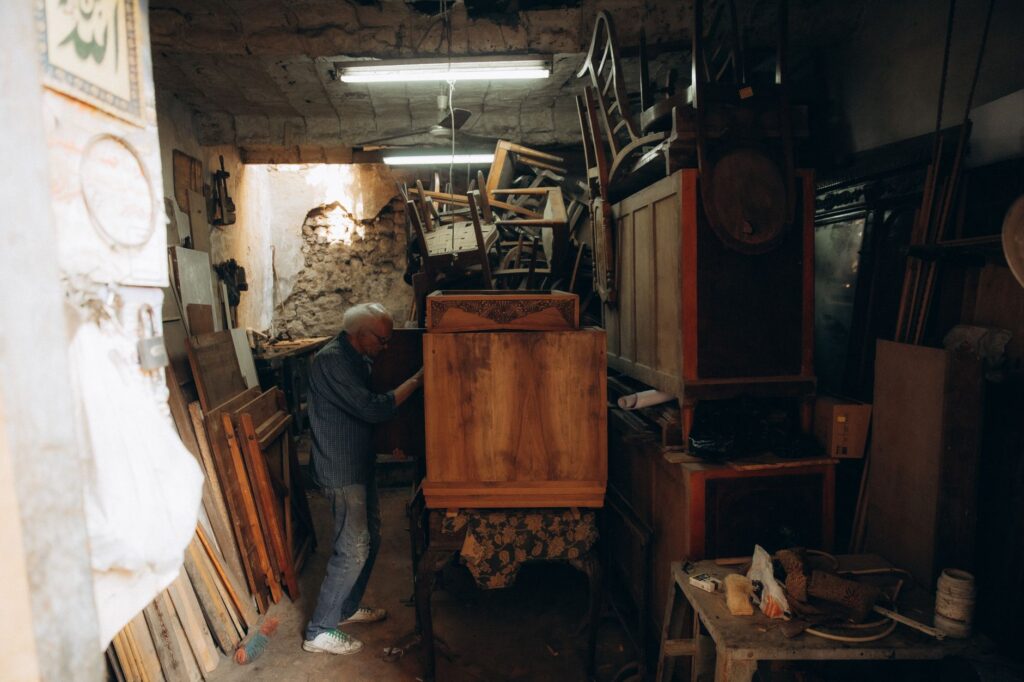
True master artisans denounce the trivialization of a heritage that requires profound technical mastery. Authentic Coptic bookbinding demands not only mastering the needle and awl, but understanding the physical behavior of handmade paper, the exact degree of humidity parchment tolerates, and the proper tension applied to the thread so that the book can open at a one-hundred-and-eighty-degree angle without fracturing the spine. Faced with express commercialization, independent workshops commit to total material traceability and organize in-person training workshops where buyers can experience firsthand the strength and complexity of glue-free sewing.
In a world saturated with ephemeral screens and volatile digital archives, the recovery of Coptic bookbinding represents a political and aesthetic declaration in favor of slowness, tangibility, and the durability of human knowledge.
Practical Guide for the Traveler and Bibliophile in Egypt
For travelers interested in delving into the universe of Coptic bookbinding and Egypt’s written heritage, planning an itinerary beyond conventional tourist circuits is essential. The best approach begins at the Coptic Museum in Cairo, located in the historic Old Cairo district (Misr al-Qadima), which preserves some of the oldest codex fragments in the world, including the celebrated Nag Hammadi manuscripts. The museum offers an unparalleled perspective on the evolution of wooden covers and early exposed bindings.
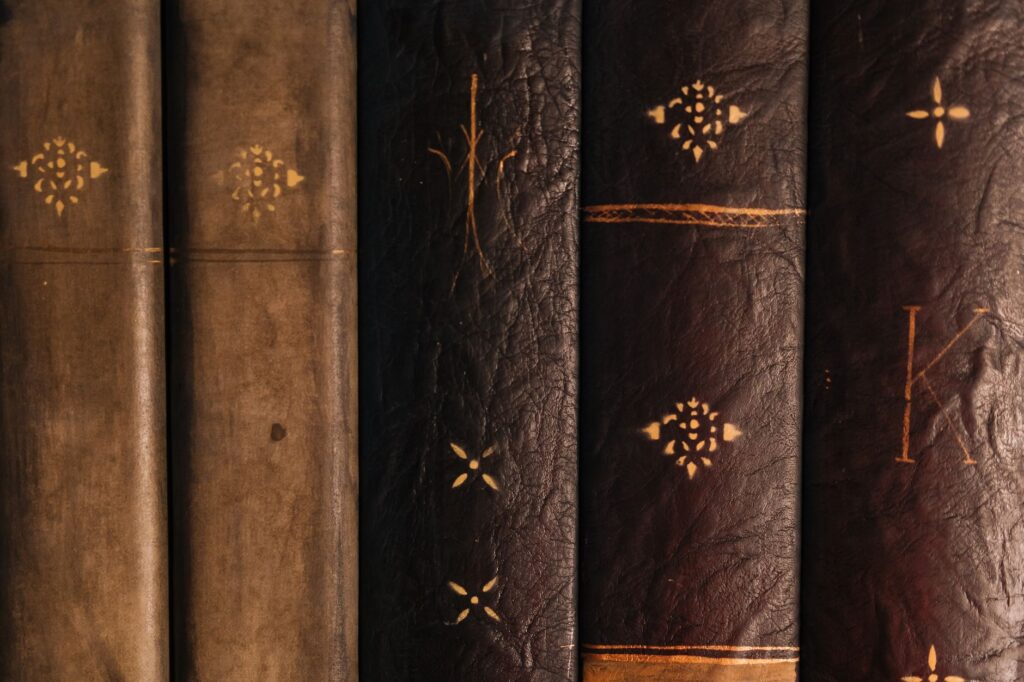
The second nerve center is located in the artisanal workshops of the Fustat district, where several independent master binders operate and allow visits by prior appointment. It is advisable to contact them through local cultural associations to avoid commercial intermediaries. Essential practical tips for acquiring a piece include:
- Inspect the covers to verify whether authentic wood or industrial pressed cardboard was used; legitimate pieces exhibit slight thickness irregularities and visible natural wood grain.
- Inquire about the origin of the paper; quality workshops use handmade laid paper with chlorine-free cotton fibers.
- Accept that delivery times for custom orders can range between two and four weeks due to the natural drying time of adhesives and vegetable tannages.
- Respect photography and silence rules in traditional workshops and monastic libraries, where restoration work demands absolute concentration.
The Future of an Ancient Craft in the Digital Age
At first glance, the survival of a binding method conceived in the 4th century may seem like an anachronistic resistance to the steamroller of technological modernity. However, the creators and restorers keeping the craft’s fires burning in Egypt argue the opposite. Far from competing with e-books or cloud archives, Coptic bookbinding positions itself at the opposite end of the cultural spectrum: as a tactile cult object, a refuge for leisurely reading, and a functional work of art that vindicates the irreplaceable value of the handmade.
The craft’s capacity to reinvent itself through ecological materials, avant-garde editorial design, and collaboration with international libraries demonstrates that tradition is not a cemetery of dead forms, but a living repertoire of intelligent solutions accumulated over millennia. As long as there are hands willing to pierce paper with patience, interweave linen thread with millimeter precision, and bind pages with no artifice other than geometry and physics, the physical book will remain the most faithful and enduring testimony of human dignity.