The Alchemy of Dark Clay in the Bidasoa Valleys
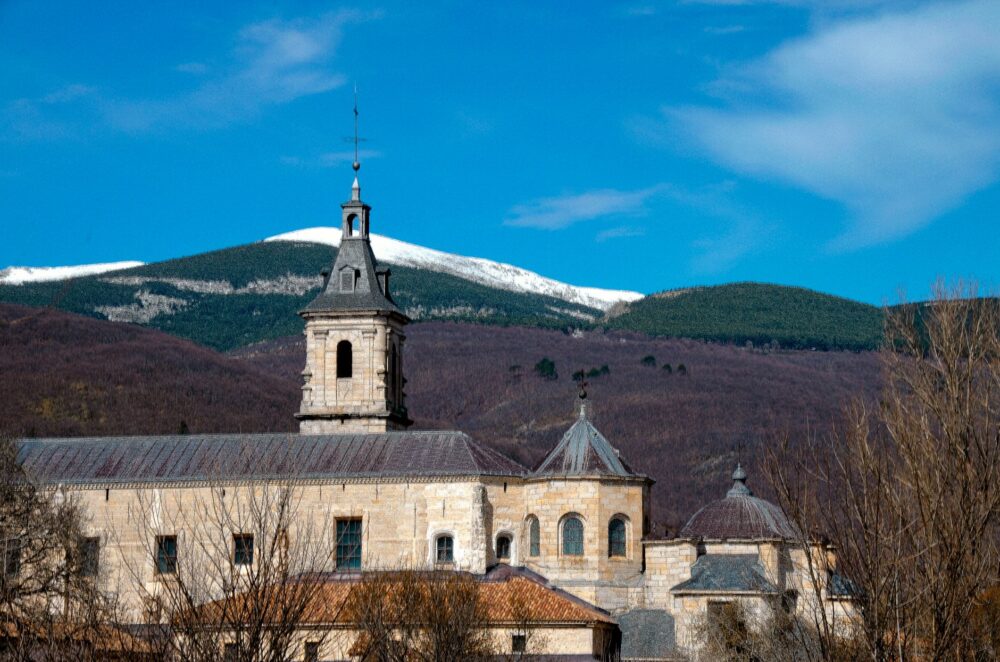
Deep within the interior valleys of Gipuzkoa, where morning mist clings to the mountain ridges and ancient oak forests preserve the silence of centuries, one of Atlantic Europe’s most enigmatic pottery traditions survives: Bisalde black pottery. Far from mass commercial circuits, this mountainous territory has for generations sheltered a lineage of artisans who transform local clay into vessels of a deep, lustrous, metallic black. This finish is achieved not through chemical glazes, but via a complex process of oxygen reduction in buried wood-fired kilns. Today, this ancient craft is undergoing a profound revitalization driven by a new generation of creators combining material anthropology, contemporary design, and ecological rigor.
The renaissance of this pottery is not a mere exercise in folkloric nostalgia, but an urgent response to rethink materiality in an era of hyper-industrialization. The workshops scattered across regions like Goierri or the Bidasoa basin operate as living laboratories where researchers study the thermal properties of native minerals, the sustainable sourcing of combustion woods, and the ergonomics of objects designed to endure. To grasp the scale of this heritage, one must enter the unhurried rhythms of the workshop, where every vessel, bowl, or architectural piece demands weeks of preparation, from the manual extraction of the clay to the final sealing with natural resins.
Geology and Raw Material: The Origin of Refractory Clay
The secret of Bisalde black pottery lies fundamentally in the geological composition of the Basque subsoil. Clay veins extracted from local deposits feature high iron oxide concentrations and exceptional plasticity, capable of withstanding the drastic thermal shocks of traditional firing. Contemporary ceramists have reclaimed direct control over these raw material sources, avoiding the purchase of standardized industrial bodies. This commitment to origin ensures that each batch of clay retains the mineral impurities that will later grant the piece its characteristic texture and structural resilience.

Preparing the clay is an exercise in geometric and physical patience. Extracted material must undergo decantation cycles in water vats, outdoor drying, and subsequent manual kneading to eliminate any air pockets that could fracture the structure during firing. In Bisalde’s workshops, this process respects the biological rhythms of the material. No machine can replace the tactile sensitivity of the artisan, who detects through fingertip pressure alone whether the mass possesses the precise moisture required for vertical throwing on the wheel.
The Ritual of Fire and the Reducing Atmosphere
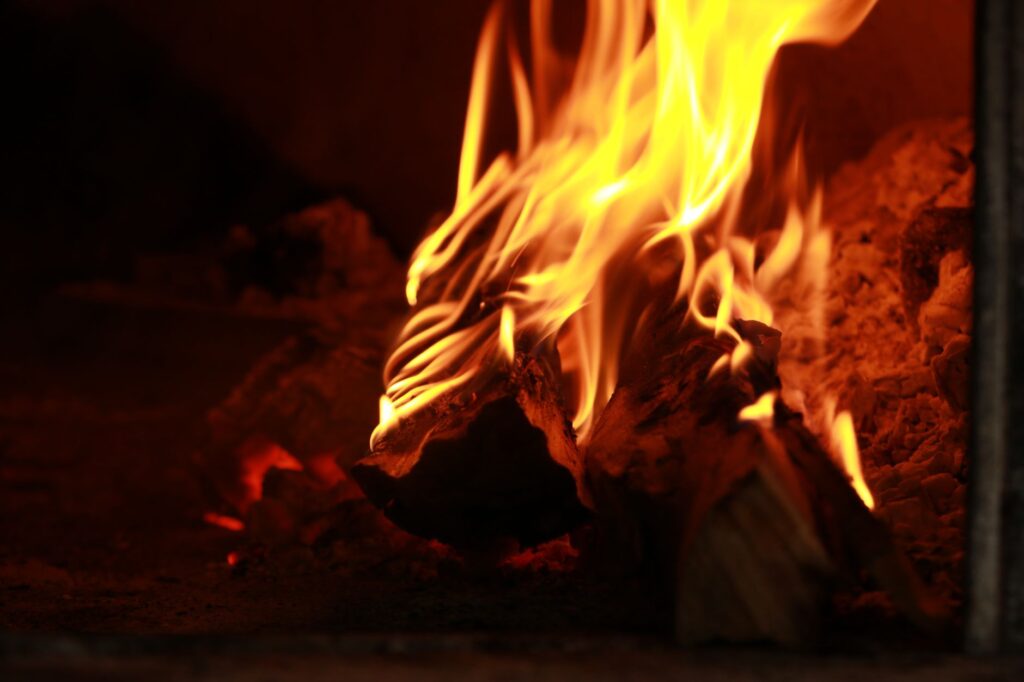
The culmination of the pottery process is firing, a physical-chemical phenomenon where science merges with ancestral ritual. Unlike conventional ceramics, which seek an oxidizing atmosphere to fix bright colors, black pottery requires a deliberate suffocation of the fire. When the kiln reaches temperatures near one thousand degrees Celsius, the wood-feeding mouths are hermetically sealed with fresh clay and sand, depriving the interior of oxygen. In this suffocating environment, carbon monoxide strips oxygen from the iron oxides present in the clay, transforming the original earthy red into an intense, permanent black.
This millimetric control of the interior atmosphere demands constant vigilance that can stretch for over twenty-four uninterrupted hours. Master artisans monitor the color of the flame escaping through cracks and listen to the crackling of beech and oak logs.
«The kiln is not a passive tool; it is a living organism in dialogue with the valley’s climate, the humidity of the wood, and the temperament of the ceramist,»
notes Mikel Garaikoetxea, a leading figure in recovering these techniques in Gipuzkoa. The final result relies on intuition honed through decades of trials and errors.

Contemporary Design and the Architecture of Habitat
Far from limiting itself to reproducing agricultural tools and traditional domesticware, the renaissance of Bisalde black pottery has found fertile ground in interior design and haute cuisine. European architects and interiorists value the tactile singularity of these dark surfaces, capable of absorbing light and bringing organic sobriety to inhabited spaces. Wall-cladding panels, sculptural lighting fixtures, and author tableware conceived for avant-garde chefs now form part of the new production catalog of these rural studios.
This transition toward contemporary design has not diluted the craft’s identity; rather, it has provided new economic and cultural relevance. Creators collaborate closely with technological research centers to certify the durability and food safety of their pieces, demonstrating that traditional craftsmanship can meet the strictest global market standards without abandoning principles of human scale and limited production.

Radical Sustainability and Zero Carbon Footprint
In an era marked by climate crisis, Bisalde pottery stands as a paradigmatic model of radical sustainability. The entire production cycle takes place within a radius of a few kilometers: clay is extracted from local low-impact quarries, the firewood comes from sustainable clearings of communal forests managed by valley councils, and the energy used is exclusively thermal and natural. There is no transoceanic transport of raw materials, nor are there toxic chemical processes in glazing.
Furthermore, pieces broken or flawed during firing are not discarded as inert rubble, but crushed and integrated as grog into new batches of clay, closing a circle of circular economy practiced in Basque farmhouses long before the modern term was coined.
«Our ecological footprint is practically nil because we return to the earth the exact same respect we take from it,»
reflects ceramist Ane Mendizabal from her studio on the slopes of Mount Ernio.
Cultural Tourism and the Value of Slowness
The rise of this discipline has quietly transformed the tourism geography of interior Gipuzkoa. Travelers from across the continent arrive in search of deep cultural immersion, far from coastal mass tourism. Traditionally hermetic workshops open their doors by appointment to offer hands-on workshops, lectures on local geology, and guided routes along ancient potters’ paths. This form of active cultural tourism encourages seasonality extension while generating direct and fair economic flows for local rural communities.
Regional and local institutions have begun establishing heritage protection networks to ensure this knowledge does not vanish. Residency grants for young creators from international art schools have been introduced, fostering an exchange of knowledge that enriches local tradition with global aesthetic contributions without compromising its tectonic essence.
Practical Information for the Conscious Traveler
Planning a visit to the Bisalde black pottery workshops requires a respectful and methodical approach, given that most are active family studios operating outside commercial retail hours. The best time to tour the Bidasoa and Goierri valleys spans spring and autumn, when weather favors walking trails and kiln activity intensifies after the summer lull.
- Getting There: Primary access is via rental car from San Sebastián or Bilbao, taking the network of secondary roads ascending into the interior valleys. Public transport serves major towns, but a private vehicle is strongly advised to reach isolated mountain workshops.
- Accommodation: Prioritize stays in traditional Basque guesthouses (nekaturismoa) integrated within restored farmhouse networks, ensuring direct socioeconomic impact on local communities.
- Reservations and Visits: Workshop visits must be requested weeks in advance through regional cultural associations or directly with artisans, always respecting rigorous firing schedules.
- Acquiring Pieces: Due to the complexity of the process, production is limited. Visitors should avoid haggling and appreciate the fair price of a unique object incorporating weeks of manual labor and accumulated wisdom.
Epilogue: The Persistence of Matter
The renaissance of Bisalde black pottery transcends mere aesthetic anecdote; it represents the silent victory of slowness over the dizzying obsolescence of our time. In the hands of these Basque artisans, the humble clay of the mountain becomes an archive of collective memory, a bridge stretched between the territory’s geological past and future aesthetic aspirations. As long as kilns continue to ignite in the dimness of the valleys, fueled by forest timber and the unalterable pulse of the craft, fire will continue to tell the earth’s oldest story shaped by human hands.