Introduction to the Oceanic Frontier
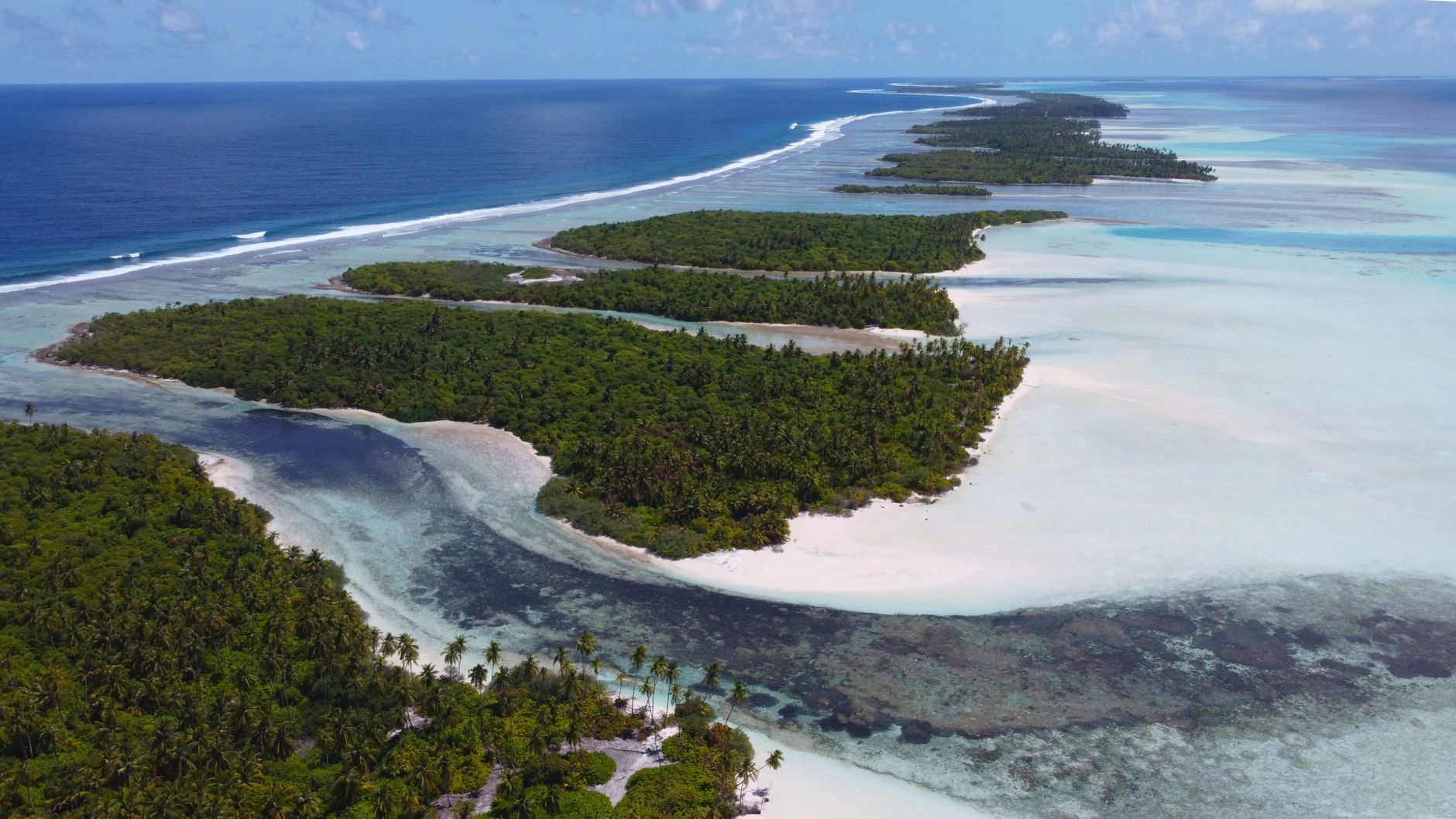
The South Pacific conceals a territory where time seems measured by the frequency of tides and the passage of supply freighters. Far from the mass-market circuits of conventional sun-and-sand tourism, the Cook Islands represent a unique model of insular sovereignty and fragmented connectivity. This self-governing archipelago in free association with New Zealand faces a monumental logistical challenge: keeping fifteen dispersed islands united across an oceanic surface of over two million square kilometers. For decades, maritime transport has been the indispensable umbilical cord for moving freight, construction materials, and local travelers, operating under a complex coastal cabotage network that rarely features in promotional brochures.
In recent years, the imperative to balance economic development with environmental preservation has placed transport infrastructure at the core of political and social debate. Unlike other oceanic destinations that have pursued unbridled airport expansion, the Cooks are transitioning toward a model of low-density tourism. This strategy requires rethinking how visitors move between the main island of Rarotonga and the outer atolls, known locally as the Southern and Northern Groups. The shift toward a more efficient fleet and the upgrade of peripheral docks aims not only to stimulate the local economy but also to secure the demographic survival of communities critically dependent on external exchange.
The Geography of Isolation and Logistical Dependency
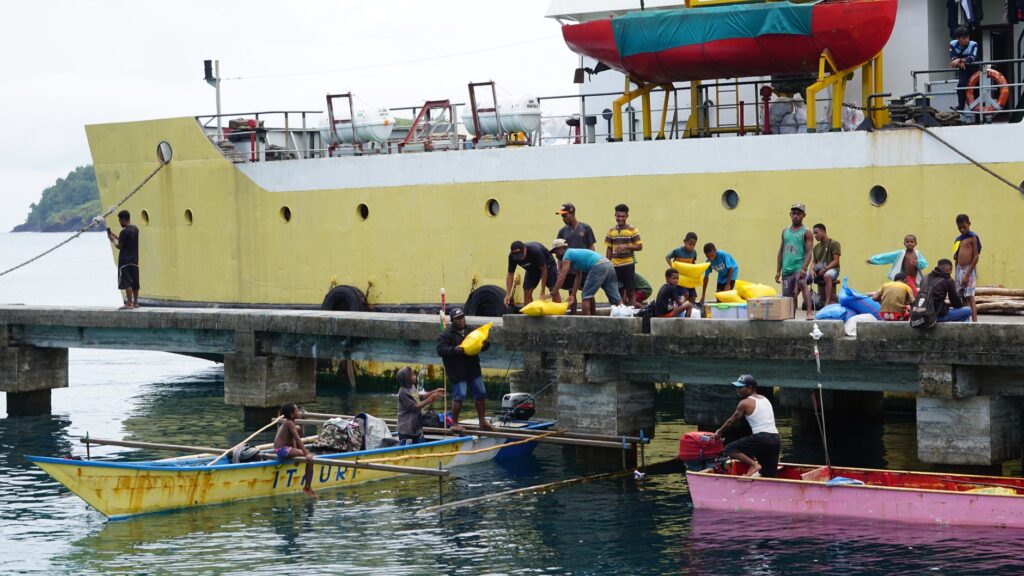
Understanding the reality of the Cook Islands requires confronting the unrelenting dimensions of their geography. Rarotonga, the administrative and commercial hub, concentrates the vast majority of tourism infrastructure and resident population. However, the true cultural pulse of the archipelago beats in the northern atolls, such as Penrhyn or Pukapuka, situated several days of navigation away under favorable weather conditions. For these remote communities, the boat is not a recreational asset, but the sole lifeline connecting them to the outside world. Disruptions in maritime routes—frequently caused by tropical cyclones or mechanical failures in mixed cargo vessels—trigger temporary shortages of fresh produce and isolate residents from advanced medical services.
The reliance on imported fuel and basic supplies sets the rhythm of everyday life. Local logistics operators work within very narrow margins, dealing with the obsolescence of historical colonial-era ports. In this context, the tourism sector acts as a dual agent: on one hand, it provides the necessary revenue to co-finance port upgrades; on the other, it exerts additional pressure on an already fragile supply chain. Managing this latent tension constitutes the core of the island government’s transport policy, which attempts to safeguard ecological equilibrium against the demands of a global market increasingly eager for remote experiences.
The Cabotage Fleet: Between Tradition and Modernization
The operational heart of connectivity within the archipelago lies in its coastal vessels, popularly known as copra and supply boats. Traditionally, these ships combined heavy cargo holds with rudimentary bunks for intrepid travelers willing to endure multi-day crossings in open seas. Today, the gradual introduction of higher-capacity multi-purpose vessels marks a turning point. These new units incorporate more precise satellite navigation systems and improved habitability conditions, enabling a flow of independent travelers seeking to explore Aitutaki or Atiu without relying exclusively on expensive domestic flights.
However, fleet modernization faces considerable financial and technical barriers. Maintaining vessels in a highly corrosive marine environment demands specialized spare parts that must be imported from New Zealand or Australia, drastically driving up operating costs. Furthermore, training local crews specialized in automated cargo handling represents a persistent challenge for the archipelago’s educational institutions. Despite these hurdles, investment in sustainable maritime transport is seen as an inescapable priority to reduce the sector’s carbon footprint and ensure that the economic benefits of tourism effectively reach the most distant corners.
Transport in remote islands is not a matter of tourist convenience, but of demographic survival and territorial cohesion.
Rarotonga and Aitutaki: The Contrast of Gateways
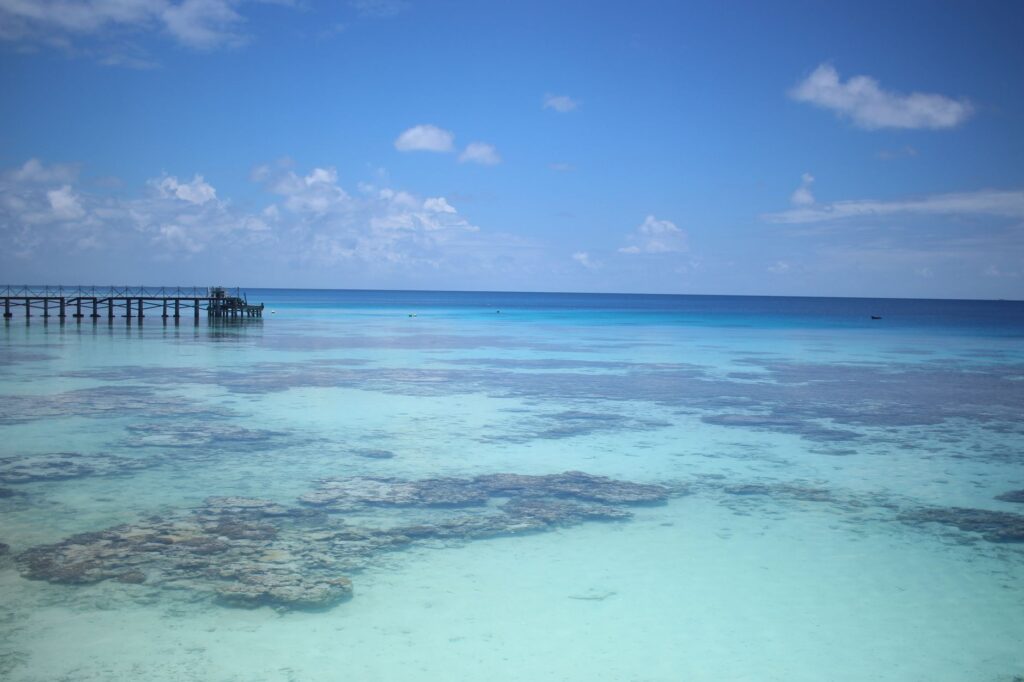
The duality between Rarotonga and the rest of the archipelago defines the contemporary traveler’s experience. While Rarotonga features a coastal road of just thirty-two kilometers that can be easily explored via public bus or scooter, Aitutaki operates under an entirely different logic. Famous for its crystal-clear turquoise lagoon, Aitutaki relies equally on regular air connections and internal water transport services linking peripheral islets or motus. Managing carrying capacity in these fragile lagoon ecosystems has compelled local authorities to implement strict regulations on the number of recreational vessels permitted simultaneously on the water.
This spatial differentiation allows visitor flows to be channeled in an orderly fashion. In Rarotonga, road infrastructure bears the brunt of tourism impact, though urban mobility plans already contemplate the progressive electrification of public transport and the promotion of recreational cycling. In Aitutaki, the approach is radically conservationist: boat excursions are regulated through strict quotas managed in collaboration with local elder councils, or Koutu Nui, ensuring cultural traditions and customary sea ownership rights are rigorously respected.
The Role of Regional Aviation as a Critical Complement
Although maritime transport sustains the baseline economy, regional aviation operated primarily by Air Rarotonga constitutes the indispensable rapid link for the tourism industry and medical emergencies. Daily flights between Rarotonga and Aitutaki, alongside occasional connections with southern atoll islands like Mangaia and Mitiaro, bridge distances that by sea would require entire days of navigation. Nonetheless, dependence on short airstrips, many with unpaved surfaces on the smaller islands, imposes severe limitations on the types of aircraft usable and payload capacity.
The synchronization between island flight schedules and the arrivals of large international aircraft from Auckland, Sydney, or Los Angeles is an exercise in logistical precision. Any weather disruption—such as a sudden storm front—can unravel hotel bookings and traveler itineraries, forcing tour operators to maintain highly flexible contingency plans. This intrinsic vulnerability reinforces the thesis that traveling to the Cook Islands demands a patient attitude respectful of the oceanic environment’s natural rhythms.
Energy Sustainability and Mobility Transition
On the environmental front, the Cook Islands have set ambitious targets to reduce their reliance on fossil fuels both onshore and at sea. Pilot projects to power smaller vessels using solar energy and hybrid systems are gradually transforming the image of traditional cabotaje. Likewise, the network of electric vehicle charging stations in Rarotonga is advancing steadily, spurred by government subsidies and international cooperation agreements with Pacific powers like New Zealand.
This energy transition is not merely a statement of ecological intent; it responds to an imperative economic need in the face of historical volatility in international oil prices. For the travel sector, this translates into an offering increasingly consistent with the principles of sustainable development. Visitors can witness firsthand how local communities integrate solar panels into port infrastructure and promote the use of kayaks and traditional sailboats for recreational activities in the inner lagoons.
Practical Information for the Conscious Traveler
Planning a trip to the Cook Islands requires shedding the rigidity of continental itineraries and adopting an adaptive mindset. Below are essential guidelines for a respectful and smooth experience:
International Air Connectivity: The main gateway is Rarotonga International Airport (RAR). Air New Zealand and Jetstar operate regular flights from Auckland, Sydney, and Honolulu. Booking months in advance during the dry season (May to October) is essential.
Internal Travel: To fly between Rarotonga and Aitutaki, Air Rarotonga is the sole operator. Combined tickets usually offer better rates if purchased alongside the international leg.
Passenger Maritime Transport: While cargo ships accepting passengers to outer islands exist, they do not operate on strict tourist schedules. Consulting directly with the Cook Islands Port Authority or local agencies in Avarua to verify availability and safety conditions is recommended.

Local Land Mobility: In Rarotonga, public buses run in two directions (Clockwise and Anti-Clockwise) covering the entire island. Renting a scooter requires a valid driver’s license and, in many cases, passing a mandatory practical test at the local police station.
Cultural and Environmental Respect: The use of reef-safe sunscreens is highly recommended and, in certain protected areas, mandatory. Always respect terrestrial and marine private property, often demarcated by traditional fishing rights or raui.
Visual Close and Final Reflection
The sunset over the Aitutaki lagoon, observed from the deck of a small traditional catamaran or from the shore of white coral, encapsulates the essence of this archipelago. The Cook Islands demonstrate that resisting the inertias of mass tourism is possible through rigorous territorial management and a courageous commitment to sustainable connectivity. The traveler who reaches this destination understands that true luxury lies not in the speed of movement, but in the privilege of participating, however ephemerally, in a delicate oceanic balance that survives thanks to the daily efforts of its communities.
Traveling to the heart of the South Pacific demands accepting that the rhythm of the territory is never negotiated: it is respected and shared.