

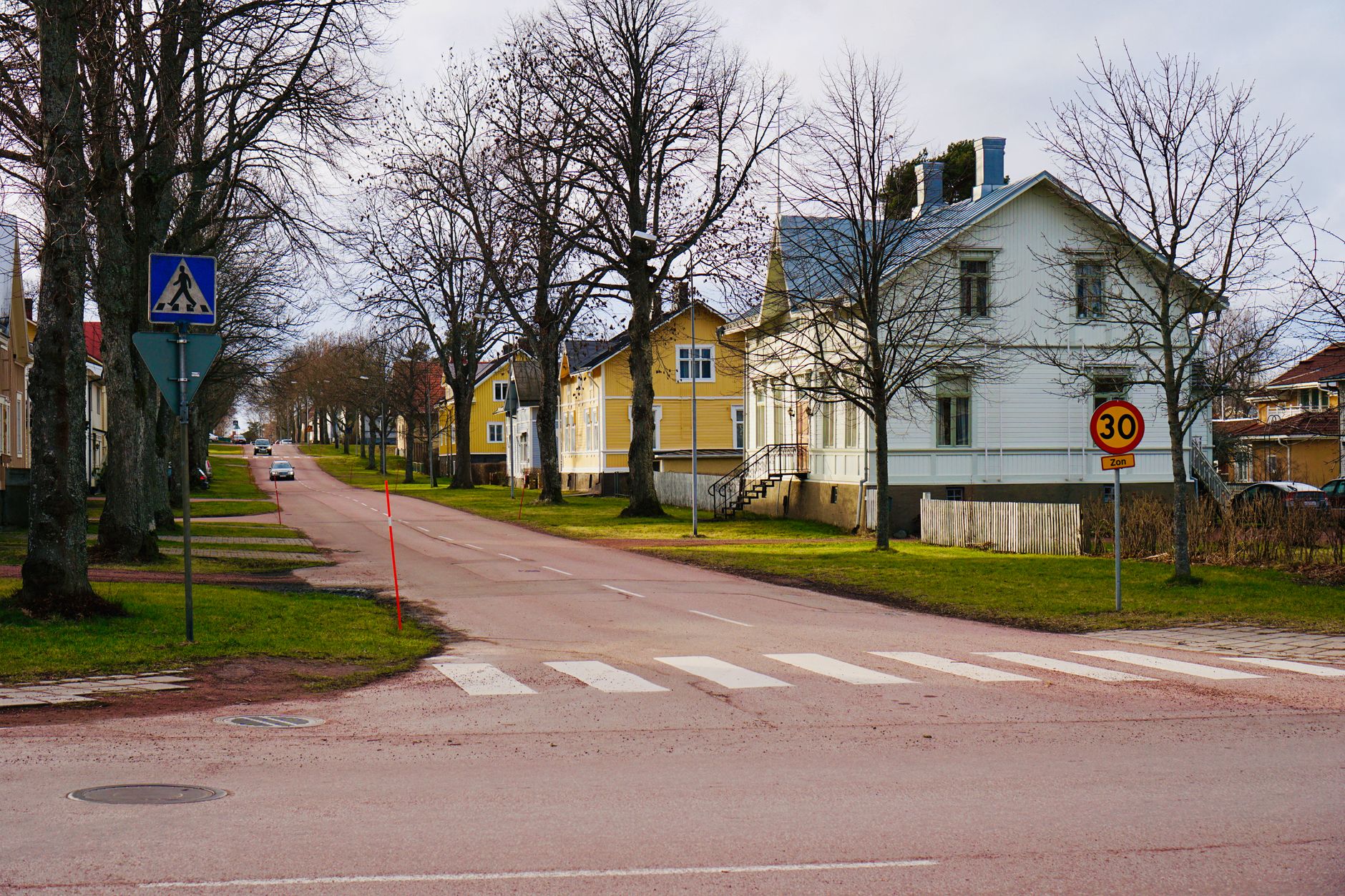
Introduction to the Archipelago and Its Mobility Crossroads
In the Baltic Sea, nestled between the Swedish mainland and the southwestern coast of Finland, lies a unique island territory composed of more than six thousand islands, islets, and reefs: the Åland Archipelago. With its capital, Mariehamn, concentrating a large portion of the population, the territory functions as an autonomous, Swedish-speaking region with a deep-rooted tradition of local self-governance. Unlike major European metropolises, where the transition to sustainable mobility is primarily driven by traffic congestion and large-scale emission reduction, Åland faces a logistical challenge of human scale yet immense geometric complexity: keeping dispersed communities across inhabited islands connected without disrupting the fragile balance of their natural environment.
For decades, transportation throughout the archipelago relied on a fleet of conventional fossil-fueled buses and a network of ferries linking the main islands. However, the fragmented geography and the ambitious climate targets adopted by the autonomous government—aiming for complete carbon neutrality long ahead of European Union deadlines—forced a complete rethinking of terrestrial mobility. This was not merely a matter of swapping combustion engines for batteries, but of redefining the relationship between residents, visitors, and the landscape through an integrated network of electric buses and demand-responsive transport services.
This report examines how Åland has transformed its regional public transport network, incorporating next-generation electric fleets, local wind-powered charging stations, and digital planning platforms that prioritize the needs of island communities. Through this ongoing evolution, the archipelago has established itself as a living laboratory for sustainable mobility applicable to isolated and rural regions worldwide.
The Territory and Its Fragmented Geography
Understanding the magnitude of the challenge in Åland requires a detailed look at the map. While the main island, known as Fasta Åland, features the primary highway infrastructure and the highest concentration of daily traffic, the archipelago fans out to the east into a labyrinth of rocks, bridges, causeways, and smaller islets where life moves at a deliberate pace. Municipalities such as Sottunga, Kökar, and Brändö host small but deeply rooted communities where the loss of a daily transport connection threatens not just local economic activity, but the long-term survival of the community itself.
The flat topography, fully exposed to harsh Baltic weather—featuring rigorous winters, strong winds, and sub-zero temperatures for several months—adds a layer of technical difficulty for electric vehicles. Traditional battery performance suffers significant degradation in extreme cold, prompting engineers and regional planners to design specific thermal management strategies and charging hubs distributed strategically along rural routes.
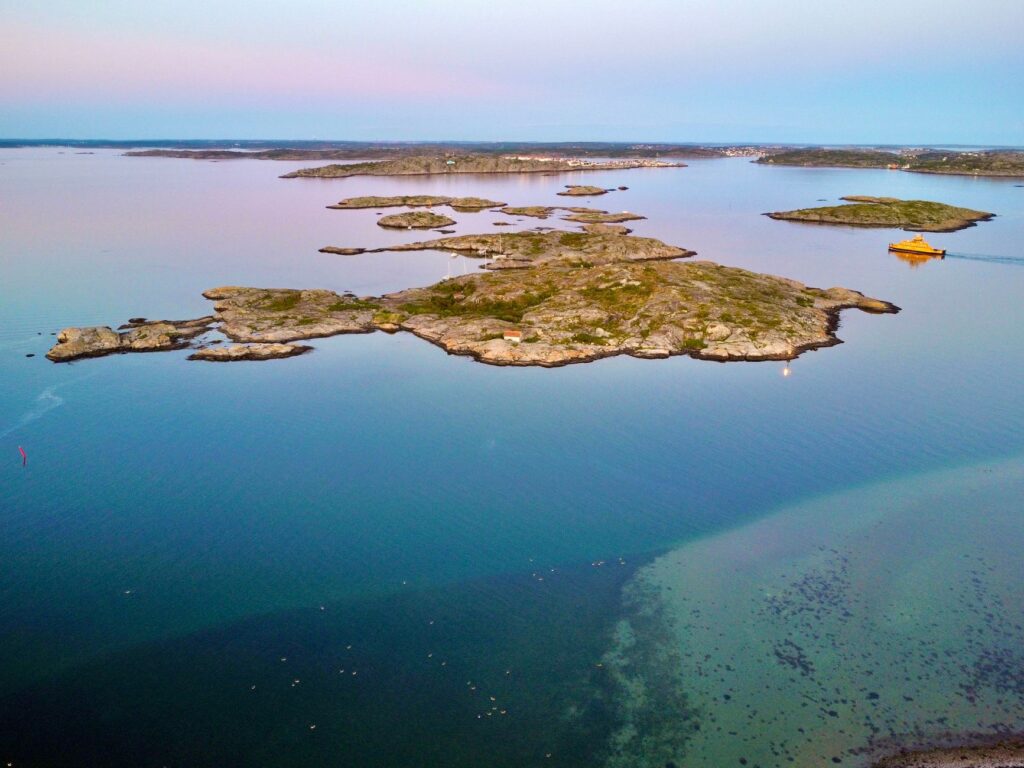
Low and dispersed population density precluded the replication of mass transit models found in major cities. Instead, the regional government opted for a modular framework: high-capacity trunk electric bus lines connecting Mariehamn with major ferry terminals, complemented by micro-buses and flexible, demand-responsive services operating in the more remote islands of the eastern archipelago.
The Transition Toward an Electric Terrestrial Fleet
The turning point in Åland’s land mobility began with the comprehensive renewal of the regional public transit concession. Local authorities established stringent procurement criteria mandating the progressive electrification of the fleet until one hundred percent of urban and intercity routes achieve zero emissions ahead of the decade’s end.
Transport operators, working closely with Nordic bus manufacturers, introduced vehicles specifically engineered to withstand northern European climatic conditions. These units incorporate advanced regenerative braking systems and efficient heat pumps to regulate cabin temperatures without draining primary traction batteries. Furthermore, interior designs prioritize universal accessibility, allowing seamless boarding for passengers with reduced mobility, bicycles, and lightweight cargo carts, which are essential for residents combining bus travel with ferry crossings.
Charging infrastructure has been deployed primarily using locally generated renewable energy. Åland boasts significant wind power production, both onshore and in nearby small marine wind farms, alongside a growing share of rooftop solar installations on public and private buildings. This synergy between renewable generation and the energy consumption of the electric fleet guarantees that emission reductions are real and direct, avoiding the shifting of carbon footprints to mainland fossil fuel plants.
Social Cohesion and the Role of Island Communities
One of the most remarkable aspects of Åland’s transport transformation is the active role local communities played in shaping route designs. Rather than imposing a centralized model from the capital, regional authorities initiated neighborhood dialogue tables in every island municipality to identify genuine travel needs.
On islands like Kökar, where residents depend on public services in Fasta Åland for medical, educational, or administrative purposes, optimizing electric bus schedules to align with ferry departures has drastically reduced waiting times and winter travel uncertainty. This restored reliability has directly impacted youth retention and the viability of small local businesses that previously suffered from seasonal isolation.
blockquote>Mobility in an archipelago is not merely a logistical service; it is the social glue that keeps families united and ensures island life remains viable in the face of rural depopulation.
Additionally, car-sharing initiatives and multimodal hubs have been established where electric buses intersect with community-managed public bicycles, fostering a soft mobility ecosystem that benefits permanent residents and the growing influx of visitors interested in low-intensity tourism.
Charging Infrastructure and Energy Challenges
Integrating a heavy electric bus fleet into a relatively isolated island power grid presents complex technical challenges. Unlike mainland grids that easily absorb demand peaks, Åland’s electrical network functions as an interconnected yet limited system linked to Sweden and Finland via subsea cables.
To prevent overloading the grid during peak residential consumption hours, transport operators have deployed smart charging systems and stationary energy storage. The main depots in Mariehamn utilize second-life batteries harvested from electric passenger vehicles, which charge slowly overnight or during periods of high wind generation and discharge rapidly to recharge buses during maintenance and overnight rest periods.
This smart microgrid model not only optimizes the operating costs of public transit but also adds stability to the broader island electrical system, demonstrating that transport and energy planning must be approached as a single, integrated ecosystem.
Sustainable Tourism and the Traveler Experience
For travelers arriving in Åland, the transformation of land transport represents a fundamental shift in how the archipelago is experienced. The elimination of diesel engine noise and the sharp reduction of emissions in urban and rural hubs have restored a tranquil atmosphere to secondary roads, aligning perfectly with the philosophy of slow travel.
Unified mobility applications allow visitors to plan complex intermodal journeys—combining electric buses, regional ferries, and cycling—using a single digital interface and an integrated ticket. This user-friendly approach has encouraged a significant percentage of summer visitors to leave personal vehicles on the mainland or in Mariehamn, exploring smaller islands via public transit and active mobility.
This strategy not only dampens the environmental impact of seasonal tourism on fragile natural habitats, but also distributes the economic benefits of tourism more equitably among island communities that historically remained outside major commercial circuits.
Practical Information for Sustainable Travel in Åland
Planning a journey across the Åland Archipelago exclusively using its sustainable public transport network requires some preparation, particularly outside the peak summer season.
General Connectivity: Mariehamn features regular flight connections and daily ferry services from Sweden (Kapellskär and Stockholm) and Finland (Turku and Helsinki).
Bus Network (Linas trafik): The intercity network connects the capital with all regions of Fasta Åland via electric and low-emission buses managed by local operators.
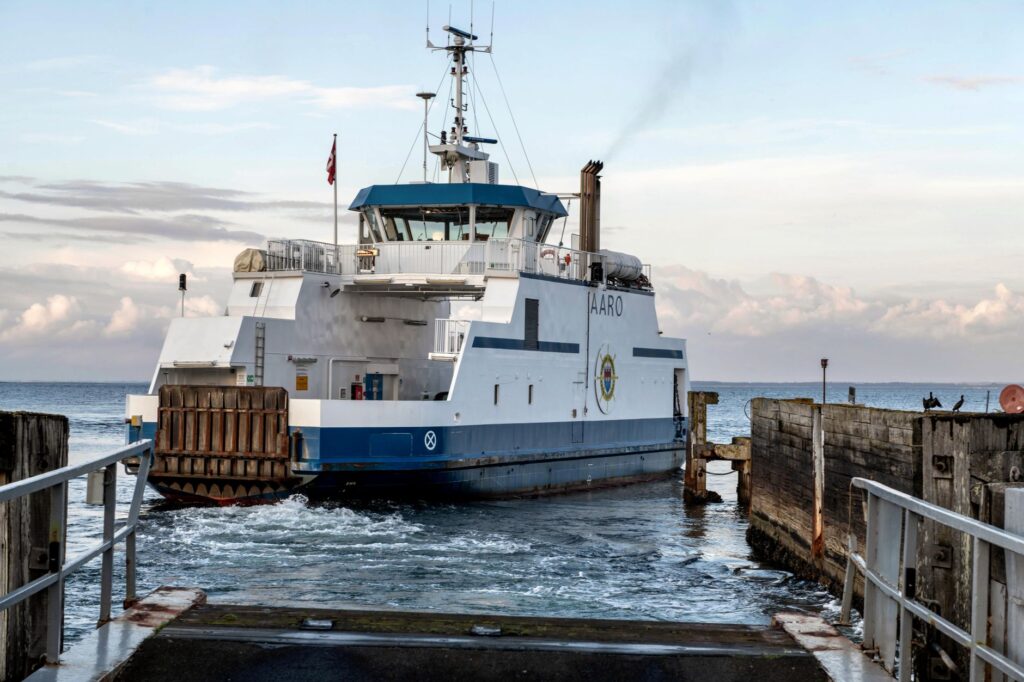
Regional Ferries (Skärgårdstrafiken): Ferries linking the eastern archipelago islands are free of charge for foot passengers and cyclists, though vehicle space reservations are strongly recommended for motorists.
Demand-Responsive Mobility: On smaller islands like Sottunga and Kökar, flexible micro-bus services operate upon request and must be booked in advance via the regional call center or official mobile app.
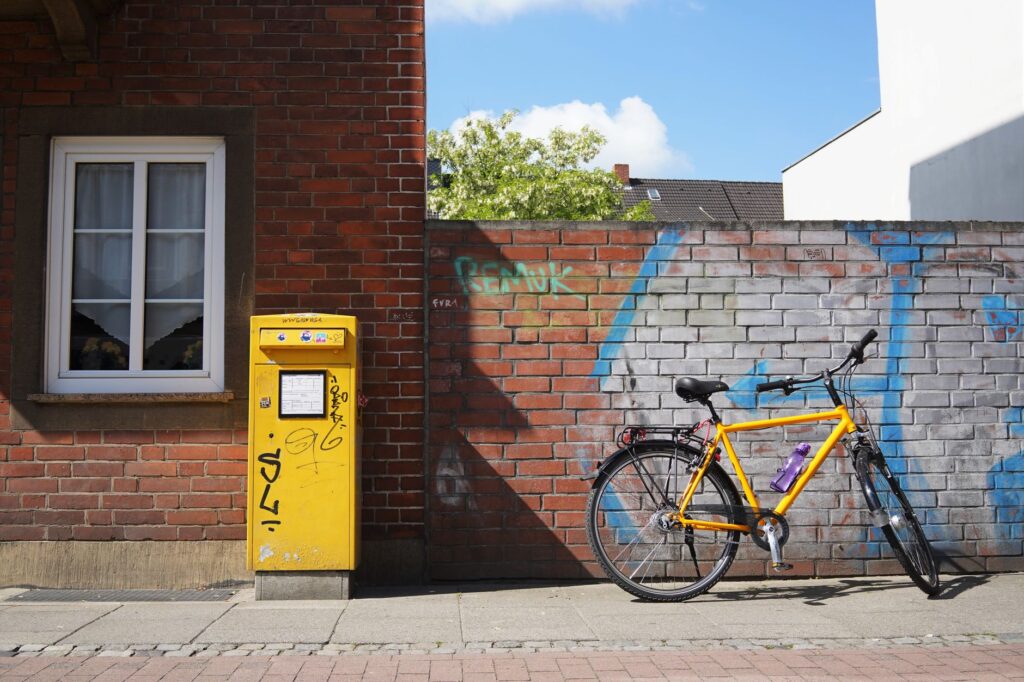
Bicycles and Complementary Services: The network of bike paths and rural roads is extensive and safe; most regional buses accommodate bicycles on front racks or luggage compartments at no extra charge.
Visual Conclusion and Final Reflections on Island Futures
The Åland Archipelago proves that the transition toward truly sustainable mobility is not an exclusive privilege of large urban centers, but an exercise in political will, spatial design, and community commitment. By transforming their buses into rolling nodes of clean energy and social cohesion, these Baltic islands have charted a course that transcends their own geographical borders.
blockquote>The future of island regions does not lie in imitating the model of major metropolises, but in leveraging their human scale to build smarter, more humane transport networks that respect their surroundings.
As the Baltic sun reflects off the solar roofs of the Mariehamn bus depots and a silent vehicle sets out on its route toward the edge of the archipelago, Åland confirms that decarbonization can successfully advance hand in hand with the preservation of a unique way of life deeply tied to the sea.

