
The Architecture of Stone and Water
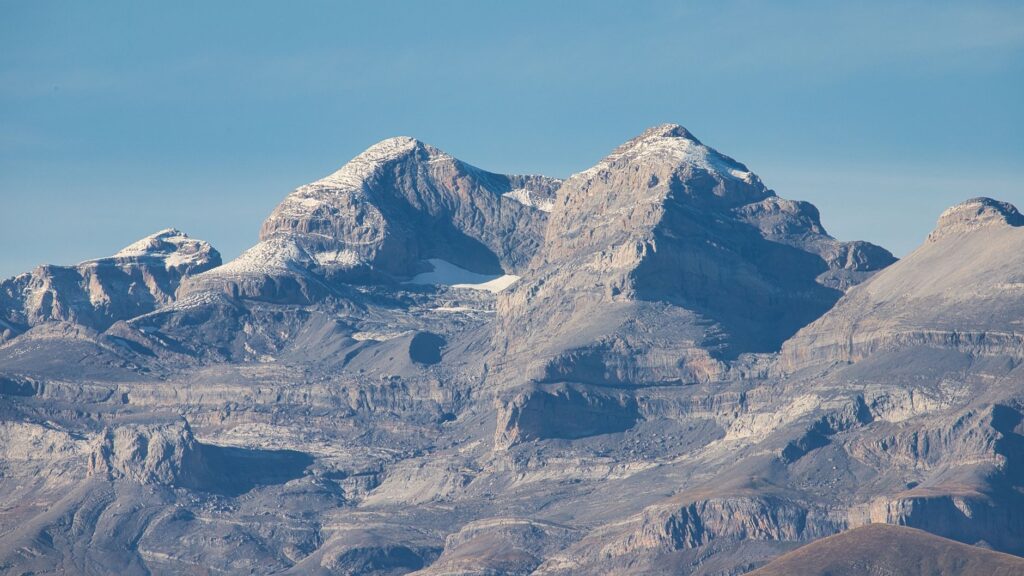
Hidden within the rugged Aragonese Pyrenees lies a compendium of geological history that defies human transience. At the heart of this mountain range stands Ordesa and Monte Perdido National Park, a sanctuary where limestone sculpted by Quaternary glaciers carves a landscape of vertical walls, hanging cirques, and U-shaped valleys. The magnitude of this territory resides not merely in its altitude—with the towering Monte Perdido peak reaching 3,355 meters—but in the complex interplay between plate tectonics and water erosion that, over millions of years, has fractured the Earth’s crust to create a canyon system unique in southern Europe.
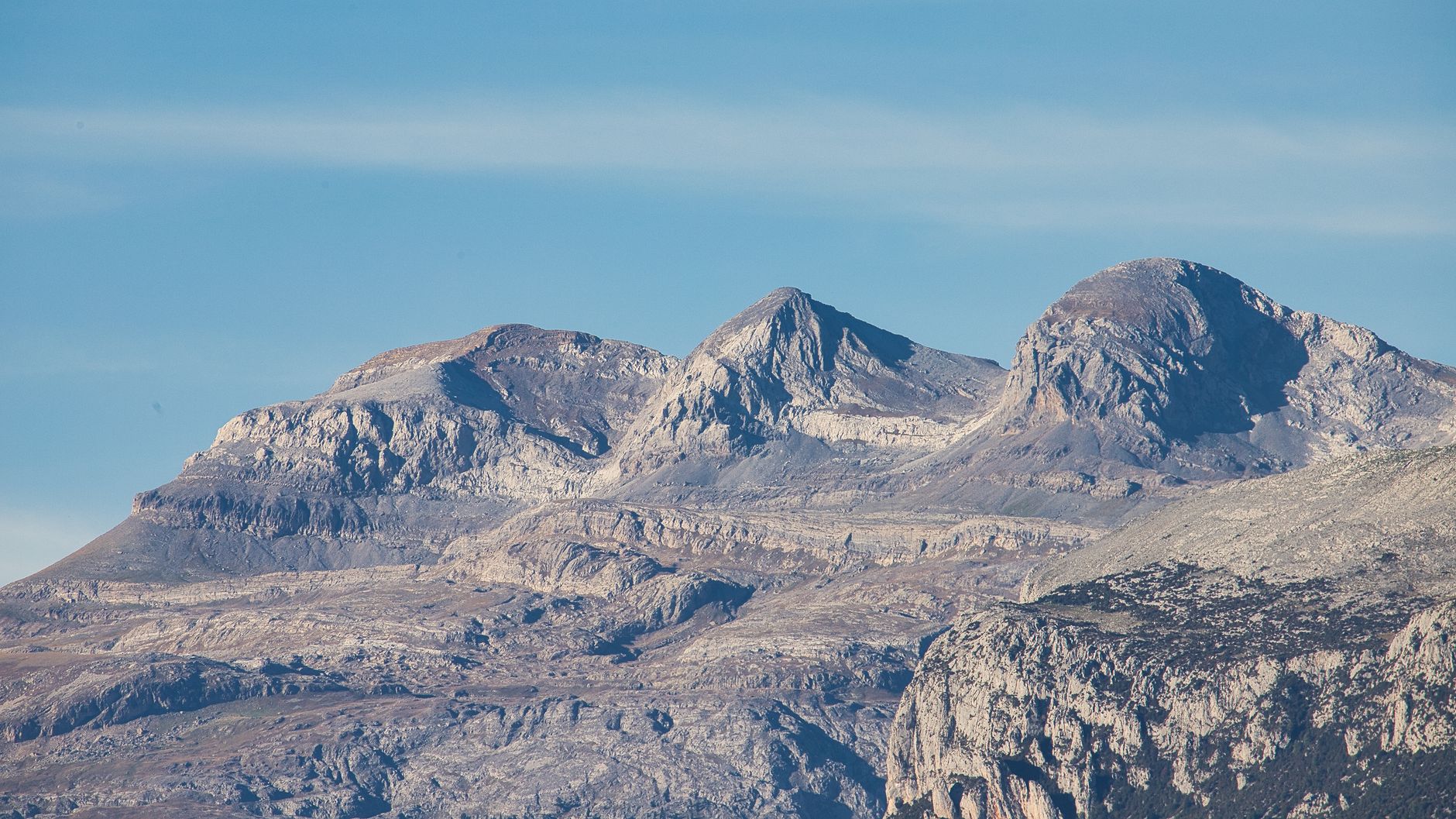
Understanding Ordesa requires abandoning the superficial gaze of the weekend tourist to adopt the perspective of the geologist or naturalist. The rocks that shape these summits were originally sediments deposited at the bottom of a tropical sea during the Cretaceous and Paleogene periods. The subsequent collision between the Iberian and Eurasian plates lifted these sea floors toward the sky, an alpine orogeny phenomenon that explains why marine fossils can be found at over three thousand meters of altitude. This sedimentary origin endows the landscape with a characteristic ochre and greyish hue, where horizontal strata resemble the pages of an ancient book opened by wind and frost.
The Labyrinth of Canyons and Glacial Valleys
The park’s most distinctive feature is unquestionably its network of river canyons. The Arazas River flows along the floor of the main Ordesa Valley, patiently carving a bed that contrasts with the apparent aridity of the surrounding rock walls. Parallel to this main trough extend the Añisclo, Escuaín, and Pineta valleys, each boasting a distinct morphology shaped by the intensity of ancient glaciers and the specific lithology of its basin. These canyons act as climatic and ecological corridors, harboring everything from beech and fir forests typical of central Europe to rupicolous plant species adapted to scarce soil and extreme solar radiation.
Glacial dynamics left an indelible mark on the relief. Glacial cirques, such as Soaso at the head of the Ordesa Valley, culminate in iconic waterfalls like the Cola de Caballo (Horse’s Tail), where water plunges over limestone strata in a constant display of erosive force. Throughout recent history, progressive global warming has altered the hydrological regime of these watercourses, drastically reducing permanent snowpatches and compelling the scientific community to closely monitor the health of underground aquifers feeding the local karst system.
The Hunters’ Trail and the Vertical Challenge
Venturing into the park’s high mountains requires respect and technical preparation. The Senda de los Cazadores (Hunters’ Trail), which climbs in switchbacks from the Ordesa meadow to the Calcilarruego viewpoint, stands out as one of the most demanding and rewarding routes in the Pyrenees. This aerial path, literally suspended over an abyss more than 600 meters above the valley floor, offers an unparalleled zenith perspective of the Pelay ledge and the border ridges with France. It is far from a casual recreational stroll; rather, it is a historical route utilized by local shepherds and hunters that now serves as the backbone for technical hiking.
Navigating these itineraries tests the walker’s physical condition as well as their commitment to environmental preservation. Rockfall, driven by freeze-thaw cycles and accelerated by uncontrolled human traffic, constitutes one of the greatest headaches for protected area managers. Landslides demand constant trail maintenance and rigorous marking of dangerous passages, reminding visitors that the alpine environment remains an untamed and unpredictable wilderness.
Biodiversity at Heights: Flora and Rupicolous Fauna
Despite the apparent severity of the limestone rock, Ordesa and Monte Perdido teems with biodiversity adapted to harsh mountain climates. Alpine grasslands and rocky ledges harbor botanical endemics exclusive to the Pyrenees, such as the emblematic Saxifraga pentadactylis or the delicate edelweiss (*Leontopodium nivale*), strictly protected against poaching. These plants have developed notable physiological mechanisms to withstand summer drought, strong winds, and low winter temperatures, turning every patch of bare rock into a microhabitat of survival.
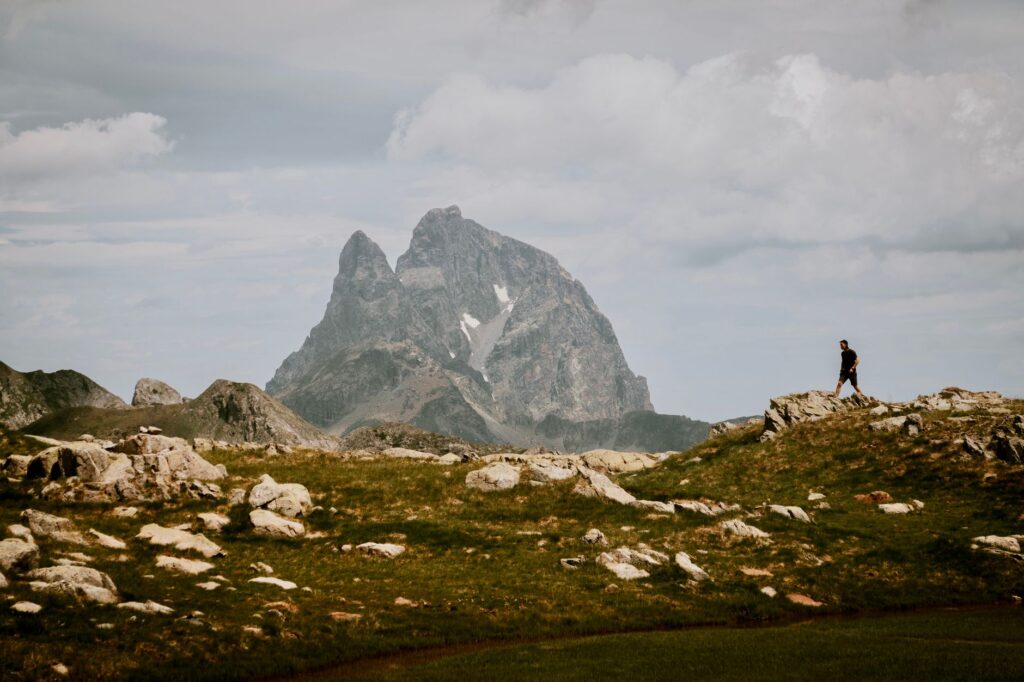
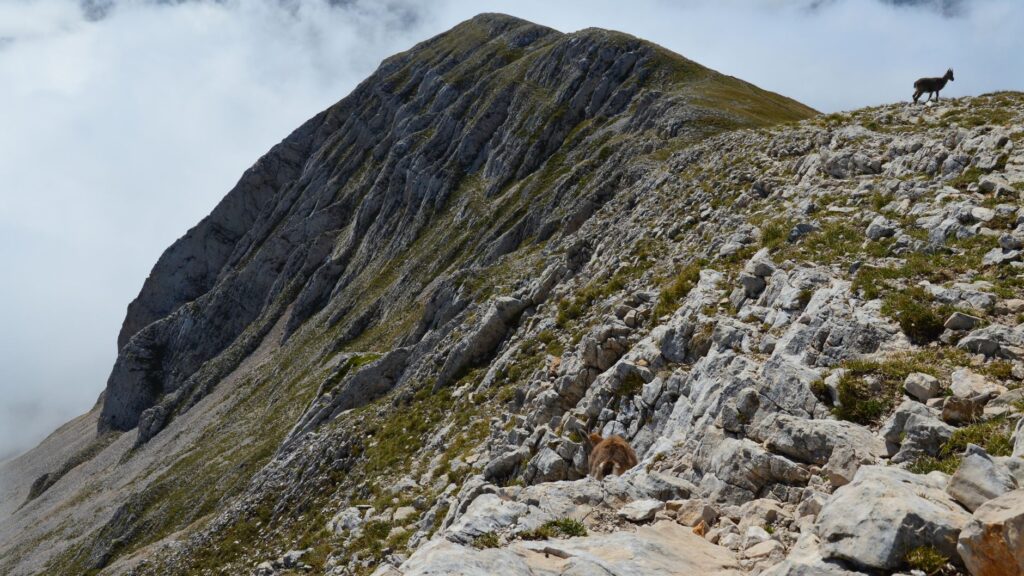
Faunistically, the undisputed symbol of the park is the Pyrenean chamois or *isard*, an agile leaper mastering ridges and scree slopes with astonishing dexterity. Alongside it, the bearded vulture (*Gypaetus barbatus*) cruises the skies in search of bones for sustenance, utilizing thermal currents to glide over canyons with an impressive wingspan. The historical recovery of this scavenger raptor in the Aragonese Pyrenees constitutes one of Europe’s greatest conservation successes, though it remains threatened by human disturbance in nesting areas and the historical use of poisons in peripheral zones.
«The true dimension of high mountains is measured not by the altitude of their summits, but by the fragility of the biological balances that sustain their silence.»
Ethnographic Heritage and Pastoral Memory
The landscape of Ordesa is not merely the result of geological and biological forces; it is also a territory shaped over centuries by human hands. Extensive sheep and cattle ranching has defined high-altitude pastures through seasonal transhumance, a system of sustainable land use that prevented forest closure and maintained an open mosaic landscape. Ancient stone shepherd huts, cobbled paths, and shelters bear witness to a subsistence culture that successfully adapted to the rigors of a geographically isolated environment.
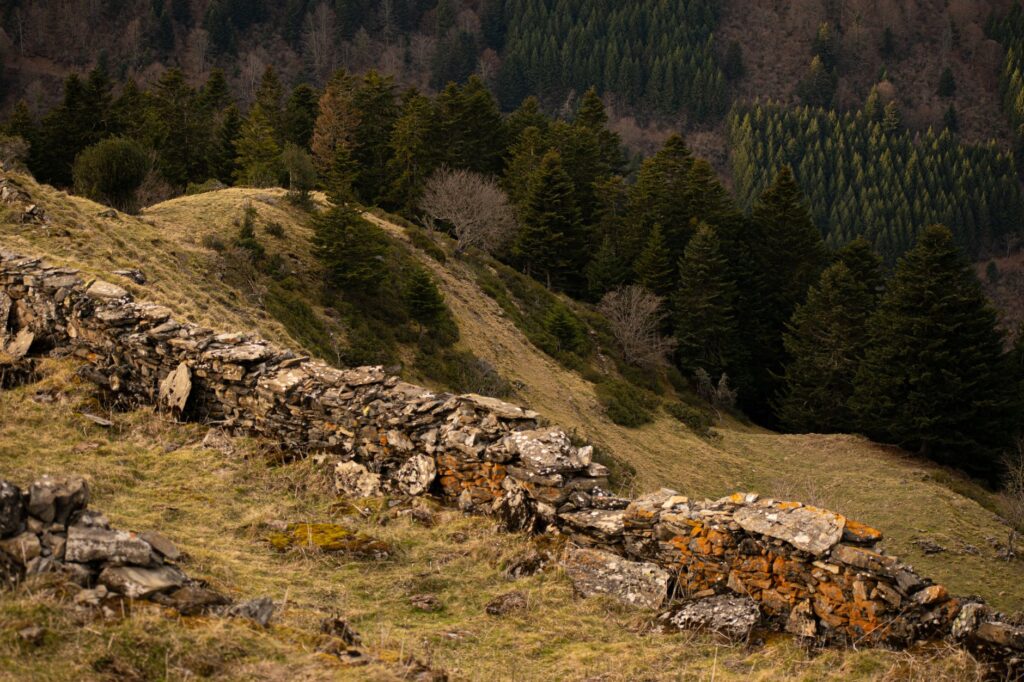
Today, generational change in the livestock sector threatens this traditional land management. Without the controlled grazing and trampling of livestock, shrubs and brush encroach upon alpine grasslands, reducing floristic biodiversity and altering wildfire regimes. Current conservation programs integrate the knowledge of local shepherds as an indispensable tool for preserving the park, recognizing that passive conservation—mere prohibition of use—often fails against the natural dynamics of mountain ecosystems.
Sustainability and Mass Tourism in the Pyrenees
The touristic success of national parks raises a complex dilemma: how to reconcile the public’s right to enjoy nature with the strict preservation of the ecological values that justified their protection. During summer months, visitor pressure in the Ordesa meadow reaches critical thresholds, forcing authorities to implement severe restrictions on private vehicular access and promote mandatory public transport systems from nearby towns like Torla-Ordesa.
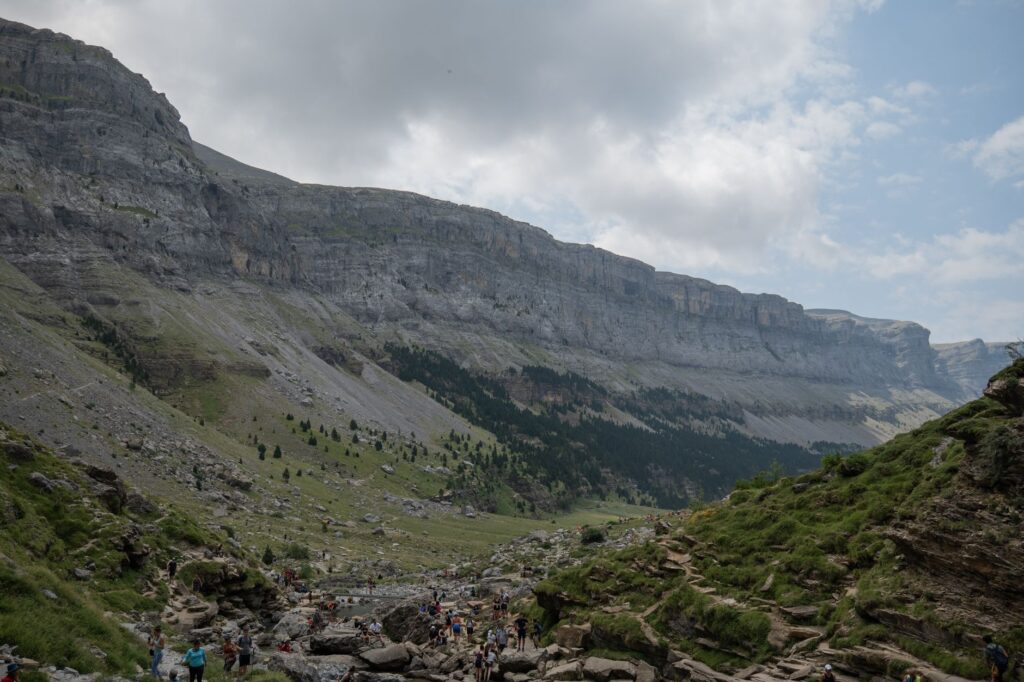
These measures, though sometimes unpopular among traditional tourism sectors, are essential to prevent parking saturation, acoustic pollution, and the degradation of riparian habitats. The challenge for coming years lies in destseasonalizing tourist influx, promoting exploration of less congested peripheral valleys, and educating visitors in low-impact travel principles, where generated waste is carried back out and respect for wildlife takes precedence over chasing social media photography.
Practical Information for the Mindful Traveler
- Getting There: The main access to the Ordesa sector is via the N-260 highway to the town of Torla-Ordesa. During peak season (summer and Easter), private car access is prohibited, and utilizing official shuttle buses is mandatory.
- Best Time to Visit: June and September offer the perfect balance of favorable weather, lower crowds, and optimal water flow in waterfalls. Autumn (October) stands out for the intense coloration of beech forests.
- Park Regulations: Camping outside designated areas, lighting fires, dumping waste, unleashing dogs (must remain leashed at all times for wildlife safety), and collecting plants or minerals are strictly prohibited.
- Preparation and Gear: High mountain weather can change drastically within hours. Proper trekking footwear, waterproof warm clothing, sufficient water, and updated maps or GPS with an external battery are mandatory.
«Walking the trails of Ordesa is an exercise in humility: it reminds us that we are merely ephemeral visitors in a realm sculpted by geological time.»
Epilogue: The Urgency of Preserving Silence
Ordesa and Monte Perdido National Park represents much more than a postcard destination in the Aragonese Pyrenees; it serves as a barometer for the conservation status of European high mountains facing climate change and anthropogenic pressure. The limestone walls that stand before us unyielding guard the memory of glaciers that once shaped them, and their future depends entirely on the collective responsibility with which we manage our relationship with the natural environment. Protecting this space does not merely consist of sealing its administrative borders, but in acknowledging that every step we take on its trails must leave an imperceptible footprint, ensuring future generations continue to find within these silent ridges a refuge of life, beauty, and untamed wilderness.