
The Solo Travel Revolution in 2026
Solo travel has evolved from a bold statement of independence or a last-resort option into one of the most respected and deliberate choices in contemporary tourism. In 2026, the trend is not defined by a desire for isolation, but by what leisure sociologists call connective autonomy. Travelers are no longer running away from the world; they are stepping into it on their own terms, managing their time without the compromises and negotiations that group travel inevitably demands. This shift answers a deep-seated need for selective digital disconnection and a search for experiences that foster unfiltered, active learning.
The demographic profile of the solo traveler has diversified extraordinarily. Far from the cliché of the twenty-something backpacker, today’s solo paths are trodden by mid-career professionals, active retirees, and individuals navigating life transitions who see the open road as a space for personal recalibration. Booking platforms and tour operators have had to overhaul their offerings, dismantling unfair single supplements and designing experiences that facilitate organic integration with local communities. Solo travel in 2026 is, above all, an exercise in designing a temporary way of life.
Emerging Destinations for Selective Disconnection
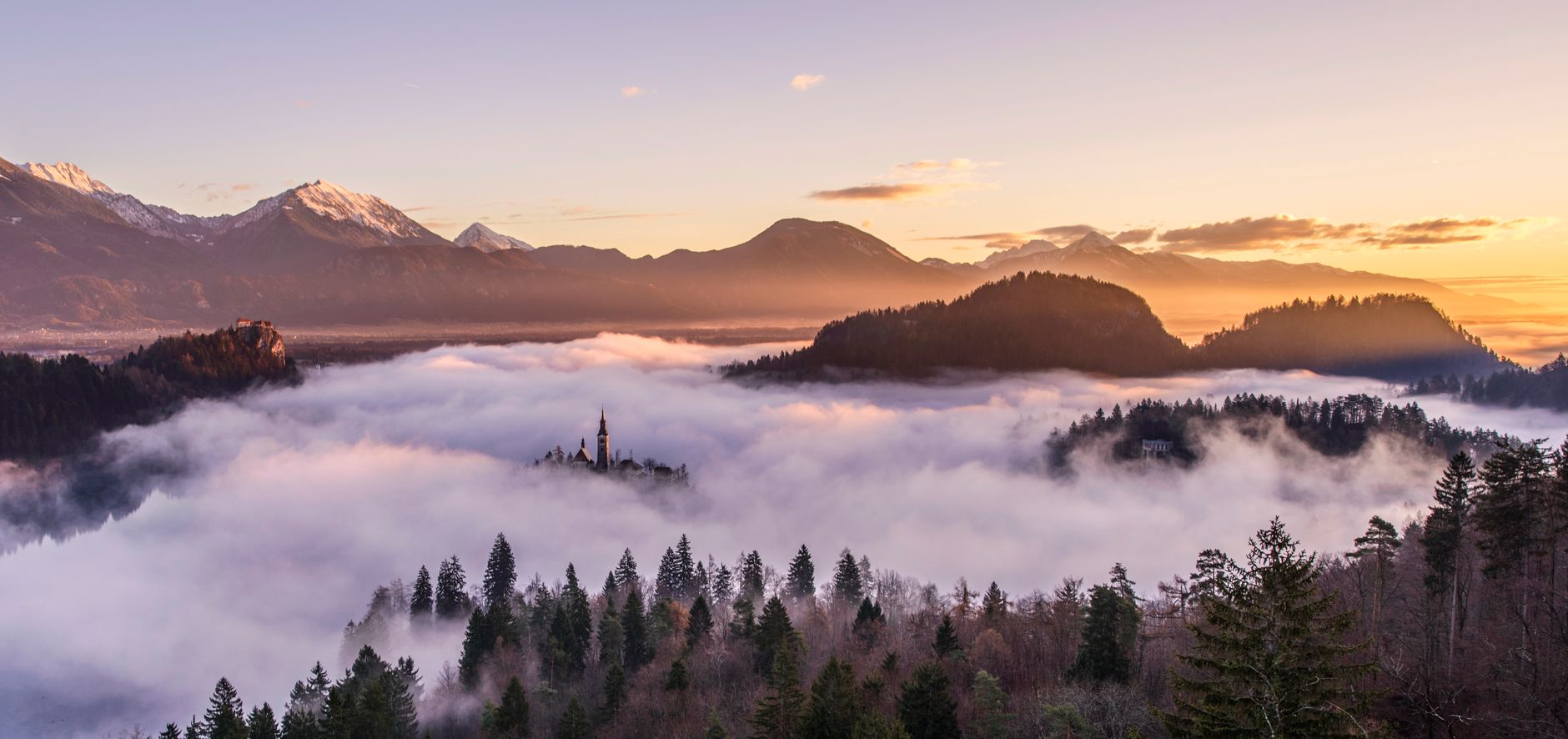
The choice of destination for those traveling without companions has shifted dramatically. The focus has moved away from hyper-connected megacities where one simply blends into the crowd, toward territories that offer safety, impeccable public infrastructure, and a human scale that encourages spontaneous encounters. Among the destinations leading the charts this year is Slovenia, a country that has seamlessly wedded its commitment to sustainability with a network of trails and transport allowing solo travelers to journey from the Julian Alps to the Adriatic coast with total peace of mind.
In Asia, far from the well-trodden tourist tracks, the Tohoku region in Japan has established itself as the ultimate sanctuary for those seeking introspection. With its ancient pilgrimage paths, traditional hot spring baths (onsen), and a hospitality culture that deeply respects silence and individuality, Tohoku offers an environment where a traveler can be solitary without feeling lonely. Meanwhile, in Latin America, Colombia’s Coffee Triangle stands out for the genuine warmth of its people, allowing independent travelers to embed themselves in traditional estates and learn about coffee cultivation within a breathtaking natural setting.
«Solo travel in the modern era is not an act of withdrawal, but a radical engagement with geography and local culture, where the traveler becomes an observant participant.»
The Impact of Technology: From AI to Digital Minimalism
Technology in 2026 plays a paradoxical role in the individual journey. On one hand, artificial intelligence applied to tourism allows for real-time planning that once required weeks of research. High-fidelity neural translation apps and adaptive audio guides based on precise user location allow travelers to decode complex cultural contexts without intermediaries. The solo traveler uses technology as a safety shield and a translation bridge, rather than a constant distraction from the immediate reality.
However, the real movement lies in applied digital minimalism. Travelers are increasingly opting for scheduled «analog blackouts,» configuring their devices to receive only safety or transit alerts during specific hours of the day. This encourages intuitive navigation, the use of physical maps, and direct interaction with locals for directions. Technology no longer dictates the path; it serves as an invisible support system, allowing the analog experience to reclaim its starring role in the individual adventure.
Hybrid Lodging and Ephemeral Communities
Accommodation for solo travelers has undergone a conceptual metamorphosis. Traditional hotels, often designed for couples or families, and noisy youth hostels are losing ground to hybrid lodging spaces. These establishments combine the privacy of a well-designed single room with generous communal areas tailored for remote work, shared cooking, and spontaneous cultural exchange. The goal is not to force socialization, but to create environments where connection happens naturally and fluidly.
These spaces frequently host local cooking workshops, temporary book clubs, or urban walks led by neighborhood experts. Travelers can choose to participate one day and retreat to their privacy the next, completely pressure-free. This flexibility is highly valued by digital nomads and professionals taking advantage of corporate work-from-anywhere policies to extend their stays, turning travel into a temporary residency where brief yet meaningful micro-communities are woven.
Safety, Intuition, and the Art of Self-Management
Safety remains the absolute priority and the deciding factor when planning a solo trip, particularly for female travelers, a demographic that continues to spearhead the growth of this travel sector. In 2026, safety is not understood as risk avoidance through confinement within exclusive tourist enclaves, but as the development of contextual intelligence. This involves thoroughly researching local cultural norms, understanding dress and behavior codes, and having clear, accessible contingency plans.
- Digital backup plans: Maintain offline-accessible cloud backups of identity documents, visas, and reservations.
- Local contact networks: Register with relevant embassies and use trusted platforms to make prior contact with expats or locals.
- Night transit management: Always prioritize official transport services or GPS-tracked rideshare apps during dark hours.
- Trusting intuition: Learn to say «no» assertively in uncomfortable situations, prioritizing personal well-being over social politeness.
Slow Travel: The Value of Doing Nothing Alone
One of the greatest pitfalls of solo travel in the past was hyper-scheduling—the urge to fill every minute of the itinerary with museum visits, landmarks, and excursions to avoid confronting one’s own solitude. In 2026, the Slow Travel movement has taken deep root in the solo community, championing the value of unscripted days. Spending an entire afternoon reading in a Parisian café, watching daily life unfold in a square in Oaxaca, or wandering aimlessly through the alleys of Kyoto are highly prized for their grounding quality.
This approach allows for a much richer assimilation of cultural stimuli. Free from the need to coordinate desires or schedules with companions, the solo traveler enjoys the luxury of changing their mind midday, lingering in conversation with a local artisan, or pausing to watch a sunset without the rush of a dinner reservation. Chosen solitude thus becomes a blank canvas where time regains its original elasticity.
«When you travel with others, you see the world through the filter of your relationship with them. When you travel alone, the world becomes your sole direct interlocutor.»
The Solo Traveler Profile in 2026
Demographic and behavioral data within the industry show that individual travel is no longer an anomaly, but a preferred choice. Statistics reveal a notable spike in solo bookings made by individuals aged 35 to 55, a demographic with higher purchasing power seeking wellness experiences, learning retreats, and active nature tourism. Additionally, the rise of work-life balance policies and corporate sabbaticals has allowed more people to secure significant blocks of time to embark on long-term journeys.
This new profile of traveler demands high-quality services. They seek out local guides with deep knowledge rather than mass tours, value farm-to-table gastronomy, and are willing to pay fair rates for services that guarantee safety and comfort without slipping into ostentatious luxury. The market has responded with customized services that treat the solo traveler not as an incomplete customer, but as a sophisticated, self-sufficient consumer.
A Practical Guide to Mapping Your First Solo Route
For those deciding to take the plunge for the first time, planning the initial route is crucial to building confidence. Experts recommend starting with destinations that offer a smooth transition: countries with low language barriers or highly welcoming tourism infrastructures. The preparation process should strike a balance between rigorous logistics (flights, first few nights of accommodation, comprehensive travel insurance) and leaving ample room for improvisation once on the ground.
It is also wise to conduct small «dress rehearsals» before embarking on a major international journey. Spending a weekend in a nearby city where you know no one, dining alone at a fine-dining restaurant, or taking a solo day hike on a natural trail are excellent ways to get comfortable with the feelings of your own company. These preparatory steps help demystify solitude, turning it into an ally for discovery and personal growth.
Perspectives and Sustainability of Individual Travel
The debate over tourism sustainability also touches solo travel. While traveling individually can generate a higher carbon footprint per capita in terms of transport and accommodation compared to group travel, solo travelers in 2026 are leading highly active offsetting practices. By integrating more deeply into local economies—eating at small family-run stalls, utilizing public transit, and staying in community-owned guesthouses—the economic impact of their journey tends to be far more distributive and beneficial to host populations.
The future of solo travel is shaping up to be one of the most powerful tools for intercultural understanding. By stripping away habitual social circles, the individual becomes more receptive, humbler, and readier to listen to the narratives of others. In a world that often leans toward polarization, consciously drifting across the map stands as a bridge of empathy that begins with the courage to cross the first border alone.
Source: debate.com.mx via Google News