Introduction to the Baltic Labyrinth
The Stockholm archipelago is not merely a geographical accident, but an intricate tapestry where the fresh water of Lake Mälaren merges with the brackish currents of the Baltic Sea. Over the centuries, this labyrinth of forested islets, granitic cliffs, and isolated communities has depended on an intricate network of transportation for survival. Today, the climate urgency has forced regional authorities and transport operators to radically rethink how both permanent residents and travelers seeking pristine nature move around. The transition toward low-impact mobility systems is no longer a futuristic promise, but an operational reality that redefines the concept of island connectivity.
For decades, the transport model in the archipelago relied on high-consumption diesel vessels, an ecological burden for a protected environment. However, the combined pressure of European environmental regulations and citizen demand has catalyzed a paradigm shift. The gradual introduction of solar-powered vessels, high-speed electric boats, and amphibious buses capable of operating both on gravel roads and in sheltered coves marks the beginning of an era where transport infrastructure acts as a guardian of biodiversity rather than a latent threat to the fragile Baltic balance.
The Paradox of Island Tourism and Conservation
The irresistible appeal of the Baltic archipelago creates a constant dilemma for urban planners and environmental managers. Every summer, thousands of visitors flock to islands such as Sandhamn, Vaxholm, or Grinda, seeking the peace of pine forests and crystal-clear waters. This massive flow of people, traditionally dependent on noisy and polluting ferries, put the very landscapes that made the trip worthwhile at risk. The coastal erosion caused by the wakes of conventional boats and the carbon footprint of the tourist fleet demanded urgent and courageous intervention.
The response has not been to drastically restrict access, which would strangle the local economy of small island communities, but to completely transform the nature of the travel experience. By replacing heavy combustion machinery with silent, efficient fleets, noise and physical disturbance on the marine environment have been significantly reduced. Grey seals, white-tailed eagles, and native algae beds now experience less disruption, proving that well-managed tourism and environmental protection can coexist if transport engineering is placed at the service of nature.
The Emergence of Amphibious and Solar Technology
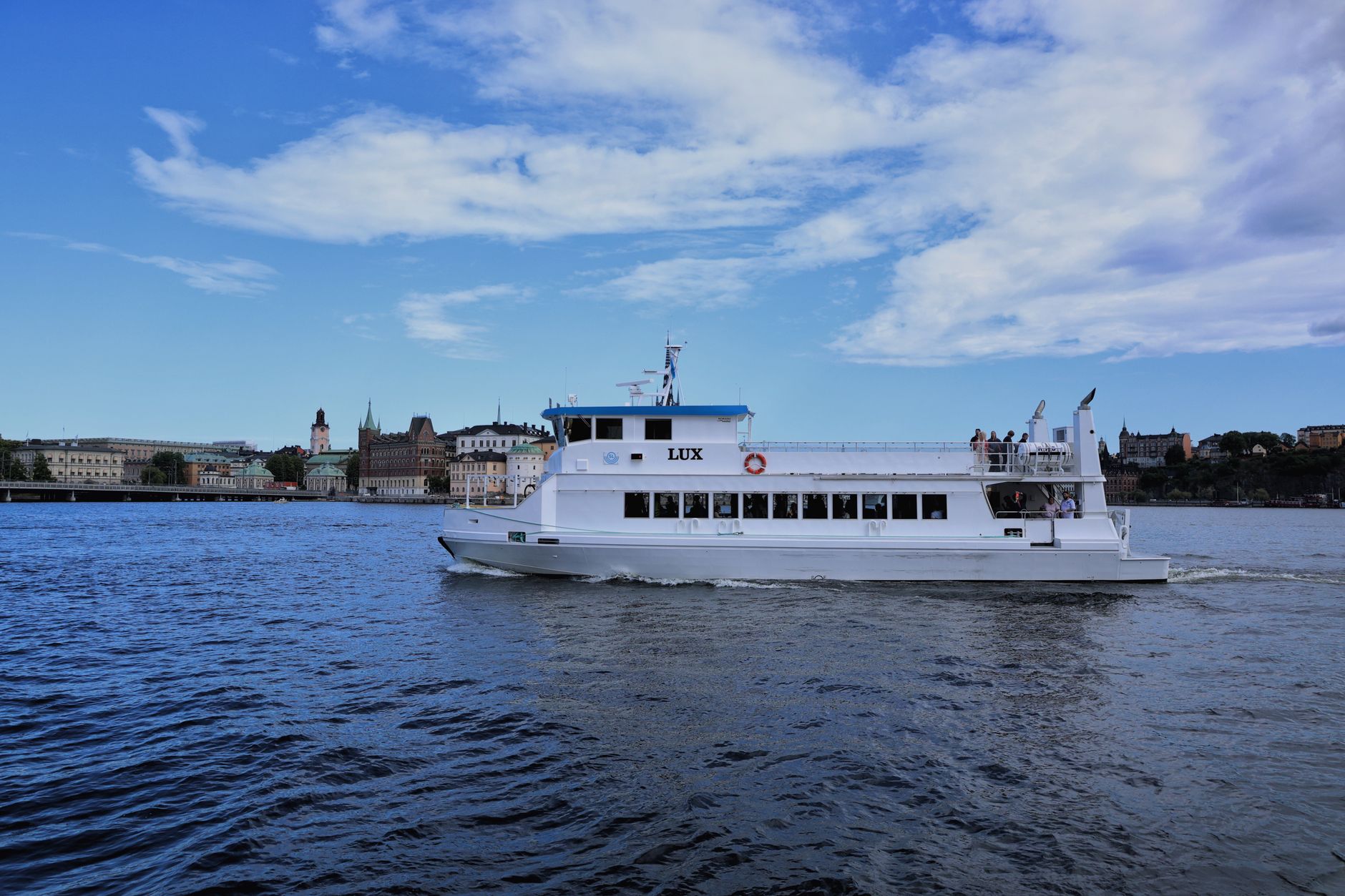
At the heart of this transformation lies technological innovation applied to water and land routes. Over the past three years, the regional transport consortium SL and private operating companies have deployed a new generation of vehicles. Particularly noteworthy are ferries equipped with high-efficiency solar panels and state-of-the-art battery storage systems, capable of completing complex journeys between islands without burning a single drop of fossil fuel. These vessels take advantage of the long hours of summer daylight in Scandinavia to recharge their systems while carrying out boarding operations.
Simultaneously, pilot routes have begun with lightweight amphibious vehicles to connect the smallest and most remote islets that lack adequate docks for deep-draft ships. These devices allow for smooth transit from forest roads directly into the water, eliminating the need for costly concrete infrastructure that alters the natural coastline. The flexibility of these vehicles drastically reduces travel time for medical emergencies and daily supplies, ensuring that inhabitants of isolated communities enjoy the same services as Stockholm’s urban residents.
The Human Factor: Local Communities and the Baltic Rhythm
Behind the emissions reduction figures and complex engineering schemes lies the daily life of the islanders. For those who call the archipelago home, transport is not a tourist attraction, but the umbilical cord connecting them to hospitals, schools, and mainland markets. The implementation of these new mobility systems has been designed in close collaboration with local councils and neighbor cooperatives, ensuring that routes and timetables respond to the real needs of the population year-round, rather than just peak summer season spikes.
True sustainability in island transport is not measured solely by kilowatt-hours saved, but by the ability to keep the communities that have inhabited these islets for generations alive and cohesive.
This synergy between cutting-edge technology and respect for local traditions has avoided the phenomenon of green gentrification, a common risk in ecological transition projects in high-scenic-value regions. Local fishermen, small artisans, and sustainable hospitality operators actively participate in transport monitoring committees, evaluating the impact of each new line and adjusting frequencies to preserve the tranquility that defines island life.
Charging Infrastructure and Smart Networks
Supporting a fleet of electric vessels and hybrid vehicles in such a fragmented geographical environment requires a robust, decentralized energy network. The Stockholm Transport Authority has invested in installing fast-charging stations powered exclusively by local wind and hydroelectric energy at the archipelago’s main port hubs. These stations use second-life automotive batteries to store energy, optimizing charging and avoiding overloads on the regional power grid during peak demand times.
In addition, an intelligent river and land traffic management system based on artificial intelligence and geopositioning sensors has been implemented. This software analyzes weather conditions, tides, and passenger occupancy in real time to adjust ferry routes, minimizing energy consumption and preventing congestion in narrower channels. Thanks to this integrated network, travelers can consult and book multimodal journeys through a single digital application, facilitating a smooth, predictable, and environmentally friendly mobility experience.
The Economic Challenge of Maintenance in Cold Waters
Despite operational successes, the transition toward completely sustainable transport in the Baltic faces formidable technical and economic obstacles. Freezing winter conditions, with the formation of thick ice layers and temperatures dropping well below zero, test the resistance of composite materials and the efficiency of lithium batteries. Fleet maintenance requires specialized protocols and workshops equipped with state-of-the-art technology strategically located at key points in the archipelago to minimize technical downtime.
The initial acquisition cost of these zero-emission vessels remains considerably higher than traditional diesel-powered ferries. To bridge this gap, the Swedish government, in collaboration with European ecological transition funds, has established a mixed financing model combining public subsidies with green bonds. This financial framework ensures that fares for residents and travelers remain at accessible levels, preventing sustainability from becoming a luxury reserved solely for a privileged segment of the population.
Environmental Education and the Role of the Conscious Traveler
An aspect frequently overlooked in mobility strategies is the attitude of the user. In the Stockholm archipelago, the sustainable transport journey has become an active tool for environmental education. Aboard the new ferries, interactive displays show in real time the amount of carbon dioxide avoided, the conservation status of local seabird populations, and the origin of the renewable energy powering the craft. This informative immersion transforms the passive tourist into a conscious and respectful observer of the fragile ecosystem they traverse.
The journey through the islands is no longer a mere spatial displacement, but an educational experience where each passenger understands their role in preserving the Baltic natural heritage.
Furthermore, the concept of soft mobility on land is actively promoted, encouraging the use of rental electric bicycles at disembarkation points and marking low-impact trails that prevent the degradation of native flora. Local regulations strictly prohibit the use of private internal combustion engine vehicles on most minor islands, consolidating a model where walking, cycling, and silent sailing constitute the only legitimate ways to explore the territory.
Looking Toward the Horizon of Total Zero Emissions
The goal set by the Stockholm region is ambitious yet achievable: to attain a net-zero emission island public transit fleet across all operations before the end of the decade. The results obtained so far on the central islands’ pilot routes support this ambition, showing not only a drastic reduction in carbon footprint but also an increase in satisfaction among local users and visitors, who especially value the absence of noise and vibration during the crossing.
This Swedish model is beginning to attract international attention, welcoming delegations from island regions worldwide, from the Aegean Sea to the Pacific, interested in replicating these technological solutions. The main lesson emanating from this Nordic archipelago is that sustainability in transport is not achieved through isolated magic solutions, but through a systemic vision combining engineering innovation, rigorous planning, respect for local communities, and an unwavering commitment to protecting natural habitats.
Practical Guide for the Sustainable Traveler in the Archipelago
Planning a responsible trip through Stockholm’s insular labyrinth requires understanding its operational functioning and adopting good environmental practices. Below are essential guidelines to ensure an optimal and low-impact experience:
- Integrated Multimodal Mobility: Use the official SL app to plan journeys combining electric buses, metro, and solar ferries with a single transport ticket, avoiding paper ticket purchases.
- Respect for Local Flora and Fauna: Always stay on marked trails during hikes and avoid anchoring boats in eelgrass meadows (seagrass), which are critical areas for fish reproduction.
- Zero Waste Management: The archipelago has limited waste collection services on minor islands. All waste generated during excursions must be brought back to the mainland for proper recycling.
- Off-Peak Travel Times: To enjoy a quieter experience and reduce pressure on local services, prioritize traveling in May, June, or September, or use morning services during high season.
- Certified Accommodation: Choose hotels, cabins, and hostels that hold official Nordic eco-labels or recognized sustainability certifications.