

Introduction to the Andean Corridor
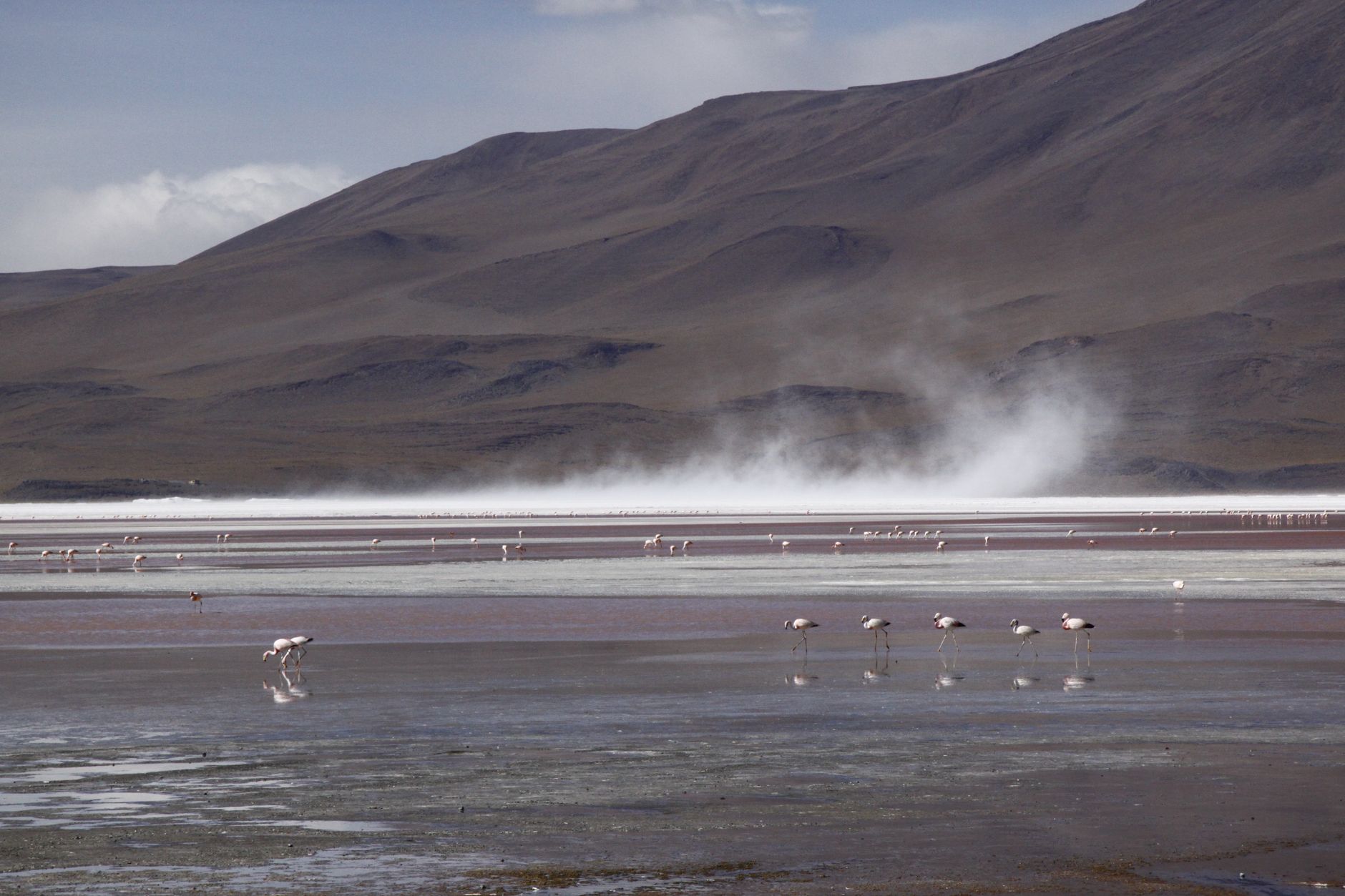
The geography of the central Andes has historically imposed severe restrictions on human mobility and freight transport. At over 3,700 meters above sea level, the Bolivian altiplano stretches out as a vast arid plateau where roads suffer the ravages of extreme weather, thermal amplitude, and unstable terrain. In this harsh geographical context, the railway connecting the city of Oruro with Villazón, on the Argentine border, stands not only as an early 20th-century engineering milestone but as an indispensable logistical artery for regional territorial and economic integration.
The railway route winding through southern Bolivia represents one of the most complex infrastructure projects ever undertaken in South America. Originally conceived to facilitate mineral exports toward Pacific and Atlantic ports, the corridor has evolved over the decades to take on a mixed role. Today, it balances heavy bulk freight transport with the movement of local passengers, farmers, and travelers seeking to understand the scale of one of the planet’s most isolated and fascinating regions. This report examines current infrastructure, the operational challenges of high-altitude railroading, and the socioeconomic impact of a railway line that persistently defies the limits of physics and logistical management.
The Construction Odyssey: A Legacy of Steel in High Altitudes
Building the western railway system of Bolivia was no simple task; it demanded overcoming major topographical obstacles without the heavy machinery of the modern era. In the late 19th and early 20th centuries, British, Chilean, and local engineers designed layouts that had to negotiate steep gradients, cross desert plateaus, and maintain stability on clayey and saline soils. Work crews, composed largely of local miners and indigenous Quechua and Aymara peoples, faced severe weather conditions, oxygen deprivation, and chronic fatigue.
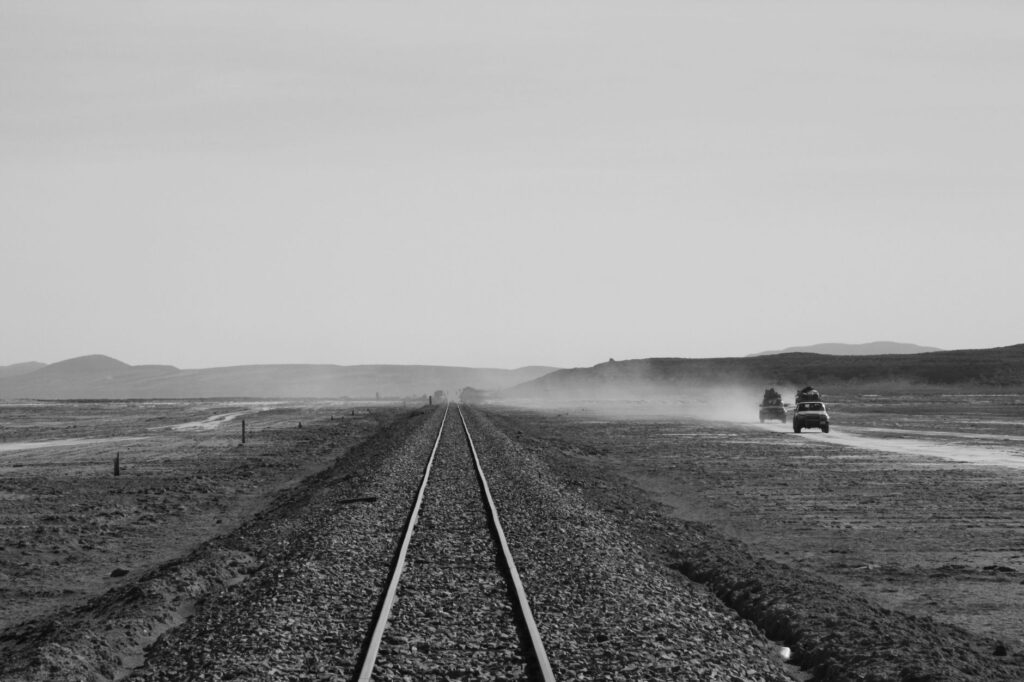
The stretch between Oruro and Villazón required the installation of thousands of tons of steel rails imported from Europe and North America, alongside the construction of numerous metal bridges and culverts to channel seasonal overflows from high-andean rivers. Each quebracho wood tie had to be transported on muleback or in carts across hundreds of kilometers before being fixed to the ballast. The topographical precision necessary to avoid excessive gradients on such irregular terrain demonstrated remarkable technical mastery, whose metallic vestiges continue to support the passage of contemporary rail formations.
Infrastructure and Rolling Stock in Extreme Conditions
Operating a railway line on the altiplano poses unique technical challenges that differ radically from those found in lowlands or temperate valleys. Low atmospheric pressure directly affects the performance of internal combustion engines in diesel locomotives, reducing their effective power output and requiring specialized supercharging systems. Likewise, corrosion generated by soil salinity near salt flats and drastic temperature changes—which can swing over thirty degrees in a single day—accelerate wear and tear on rails, fishplates, and signaling systems.

The stations dotting the route, from Challapata to Tupiza, act as vital logistical nodes in the middle of the steppe. Many of these facilities retain their original brick and pitched-roof railway architecture, though they have been partially modernized with satellite communication systems to coordinate train crossings on a single track. Current rolling stock combines refurbished passenger cars with specialized freight wagons for minerals and agricultural goods, demonstrating remarkable operational resilience against the aging of fixed infrastructure.
The railway on the altiplano is not a museum relic of an industrial past, but a living infrastructure that sustains social and economic cohesion for entire communities isolated by Andean topography.
Track maintenance requires permanent brigades stationed at strategic points to repair rockfalls, washouts caused by torrential summer rains, and shifting sand dunes that invade the rails in arid zones. The logistics of supplying spare parts and fuel for locomotives constitute a high-complexity operation in themselves, given that main repair shops are located hundreds of kilometers away in major urban centers.
Socioeconomic Role: Connectivity for Isolated Communities
Beyond its importance as a freight corridor for mining and cross-border trade, the train from Oruro to Villazón fulfills an irreplaceable social function. For numerous rural communities scattered across the southern altiplano, the railway represents the only reliable means of transport during the rainy season, when dirt roads become impassable for buses and private vehicles. Local markets in towns like Atocha or Río Mulato depend on the arrival of the convoy to stock up on basic goods and to commercialize their agricultural production toward consumption centers in the north and south.
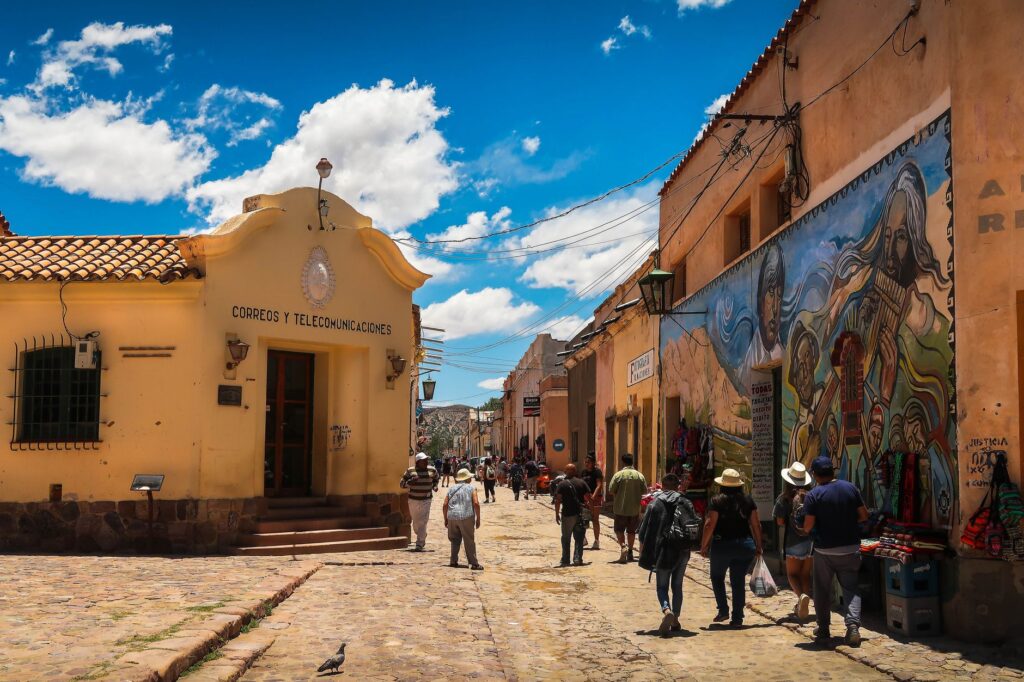
Passenger traffic is a microcosm of Andean life. Traders transporting textiles and food share the carriages with families traveling for health or education reasons, and with a growing number of international travelers drawn to adventure tourism. This coexistence turns the journey into a unique space of cultural exchange, where native languages coexist with Spanish, and ancestral traditions intertwine with the modernity of rail transport.
Logistical Challenges and Intermodal Integration
The integration of the altiplano railway with the transport networks of neighboring countries has historically faced technical and political barriers. Although the meter gauge used in Bolivia matches that of several branch lines in bordering nations, the lack of smooth interconnection and the obsolescence of certain border links have limited its potential as a bioceanic corridor. Current logistical operations require complex transshipments between trucks and trains, which increases operating costs and reduces competitiveness against road freight transport, despite the ecological and capacity advantages of rail.
State modernization plans have focused on the gradual rehabilitation of critical sections, ballast improvement, and the acquisition of more efficient traffic control technologies. However, the investment required to radically transform the corridor into a high-capacity route remains a major fiscal challenge. Sector authorities constantly evaluate strategic partnerships to attract private investment that optimizes travel times and guarantees long-term operational safety.
The Impact of Adventure Tourism and the Traveler’s Experience
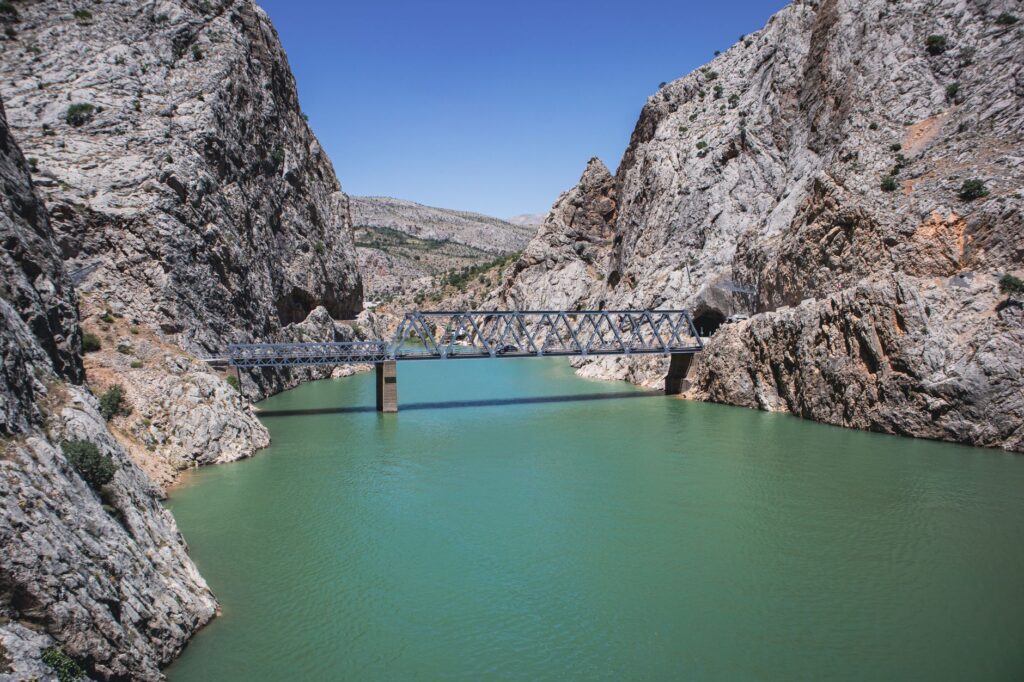
In recent decades, the rail route has gained international recognition within adventure travel and cultural tourism circuits. The journey offers an unparalleled perspective of landscapes transitioning from high-plateau plains dotted with wild camelids to imposing reddish rock formations near Tupiza, reminiscent of American West backdrops. This landscape transition constitutes a primary attraction in its own right for photographers, geologists, and independent travelers.
The onboard experience demands patience and flexibility from the traveler, as travel schedules can be altered by weather or logistical contingencies typical of railway operations in remote areas. Far from the artificial luxury of private tourist trains, the Oruro-Villazón line offers an authentic immersion into the daily reality of the Andes, allowing visitors to grasp the deep connection between the physical environment, industrial history, and human resilience.

Traveling by train across the Bolivian altiplano is an exercise in timelessness; the unhurried pace of the machine compels one to contemplate the immensity of a territory where nature sets its own rules.
Local tourism agencies have begun structuring combined packages that integrate the train journey with excursions to the Salar de Uyuni and the Eduardo Abaroa Andean Fauna National Reserve, revitalizing the economy of small towns that previously depended exclusively on subsistence mining.
Practical Information for the Traveler
Planning a journey along the Oruro-Villazón railway corridor requires rigor and anticipation, given the region’s particular operating conditions. Essential details are outlined below:
- Frequencies and Services: Passenger operations are not daily; they operate on a weekly schedule established by the operating company (Empresa Ferroviaria Andina). It is essential to verify updated timetables before starting the trip.
- Climatology and Altitude: The route runs entirely above 3,500 meters of altitude. Prior acclimatization in Oruro or La Paz is recommended to prevent altitude sickness (soroche) and packing appropriate warm clothing for sharp temperature swings.
- Ticketing: Tickets are usually purchased directly at terminal stations or through authorized agencies. During local festivities or peak season, demand exceeds available supply.
- Luggage Logistics: Onboard luggage space is limited. Travelers are advised to bring moderately sized backpacks or suitcases that easily fit in overhead racks or next to seats.
- Connections: Villazón offers direct walking connection to the Argentine town of La Quiaca, allowing travelers to continue north toward Argentina via bus or regional train services.
Conclusion: The Persistence of the Rail on the Roof of the World
The railway corridor connecting Oruro to Villazón is much more than a transport link; it is a continuously functioning monument to human tenacity in the face of geographical and climatic adversity. In an era dominated by the speed of commercial aviation and the massification of highways, this Andean train keeps alive a model of travel where the journey recovers its original sense of exploration and direct contact with the territory. Its preservation and modernization respond not only to economic or logistical criteria, but to the pressing need to maintain a vital bond uniting communities, histories, and landscapes in the very heart of South America.


