A Geography Sculpted Between the Adriatic and Central Europe
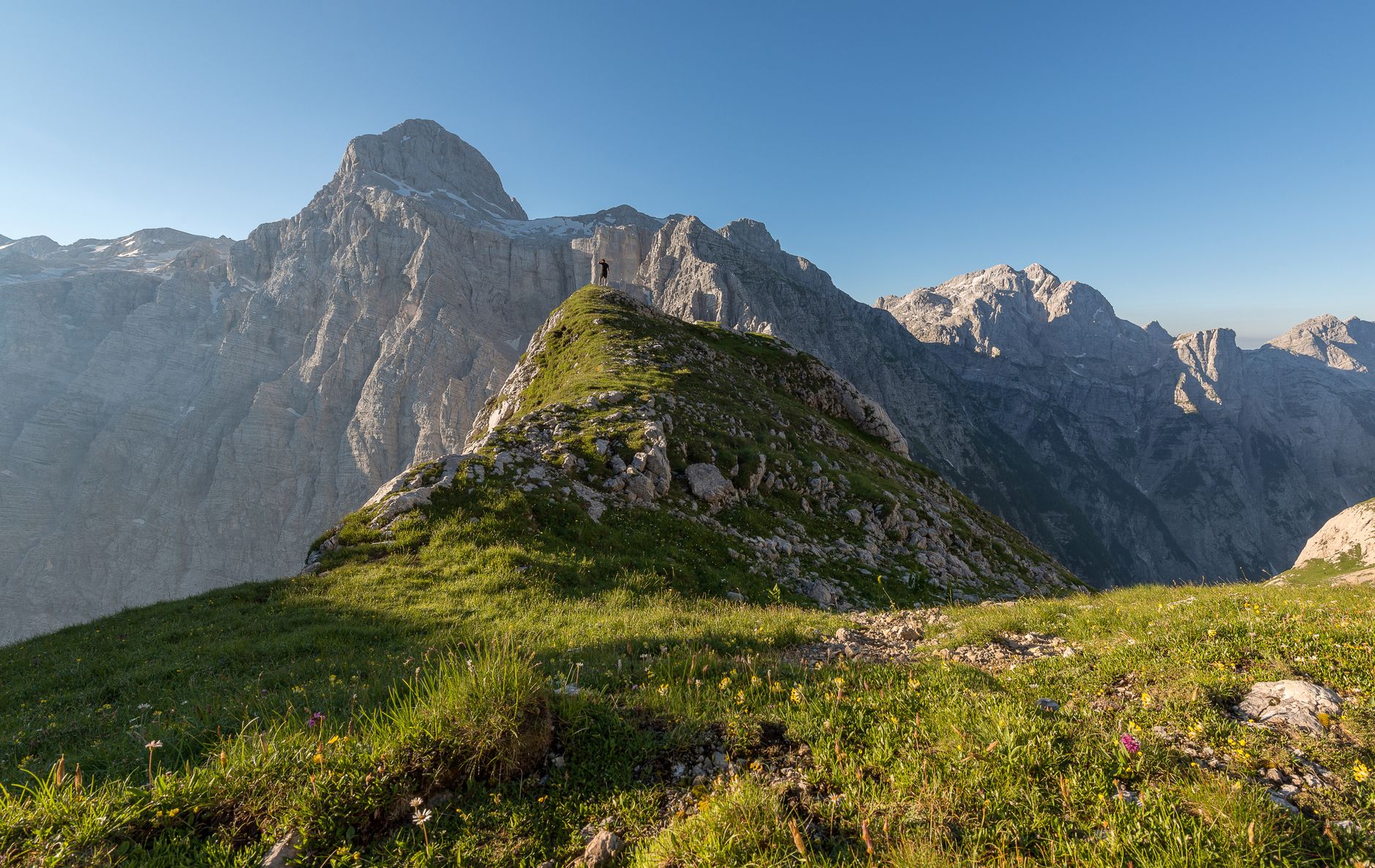
Slovenia occupies a territory where the Pannonian basin, the Western Balkans, and the Alpine mountain range converge, forming one of Europe’s most compact yet diverse geographies. Despite its modest surface area, the country concentrates a complex network of relief where limestone dominates the landscape, creating karst plateaus, deep gorges, and sharp peaks. In this context, the Julian Alps represent the highest and most emblematic sector, sheltering the nation’s tallest summit: Mount Triglav, standing at two thousand eight hundred and sixty-four meters above sea level.
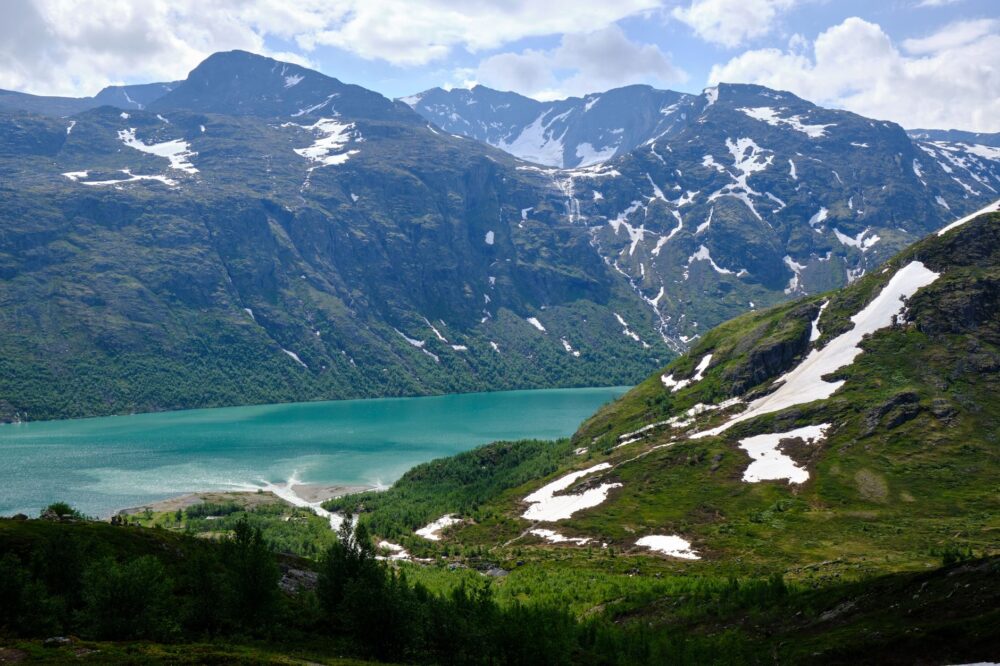
The Slovenian Alpine environment stands out not only for its verticality but also for the purity of its water resources. The nival and pluvial rivers descending from the heights—such as the iconic Soča or the Sava—exhibit turquoise and emerald hues thanks to the suspension of fine minerals known as rock flour. This abundance of fresh water and the early adoption of conservation policies have allowed nearly sixty percent of the national territory to be covered by forests or integrated into protected areas, with Triglav National Park serving as the undisputed standard-bearer of this environmental policy.
Rethinking European Active Tourism
For decades, traditional mountain tourism circuits in Western Europe focused on mass-market ski resorts and hyper-developed valleys in Switzerland, Austria, or France. However, recent years have witnessed a shift in traveler preferences toward destinations capable of offering immersive experiences with lower ecological impact. Slovenia has capitalized on this emerging trend not by accident, but through a deliberate strategy of tourism planning coordinated by state institutions and local municipalities.

The fundamental premise of this model is to discourage mass tourism and attract visitors oriented toward environmentally respectful outdoor practices: long-distance hiking, mountain biking, rock climbing, and whitewater sports. National authorities have invested in trail signage, low-impact public transportation in major valleys, and strict regulations to govern access to ecologically sensitive zones. As a result, the country has solidified its position as a continental benchmark in the transition toward active and sustainable tourism.
The Soča Valley: Sanctuary for River Sports
The upper course of the Soča River, situated in the westernmost corner of the country, constitutes the epicenter of aquatic adventure in Slovenia. With its crystal-clear waters winding through narrow gorges and glacial valleys, this river attracts kayakers, rafters, and Canyoning enthusiasts from across the globe. Unlike other European destinations where river activities are saturated with aggressive commercial operators, the Soča Valley maintains strict control over operating licenses and exploited water flows.
The human history of this region is deeply intertwined with its rugged topography. During the First World War, the Isonzo Front—the historical name for the Soča River—was the site of one of the cruelest and most prolonged campaigns of the Alpine conflict between the Italian and Austro-Hungarian armies. Today, the remnants of trenches, fortifications, and military cemeteries interweave with trekking trails, turning the valley into a space where historical memory coexists with nature tourism in an atmosphere of profound reflection.
The true measure of a contemporary Alpine destination does not lie in the height of its peaks, but in the capacity to preserve the silence of its valleys against the advance of tourism inertia.
Bled and Bohinj: Glacial Mirrors at the Alpine Threshold
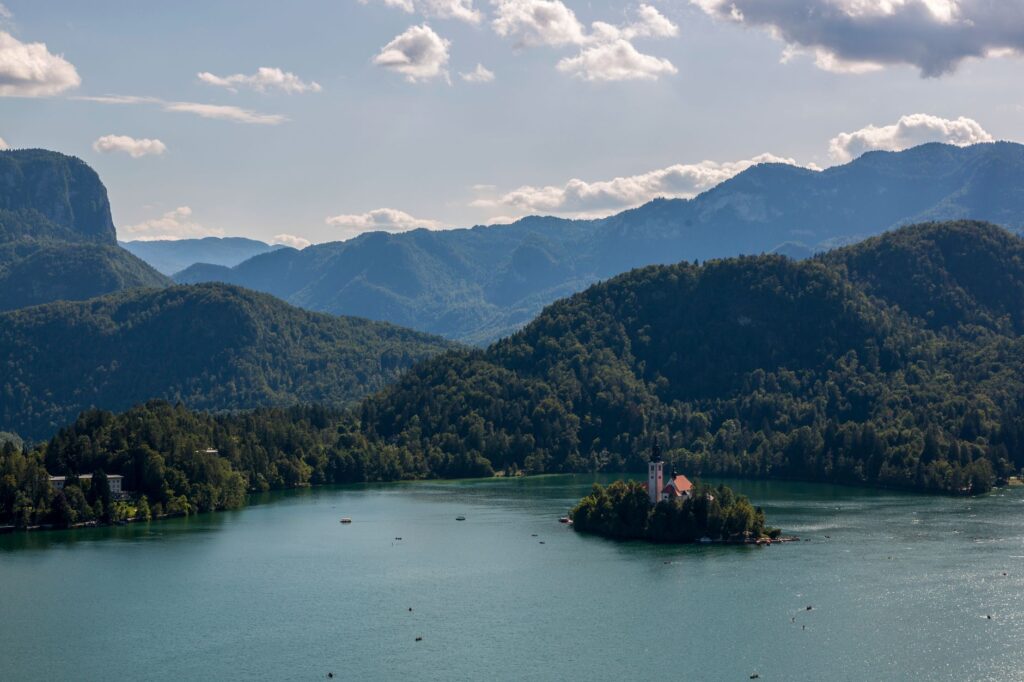
A short distance from the capital, Ljubljana, the lakes of Bled and Bohinj act as the most celebrated gateways to Triglav National Park. Lake Bled, famous for its small island featuring a baroque church and the medieval castle crowning the cliff, has been the subject of postcards for over a century. However, beyond the iconic snapshot, the region has implemented measures to limit vehicular traffic near the shoreline and encourage the use of electric or human-powered watercraft.

Meanwhile, Lake Bohinj, situated in a wilder valley less touched by luxury tourism infrastructure, offers a more sober and authentic perspective of the glacial landscape. Here, environmental regulations prohibit construction along the shores, ensuring the surroundings retain their wild character. Hiking trails of varying difficulty levels depart from Bohinj toward the slopes of Triglav, making it the preferred base camp for mountaineers and experienced hikers.
Vernacular Architecture and Pastoral Traditions
The cultural landscape of the Slovenian Alps is largely defined by its vernacular architecture, where traditional wooden hayracks known as *kozolec* or double hayracks constitute a unique identity marker in Central Europe. These elevated structures, designed to dry hay and cereal crops by harnessing natural ventilation, dot the alpine meadows and reflect the ingenious adaptation of local communities to a harsh, humid climate.
High-mountain livestock farming and dairy production remain active on plateaus such as Velika Planina, where herders continue to drive cattle up to the pastures during the summer months. The characteristic huts with low pine roofs and wooden shingles evoke an ancestral lifestyle that has successfully integrated into the active tourism circuit. Visitors can explore these grasslands on foot or by bike, tasting local cheeses such as *Trnič*, traditionally crafted in the pastures of the Kamnik region.

Ljubljana: The Urban and Green Base for the Alpine Explorer
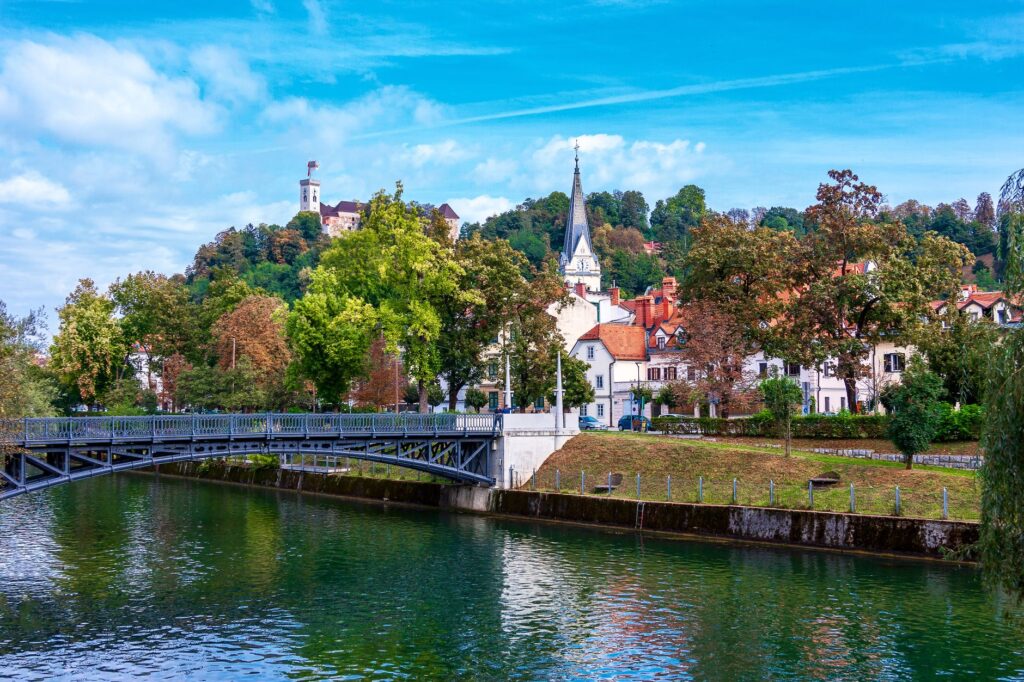
No analysis of active tourism in Slovenia is complete without considering the role of its capital, Ljubljana. With a population just over three hundred thousand, the city functions as an ideal urban base camp for those seeking to combine mountain activity with cultural life. Under the direction of architect Jože Plečnik in the first half of the twentieth century, the historic center underwent a radical transformation that prioritized pedestrian spaces, ornamental bridges, and the integration of the Ljubljanica riverbanks into the urban fabric.
The transformation continued into the twenty-first century when Ljubljana was designated European Green Capital, completely closing its historic core to automobile traffic and expanding urban green spaces, such as the extensive Tivoli Park. This human scale and geographic proximity to major mountain areas allow travelers to stay in the capital and, in under an hour by bus or carpool, find themselves scaling rock faces or rafting down rivers.
Sustainable Mobility Strategies in Protected Valleys
The growth of active tourism poses a critical challenge: how to prevent increased visitor numbers from congesting mountain roads and degrading fragile ecosystems. Slovenia has addressed this problem by implementing integrated transport systems in high-traffic valleys, such as the Bohinj and Logar valleys. During peak season, free or low-cost shuttle buses connect peripheral parking lots with the trailheads of the most popular hiking routes.
Furthermore, soft mobility initiatives have been developed, combining interconnected bike lanes with regional trains adapted for bicycle transport. This network enables travelers to traverse the country from east to west without relying on private vehicles, significantly reducing the carbon footprint of the tourism sector. Local authorities continuously monitor visitor flows using digital tools, redirecting traffic toward alternative routes when recommended ecological carrying capacities are exceeded.
Mountain Gastronomy as an Identity Product
Slovenia’s effort to differentiate itself in the European tourism market is also evident in its gastronomic offering, which bridges Alpine, Pannonian, and Mediterranean traditions. In mountain huts and rural guesthouses throughout the Julian Alps, cuisine relies on locally sourced ingredients, reviving centuries-old recipes adapted to the nutritional needs of mountaineers. Dishes like *kranjska klobasa* (Carniola sausage), Idrija *žlikrofi* (stuffed pasta), or cottage cheese and walnut desserts (*štruklji*) form part of the travel experience.
The international recognition of Slovenia’s culinary scene, boasting multiple Michelin-starred restaurants and green accolades, has reinforced the idea that active tourism is fully compatible with fine dining. Local chefs collaborate closely with small-scale producers, farmers, and foragers of wild herbs, ensuring each menu reflects the biodiversity and seasonality of the natural environment in which it is created.
The future of adventure in Europe does not depend on the conquest of unexplored summits, but on the wisdom with which we learn to traverse the landscapes we have already transformed.
Practical Information for the Active Traveler
Planning an active tourism trip to Slovenia requires keeping several logistical guidelines in mind to ensure a safe and environmentally respectful experience:
- Best time to visit: The months from June to September offer the best weather conditions for high-mountain hiking and river sports, while May and October are ideal for avoiding crowds in the main valleys.
- Access and transportation: Ljubljana Airport has regular flight connections from major European capitals. To get around the alpine valleys, combining regional trains with seasonal bus networks and e-bike rentals is highly recommended.
- Regulations in protected areas: Triglav National Park enforces strict regulations regarding wild camping, which is strictly prohibited outside authorized campsites and mountain refuges. Staying on marked trails is mandatory to protect endemic flora.
- Mountain safety: Weather conditions in the Julian Alps can change rapidly. Proper equipment is essential, as are checking avalanche and storm bulletins before starting any route and purchasing travel insurance covering adventure activities and mountain rescue.
Toward a New Paradigm of Alpine Tourism
Slovenia’s rise as a European benchmark for active tourism demonstrates that it is possible to articulate an economic development model based on nature without replicating the overexploitation errors that have affected other alpine regions on the continent. Through the strict protection of water resources, the promotion of sustainable mobility, and the valuation of cultural and gastronomic heritage, the country offers a mature and conscious alternative for the contemporary traveler.
The balance between environmental conservation and openness to visitors remains a delicate exercise requiring constant oversight and the active commitment of both institutions and local communities. However, at a time when tourism sustainability has become a global urgency, the Slovenian experience stands as an inspiring testament that another kind of alpine tourism is possible—one where the landscape remains intact and adventure is lived through a profound respect for the environment.
Source in EN: Google News