A Necessary Transformation Beyond the Eastern Hills
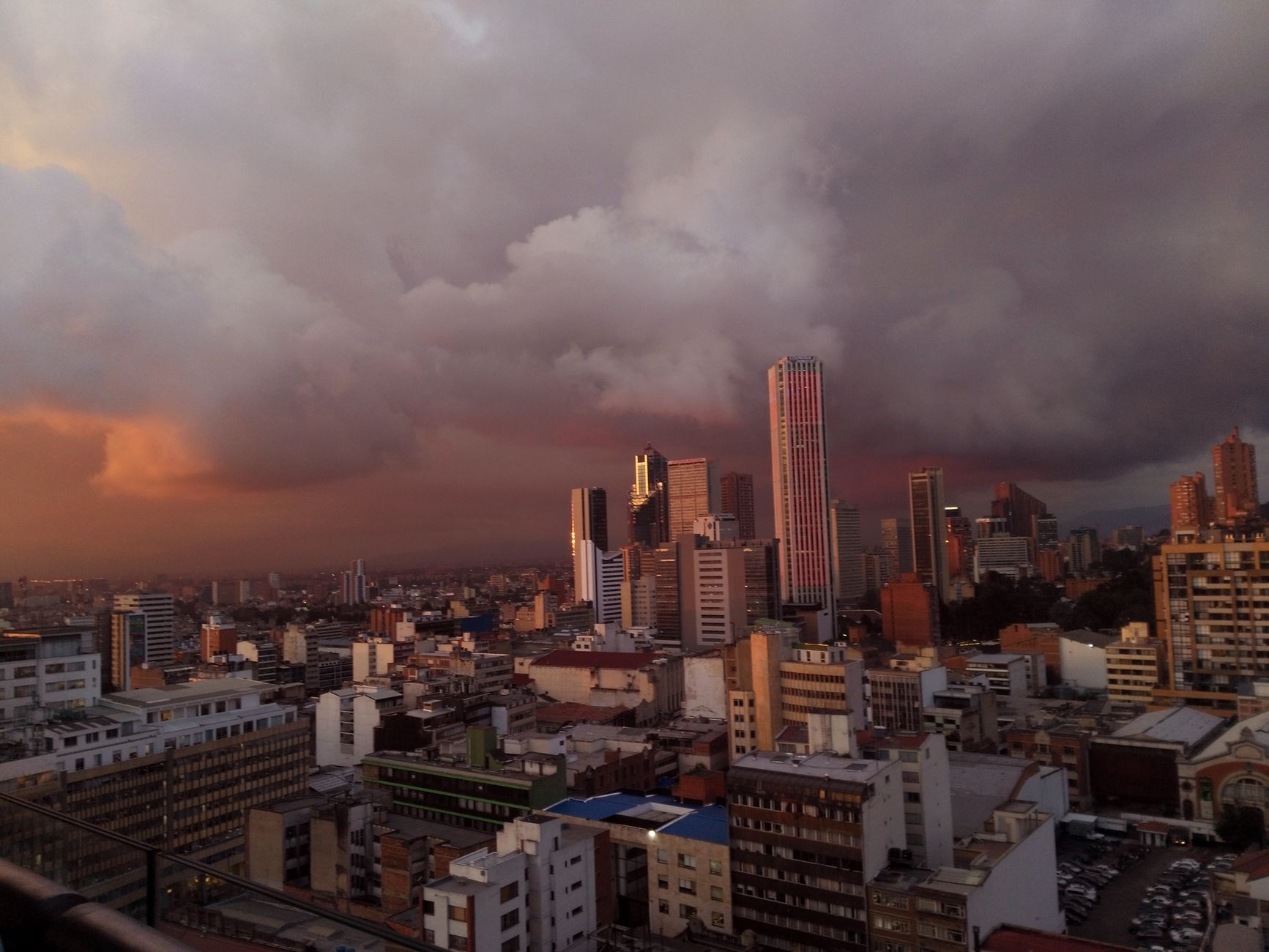
For decades, tourism in Bogotá has operated under a predictable inertia. Domestic and international visitors landing at El Dorado International Airport typically trace an identical route: a mandatory ascent to the eastern hills to contemplate the urban expanse from the Monserrate sanctuary, a morning stroll through the cobblestone streets of La Candelaria to admire colonial facades, and a quick visit to the Gold Museum. Although this historic and patrimonial core continues to beat strongly, the demographic, cultural, and geographical reality of the Colombian capital demands a much broader perspective. With over eight million residents spread across twenty localities, Bogotá is an archipelago of diverse worlds that rarely appear in international travel brochures.
It is within this context that the recent institutional initiative launched by the district administration through its economic development and tourism portfolios gains deep relevance. The public call does not merely seek to polish the existing offering; rather, it aims to stimulate a profound re-engineering of the local tourism experience. The fundamental premise is clear: decentralize visitor flows to alleviate pressure on traditional hotspots while simultaneously invigorating local economies in territories historically left out of tourism prosperity. The strategy recognizes that a contemporary metropolis’s appeal lies not only in its vintage postcards, but in the vitality of its peripheral neighborhoods, the environmental wealth of its high-altitude moorlands, and the creativity of its emerging cultural industries.
Strategic Pillars of Diversification
To understand the scope of this call, one must analyze the criteria used to evaluate proposals from local operators, community collectives, and entrepreneurs. The master plan for tourism diversification is not an aesthetic whim, but a technical response to the evolving trends of the global traveler, who now demands authenticity, sustainability, and genuine contact with host communities. Selected projects must demonstrate a real capacity to transform a local resource into a structured, marketable tourism product that is socially and ecologically responsible.
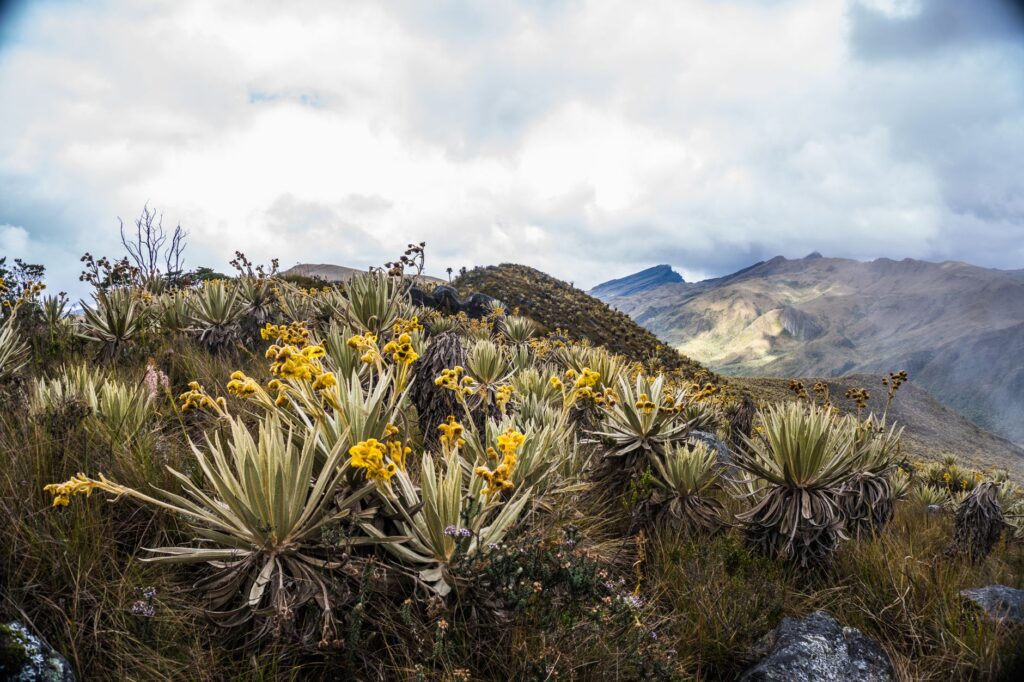
Among the core pillars prioritized by the program are nature and community-based tourism, particularly within the rural zones of localities such as Sumapaz, Usme, Chapinero Alto, and Ciudad Bolívar. These areas harbor strategic high-mountain ecosystems, forest reserves, and biological corridors that have remained largely invisible to mass tourism. The institutional proposal encourages residents, farmers, and grassroots leaders to design and operate birdwatching routes, interpretive hiking trails, and regenerative agriculture workshops. This ensures that economic benefits directly reach those who safeguard the natural resources of the savanna and its surroundings.
Neighborhood Fabrics as Engines for Immersive Experiences
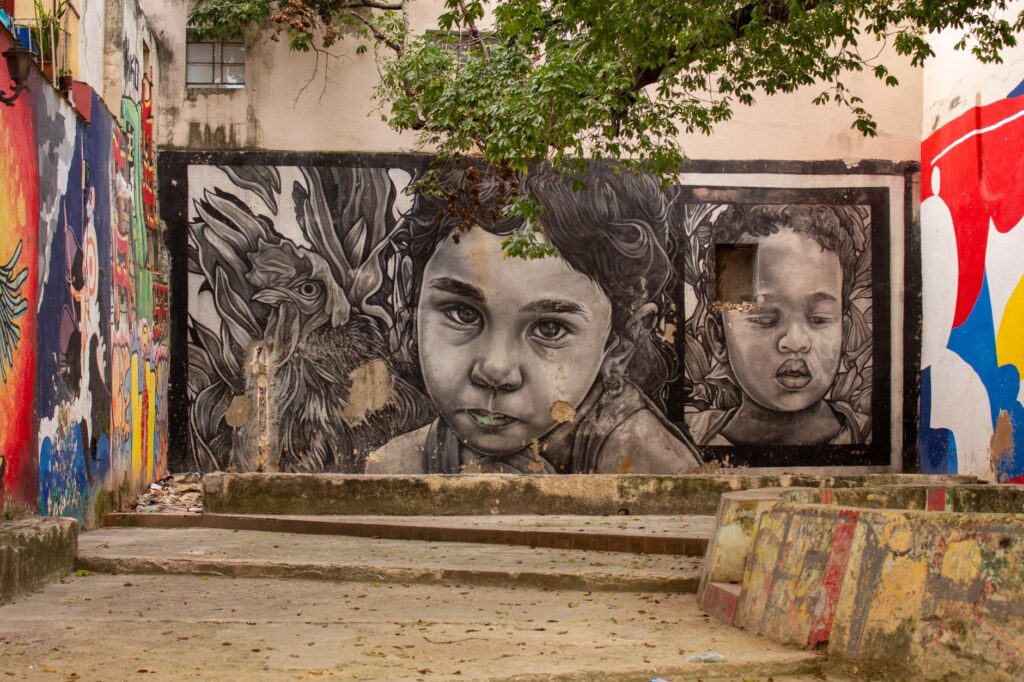
Another priority front in the call is highlighting urban identity far beyond the historic center. Neighborhoods like San Felipe, organically transformed into a contemporary art district with independent galleries and artist studios, or Teusaquillo, with its republican architecture and vibrant author-driven culinary scene, offer sophisticated urban narratives worthy of international catalogs. Likewise, peripheral cultural expressions—graffiti as a tool for social memory in southern localities, salsa routes, and Afro-descendant rhythms in working-class sectors—represent incalculable assets requiring professionalization and formalization.
The initiative seeks to build bridges between academia, the private sector, and grassroots bases to overcome the gap of informality. One of the greatest challenges for emerging tourism in Bogotá has been the lack of standardization in safety protocols, customer service, and historical storytelling. By injecting technical resources and specialized advisory services through this call, the district aims to raise quality standards without diluting the poetic rawness and authenticity characteristic of Bogotá’s neighborhoods. The goal is not to build artificial theme parks, but to equip local hosts with business management tools to compete fairly in the global market.

Sustainability and Urban Resilience in the Face of Climate Change
The tourism model promoted by this call cannot be understood apart from the global climate crisis or the water and environmental vulnerabilities facing the Bogotá savanna. At a time when water management and paramo protection have become national and local security issues, any tourism expansion initiative must undergo rigorous sustainability filters. Projects seeking financial and technical support must present clear mitigation plans for carbon footprints, solid waste management, and strict respect for the carrying capacity of fragile ecosystems.
Responsible ecotourism in the Sumapaz paramo—the largest in the world and a vital sponge for the region’s water supply—is a paradigmatic example of this tension. Opening the territory to visitors without strict controls equals destruction; however, completely banning access denies local communities the opportunity to diversify income and become well-funded guardians of the land. The call thus establishes a stringent regulatory framework where traveler environmental education is an essential prerequisite. Each route must function as a masterclass in conservation, where hikers understand the fragility of the frailejón plant and the importance of preserving the water cycle in the high Andes.
Social Inclusion and Gender Perspective Across the Value Chain
A differentiating aspect of the district strategy is the cross-cutting incorporation of social equity and gender criteria. In the traditional tourism value chain, women frequently occupy the most precarious and poorly paid positions, limited to housekeeping or basic operational services in conventional hospitality. This call actively stimulates the creation of initiatives led by women, single mothers, victims of the armed conflict, and ethnic populations residing in the capital.
Examples multiply in traditional culinary projects, where female cooks hailing from the Caribbean, the Pacific, or Santander who live in Bogotá have found in community gastronomy a vehicle for cultural resistance and economic livelihood. By certifying and giving visibility to these initiatives, tourism ceases to be a mere leisure activity and becomes an instrument of social reparation and metropolitan cohesion. Travelers participating in these experiences are not passive consumers, but active validators supporting long-term community processes.
Operational Challenges and the Specter of Gentrification
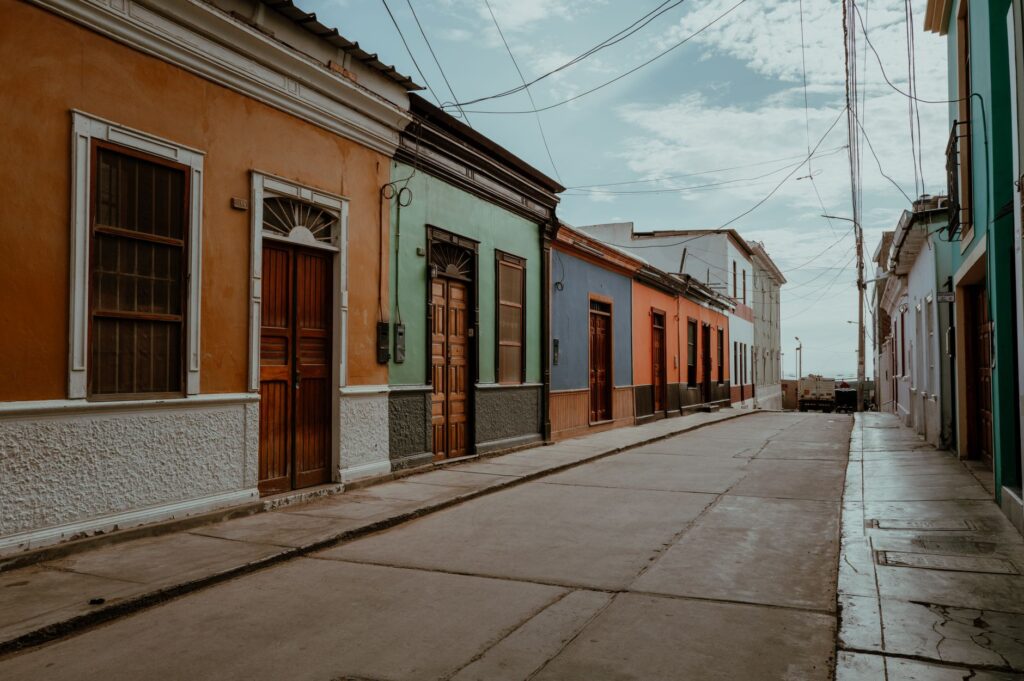
Despite institutional enthusiasm, urban development and sustainable tourism experts note that the path is fraught with obstacles. One of the most evident risks of energizing new territories is the premature onset of gentrification and real estate speculation. When a traditional neighborhood or rural zone begins attracting steady streams of higher-income visitors, living costs and rents tend to spike, pushing out the original residents who created the place’s cultural appeal. The district administration faces the monumental challenge of shielding communities against these market imbalances.
Furthermore, the challenge of infrastructure and connectivity persists. Many rural and peripheral areas targeted by the call lack optimal roads, efficient and safe public transport, and robust telecommunications coverage. Without these baseline conditions, promotional efforts can translate into frustration for both operators and visitors. Inter-institutional coordination among mobility, infrastructure, security, and economic development secretariats will be the ultimate test to determine whether this plan transcends paper and consolidates as an enduring state policy.
The Role of Technology and Contemporary Narrative
To compete with other Latin American capitals also investing in tourism diversification—such as Mexico City, Buenos Aires, or Medellín—Bogotá must update not only its physical routes, but also its digital narratives. The call includes incentives for developing technological platforms, augmented reality apps, and transmedia products allowing visitors to explore the city from non-linear perspectives. This ranges from geolocated sound routes narrating the hidden history of the capital’s subterranean rivers to oral memory digital archives compiled by neighborhood youth.

This contemporary approach seeks to seduce a hyper-connected traveler profile that values historical depth yet demands zero friction in booking, payment, and information access. Digitalizing community offerings not only democratizes access to the international market, but grants small entrepreneurs autonomy from large digital intermediaries, allowing them to retain a larger percentage of economic benefits generated by their daily labor.
Toward a New Pact Between Bogotanos and Their Territory
Beyond tourist arrival figures, hotel occupancy rates, or millions of pesos invested in incentives, the true success of this call will be measured by the transformation of the symbolic bond between residents and their own city. For decades, the average Bogotano has viewed tourism dynamics with suspicion or indifference, perceiving them as a foreign phenomenon destined exclusively for foreigners in the city center. By decentralizing offerings and bringing experiences to neighborhoods and rural edges, internal rediscovery is fostered.
Tourism ceases to be a showcase for outsiders and becomes a mirror where the city recognizes itself in its variegated and complex diversity.
This reunion is perhaps the most valuable legacy a public policy of this nature can leave. When a resident of Suba, Kennedy, or San Cristóbal becomes a host to their own heritage, perceptions of safety, civic pride, and territorial ownership undergo a radical shift. Public space ceases to be a hostile territory and transforms into an arena for intercultural encounter.
Perspectives and the Horizon of Consolidation
The opening of this call marks a turning point in the recent history of Bogotá’s tourism management. It is not an isolated measure, but the keystone of a medium-term strategy seeking to position the capital not merely as a transit city toward the Caribbean or the Coffee Triangle, but as an extended-stay destination capable of satisfying the most demanding traveler through its multiplicity of landscapes, flavors, and peoples.
Consolidating Bogotá as a global benchmark for community and sustainable tourism demands institutional perseverance, citizen vigilance, and an unwavering commitment to territorial equity.
The challenge has been issued, and the ball now rests in the court of local operators, collectives, and entrepreneurs who have the opportunity to present their projects and lead this silent revolution. The transformation of the Colombian capital’s tourism map has begun, and its success will depend on the ability to maintain balance between openness to the world and jealous preservation of what makes the savanna and its people unique.
Source in EN: Revista Semana