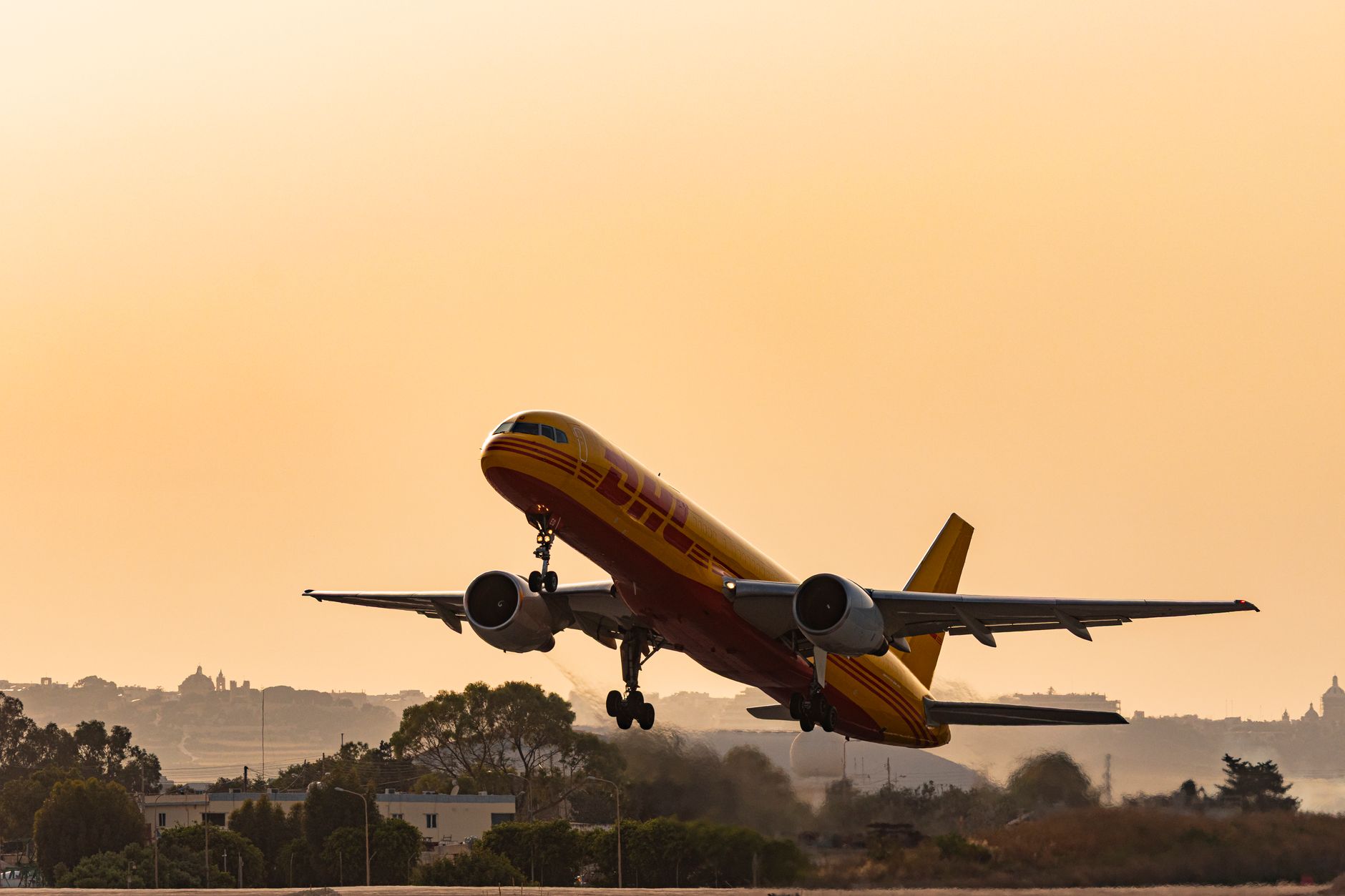

The Invisible Dilemma of Contemporary Air Travel
The global sky has never been busier, nor has it ever sparked such profound contradictions. In an era where the climate urgency demands drastic transformations across all economic sectors, commercial aviation represents one of the most complex challenges in modern engineering and environmental policy. Unlike land or maritime transport, where electrification and direct renewable energy sources show tangible progress, flying passengers thousands of meters high at high subsonic speeds requires an energy density that current batteries simply cannot provide. Aviation kerosene remains the undisputed king of wing fuel tanks, and the steady post-pandemic growth of passenger demand tests international decarbonization commitments.
Figures from the International Civil Aviation Organization (ICAO) reflect an uncomfortable reality: the aviation sector is responsible for approximately 2.5% to 3% of global carbon dioxide emissions, a proportion that increases significantly when considering non-CO2 effects, such as condensation trails and the formation of induced cirrus clouds that trap heat in the upper atmosphere. For global communities, governments, and operators alike, the dilemma does not consist of halting the connectivity that underpins the world economy, but rather in radically redefining how each aircraft is propelled.
The Crucial Role and Limits of Sustainable Aviation Fuels
At the core of the industry’s current strategy to achieve net-zero emissions by 2050 are Sustainable Aviation Fuels (SAF). These fuels are produced from alternative raw materials to fossil crude oil, ranging from used cooking oils and agricultural waste to carbon dioxide captured directly from the atmosphere combined with green hydrogen generated via renewable energies.
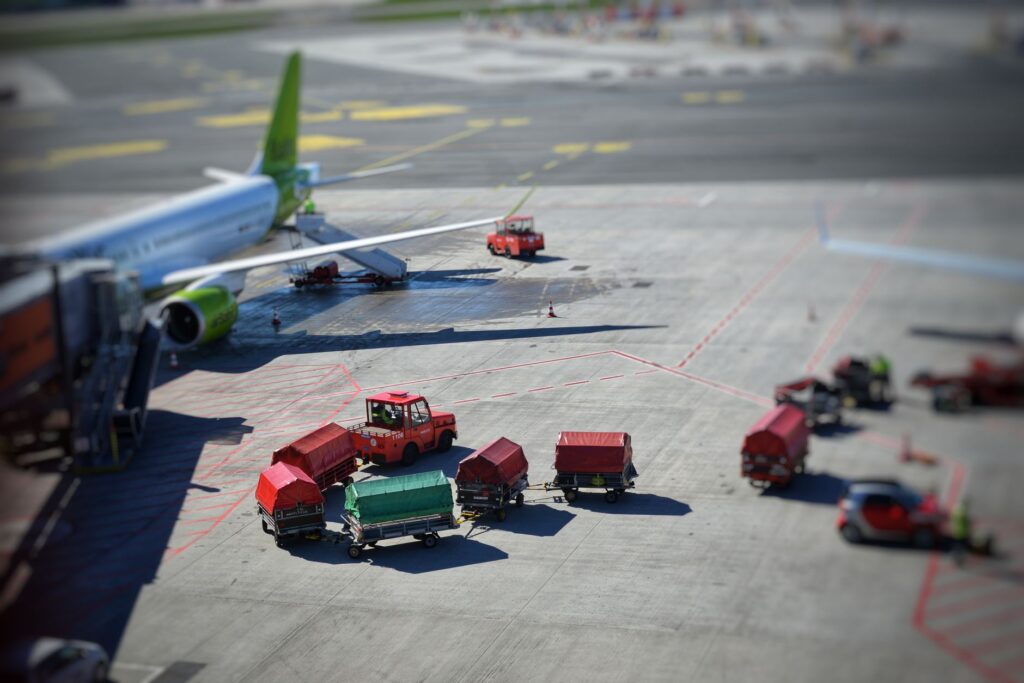
The great technical advantage of SAF is their drop-in nature. This means they can be blended with conventional kerosene in varying proportions—generally up to 50% under current certifications from engine manufacturers like Rolls-Royce, Safran, or General Electric—without requiring modifications to airport infrastructure, refueling systems, or existing commercial aircraft engines. However, the primary obstacle facing this alternative is not technological, but one of scale and economic cost.
The transition toward truly sustainable aviation depends not only on laboratory innovation, but on industrial capacity to produce clean alternatives at competitive prices and in massive volumes.
Currently, global SAF production accounts for less than 1% of total aviation fuel consumption. Production costs are two to four times higher than fossil kerosene due to a shortage of certified feedstocks and the complexity of biorefinery plants. Governments in the European Union, through legislative initiatives like ReFuelEU Aviation, have begun establishing mandatory blending quotas for airlines operating at European airports, demanding rising shares from 2025 until reaching a minimum of 70% by 2050. Nonetheless, securing a sufficient and sustainable supply without competing with food production or deforestation remains a formidable challenge.
Disruptive Innovation: Hydrogen and Electric Propulsion
While SAF acts as an indispensable bridge for the current fleet, aeronautical manufacturers look further ahead with research programs focused on disruptive technologies. Liquid hydrogen is emerging as the most promising candidate for short- and medium-haul flights starting next decade. Pioneer projects such as Airbus with its ZEROe initiative explore the design of commercial aircraft powered by hydrogen fuel cells or direct hydrogen combustion in modified engines.

Hydrogen offers superior energy density by mass compared to kerosene, but its volume is significantly larger, requiring a complete redesign of aircraft architecture by placing cryogenic tanks at the rear of the fuselage or altering traditional wing aerodynamics. Likewise, international airport infrastructure would need to be radically transformed to store, transport, and supply liquid hydrogen at temperatures of minus 253 degrees Celsius.
On the other hand, purely electric propulsion and hybrid systems are finding their niche in light regional aviation and urban air mobility. Electric Vertical Take-Off and Landing (eVTOL) aircraft promise to transform journeys between city centers and major airports. Nevertheless, for intercontinental commercial flights, current lithium-ion battery chemistry remains unviable due to excessive weight relative to stored energy, a critical factor where every extra kilogram exponentially increases energy consumption.
Operational Efficiency and Airspace Redesign
In the short term, the most effective and immediate measure to reduce commercial aviation emissions lies in operational optimization and the modernization of air traffic management systems. For decades, aircraft have flown along predetermined routes formed by terrestrial radio beacons, often forcing zig-zag or unnecessarily long paths.
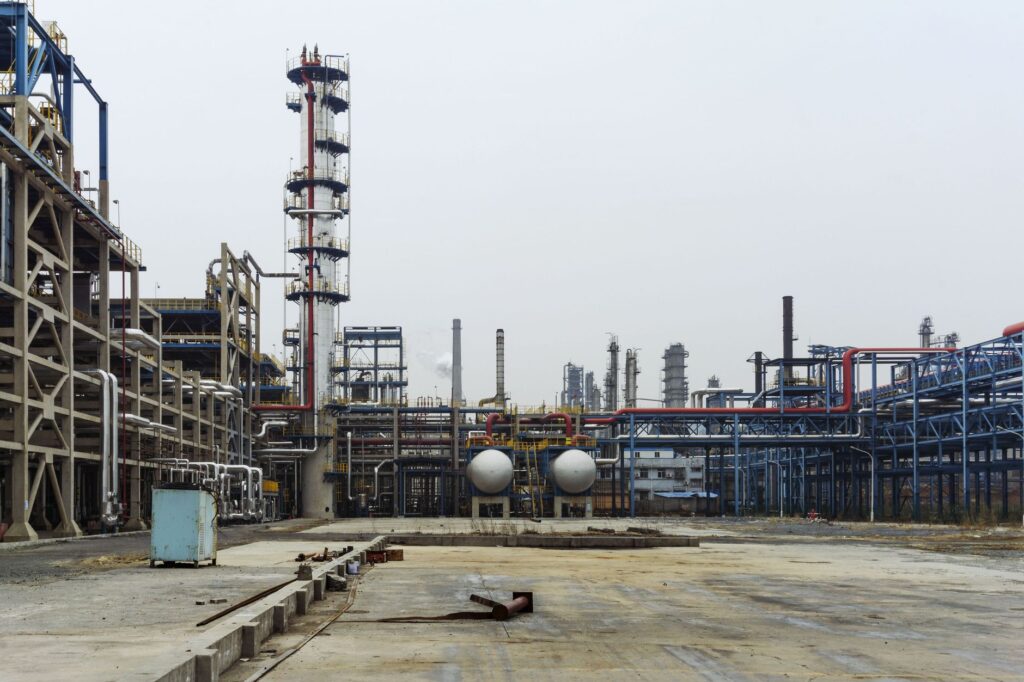
The concept of performance-based navigation and the gradual implementation of initiatives like the Single European Sky seek to optimize flight trajectories in real time using satellite systems. This enables airlines to fly direct point-to-point routes, descend continuously rather than in traditional stepped profiles, and drastically reduce taxi times on airport runways through electric tugs or shut-down engines during ground movement.
Furthermore, fleet renewal with next-generation aircraft—such as the Airbus A321neo or the Boeing 787 Dreamliner—brings fuel consumption and emission reductions of up to 25% compared to the models they replace, thanks to more efficient aerodynamics, lightweight composite materials, and state-of-the-art high-bypass engines.
The Impact of Fiscal Policies and International Regulation
The international regulatory framework plays a decisive role in accelerating or slowing down the sector’s ecological transition. The Carbon Offsetting and Reduction Scheme for International Aviation (CORSIA), promoted by ICAO, mandates that airlines offset the growth of their international net emissions above 2019 levels through the purchase of certified carbon credits in global reforestation or renewable energy projects.
However, CORSIA has faced constant criticism from environmental organizations arguing that offsetting does not equal direct emission reductions at the source and that many credits lack necessary additionality. In parallel, several European countries have introduced or debated specific taxes on kerosene and airline tickets to more realistically reflect the environmental cost of air travel, while promoting high-speed rail on domestic routes where a competitive alternative under three hours of travel exists.
Travel Planning and the Role of the Conscious Passenger
For travelers seeking to minimize their carbon footprint without sacrificing global mobility, informed planning has become an essential tool. Leading flight search engines and booking platforms now integrate estimates of CO2 emissions per passenger and journey, allowing comparisons of which airlines operate with modern fleets or which direct itineraries generate less atmospheric impact than multi-stop routes.
- Choose direct flights: Take-off and climb phases concentrate the highest fuel consumption and emissions per kilometer; avoiding layovers drastically reduces accumulated impact.
- Prioritize efficient airlines: Review airline sustainability reports to understand average fleet age and investment in SAF.
- Reduce unnecessary baggage: Every additional kilogram in the cargo hold or cabin increases total aircraft weight and energy expenditure during flight.
- Support voluntary SAF programs: Many airlines allow passengers to purchase additional offsets or contribute directly to sustainable fuel purchases when booking tickets.
Likewise, sustainable tourism experts recommend adopting the principle of longer stays. Instead of taking multiple short weekend flights throughout the year, consolidating travel time into longer stays at a single destination maximizes cultural and personal value while amortizing the initial energy cost of the long-haul flight.

The Technological Horizon: Pending Challenges Toward 2050
As the industry moves toward the midpoint of the 21st century, scientific consensus points to the absence of a single silver bullet, relying instead on a complex combination of technologies, regulations, and shifts in consumer habits. The viability of future air transport will depend critically on public and private investment in clean energy infrastructure, advanced materials science research, and the political will to enforce strict yet flexible regulatory frameworks that accompany airlines in their industrial transformation.
The challenge is monumental, but social pressure, oil price volatility, and regulatory demands are redefining the rules of the game. Flying truly sustainably is no longer a marketing option for major corporations, but an indispensable condition for the long-term survival of an industry that connects continents, cultures, and entire economies.
The true success of the ecological transition in aviation will not be measured by the quantity of long-term corporate promises, but by the actual speed with which global airports and fleets adopt scalable and verifiable renewable energies.
Practical traveler information: Before planning your next air travel, consult climate transparency tools such as the ICAO portal or independent certified calculators to evaluate actual route emissions. Verify if your departure airport has SAF supply points and choose operators publishing emission inventories audited by independent third parties. The aviation of the future is built today through information and shared responsibility.