Voyage Through Norway’s Fjord Channel: Coastal Navigation and Maritime Exploration Guide
An exhaustive journey through the traditional maritime routes of Western Norway, analyzing coastal ferry services, Hurtigruten operations, and planning nautical expeditions across deep fjords.
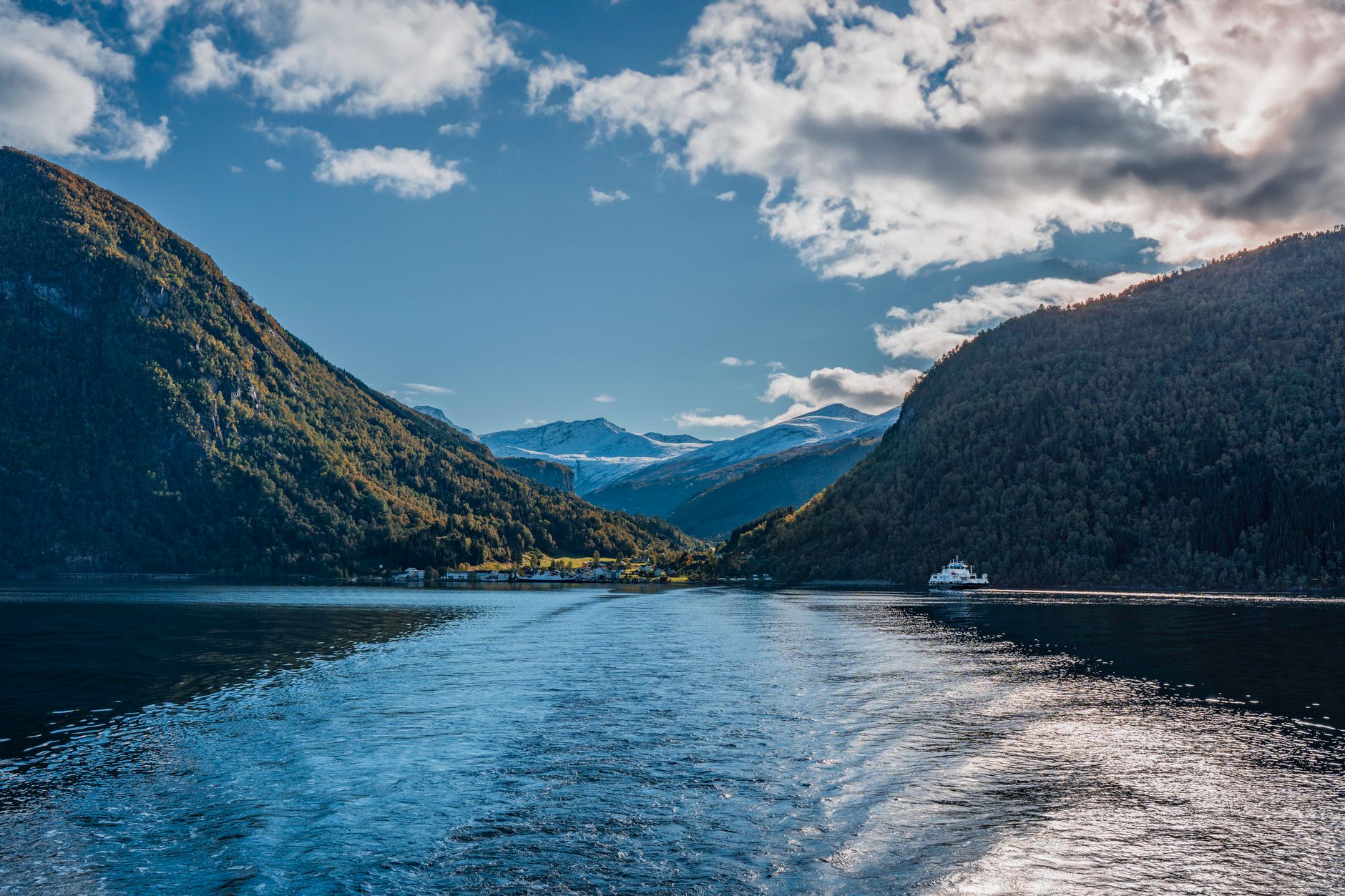
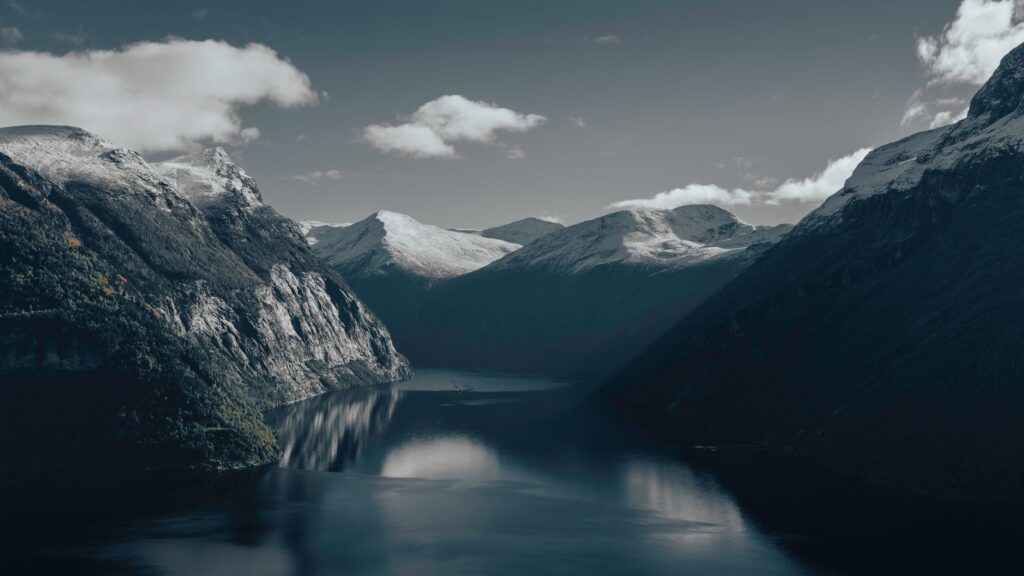
The western coastline of Norway is not merely a geographical feature; it constitutes a system of liquid arteries where navigation has been, for millennia, the sole means of survival and connection. Far from asphalt highways, the true pulse of this region moves to the rhythm of the tides, North Sea winds, and the constant passage of coastal ferries. For the contemporary traveler seeking to understand the seafaring essence of the country, delving into the fjords via historic maritime routes offers a perspective radically different from conventional tourism.
This guide addresses with logistical and journalistic rigor the water transport infrastructure in the counties of Vestland and Møre og Romsdal. We analyze essential connections, the evolution of passenger vessels, offshore safety protocols, and the keys to designing a sustainable nautical itinerary deeply connected to the local communities inhabiting the base of vertical cliffs.
Living History of Coastal Traffic: From Fjordabåt to the Coastal Express
The history of navigation in Norwegian fjords is intrinsically linked to the concept of Samferdsel, the state policy of guaranteeing reliable communications along a coast carved by thousands of kilometers of saltwater inlets. In the late 19th century, the introduction of local steamers, popularly known as fjordabåter, transformed the isolated life of small fishing settlements. These ships transported not only passengers but also mail, livestock, provisions, and building materials.
In 1893, the route known today as the Hurtigruten or Coastal Express was inaugurated, conceived to unite Bergen with Kirkenes in the Arctic extreme throughout the year. Although in recent decades the fleet has modernized, incorporating hybrid technology and a focus on expedition cruising, the backbone of the service continues to fulfill an essential public transport function. Understanding this duality between commercial line and scenic cruise is the first step to traveling with discernment through these waters.
The Ferry Network: The Indispensable Link of the Coastal Route
The road network of western Norway, integrated into the European route system, depends critically on vehicle and passenger ferries operated by companies such as Fjord1, Torghatten Nord, and Norled. These ferries act as floating bridges over fjords whose width and depth make traditional suspension bridges or underwater tunnels unfeasible.
Planning a trip along the Norwegian coast requires mastering the schedules and seasonality of these lines. On key routes such as the crossing between Oppedal and Lavik in the Sognefjord, or crossing the Geirangerfjord, frequency is high during the summer season but drops drastically between October and April. It is essential to consult official public transport planning platforms, such as Entur, to verify fares based on vehicle length and passenger count, as well as potential restrictions due to adverse weather conditions.
The Passenger Express Network (Hurtigbåt): Speed Among Fjords
In addition to heavy vehicle ferries, Norway operates an extensive network of high-speed passenger catamarans known as hurtigbåter. These vessels connect cities like Bergen, Florø, Måløy, and Ålesund through protected channels and exposed open sea stretches.
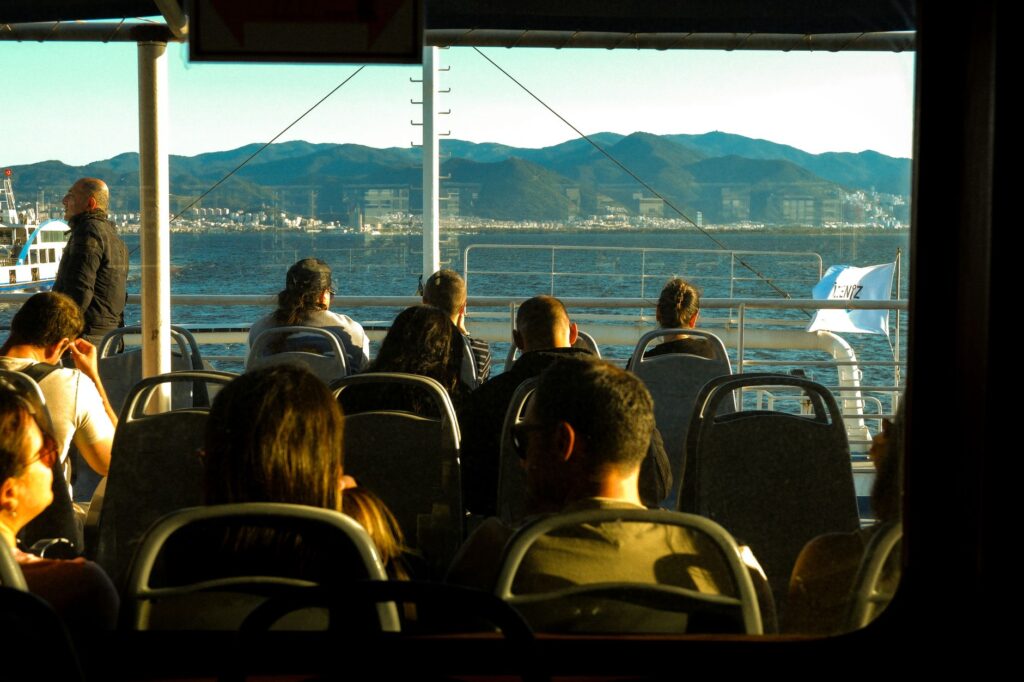
Unlike traditional ferries, passenger expresses prioritize speed and comfort on medium-distance journeys for local residents and professionals. For travelers, they represent an excellent opportunity to make island-to-island leaps without relying on a car. However, baggage policies are stricter, and on days with heavy swell in exposed stretches like Stadhavet, cancellations or itinerary modifications are common, so travelers must always maintain temporal flexibility.
Navigation in Open Sea: The Challenge of Stadhavet and Hustadvika
Navigating the fjords offers a false sense of perpetual calm thanks to the natural protection of mountains. However, coastal journeys often have to cross open ocean stretches where North Atlantic currents and polar winds converge. Two critical points in any maritime route through western Norway are Stadhavet and Hustadvika.
Stadhavet is considered one of the most dangerous stretches of the Norwegian coast due to the absence of protective islands and the relentless force of the weather. To mitigate this historical risk, the Norwegian government is advancing the ambitious Stad Ship Tunnel project, designed to allow medium-sized vessels to bypass the open cape. Meanwhile, ship captains apply strict safety protocols and occasionally divert routes through interior channels when the sea forces meteorological alerts.
Technological Transition: Electric Ferries and Sustainability at Sea
In recent years, Norway has become the undisputed global leader in coastal maritime transport decarbonization. The massive introduction of battery-powered ferries and fast-charging systems at docks has revolutionized the sector. Ships like the Ampere demonstrated the commercial viability of operating regular routes with zero direct carbon emissions.
For the traveler, this translates into a noticeably quieter and cleaner navigation experience, especially when entering UNESCO World Heritage fjords such as the Nærøyfjord and Geirangerfjord, where environmental regulations are increasingly restrictive for traditional internal combustion engines. This transition reflects the Nordic country’s commitment to preserving the fragility of its aquatic ecosystems.
The silence of an electric ferry gliding between thousand-meter rock walls redefines the relationship between humans and the marine landscape, replacing diesel roar with the murmur of water cut by the bow.
Logistical Planning: Rail and Air Connections to the Nautical Network
A successful maritime itinerary through the fjords requires perfect intermodal synchronization. The main gateway to the region is Bergen-Flesland Airport (BGO), connected to the city center via the Bybanen light rail. Departing from Bergen’s railway station is the historic Bergen Railway (Bergensbanen), considered one of the most beautiful train journeys in the world, linking with Oslo.
From Bergen’s urban docks, travelers can embark directly northward. Likewise, Ålesund Airport (AES) and the railway terminal in Åndalsnes, the terminus of the Raumabanen Railway, offer ideal alternative access points for those wishing to explore central fjords without driving long distances. Advance booking of vehicle slots on main ferries during July and August is an indispensable requirement to avoid itinerary deadlocks.
Safety, Weather, and Equipment for Navigators
Weather conditions on the western Norwegian coast are notoriously fickle. A day of radiant sunshine and crystal-clear waters can transform within hours into a horizontal rainstorm and gale-force wind gusts. Local weather applications like Yr.no, developed by the Norwegian Meteorological Institute and NRK, are mandatory consultation tools before starting any water journey.
It is recommended to always travel with high-quality windproof and waterproof clothing, merino wool thermal layers, and footwear with non-slip soles for walking on wet decks. On extended journeys aboard local vessels, it is advisable to bring light provisions, although most modern ships feature cafeterias with regional products.
Practical Information for Travelers
Currency and Payments: The Norwegian Krone (NOK) is the official currency. Practically all transport operators accept international credit and debit cards; cash payment is increasingly unusual at terminals and on board.
Regional Transport Cards: Systems like Skyss in Vestland or FRAM in Møre og Romsdal allow discounts via rechargeable stored-value cards, though for occasional tourists, the digital single ticket is usually more practical.
Connectivity: 4G and 5G mobile coverage is excellent across almost the entire coast, making it easy to check route statuses and sailing schedules in real time.
Environmental Respect: Throwing waste into the water is strictly prohibited. Norwegian ports have advanced infrastructure for waste management and recycling.
Conclusion and Perspective of Coastal Travel
Traveling through the channel of the Norwegian fjords via its maritime transport network is an exercise in immersion in the culture of a people shaped by the sea. Far from the speed of continental highways, the coastal journey invites pause, rigorous observation of the environment, and respect for routes that have kept the western population alive for centuries. With meticulous ferry planning, respect for weather alerts, and the choice of sustainable transport methods, the nautical adventure through western Norway reveals itself as one of the most rewarding travel experiences on the European continent.
ATLAS LUME · ANTES DE VIAJAR
Una lectura que continúa en el destino
DocumentaciónComprueba visados, requisitos sanitarios y vigencia de documentos en fuentes oficiales.
ReservasConfirma el precio final, impuestos y condiciones directamente con el proveedor.
Viaje responsableRespeta las comunidades, el patrimonio y los ecosistemas locales.