The New Era of Ocean Travel: Purpose-Driven Expeditions for 2026
The global travel horizon for 2026 marks a decisive shift toward a conscious reconnection with the planet’s vast aquatic wilderness. After years dominated by hyper-connected urban itineraries, international travelers are turning their sight toward remote coastlines, protected marine reserves, and coastal communities that have fostered a harmonious balance with the sea. The central ethos for the upcoming annual cycle is not merely coastal leisure, but respectful immersion into marine sanctuaries where oceanographic conservation, citizen science, and maritime heritage seamlessly converge.
Projections from the international travel industry confirm that the 2026 traveler prioritizes destinations governed by strict carrying-capacity policies, active coral restoration projects, and carbon-neutral marine transport. Demand for low-impact experiences in pelagic ecosystems and pristine seashores has outpaced conventional beach resort holidays. Against this global backdrop, ten remarkable marine regions stand out as the pinnacle of ocean beauty and environmental stewardship.
2>1. Raja Ampat Archipelago (Indonesia): The Heart of the Coral Triangle
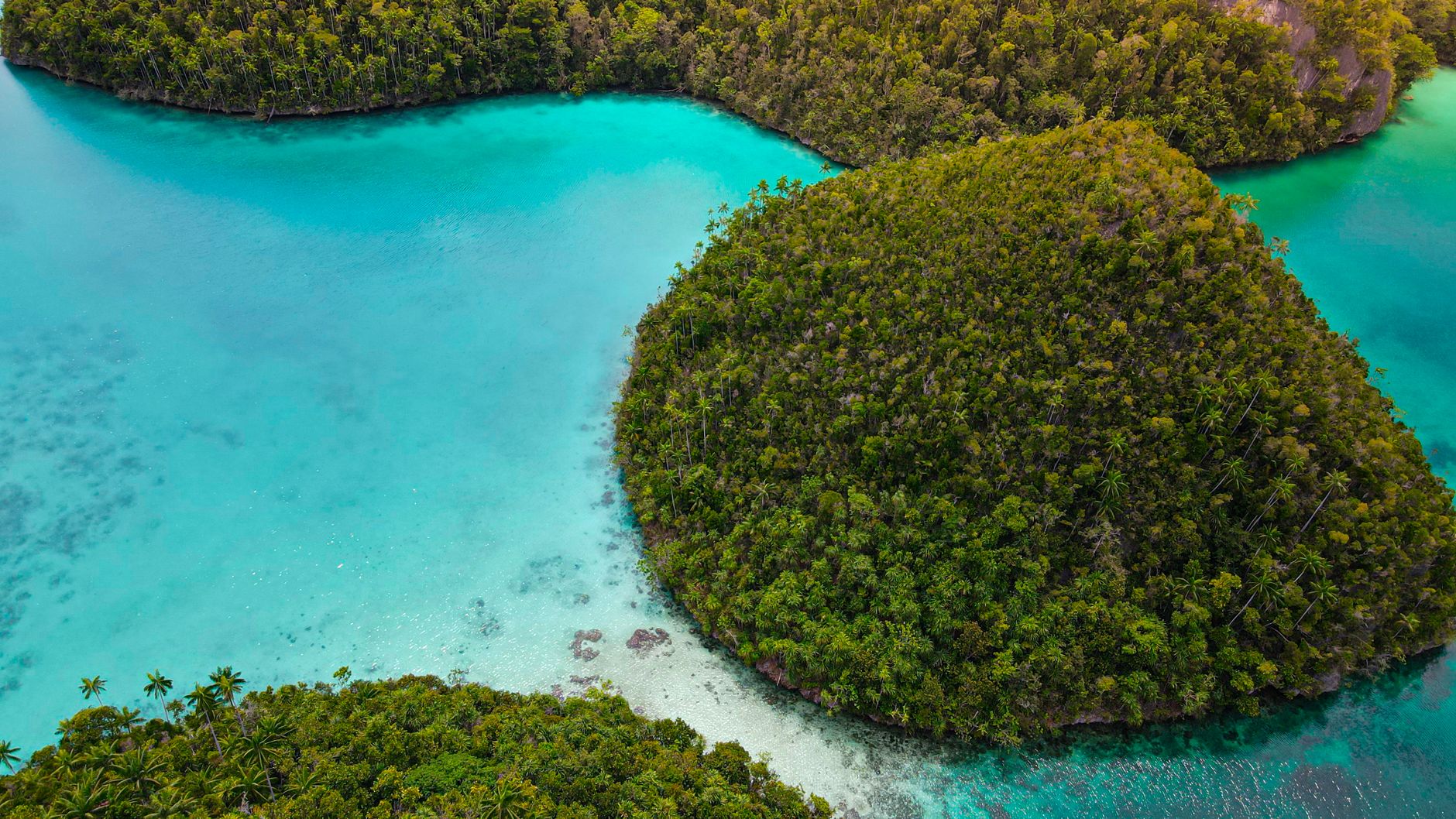
Situated off the coast of West Papua, the labyrinthine archipelago of Raja Ampat solidifies its standing as the world’s epicenter of marine biodiversity. Comprising over fifteen hundred karst islands, islets, and cays, this region harbors more than seventy-five percent of all known coral species on Earth. In 2026, local community co-management frameworks and marine protected areas provide a global gold standard for sustainable blue tourism.
Navigating the crystal-clear turquoise passages between the limestone karst spires of Wayag or Misool reveals underwater ecosystems flourishing in pristine health. Dense gardens of hard and soft corals thrive beneath gentle waves, while oceanic manta rays, wobbegong sharks, and massive shoals of reef fish inhabit the nutrient-rich currents. Travel in Raja Ampat centers around low-impact eco-lodges and family-run homestays, ensuring that financial benefits directly empower the traditional guardians of these waters.

2>2. The Azores Archipelago (Portugal): Atlantic Sanctuary for Ocean Conservation
Emerging from the North Atlantic with lush, crater-pocked volcanic landscapes, the Azores archipelago represents the forefront of European ocean conservation. These nine Portuguese islands have implemented an ambitious network of marine protected areas safeguarding critical migration corridors for cetaceans, sea turtles, and pelagic seabirds.
The deep ocean trenches surrounding islands such as Pico, Faial, and São Miguel offer one of the finest ethical whale-watching environments on Earth. Over twenty-four species of cetaceans either reside in or pass through these waters throughout the year, ranging from resident sperm whales to migratory blue whales. The Azores lead European sustainable tourism by enforcing strict limits on vessel numbers and promoting active scientific monitoring with passenger involvement. On land, coastal hiking trails along basalt cliffs and geothermal calderas complete a deeply grounding natural experience.
3. Ningaloo Reef and Exmouth Gulf (Western Australia): The Coastal Fringe Wonder
Unlike many of the world’s barrier reefs, Ningaloo Reef is renowned for its immediate accessibility from the shore, stretching along nearly three hundred kilometers of Western Australia’s Indian Ocean coastline. A UNESCO World Heritage site, Ningaloo offers rare encounters with marine megafauna within an exceptionally well-regulated marine park.
From March through July, the reef hosts the world’s largest seasonal concentration of whale sharks. Strictly managed swim programs with these gentle giants adhere to protocols designed to protect animal welfare at all costs. Later in the season, humpback whales and manta rays fill the reef lagoons. The dramatic transition from the arid red gorges of Cape Range National Park to the turquoise coral edge creates one of the most striking natural frontiers on Earth.
blockquote>The true luxury of modern travel lies in witnessing intact ecological processes without disrupting their fragile internal balance.
4. Fernando de Noronha (Brasil): The South Atlantic’s Guarded Sanctuary
Located roughly three hundred and fifty kilometers off Brazil’s northeastern coast, the archipelago of Fernando de Noronha is a benchmark for visitor management and island ecology preservation. With restricted daily arrivals and an environmental preservation tax directly funding marine conservation, Fernando de Noronha keeps its bays in pristine condition.

Baía dos Porcos and Baía do Sancho, repeatedly ranked among the world’s most beautiful beaches, feature crystal waters with exceptional clarity inhabited by green sea turtles, reef sharks, and vibrant fish schools. Baía dos Golfinhos provides a safe haven where hundreds of spinner dolphins gather daily to rest and breed. The strict regulation of visitor numbers by Brazilian authorities guarantees an intimate and educational marine observation experience.
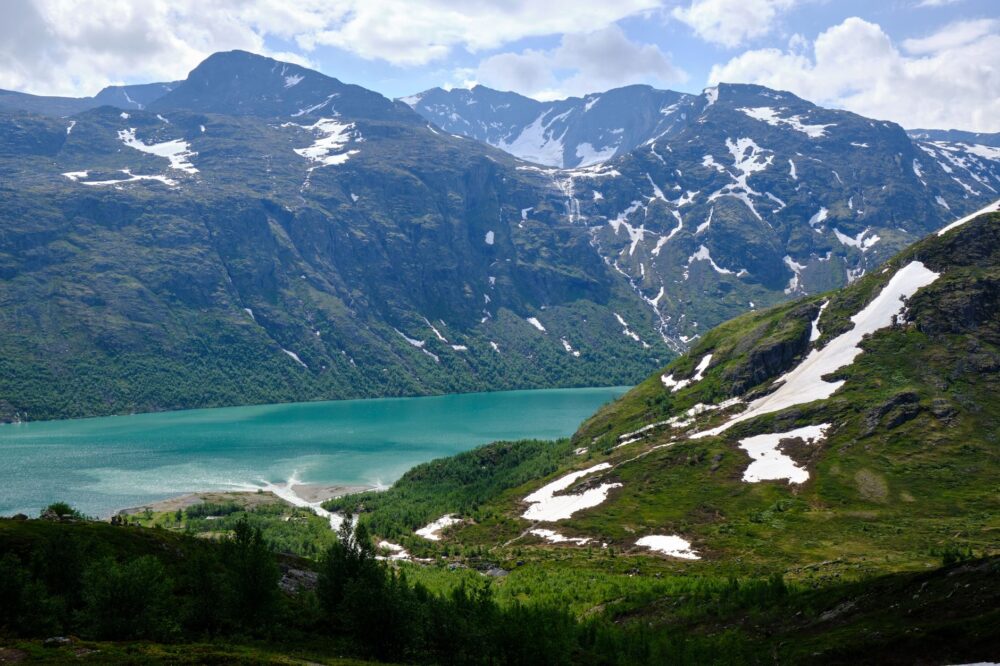
5. Lofoten Islands and Northern Fjords (Norway): Arctic Marine Wilderness
In high northern latitudes where granite peaks rise sheer from the icy waters of the Norwegian Sea, the Lofoten Islands present a dramatic intersection of maritime heritage and subarctic ecology. The archipelago pairs historic fishing villages with wild, awe-inspiring marine landscapes.
By 2026, Lofoten’s travel experience centers on silent coastal exploration using hybrid and electric vessels that traverse deep fjords without disturbing wildlife. Winter brings herring migrations that attract pods of killer whales and humpbacks, while northern lights illuminate the Arctic night. In summer, the midnight sun allows for continuous sea kayaking and coastal trekking across white-sand beaches bordering arctic ocean waters.
6. Galápagos Marine Reserve (Ecuador): Expanding the Pelagic Frontier
The Galápagos Archipelago remains a universal touchstone for evolutionary biology and premier nature travel. With the consolidation of the Hermandad Marine Reserve—connecting Ecuadorian waters with marine corridors in Costa Rica, Panama, and Colombia—Galápagos strengthens its role as a premier ocean sanctuary.

Small-scale expedition vessels and specialized dive charters offer access to the convergence zone of three major ocean currents. Underwater sites at Darwin and Wolf islands showcase vast schools of scalloped hammerhead sharks, foraging marine iguanas, playful Galapagos sea lions, and endemic penguins. The Galápagos conservation model proves that high-value expedition travel can serve as the primary economic engine for marine research.
7. Chocó Coast and Nuquí (Colombia): Where Rainforest Meets the Pacific
Along Colombia’s Pacific coastline, dense tropical rainforest cascades down steep mountains directly to dark volcanic sand beaches and rocky coves. The Nuquí region and Utría National Natural Park form one of the most biodiverse corridors on the American continent and a vital nursery for humpback whales migrating from the Antarctic.
Between July and November, warm, calm inlet waters host thousands of humpbacks rearing their calves. Visiting this region provides a profound contrast between pelagic marine life and the rich heritage of Afro-Colombian and indigenous Emberá communities, whose traditional ecological knowledge guides local community-based ecotourism initiatives.
8. Poor Knights Islands and Bay of Islands (New Zealand): Ethical Diving in Aotearoa
Off the coast of New Zealand’s North Island, the Poor Knights Islands Marine Reserve is internationally acclaimed for its underwater arches, sea caves, and subtropical marine life. Fully protected from fishing for decades, the marine environment boasts an extraordinary density of subaquatic fauna.
Warm currents sweeping down from the Coral Sea nourish giant kelp forests frequented by stingrays, moray eels, and massive schools of pelagic fish. Rikoriko Cave, one of the world’s largest sea caves by volume, offers incredible acoustic resonance and atmospheric diving. The indigenous Māori cultural heritage imbues the journey with a deep understanding of kaitiakitanga—the sacred responsibility of environmental guardianship.
blockquote>Voyaging in harmony with the sea requires setting aside haste and viewing the ocean as a living entity that demands our active stewardship.
9. Skeleton Coast and Walvis Bay (Namibia): The Desert Ocean Boundary
The western edge of Southern Africa features one of the planet’s most dramatic coastal environments: the exact meeting point where the hyper-arid Namib Desert dunes plunge into the cold, nutrient-laden Benguela Current of the Atlantic Ocean. The Skeleton Coast and Walvis Bay region offer raw beauty and marine life uniquely adapted to extreme conditions.
Low-impact catamaran tours in Walvis Bay showcase massive Cape fur seal colonies, endemic Benguela dolphins, and thousands of flamingos gathering in shallow coastal lagoons. Historic shipwrecks scattered along the shoreline serve as poignant visual reminders of the ocean’s unyielding power, attracting photographers and expeditionary travelers seeking uncharted horizons.
10. Outer Hebrides and St. Kilda (Scotland): Wild North Atlantic Majesty
On the far northwestern edge of Europe, the Outer Hebrides and the remote archipelago of St. Kilda rise from the turbulent North Atlantic. Designated a dual UNESCO World Heritage site for both natural and cultural significance, St. Kilda supports massive seabird colonies, including Atlantic puffins, northern gannets, and storm petrels.
Navigating these waters requires an expedition mindset and deep respect for maritime conditions. The Hebrides demonstrate that cold North Atlantic waters shelter marine ecosystems as magnificent and vulnerable as tropical reefs. The journey is enriched by encounters with traditional Gaelic-speaking island communities maintaining historical connections to small-scale coastal fishing and seamanship.

Practical Guidelines for Responsible Ocean Travelers in 2026
Planning a marine-focused expedition in 2026 demands adherence to rigorous ethical standards and logistics planning. Key recommendations for a positive impact include:
- Choose Certified Operators: Select locally integrated operators holding validated environmental certifications, marine biology staff, and strict zero-disturbance wildlife protocols.
- Sunscreen and Reef Care: Use exclusively non-nano mineral sunscreens (free of oxybenzone and octinoxate) to prevent chemical toxicity in coral reefs and coastal habitats.
- Advance Booking and Capacity Limits: Most protected reserves maintain strict daily quota limits. Permit and lodging logistics should be arranged six to twelve months in advance.
- Support Local Economies: Prioritize locally owned accommodations, dining, and guiding services to ensure travel revenues directly fund community development and environmental protection.
Editorial Reflection: The Enduring Value of Wild Waters
Exploring the world’s great ocean destinations in 2026 is a commitment to the health of our planet. These ten destinations prove that breathtaking natural beauty endures where human activity accepts firm boundaries. The future of ocean travel is measured not by distance covered, but by the depth of respect we leave behind on every shore.
As travelers enter these protected waters, their perspective fundamentally shifts: the ocean ceases to be a scenic backdrop and reveals itself as the living heart of Earth’s climate and biodiversity.
Source: news.google.com