Introduction to the Edge of the Patagonian World
Torres del Paine National Park, located in the Magallanes and Chilean Antarctica region, represents one of the most awe-inspiring natural sanctuaries on the planet. Within its ice-sculpted and wind-swept geography, the W Trek stands out as the most celebrated hiking route in southern Patagonia. Spanning approximately 70 to 80 kilometers, depending on starting points and chosen variants, this route connects glacial valleys, native lenga forests, and the iconic base of the granite towers that give the park its name. Completing this traverse demands absolute respect for weather conditions and meticulous planning to ensure both walker safety and the preservation of a fragile, highly protected ecosystem.
Unlike low-mountain trails, the climate of Torres del Paine operates under its own rules, characterized by gale-force winds that can exceed 100 kilometers per hour and drastic thermal shifts in a matter of minutes. Understanding the terrain and physical preparation are not mere recommendations, but essential prerequisites for enjoying an experience that combines steppe vastness with the rigor of the Patagonian Andes. Each stage of the route offers a different perspective of the southern ice fields, revealing the scale of a landscape where the human scale fades against geological monumentality.
Geography and Natural Environment of the Park
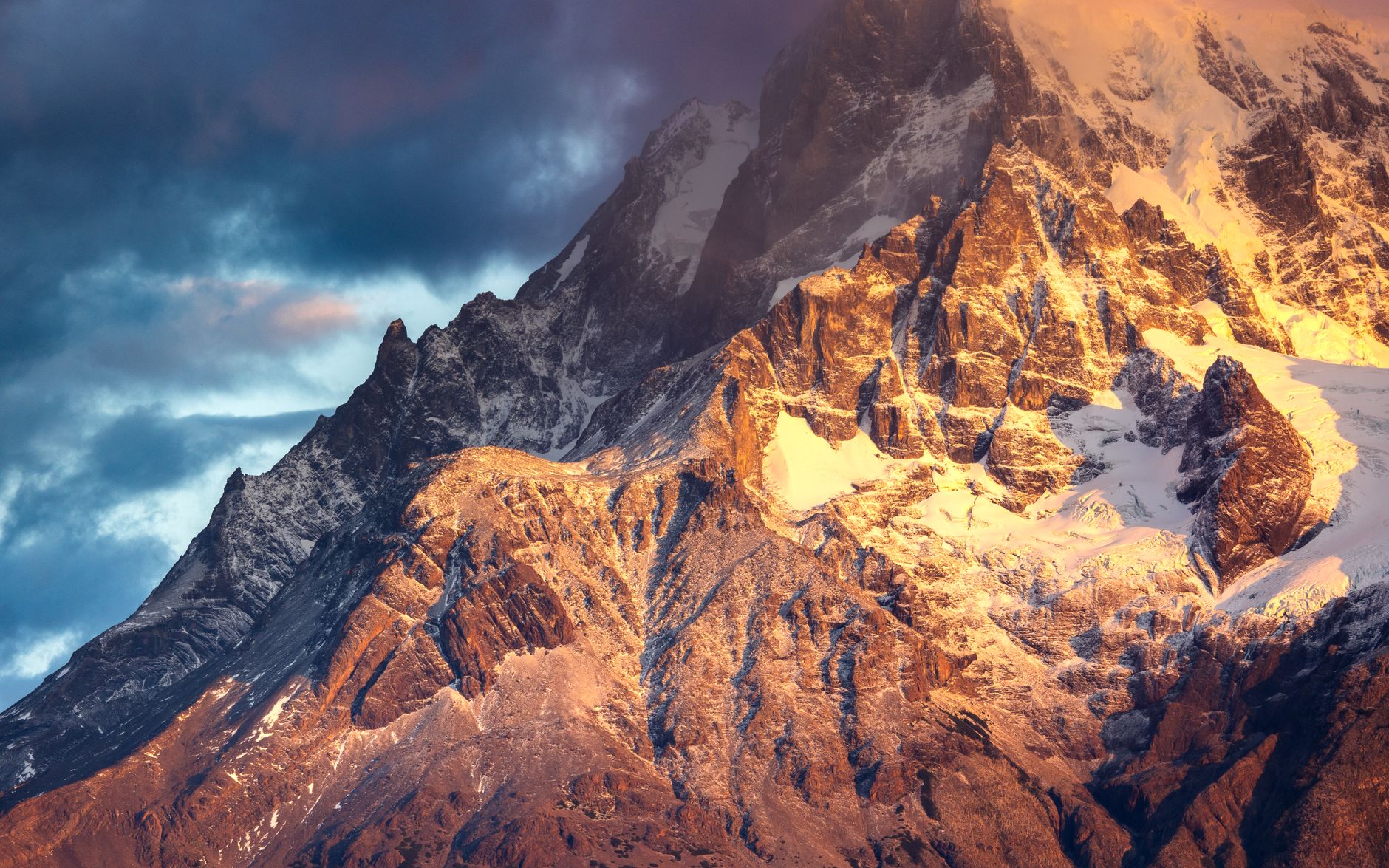
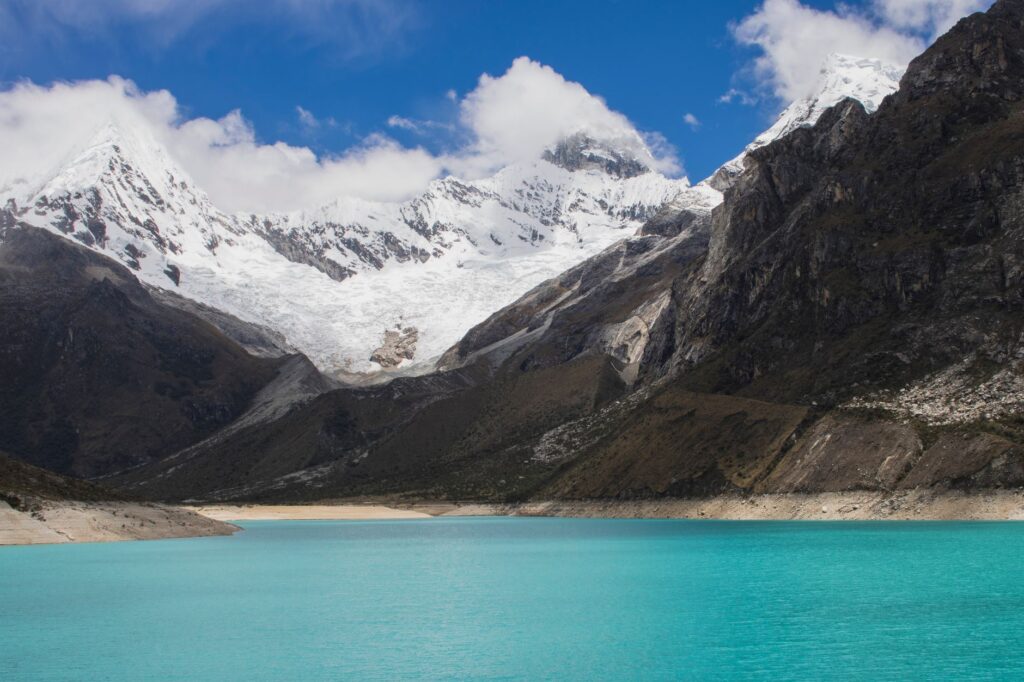
The backbone of the park is formed by the Paine Massif, an intrusive granite formation that contrasts sharply with the surrounding sedimentary rocks. This rugged relief is the result of tectonic processes and the erosive action of ancient glaciers that have carved U-shaped valleys, fjords, and lakes of intense turquoise hues, fed by mineral runoff and glacial rock flour. Lakes like Nordenskjöld, Pehoé, and Grey act as giant mirrors reflecting snow-capped peaks, creating a visual setting of immeasurable landscape value.
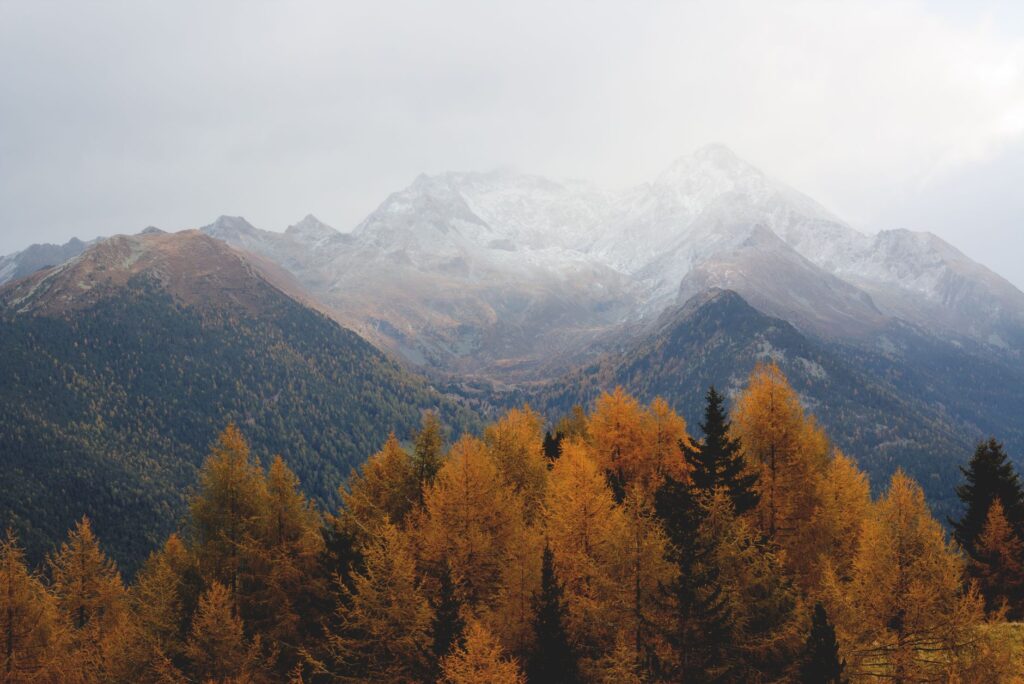
The biodiversity of the area adapts perfectly to the harshness of the subpolar climate. Forests are dominated by deciduous species such as the lenga (Nothofagus pumilio) and ñire (Nothofagus antarctica), whose ochre and reddish tones dominate the landscape during the southern autumn. As for wildlife, it is common to spot guanacos grazing in open prairies, culpeo foxes lurking at trail margins, and, with some luck, the majestic Andean condor soaring on thermal currents descending from rocky peaks.
Logistical Planning and Seasonality
The success of an expedition to the W Trek depends almost entirely on correct logistical anticipation. The official hiking season runs from October through April, coinciding with the southern hemisphere spring and summer, a period when daylight hours are more abundant and temperatures are less extreme. However, January and February concentrate the highest flow of visitors, requiring advance booking of accommodations, campsites, and transport months ahead through official operators and the National Forestry Corporation (CONAF).
Overnight options along the route are divided between privately managed refuges, offering beds, meals, and basic services, and free or concession-managed campgrounds intended for those carrying their own camping gear. It is crucial to remember that free camping outside authorized sites is strictly prohibited throughout the park to protect endemic flora and prevent wildfires, a historical threat to the region.
Access and Approach Routes
The traditional starting point for most travelers is the city of Punta Arenas or Puerto Natales. From Puerto Natales, which serves as the logistical and supply hub for southern Patagonia, daily bus services connect to Laguna Amarga Portería, the main entrance to Torres del Paine National Park. The road journey offers a visual introduction to the Patagonian steppe, skirting the Last Hope Sound and crossing vast expanses of steppe where the horizon seems to stretch indefinitely.
Once inside the park, internal connectivity is achieved via catamarans crossing Lake Pehoé or authorized vehicles transporting hikers to key hubs like Pudeto or the Las Torres Hosteria. Choosing the direction of the route—either west-to-east, starting at Grey Glacier, or east-to-west, starting at the Towers—depends on personal preferences and campsite reservation availability, though both options present equivalent physical challenges.
First Stage: The Ascencio Valley and the Base of the Towers
The eastern sector of the W Trek usually hosts the most emblematic start or end of the traverse: the ascent to the Base Torres Mirador. From Hotel Las Torres or Chileno campsite, the trail climbs steadily through a forested valley, crossing footbridges over meltwater streams before entering a glacial moraine. This final stretch, characterized by unstable terrain of large boulders and loose rock, demands maximum concentration and balance.
Cresting the moraine, the physical effort is rewarded with one of the most famous postcards in global mountaineering: three towering granite spires rising vertically above a milky glacial lagoon. This spot is ideal for grasping the magnitude of the Paine Massif under the changing morning light, when the stone walls acquire intense reddish hues from the sunrise reflecting off the rock.
Patagonian wind is not merely a climatic obstacle; it is a living geological force that constantly reshapes the experience of walking at the edge of the continental ice sheet.
Second Stage: The French Valley and the Heart of the Massif
Continuing westward along the turquoise waters of Lake Nordenskjöld, the trail reaches the Cuernos campsite area and subsequently the Italian campsite, from where the penetration into the French Valley begins. This natural amphitheater of rock and ice is flanked by vertical walls and hung with hanging glaciers that continually shed blocks of ice, generating a roar similar to distant thunder.
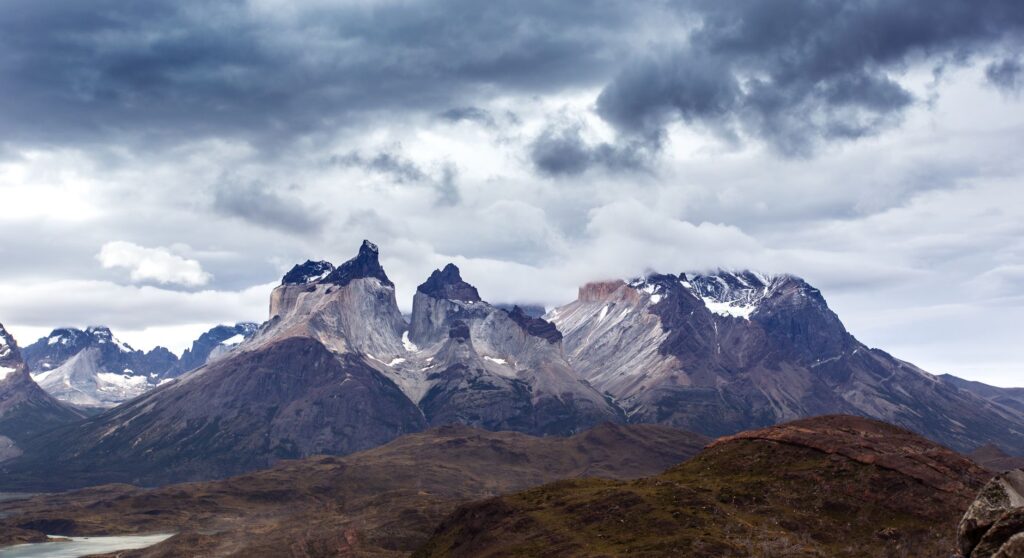
The climb up the French Valley to the British Mirador offers a 360-degree perspective on the main Paine horns, the Sword, the Blade, and the Shark Fin. It is one of the most technical and physically demanding sections of the route, where the trail serpentines among ancestral tree roots and damp boulder fields. The presence of park rangers in the sector ensures safety and provides up-to-date information on weather conditions and terrain status.
Third Stage: Grey Glacier and the Southern Ice Fields
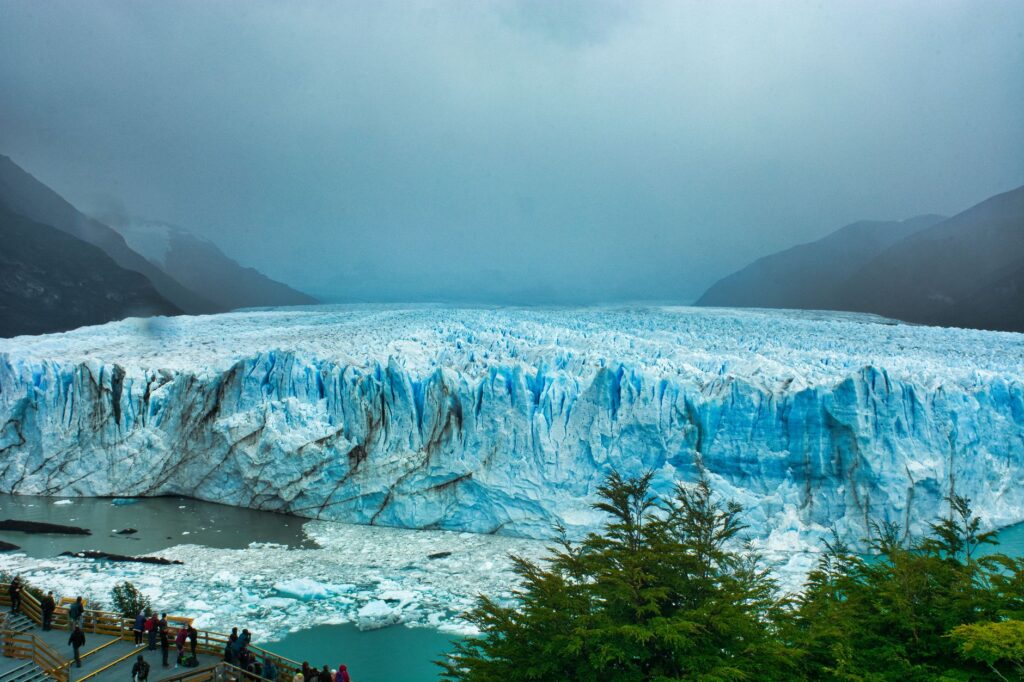
The final western section of the route leads toward the majestic Grey Glacier, a massive tongue of ice that forms part of the Southern Patagonian Ice Field, the third-largest fresh water reserve in the world. The trail ascends rolling hills that afford glimpses of early icebergs drifting in the dark waters of Lake Grey, detached from the glacier’s front wall.
Crossing the suspension bridges spanning deep canyons before reaching Grey Refuge is an experience charged with adrenaline and visual beauty. From the main viewpoint, the view is lost in an endless white horizon of ancient ice descending from the high peaks into the interior valleys, a living testimony to the glacial processes that shaped the southern hemisphere during past geological eras.
Conservation Rules and Leave No Trace Principles
Torres del Paine National Park receives tens of thousands of visitors each year, generating considerable environmental pressure on trails and surrounding fragile ecosystems. To mitigate this impact, strict regulations based on Leave No Trace principles are enforced. Campfires are prohibited throughout the park, smoking outside designated areas is forbidden, using gas stoves in unauthorized spots is banned, and littering—including organic waste that can alter native wildlife diets—is strictly penalized.
Likewise, hikers must strictly adhere to marked paths to prevent soil erosion and the destruction of protected vegetation. Solid waste management is the absolute responsibility of every visitor, who must carry out their trash to designated collection points at the main gates or refuges. The preservation of this natural sanctuary depends on collective responsibility and the ethical commitment of every walker traversing its paths.
Practical Information for the Traveler
Recommended Season: October through April (southern spring and summer), featuring better general weather conditions but higher visitor volumes.
Permits and Reservations: Advance booking of refuge spaces (CONAF, Vertice Patagonia, and Fantastico Sur) months prior to park entry is mandatory.
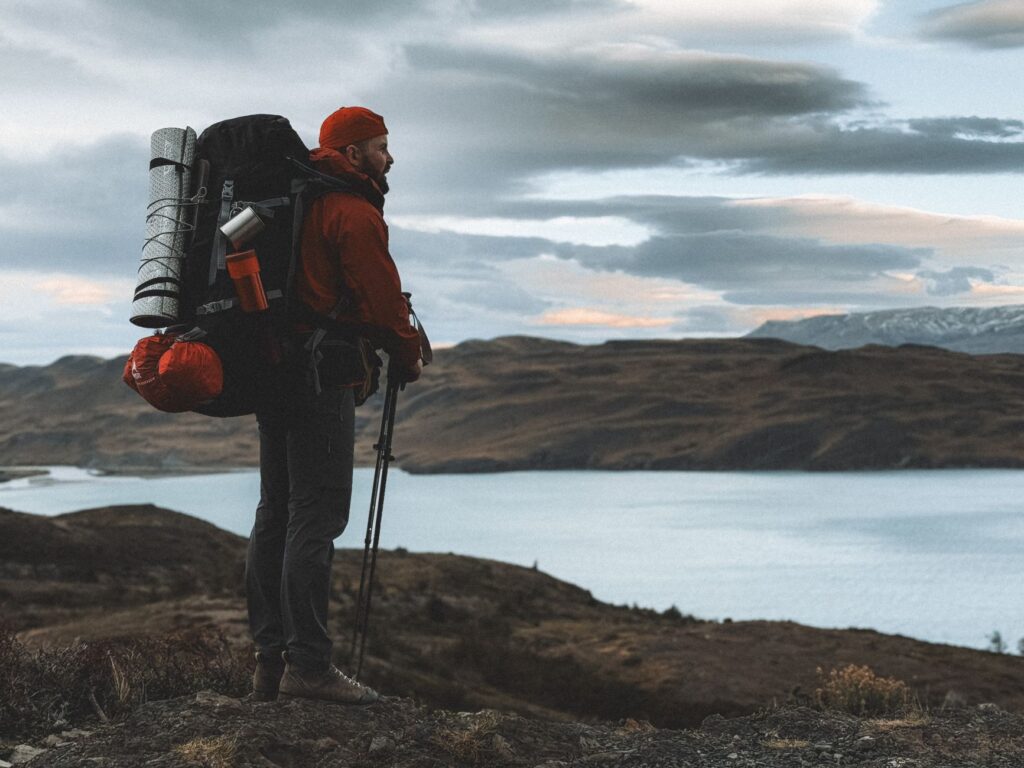
Mandatory Equipment: Technical layering system (thermal base layer, fleece, waterproof jacket, and high-resistance windbreaker), trekking footwear with good ankle support, and telescopic poles.
Safety: Register the itinerary at CONAF offices upon entry and always respect park ranger instructions in case of weather alerts.
Conclusion: The Indelible Imprint of Patagonia
Completing the W Trek in Torres del Paine transcends mere sporting activity; it constitutes a journey of introspection and deep connection with the primordial elements of nature. The combination of relentless winds, ancient forests, impossibly colored lakes, and ice-sculpted granite walls leaves an indelible mark on the memory of those who dare walk its paths. In an increasingly urbanized world, this Patagonian corner remains an untamed stage where Earth displays its most authentic, wild, and eternal face.