
Introduction to the 21st-century Alpine corridor
Transit across the Alpine mountain chain has historically represented one of the greatest logistical and transportation challenges for the European continent. For centuries, commercial and passenger routes depended on winding mountain passes, susceptible to winter weather conditions and limited by steep gradients that drastically slowed the flow of goods and people. The inauguration of the Gotthard Base Tunnel in Switzerland marked a radical turning point in this geographical narrative. At 57 kilometers in length, it established itself as the longest railway tunnel in the world, redefining travel times and transport capacity between northern and southern Europe.
This report examines the infrastructure, connectivity strategy, and travel experience that define the Gotthard axis. Far from being a simple work of concrete and rock, the system represents a paradigm shift in sustainable mobility, demonstrating that high-speed rail can compete directly and efficiently with short-haul commercial aviation, offering a low-emissions alternative that crosses the geographical heart of the European continent without fracturing its natural Alpine environment.
The genesis and titanic engineering feat beneath the rock
The construction of the Gotthard Base Tunnel was not an improvised project, but the result of decades of political debate, public referendums, and complex geological studies. The decision to drill through the mountain range at a depth of up to 2,300 meters beneath the rock required the development of cutting-edge technology. The gigantic boring machines, popularly known by traditional names such as Sissi and Heidi, advanced day and night through highly diverse rock formations, ranging from extremely hard granite to highly unstable fault zones.
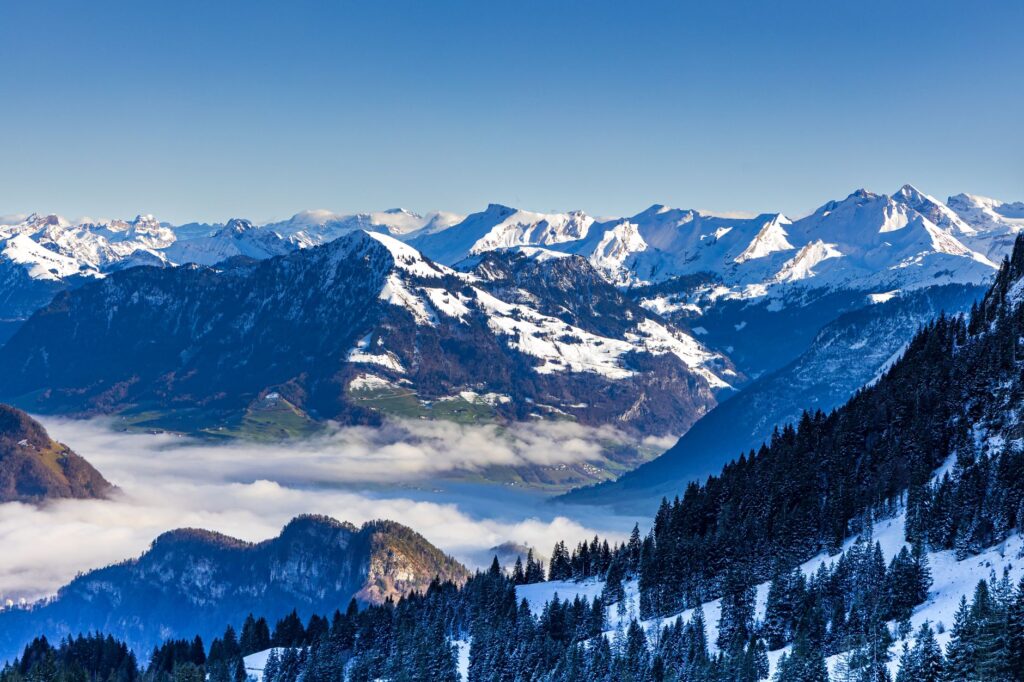
The challenge lay not only in the distance, but in thermal management and safety. At such depths, rock temperatures exceed 40 degrees Celsius, requiring the installation of massive ventilation and cooling systems to guarantee safe working conditions for miners and engineers. Likewise, the design incorporated two single-track railway tubes connected by some 178 cross-passages for emergencies, in addition to two multi-functional stations dedicated to rescue and technical ventilation. This safety architecture makes the corridor one of the safest and most technologically advanced tunnels on the planet.
Territorial integration: Connecting Zurich, Milan, and beyond
The impact of the base tunnel takes on its true meaning when integrated into the transport network of the Swiss Confederation and its neighboring countries. The work is part of the project known as the New Rail Link through the Alps (NRLA), which also includes the Ceneri and Lötschberg tunnels. Thanks to these connections, travel time between Zurich and Milan has been drastically reduced, dropping below three hours and a half.
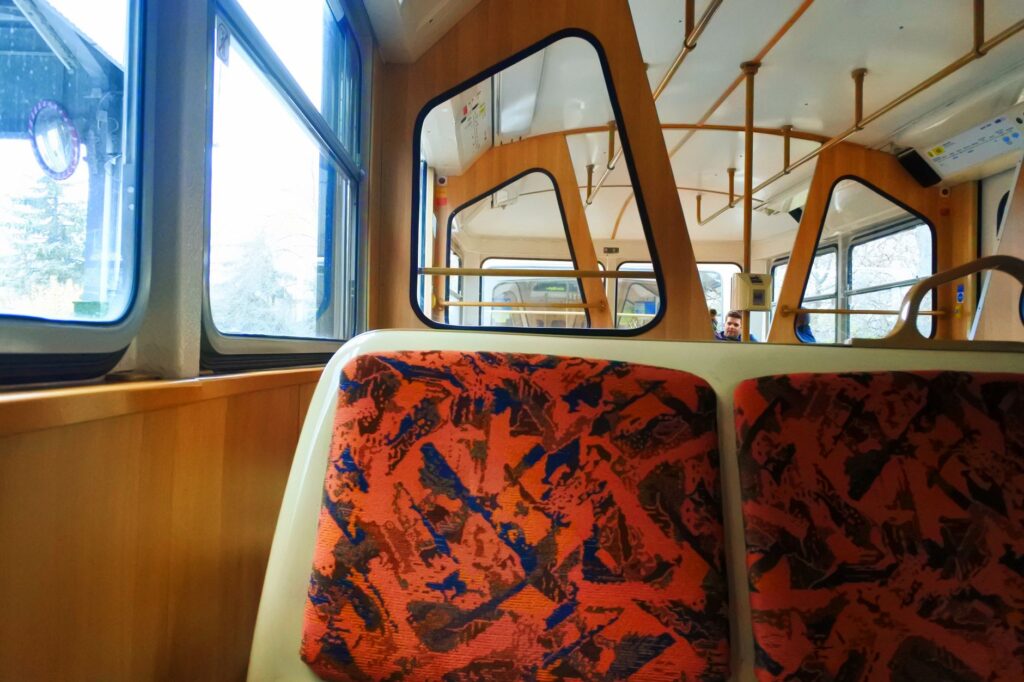
This reduction in transit times has radically transformed the economic and tourism dynamics of the region. Cities that previously operated as destinations separated by almost insurmountable geographical barriers now function as part of an extended metropolis. Business travelers, tourists, and local residents can move between the financial centers of northern Switzerland and Italy’s Lombard capital with regular hourly frequency, optimizing cross-border travel planning without the need to rely on regional airports.
High-speed rail across the Alps is not just a triumph of civil engineering; it is the materialization of a political vision that prioritizes continental cohesion and environmental sustainability over airport expansion.
The passenger experience aboard EuroCity and Frecciarossa trains
Traveling through the Gotthard corridor offers a fascinating visual and cultural transition. On board the modern rail units operating on the route, such as the EuroCity trains of Swiss Federal Railways (SBB) or high-speed services integrated with Italian operators, the experience combines cutting-edge comfort with the punctual efficiency characteristic of the Helvetic network.
The journey typically begins at Zurich’s modern central station, slipping rapidly through pre-Alpine valleys before plunging into the controlled darkness of the base tunnel. For approximately twenty minutes, the train travels at a constant speed of up to 250 kilometers per hour beneath the mass of the Alps. Upon emerging in the Italian-speaking canton of Ticino, the landscape changes instantly: the climate turns Mediterranean, lakes sparkle under the southern light, and architecture adopts a distinctly Lombard character, preparing the passenger for arrival in Milan.

Sustainability and modal shift: Moving traffic from asphalt to rail
One of the fundamental objectives of the Gotthard project has been the protection of the Alpine environment against the uncontrolled impact of road freight transport. Switzerland implemented a strict constitutional mandate to shift heavy freight traffic from trucks to trains, a policy known as the traffic transfer law.
The base tunnel allows heavier and longer freight trains to pass without the need for additional pusher locomotives on steep ramps, significantly reducing energy consumption and carbon dioxide emissions. In the passenger sector, the appeal of high speed acts as a natural incentive for citizens to leave their cars at home. The combination of hydroelectric power used to propel the Swiss rail network and the speed of the journey positions this infrastructure as a global benchmark for carbon-neutral mobility.
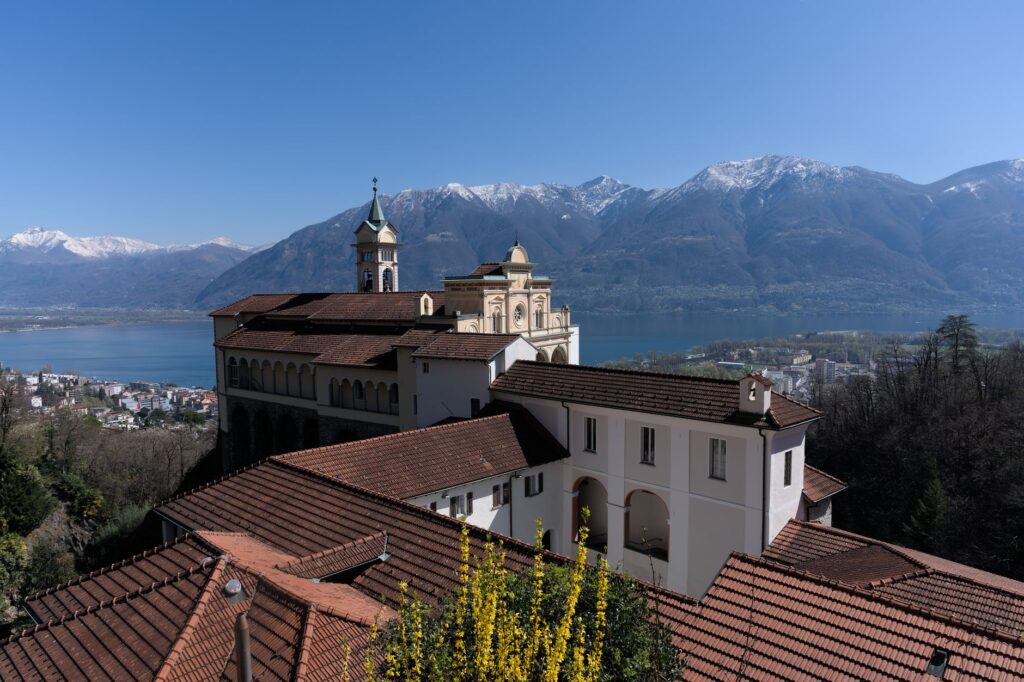
Practical information for planning a journey through the Gotthard corridor
For travelers wishing to traverse this historic rail route, planning requires taking several essential logistical aspects into account. Tickets for the Zurich-Milan route via Gotthard can be purchased up to six months in advance through the official channels of Swiss Federal Railways (SBB CFF FFS) or Trenitalia. Seat reservations are recommended, especially during peak tourist seasons in summer and during long weekends.
- Frequency: Trains operate virtually every hour in both directions from early morning until evening.
- Connections: Strategic stops can be made in historic cities like Bellinzona, famous for its UNESCO World Heritage medieval castles, or Lucerne, if one chooses to combine the journey with the historic panoramic mountain line.
- Travel Requirements: When crossing the border between Switzerland (outside the European Union but part of the Schengen area) and the Italian Republic, carrying a valid identification document or passport is mandatory.
- Baggage: Trains offer ample luggage space at the ends of carriages and above seats, without strict weight restrictions compared to commercial airlines.
Future challenges and maintenance of Alpine infrastructure
Despite the resounding success of the infrastructure, managing a base tunnel of this magnitude entails constant operational challenges. Preventive maintenance of tracks, European ETCS signaling systems, and electromechanical infrastructure is carried out strictly during nocturnal low-traffic windows, requiring micrometric coordination between teams of Swiss and Italian engineers.
Likewise, the constant increase in demand for seats for both tourist and commuter travelers poses the need to plan future expansions at connecting stations and the acquisition of new double-deck rolling stock to guarantee sufficient capacity for coming decades. The Gotthard network demonstrates that major transport infrastructures require long-term financial and technical commitment that transcends conventional political cycles.
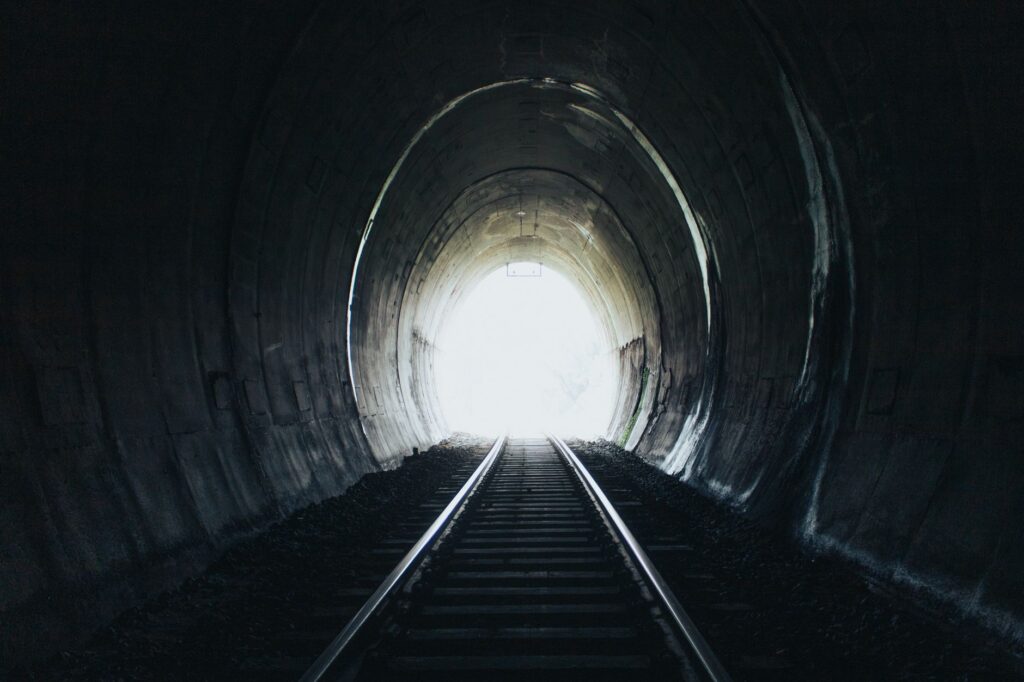
The true measure of success for a great transport infrastructure lies not only in the speed with which it shortens distances, but in the quality of life it preserves in the territories it connects.
The legacy of Gotthard in European transport cartography
The Gotthard rail corridor has left an indelible mark on how mobility is conceived on the European continent. By demonstrating that it is technically possible to pierce major natural barriers to prioritize public rail transport, Switzerland has set a gold standard that other mountainous regions of the world are currently attempting to replicate.
The journey through this axis is not merely a utilitarian movement between two points on the map, but an experience that summarizes human capacity to master nature through science without destroying it. At a time when climate urgency demands a drastic transformation of our travel habits, the Gotthard rail renaissance stands as a beacon of hope, reminding us that the future of efficient, humane, and sustainable travel moves on steel rails deep within the earth.