Introduction to the myth on rails
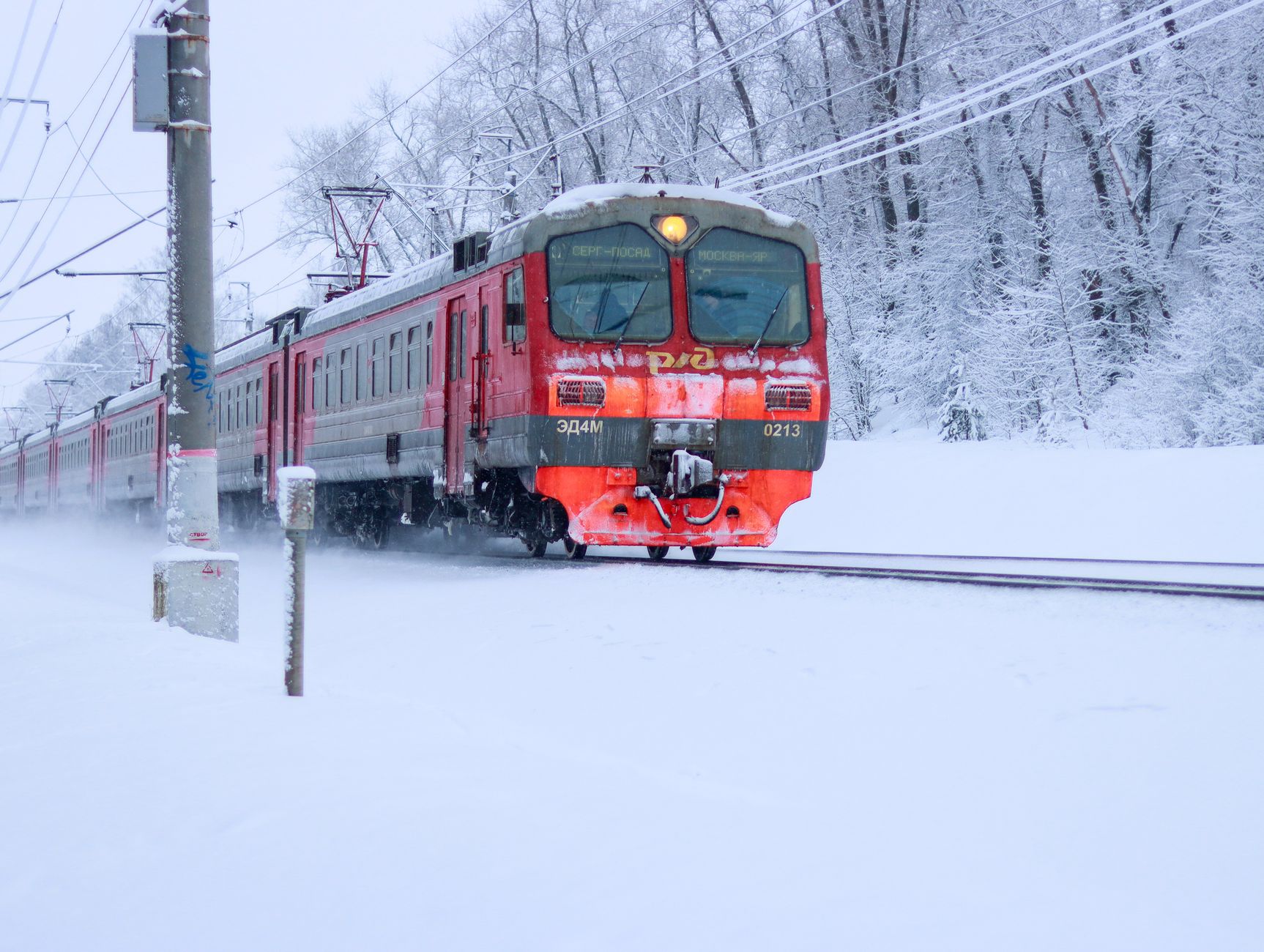
The Trans-Siberian railway is far more than a mere mode of transportation; it is a moving metaphor for geographic immensity and human complexity. Connecting Moscow with Vladivostok across more than 9,000 kilometers involves crossing eight time zones, shifting perspectives on the landscape, and plunging into the eastern reaches of Eurasia. Since its inception in the late 19th century under the Russian tsars, this artery of steel has captivated travelers, engineers, and writers, cementing its status as the ultimate continental adventure.
Far from being a relic of the past, the route remains a vital corridor for commerce and human mobility. Understanding the scale of this journey requires examining both its historical infrastructure and current operational realities, offering travelers a realistic perspective on how to plan and experience one of the most demanding and rewarding mobility feats on the planet.
Imperial origins and the great engineering feat
The genesis of the Trans-Siberian answered an urgent strategic and economic necessity: linking European Russia with its Pacific possessions to consolidate territorial sovereignty and foster commercial development. In 1891, the heir to the throne and future Tsar Nicholas II officially inaugurated construction in Vladivostok. The project mobilized thousands of workers, engineers, and convicts under extremely harsh climatic and topographic conditions, subduing rushing rivers, mountain ranges, and the vastness of the Siberian taiga.
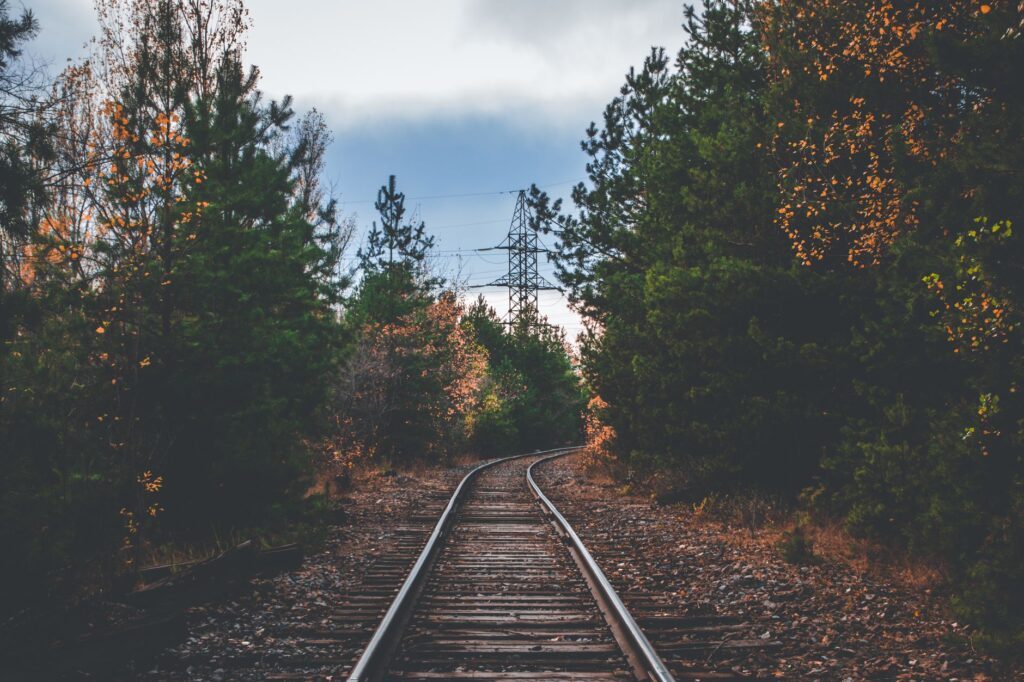
The construction of the Trans-Siberian irreversibly transformed the demographics and economy of vast regions previously isolated. Industrial cities and settlements emerged along the route, serving as focal points of civilization. The formal completion of the main trunk line at the dawn of the 20th century marked a milestone in global civil engineering, proving that human will could tame the most inhospitable terrain of the Northern Hemisphere.
The principal routes: Trans-Siberian, Trans-Mongolian, and Trans-Manchurian
When discussing the Trans-Siberian, one is actually referring to an interconnected system of branch lines sharing a common trunk from Moscow to the Zabaykalsk region. The classic Trans-Siberian route runs entirely through Russian territory, stretching from the capital to Vladivostok on the Pacific coast. This pure itinerary focuses deeply on Russian geography and the profound breadth of its forest and lake landscapes.
Conversely, the Trans-Mongolian branch diverges at Tauschki to push into Mongolia, passing through the capital, Ulaanbaatar, before descending toward Beijing in China. This variant is especially prized by those seeking a radical cultural transition, moving from the Russian steppe to nomadic Mongolian traditions and the Chinese metropolis. Finally, the Trans-Manchurian heads southeast from Tarskaya directly into China, bypassing Mongolia and connecting with Northeast Asia. Each itinerary demands different logistical requirements, visas, and travel preparations.
Life on board: rhythms, cabins, and companionship
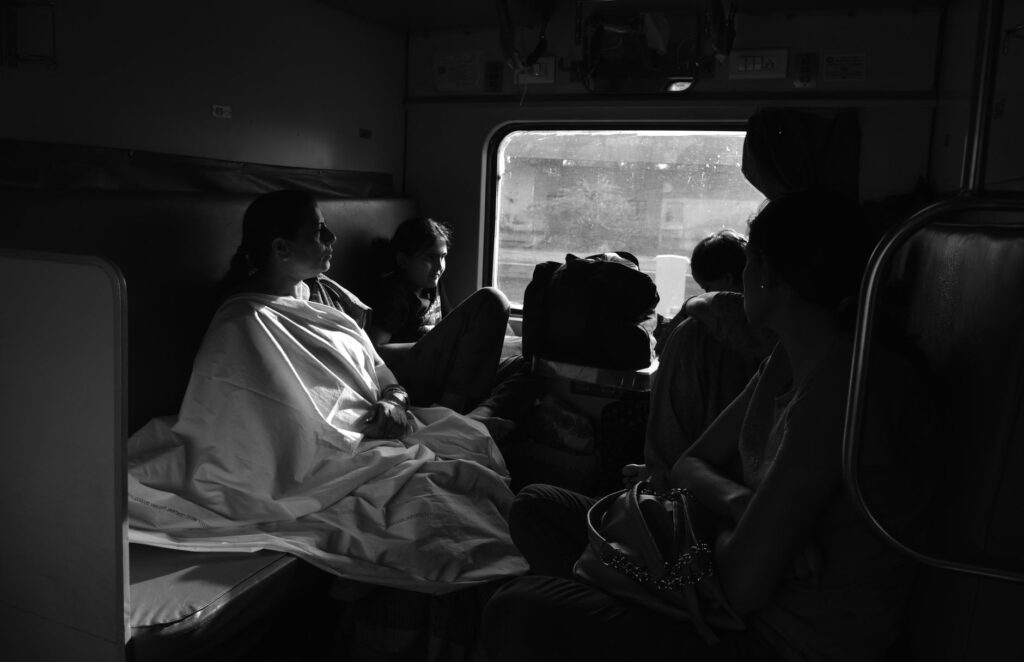
Daily life aboard long-distance trains is governed by a leisurely and methodical pace. Coaches are traditionally divided into classes: first class (Spalny Vagon or SV) offers two-berth compartments; second class (Kupé) features four berths; and third class (Platskart) is an open-plan layout without doors that fosters maximum social interaction among local and foreign passengers. Across all options, time is measured by the inexorable passage of birch forests, rural villages, and technical stops at remote stations.
Traveling on the Trans-Siberian teaches us to rescale time, transforming distance into a space for contemplation and quiet dialogue with the landscape.
The dining car functions as the train’s social heart, where the stories of merchants, students, adventurers, and local workers intersect. Available food typically includes comforting dishes from Russian cuisine, such as hot soups, potatoes, pies, and tea prepared in the traditional samovars found in every carriage, attended by tireless provodnitsas (car attendants).
Essential stops: from the Urals to Lake Baikal
Planning the journey requires carefully selecting intermediate stops to prevent physical exhaustion. Yekaterinburg, situated in the Ural Mountains, marks the traditional geographic dividing line between Europe and Asia and holds deep historical significance related to the end of the Romanov dynasty. Further east, Kazan offers a fascinating blend of Tatar and Russian cultures, crowned by its imposing Kremlin, a UNESCO World Heritage site.
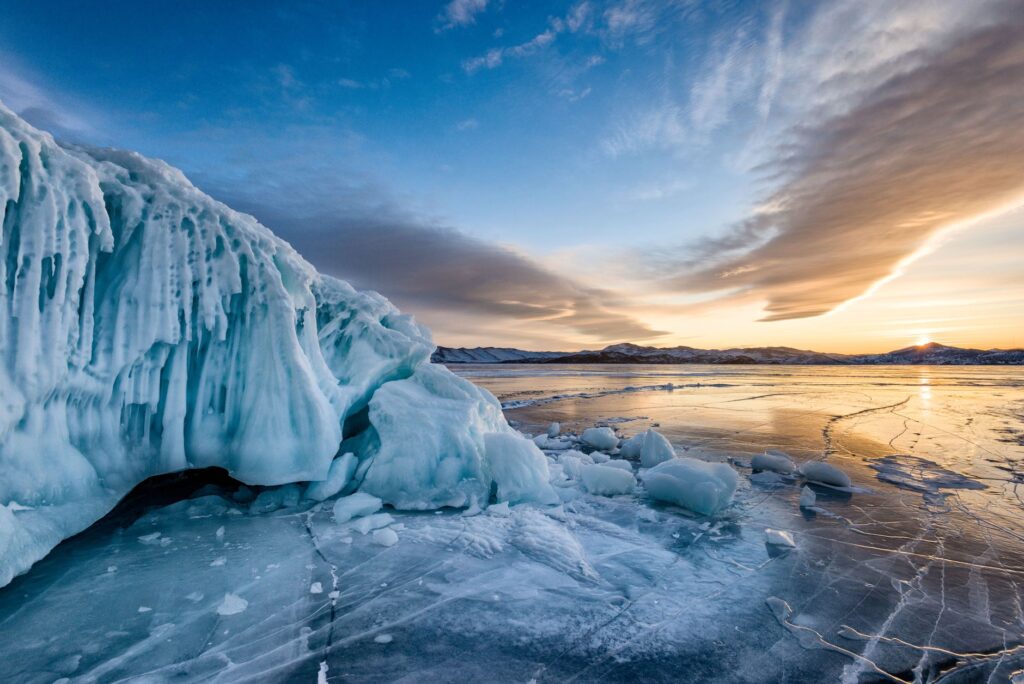
The natural high point of the route is unquestionably Lake Baikal, the largest and oldest unfrozen freshwater reservoir in the world. The unique biodiversity and crystal-clear waters of Baikal make its shores the most breathtaking stop along the itinerary. Locations such as Listvyanka or Olkhon Island allow travelers to explore the culture of the Buryat peoples and enjoy pristine nature, whether sailing its waters in summer or walking across its thick sheet of ice in winter.
Railway infrastructure and technical modernization
From a technical standpoint, the network has undergone notable modernization processes over the decades. Although much of the original route was electrified during the Soviet era to improve efficiency and reduce coal dependence, maintenance work is continuous due to extreme weather conditions, where winter temperatures can plummet far below zero.
Modern locomotives capable of operating in arctic climates and digital signaling systems guarantee safety and punctuality in a corridor where delays can have a significant logistical impact. Tracks undergo constant inspections to prevent deformations caused by thawing permafrost, an engineering challenge that continues to evolve with the development of new soil stabilization technologies.

Logistical planning and regulatory requirements
Embarking on this journey requires meticulous preparation that goes far beyond simply purchasing a ticket. Visa procedures for Russia, Mongolia, and China demand strict time planning, approved letters of invitation, and the submission of detailed itineraries in advance. It is essential to understand railway ticket booking policies, which typically open between 45 and 90 days before departure.
Regarding luggage, space in compartments is limited, so travelers are advised to use compact suitcases or flexible backpacks that fit under berths or in upper storage racks. Local currency, digital connectivity, and customs regulations at international borders are aspects that must be thoroughly investigated and managed before setting foot on the first platform.
Socioeconomic impact on local communities
Along thousands of kilometers of track, the train has shaped the economy of entire settlements. Small Siberian villages depend economically on the arrival of trains to market artisanal goods, homemade food, and supplies to travelers. The informal platform economy that emerges during brief station stops reflects the resilience and ingenuity of local communities.
However, global tourism also poses challenges in terms of sustainability and cultural preservation. Balancing the flow of international visitors with the mobility needs of resident populations is an ongoing challenge for railway authorities and local governments, who strive to promote responsible tourism that respects the traditions and natural environment of Siberia and the Far East.
Practical information for the independent traveler
- Best time to travel: The summer months (June to August) offer moderate temperatures and extended daylight, while winter (December to February) guarantees extreme snowscapes and an authentic experience free from tourist crowds.
- Ticket classes: For journeys exceeding two days, travelers are strongly advised to choose second class (Kupé) to ensure an optimal balance of privacy, safety, and comfort.
- Onboard provisions: Although the dining car offers hot meals, it is wise to stock up on nuts, instant soups, fruit, and bottled water at major urban stations where stops are longer.
- Visa management: Ensure that visas are processed in strict chronological order and verify relevant regulations concerning mandatory registration stays in each major city.
Conclusion: the relevance of slow travel in the digital age
In a world dominated by the immediacy of commercial aviation and digital hyperconnectivity, the Trans-Siberian offers a valuable lesson in patience and the true scale of the planet. Traversing continents on rails allows travelers to assimilate the gradual transition of landscapes, cultures, and languages in a way no direct flight can replicate.
The true scale of Eurasia is not understood by studying maps on a screen, but by watching the horizon slowly shift from the window of a moving train.
This great railway odyssey remains, against all odds, the ultimate proof that travel in its purest form is still a destination in itself—a bridge built between diverse worlds that invites reflection and unhurried discovery.