
Introduction to Eurasia’s Steel Artery
Few infrastructures in human history have transformed human and economic geography with the magnitude of the Trans-Siberian Railway and its Trans-Mongolian branch. This is not merely a rail line intended for adventure tourism, but rather the backbone connecting Western European Russia with the Pacific Ocean and the heart of Central Asia. Spanning over nine thousand kilometers on its main route between Moscow and Vladivostok, and nearly eight thousand kilometers on the variant descending toward Ulaanbaatar and Beijing, this transportation system represents a monumental milestone of 19th-century civil engineering and a permanent logistical challenge in the 21st century.
Understanding the scale of this corridor requires moving beyond literary romanticism to examine its true strategic value. For over a century, the railway has guaranteed the territorial cohesion of a vast domain, facilitating the transport of heavy freight, raw materials, and passengers across geographical zones of extreme climatic severity. For the contemporary traveler, it also represents a unique opportunity for sociological and geographical observation—a journey where the scale of the planet reveals itself through the window of a relentlessly moving carriage.
Historical Origins: Imperial Vision and Geographical Challenge
The genesis of the Trans-Siberian answered an imperative need for the Russian Empire in the late 19th century: to integrate its eastern territories, secure sovereignty over the Pacific coast, and accelerate the economic development of Siberia. Until then, overland communications depended on the Siberian Route, a cart track that could take months or even years to complete, conditioned by thaws, mud, and relentless winter snowstorms.
In 1891, under the reign of Tsar Alexander III and under the direct supervision of Finance Minister and future Prime Minister Sergei Witte, the first stone was laid in Vladivostok. The project mobilized tens of thousands of workers, military engineers, convicts, and peasants under extreme conditions. Construction required leveling rugged terrain, excavating numerous tunnels through complex rock formations, and erecting colossal metal bridges over fast-flowing Siberian rivers such as the Ob, the Yenisei, and the Amur.
Building the Trans-Siberian was not only a feat of structural engineering, but an act of geopolitical will that redefined the center of gravity of world trade by connecting the Atlantic with the Pacific across the Siberian steppes.
Although key sections began operating at the turn of the 20th century, full electrification and track modernization were not completed until well into the second half of the 20th century under the Soviet Union. This process transformed a slow, vulnerable steam line into a high-capacity industrial corridor capable of supporting heavy freight trains and long-distance passenger compositions with regular standards of punctuality.
The Classical Route and Its Variants: Moscow, Siberia, and the Far East
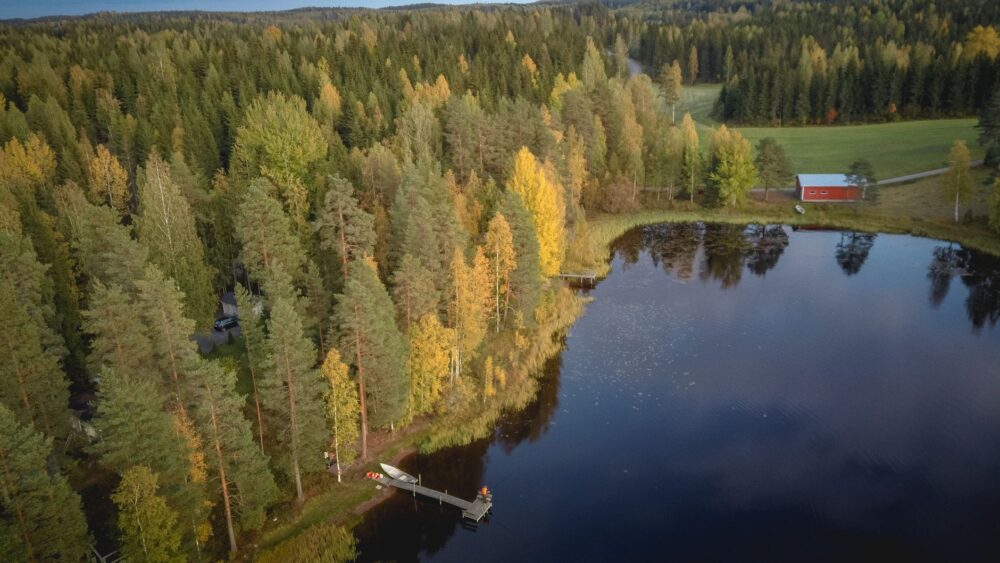
The historical route of the Trans-Siberian proper begins at Yaroslavsky Station in Moscow and culminates at the maritime terminal in Vladivostok, crossing eight different time zones. Along this route, the train traverses landscapes ranging from the birch forests of the East European plain to the infinite taiga, the surroundings of legendary Lake Baikal, and the rolling hills of the Russian Far East.
However, one of the most frequented variants by international travelers and commercial traffic alike is the Trans-Mongolian Railway. This line diverges at Naushki station on the Russian-Mongolian border, penetrates the infinite Mongolian steppe, crosses its capital—Ulaanbaatar—and continues southward through the Gobi Desert before crossing the border into the People’s Republic of China and terminating in Beijing.
Key Railway Hubs and Stopover Cities
- Yekaterinburg: Located in the Ural Mountains, it marks the traditional geographical division between Europe and Asia, serving as an important metallurgical and transport center.
- Novosibirsk: The most populous city in Siberia and a key industrial hub situated on the banks of the Ob River.
- Irkutsk: Known as the ‘Paris of Siberia’ due to its carved wooden architecture, it serves as the main gateway to Lake Baikal.
- Ulaanbaatar: Mongolia’s capital, characterized by a dynamic contrast between contemporary urban life and surrounding nomadic traditions.
Railway Engineering and Extreme Climatic Challenges
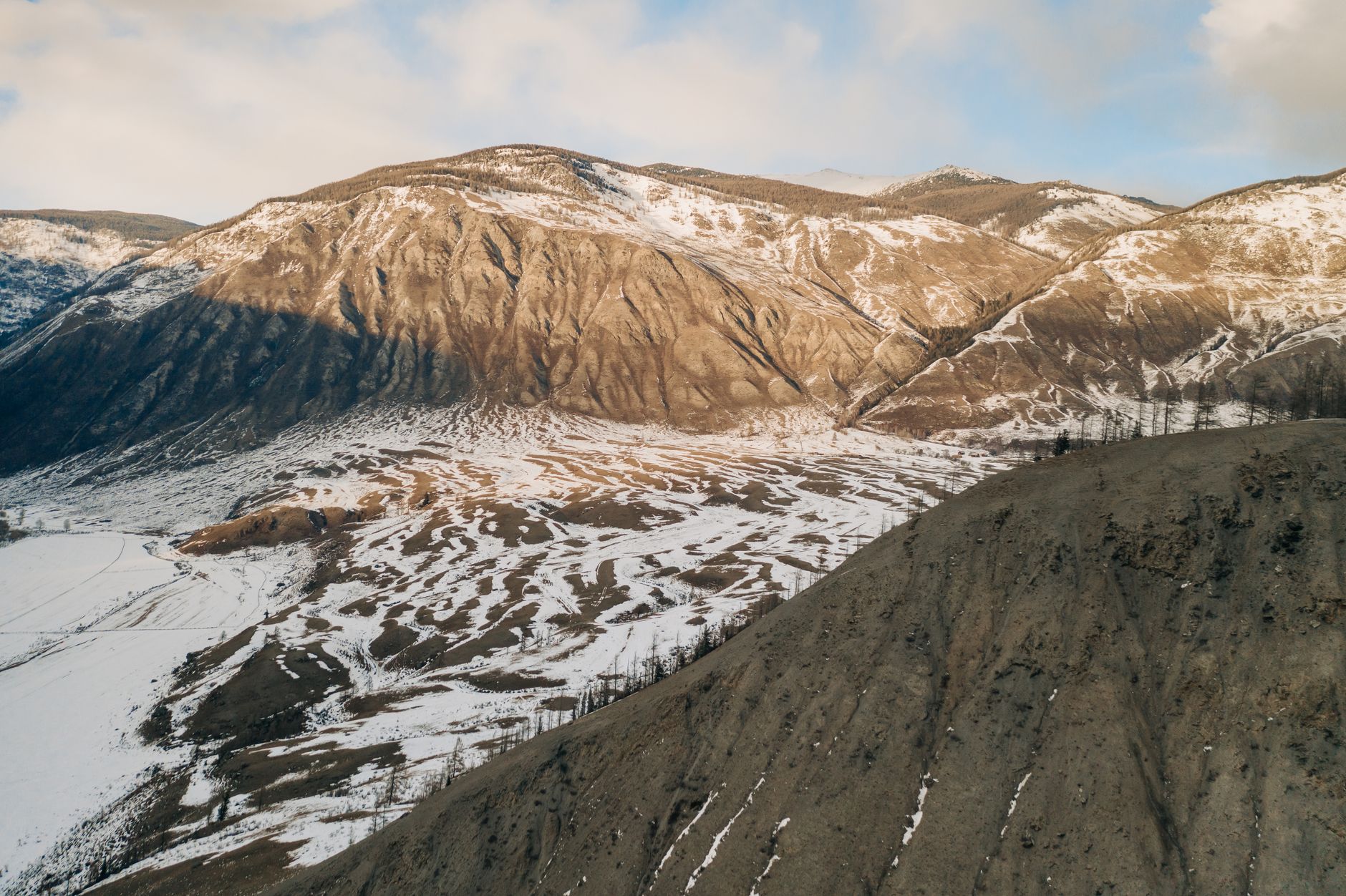
Maintaining and operating infrastructure of this magnitude in regions where winter temperatures can plummet below minus forty degrees Celsius demands highly specialized technical solutions. Much of the Siberian soil features permafrost—a permanently frozen layer of ground that can destabilize during brief summers, threatening the stability of embankments and railway tracks.
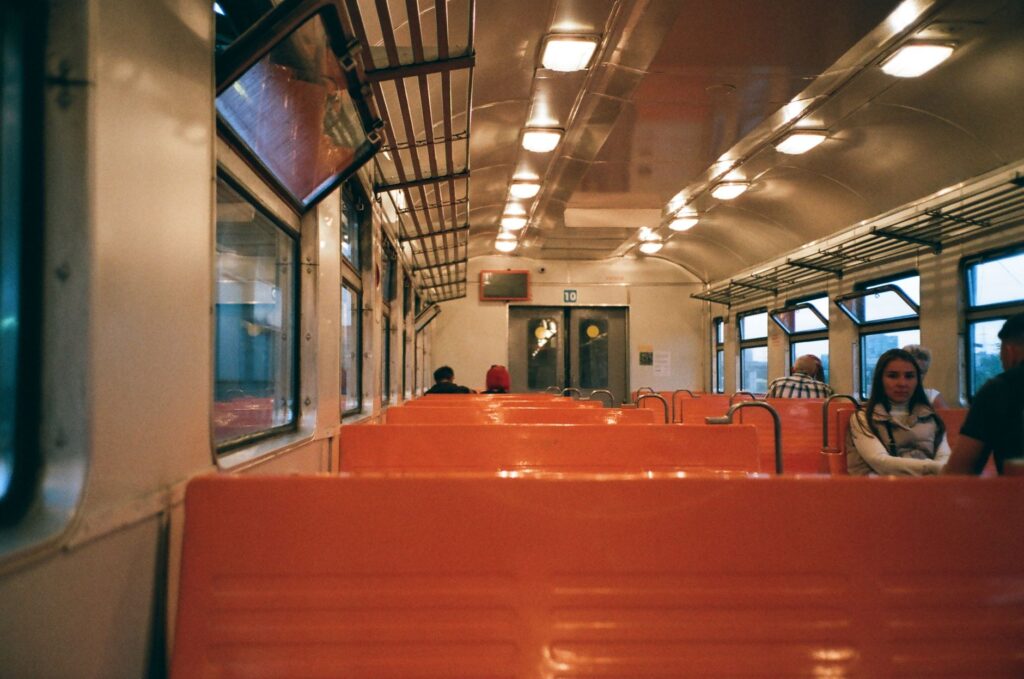
Russian rail engineers have perfected drainage systems, the use of high-strength stone ballast, and millimeter-precise track leveling using automated heavy machinery. Furthermore, passenger carriages operating on these routes are equipped with double thermal glazing, central heating systems fueled by coal or catenary electricity depending on the section, and reinforced insulation ensuring interior thermal comfort even when the exterior is a frozen wasteland.
Another critical engineering aspect is bogie-changing (the wheel sets) at borders where track gauges shift. While Russia and Commonwealth of Independent States countries use the 1,520-millimeter Russian gauge, China employs the standard international 1,435-millimeter gauge. This logistical process is performed at specialized border stations, where carriages are lifted by hydraulic jacks to replace the axles without necessarily requiring passengers to leave the train in all instances, though at international borders with Mongolia and China the customs and technical procedure can take several hours.
Lake Baikal: Ecosystem, Geography, and Masterful Stopover
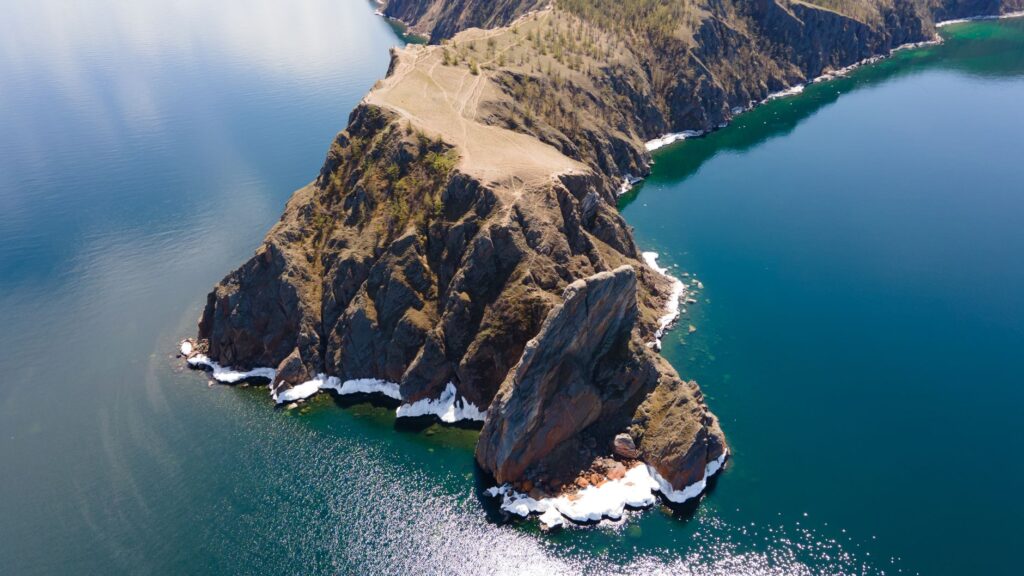
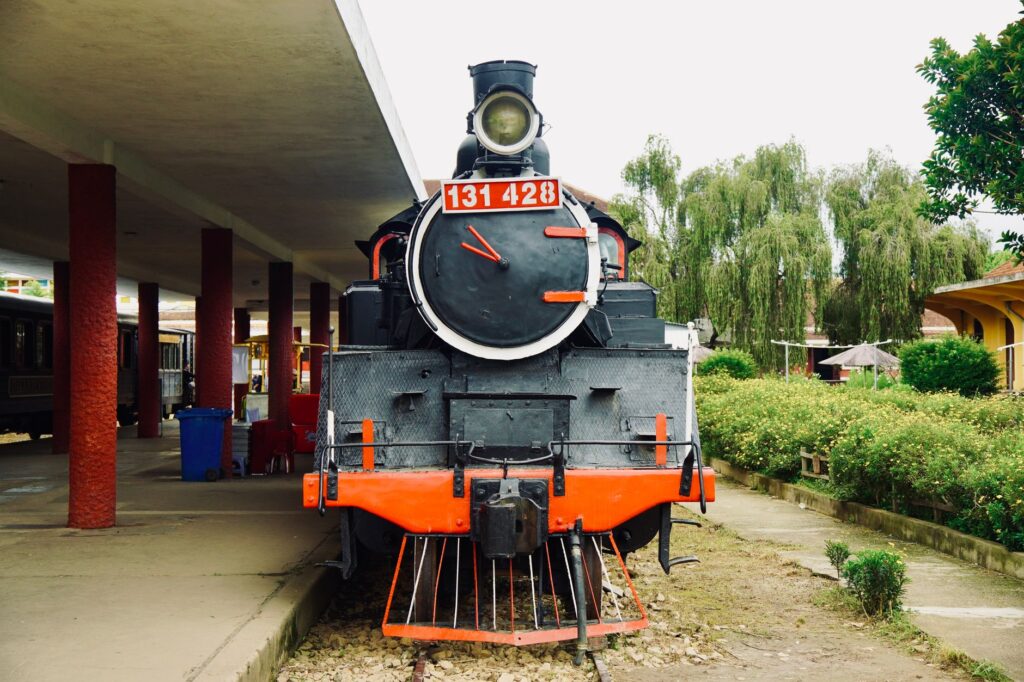
No analysis of the Trans-Siberian corridor would be complete without examining its interaction with Lake Baikal, the oldest, deepest, and most voluminous freshwater body on the planet. The railway runs for dozens of kilometers very close to its southern shore, especially along the historical section known as the Circum-Baikal, a masterpiece of early 20th-century engineering that required constructing numerous tunnels directly into rock cliffs plunging into the water.
From an environmental standpoint, Baikal contains approximately twenty percent of the world’s unfrozen freshwater reserve and hosts exceptional biodiversity, with thousands of endemic species such as the freshwater seal (*nerpa*) and the *omul* whitefish. The presence of the railway has generated a delicate balance between the need for economic development and the urgent imperative to preserve this fragile lacustrine ecosystem from industrial pollution and excessive tourism pressure.
Operational Logistics and Contemporary Journey Planning
Planning a journey across these rail routes requires considerable logistical rigor, particularly due to visa regulations, climatic seasonality, and the management of ticket reservations. Unlike European high-speed networks, the long-distance system in Eurasia operates with a combination of trains run by Russian Railways (RZD), Mongolian Railways (MTZ), and China State Railways (CR), each with its own ticketing platforms and operating policies.
Class Classifications Aboard the Convoys
- Platskart: The open economy-class carriage, featuring bunks arranged along an open lateral corridor, ideal for cultural observation and social interaction.
- Kupé: Closed four-bunk compartments with a locking door, offering greater privacy and luggage security.
- Spalny Vagon (SV): The luxury or first-class category, featuring two-bunk compartments and more exclusive services.
The choice of season decisively influences the experience. Summer months (June to August) offer prolonged sunlight, mild temperatures, and the highest frequency of tourist services, but also higher prices and heavy demand. In contrast, the Siberian winter—from November to March—presents snowscapes of breathtaking beauty and lower passenger congestion, though it demands rigorous preparation for extreme cold and reduced availability of certain local outdoor excursions.
Socioeconomic Impact on Local Communities
Along the tracks of the Trans-Siberian and Trans-Mongolian lines, dozens of towns and rural settlements depend economically on railway activity. For communities in deep Siberia and the Mongolian steppes, scheduled passenger train stops are daily commercial events of major significance.
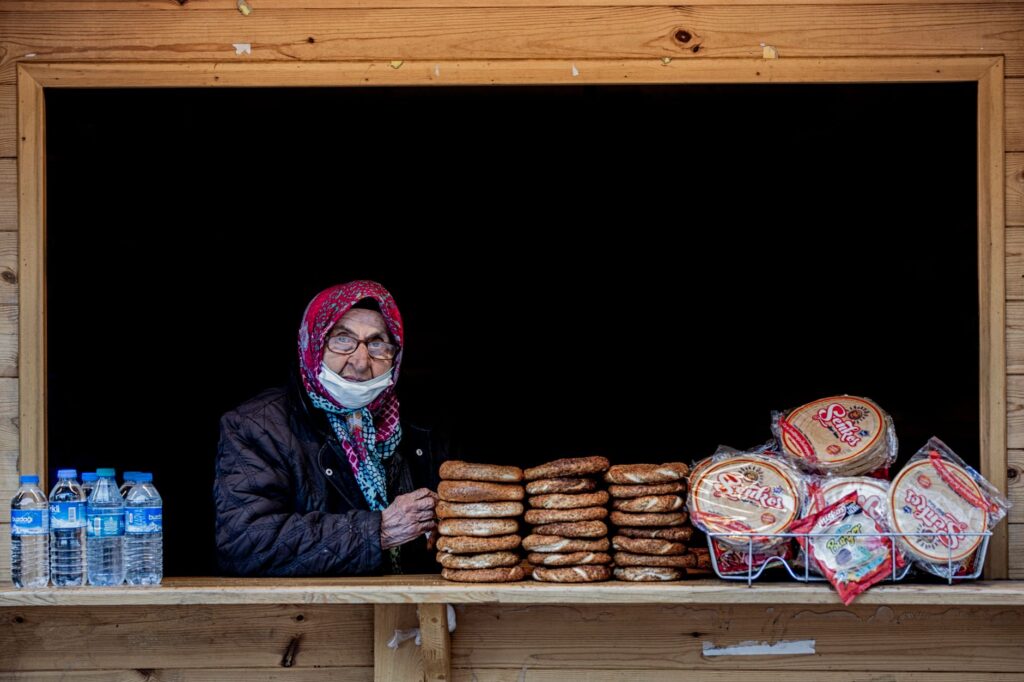
On the platforms of mid-sized stations, traditional sales by local vendors include handicrafts, Baikal smoked fish (*omul*), homemade meat pies (*pirozhki*), and wild berries. This platform commerce provides essential supplemental income for the rural domestic economy while fostering direct and spontaneous cultural exchange between long-distance travelers and local residents of Russian autonomous regions and oblasts.
Multimodal Connectivity and the Future of Freight Transport
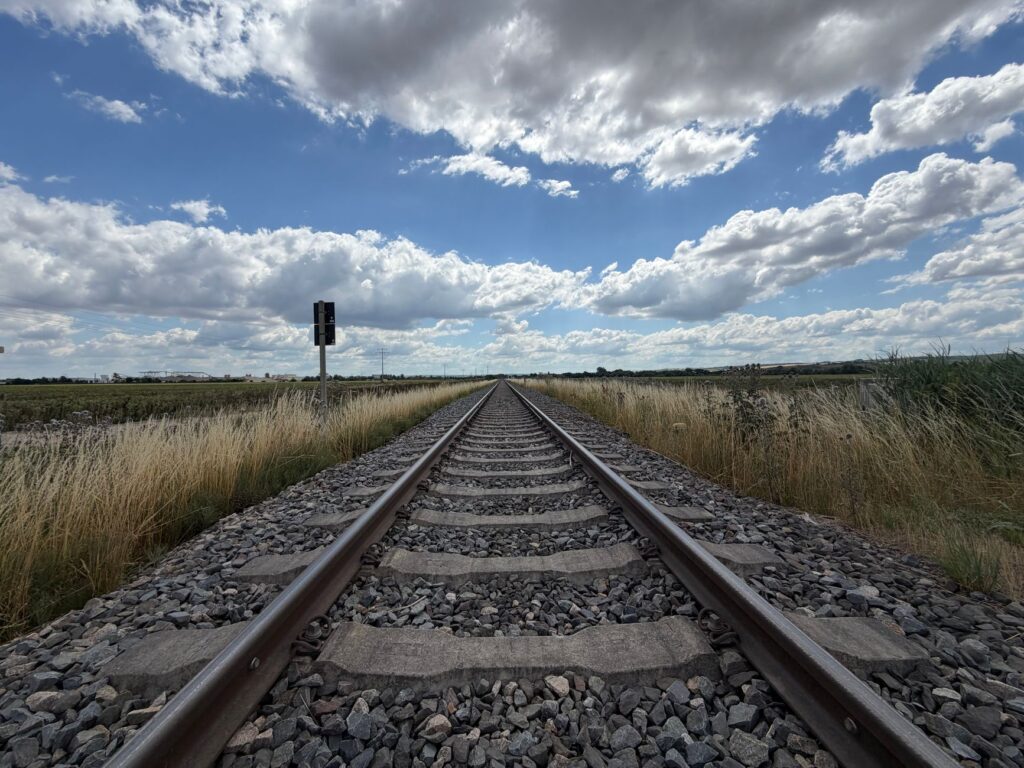
In the 21st century, the strategic value of the Trans-Siberian has shifted significantly toward containerized freight transport between East Asia and Western Europe. Compared to traditional maritime transport via the Suez Canal or the Cape of Good Hope, the overland rail corridor offers considerably shorter transit times, reducing weeks of oceanic navigation to a span of twelve to eighteen days of continuous rail transit.
International logistics companies, state railway operators, and customs authorities continuously collaborate on digitizing transit documentation and enhancing transfer capacity at dry ports and container terminals along the route. Despite geopolitical fluctuations and international sanctions affecting direct commercial traffic with the European Union in recent years, the system maintains its prominence as an integration corridor for Eurasian trade and routes toward Central Asia and East Asia.
Conclusion: The Enduring Significance of a Colossal Undertaking
The Trans-Siberian Railway and its branches into Mongolia and China remain much more than a simple transport route. They are an enduring testimony to human capability to overcome colossal geographical barriers, connect diverse cultures, and structure vast territories. Whether analyzed from the perspective of civil engineering, international logistics, or long-distance travel experience, this rail corridor retains its status as a vital artery in the heart of Eurasia, inviting a profound understanding of geography through the slow, steady rhythm of wheels rolling on steel rails.