The Echo of a Whistle on the Swahili Coast
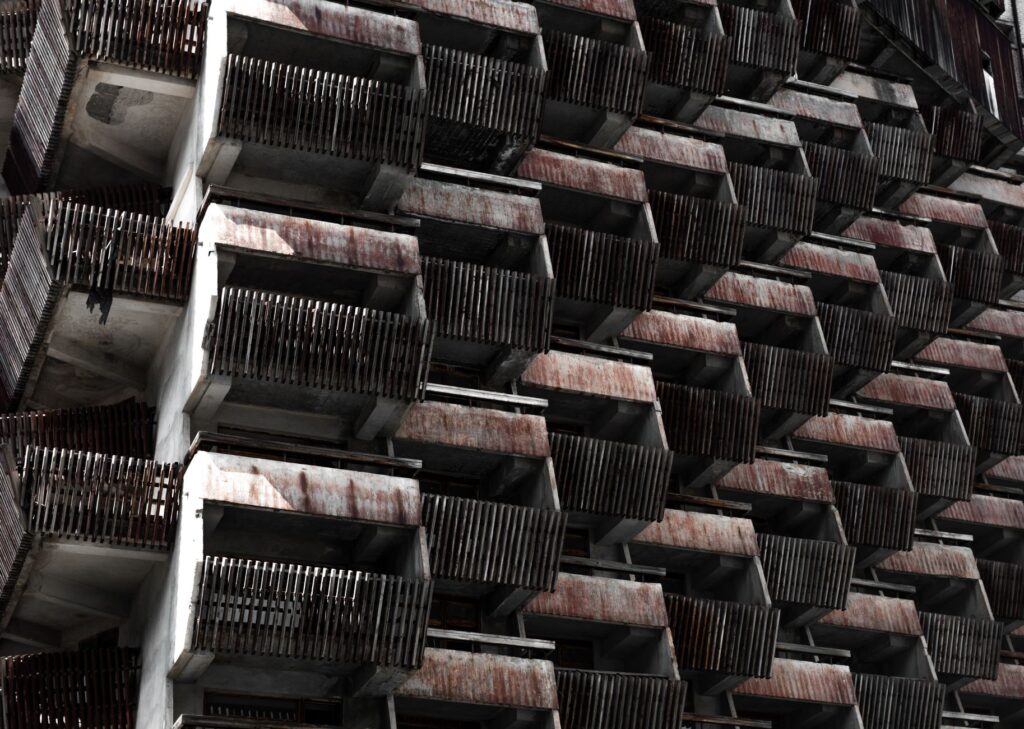
The journey does not begin with the movement of the bogies on the rails, but with the thick humidity of Dar es Salaam seeping through the windows of a monumental station. Built with the imposing concrete of 1970s socialist brutalism, the Tanzania-Zambia Railway Authority (TAZARA) terminal in the Tanzanian coastal capital feels like a temple dedicated to an era of grand industrial ambitions. Here, the traveler immediately understands that this is not a mere transit route, but one of the last great railway adventures on the African continent. Today, the TAZARA remains a living monument to international cooperation and to the geopolitical resilience of an era when access to the sea without passing through territories controlled by minority-ruled regimes in the south was a matter of national sovereignty.
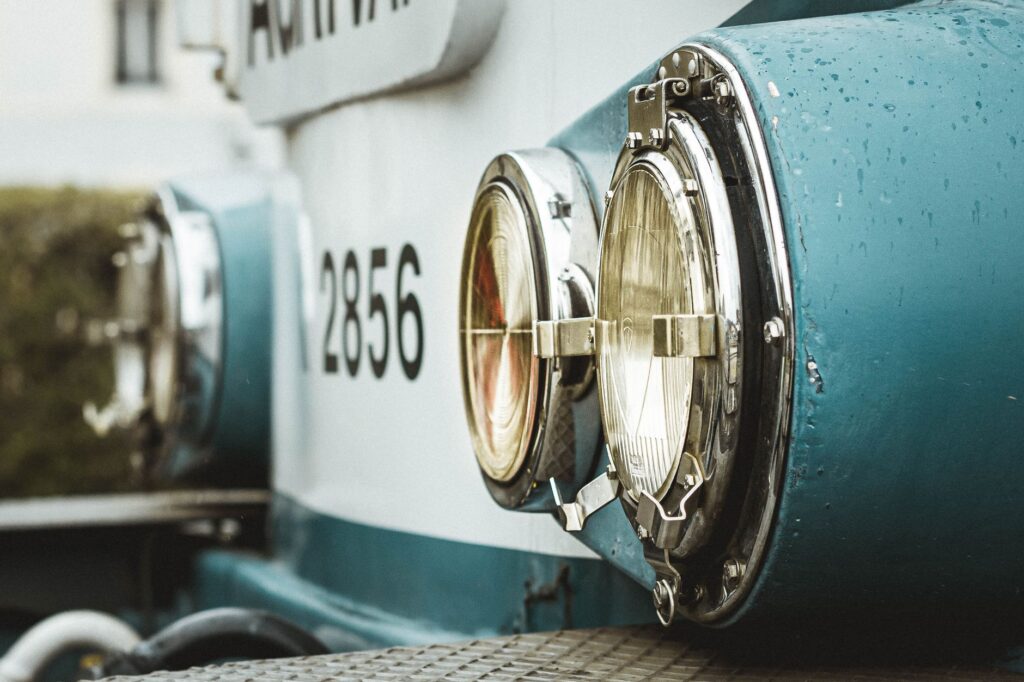
The platform is a bustling hive of canvas suitcases, bundles of colorful fabrics, wicker baskets loaded with fresh fruit, and the constant murmur of conversations in Swahili and English. The train, popularly known in its express service as the Mukuba or the Kilimanjaro, waits patiently. Its blue and yellow carriages bear the scars of time and the tropical climate, yet they retain the dignity of machines built to last. Upon boarding, the creak of the wooden corridors and the smell of hot metal and engine oil transport the traveler to an almost extinct pace of travel, where haste has been replaced by contemplation.
The Geopolitical Legacy of the Freedom Railway
To understand the existence of this 1,860-kilometer line linking the port of Dar es Salaam with the Zambian town of New Kapiri Mposhi, it is essential to return to the 1960s. Following independence, landlocked Zambia, heavily dependent on copper exports, found itself surrounded by hostile regimes in what was then Southern Rhodesia (now Zimbabwe), Portuguese Mozambique, and apartheid-era South Africa. The only secure route for its exports had to run north, through Julius Nyerere’s Tanzania.
Rejected by the World Bank and Western powers, who deemed the project economically unviable, it was Mao Zedong’s People’s Republic of China that stepped in to finance and build the line through an interest-free loan. Tens of thousands of Chinese and African workers laid the track between 1970 and 1975, defying a ruthless geography of jungles, swamps, and mountain gorges, costing the lives of hundreds of workers. Today, the railway no longer carries the massive quantities of ore it once did, but it remains the umbilical cord connecting dozens of isolated communities in the southwestern highlands of Tanzania and northern Zambia.
The Daily Rhythm in the Carriages of Wood and Metal
Life inside the TAZARA is organized according to a highly defined social geography. First class offers four-berth compartments, second class has six, and third class consists of wooden benches where personal space disappears in favor of absolute communion with the local population. In the first-class compartments, ceiling fans spin lazily, moving warm air that smells of coal and damp earth. Travelers share sweet tea, biscuits, and long conversations about politics, agriculture, and African football.
The TAZARA is not merely a means of moving between two geographical points; it is a linear ecosystem where patience becomes the only valid currency and the landscape dictates the rhythm of existence.
As the train pulls away from the coast and heads inland, the dining car becomes the nerve center of the convoy. With its tables covered in worn linoleum tablecloths, this space offers simple yet comforting dishes: fried chicken, ugali (a dense maize meal paste), and fresh fish from Lake Victoria, all washed down with cold local beers like Safari or Kilimanjaro. It is here that the boundaries between the few foreign tourists and the local traders traveling from one province to another dissolve.
Traversing the Wild Sanctuary of Nyerere
One of the journey’s greatest highlights occurs during the first twenty-four hours, when the tracks traverse the northern reaches of the Nyerere National Park (formerly the Selous Game Reserve). Unlike conventional safaris in four-wheel-drive vehicles, viewing African wildlife from the open window of a moving train is an experience of almost surreal beauty. Indeed, the Selous Game Reserve offers one of the few wildlife viewing experiences from a train window, allowing passengers to watch herds of elephants slowly parting as the locomotive passes, giraffes silhouetted against the acacia horizon, and herds of zebras and antelopes grazing along the railway embankments.
The clatter of the train slows down as it crosses steel bridges over wide rivers populated by hippos and crocodiles. The evening air fills with the scent of damp vegetation and the golden dust kicked up by the convoy. There is no rush; the train frequently stops at invisible sidings to allow freight convoys descending from the Zambian mines to pass, moments that passengers use to lean out of the windows and buy ripe bananas, roasted peanuts, and sugarcane from local vendors who run up from nearby villages.
The Ascent to the Highlands and the Rift Valley
Leaving the coastal plains and the wildlife sanctuary behind, the track begins a spectacular ascent toward the Udzungwa Mountains and the Kipengere Highlands. This section of the line is a masterpiece of civil engineering, punctuated by numerous tunnels hand-carved into solid rock and viaducts spanning chasms hundreds of meters deep. Temperatures drop noticeably as the train gains altitude, forcing passengers to slide down the heavy sash windows and reach for the wool blankets provided in the first-class cabins.
The landscape changes radically. Dense tropical rainforests give way to hills covered in tea plantations, pine and eucalyptus forests, and agricultural terraces meticulously cultivated by local communities. The stations in this area, such as Mbeya, are hubs of frenetic activity. Mbeya, nestled in a valley surrounded by volcanic peaks, is the main stop in southwestern Tanzania and the point where many travelers choose to break their journey to explore the region’s coffee plantations and crater lakes before continuing toward the border.
The Bureaucratic Ritual of the Tunduma Border Crossing
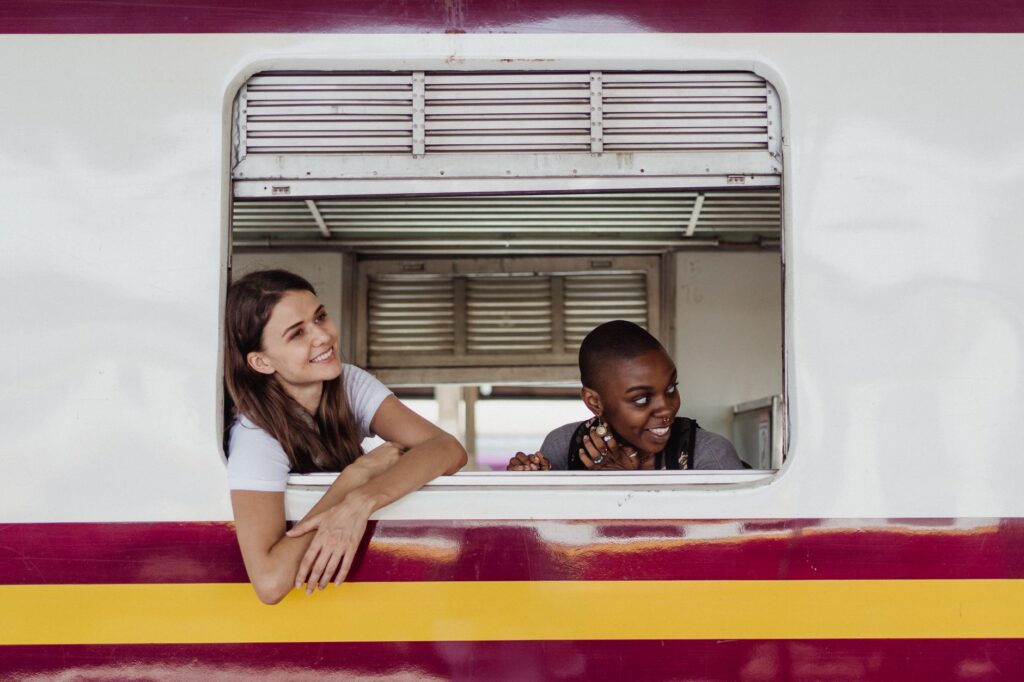
The border crossing between Tanzania and Zambia is one of the most unique experiences of the journey. It takes place between the towns of Tunduma (Tanzania) and Nakonde (Zambia). Unlike other overland border crossings where passengers must disembark with their luggage under a blazing sun, on the TAZARA, customs and immigration formalities are conducted directly on board the train. Officers from both countries board the convoy and walk through the carriages passport in hand, stamping visas in the compartments while the train remains stationary on the tracks.
This process, which can last for several hours, turns the train into a floating administrative limbo. Informal currency changers, popularly known as ‘money changers’, run up and down the corridors offering bundles of Tanzanian shillings and Zambian kwachas with astonishing mental math. The air fills with the clinking of coins and the rustling of fresh bills. It is a moment of intense negotiation and commercial liveliness before the locomotive blows its horn again, announcing the train’s formal entry into Zambian territory.
Logistics and Planning for a Long-Haul Journey
Embarking on the TAZARA requires meticulous planning and a considerable dose of mental flexibility. Departure and arrival times are, at best, rough estimates. Although the theoretical journey takes about 36 hours, mechanical breakdowns, customs delays, and the priority given to freight trains can stretch the crossing to 50 or 60 hours. Therefore, traveling here demands shedding Western urgency and accepting African time as an elastic dimension.
To ensure a comfortable experience, it is essential to purchase first-class tickets directly at the station days in advance, as demand is high and the online booking system remains limited. Travelers should carry plenty of bottled water, non-perishable snacks, toilet paper, a flashlight (power outages on the train are common), and a portable charger for their electronic devices, as the power outlets in the carriages do not always work. Additionally, it is imperative to have the appropriate visas for both countries and a yellow fever vaccination certificate, which is strictly required by Zambian health authorities.
Practical Information for the Traveler
- Service Frequency: There are two types of passenger trains: the Express (which makes fewer stops and features slightly more modern carriages) and the Ordinary (which stops at every intermediate station and tends to accumulate longer delays).
- Travel Classes: It is highly recommended to opt for First Class (two- or four-bed compartments that can be booked entirely for greater privacy) for long-distance journeys.
- Onboard Dining: The dining car serves basic meals three times a day, but options are limited. It is advisable to stock up on fresh fruit, bread, and nuts at major stops.
- Safety and Luggage: First-class compartments are equipped with internal latches. It is recommended to keep windows closed or protected with mosquito nets during night stops at stations to prevent opportunistic theft.
The Value of Slowness in the Age of Immediacy
As the train enters Zambia’s copper belt and approaches its final destination in New Kapiri Mposhi, the landscape becomes flatter and drier, dominated by miombo woodland and small mining settlements. The journey comes to an end not with the spectacular sight of a monument, but with the quiet satisfaction of having crossed a substantial part of the continent at the speed of a bygone generation.
The TAZARA does not offer the luxury of five-star tourist trains, but it provides something far more valuable: genuine human contact and a deep understanding of the geography and daily lives of the people who inhabit these lands. In a world dominated by low-cost flights and toll highways, this iron giant stands as a reminder that traveling remains, above all, the art of walking the path and letting oneself be transformed by the journey itself.